


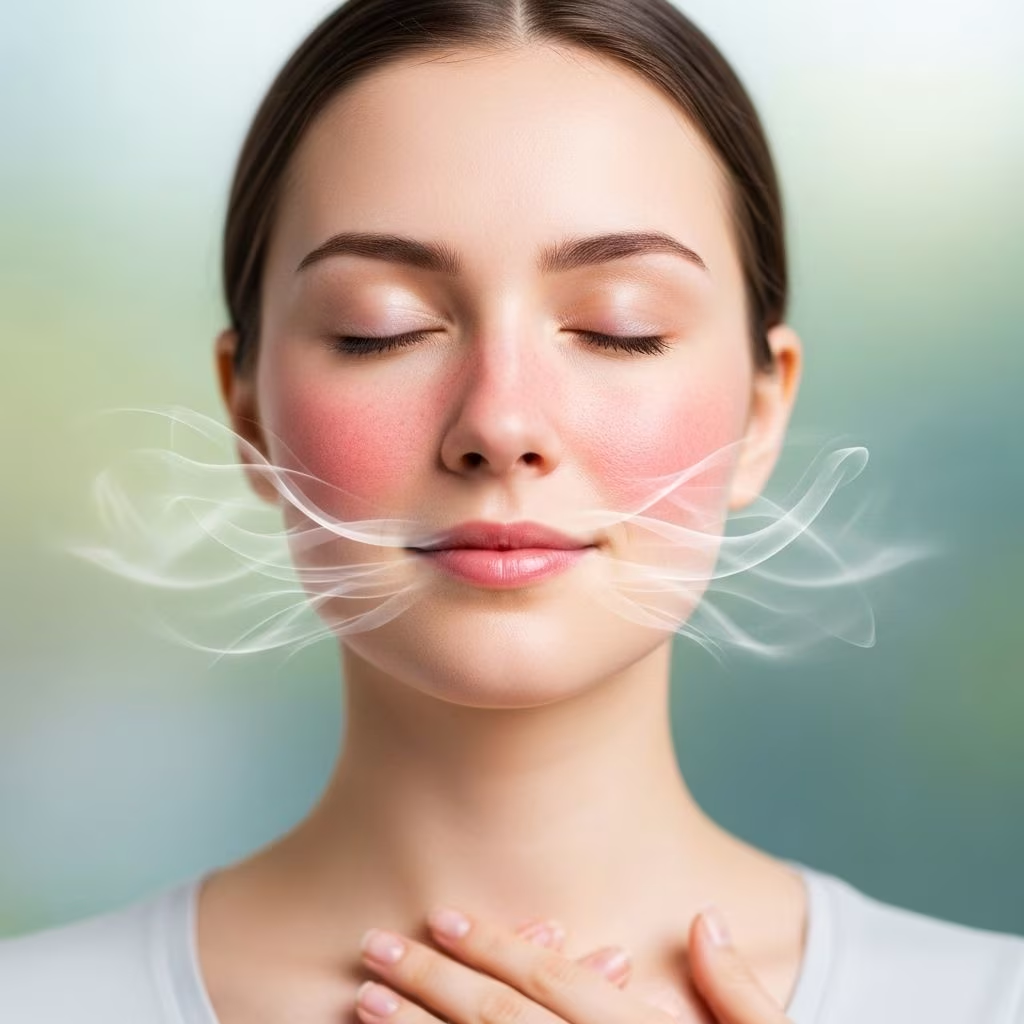
Sensitive skin redness can be a frustrating and persistent challenge that affects millions of people worldwide. While topical treatments and skincare products play an important role in managing this condition, an often-overlooked approach involves addressing the internal factors that contribute to skin inflammation. The 4-7-8 breathing technique, developed by Dr. Andrew Weil and based on ancient yogic practices, offers a natural and accessible method for reducing sensitive skin redness by targeting the root causes of inflammation through stress reduction and nervous system regulation.
This comprehensive guide explores the powerful connection between breathing techniques and skin health, revealing how a simple practice that takes less than two minutes can create meaningful improvements in your skin’s appearance and overall well-being. By understanding the mechanisms behind this technique and learning how to implement it effectively, you can add a valuable tool to your sensitive skin management strategy.
Understanding Sensitive Skin Redness
Sensitive skin redness manifests in various forms, from temporary flushing to chronic conditions that significantly impact quality of life. This skin concern affects people across all age groups and skin types, though certain individuals are more predisposed to experiencing heightened reactivity. The redness typically occurs when blood vessels near the skin’s surface dilate in response to triggers, causing visible inflammation and discomfort.
Common triggers for sensitive skin redness include environmental factors such as extreme temperatures, wind, and sun exposure, as well as internal factors like stress, anxiety, hormonal fluctuations, and certain foods. Chemical irritants found in skincare products, fragrances, and household cleaners can also provoke reactions. For many individuals, stress serves as one of the most significant and persistent triggers, creating a cycle where skin concerns generate more stress, which in turn exacerbates the redness.
Conditions commonly associated with sensitive skin redness include rosacea, eczema, contact dermatitis, and seborrheic dermatitis. These conditions share common characteristics of inflammation, compromised skin barrier function, and heightened reactivity to both external and internal stressors. While each condition has its unique features and treatment protocols, they all benefit from approaches that address both the physical symptoms and the underlying stress responses that worsen inflammation.
What is 4-7-8 Breathing?
The 4-7-8 breathing technique represents a modern adaptation of pranayama, the ancient yogic practice of breath control that has been used for thousands of years to promote physical and mental well-being. Dr. Andrew Weil, a pioneer in integrative medicine and founder of the University of Arizona Center for Integrative Medicine, developed this specific pattern to create a natural tranquilizer effect for the nervous system. The technique derives its name from the timing pattern it follows: inhaling for four seconds, holding the breath for seven seconds, and exhaling for eight seconds.
This deceptively simple practice works by engaging the parasympathetic nervous system, which governs the body’s rest and digest response. Unlike the sympathetic nervous system that activates during stress and triggers the fight-or-flight response, the parasympathetic system promotes relaxation, reduces heart rate, lowers blood pressure, and decreases the production of stress hormones like cortisol. By consciously controlling the breath in this specific pattern, practitioners can essentially flip a switch in their nervous system, moving from a state of activation to one of calm.
The technique requires no special equipment, can be performed anywhere, and takes less than two minutes to complete. This accessibility makes it an ideal tool for managing stress-related skin conditions, as it can be implemented at the first signs of a flare-up or as a preventive measure throughout the day. The practice becomes more effective with regular use, as the body learns to respond more quickly to the calming signals sent through controlled breathing.
The Stress-Skin Connection
The relationship between psychological stress and skin health represents one of the most well-documented connections in dermatological research. When the body experiences stress, it initiates a cascade of physiological responses designed to help us respond to perceived threats. The hypothalamic-pituitary-adrenal axis activates, releasing stress hormones including cortisol and adrenaline. These hormones trigger numerous changes throughout the body, including increased inflammation, altered immune function, and changes in blood flow patterns.
For individuals with sensitive skin, these stress-induced changes can directly manifest as visible redness and irritation. Cortisol increases inflammation throughout the body, including in the skin, while also compromising the skin’s barrier function. This makes the skin more susceptible to irritants and allergens while simultaneously reducing its ability to retain moisture and protect itself. The increased blood flow to peripheral areas during stress responses can cause visible flushing, particularly in the face, neck, and chest.
Research has established that individuals suffering from chronic skin conditions experience significantly higher levels of stress and anxiety compared to the general population. This creates a vicious cycle where skin concerns cause psychological distress, which in turn worsens the skin condition. Those with eczema, psoriasis, and rosacea often report that stress serves as one of their primary triggers for flare-ups. Breaking this cycle requires addressing both the physical symptoms and the stress response itself.
The connection extends beyond simple stress responses to encompass broader impacts on sleep quality, mood regulation, and overall health. Poor sleep, often resulting from stress or directly from uncomfortable skin conditions, further compromises skin health by reducing the body’s ability to repair and regenerate tissue. Anxiety and depression, common among those with visible skin conditions, can lead to behaviors that worsen skin health, such as picking, scratching, or neglecting proper skincare routines.
How 4-7-8 Breathing Helps Skin Redness
Nervous System Regulation
The primary mechanism through which 4-7-8 breathing benefits sensitive skin redness involves its powerful effect on the autonomic nervous system. By deliberately slowing and deepening the breath, this technique activates the parasympathetic nervous system, which counteracts the stress response. This activation leads to decreased production of cortisol and other stress hormones that contribute to inflammation. As the body shifts from a state of sympathetic dominance to parasympathetic activation, inflammatory processes throughout the body, including in the skin, begin to calm.
The extended exhale portion of the 4-7-8 technique proves particularly important for nervous system regulation. Longer exhalations stimulate the vagus nerve, a major component of the parasympathetic nervous system that runs from the brain to the abdomen. Vagal stimulation promotes a state of calm throughout the body, reduces inflammation, and helps regulate immune function. For individuals with sensitive skin, this regulation can mean the difference between a reactive, inflamed state and a calm, balanced complexion.
Improved Circulation and Oxygenation
The breath-holding component of the 4-7-8 technique creates a unique opportunity for improved oxygenation of tissues throughout the body. When you hold your breath after inhaling, carbon dioxide levels in the blood increase slightly, which triggers blood vessels to dilate. This dilation allows for better oxygen delivery to cells once you exhale and take the next breath. For skin tissue, improved oxygenation supports cellular repair processes, enhances the delivery of nutrients, and promotes the removal of metabolic waste products.
Better circulation also means more efficient delivery of immune cells to the skin, supporting the body’s natural healing processes. The enhanced blood flow helps reduce the appearance of redness over time by supporting healthy vascular function and reducing the chronic inflammation that causes persistent dilated blood vessels. Unlike the acute flushing caused by stress, the improved circulation from regular breathing practice supports long-term skin health without triggering inflammatory responses.
Detoxification Support
The lungs serve as a major detoxification organ, working alongside the liver, kidneys, and skin to eliminate waste products from the body. Deep, controlled breathing enhances this detoxification process by increasing the volume of air exchanged with each breath and promoting more complete exhalation of carbon dioxide and other gaseous waste products. When the lungs function optimally through regular deep breathing practice, they reduce the detoxification burden placed on the skin.
Traditional Chinese Medicine recognizes a special relationship between the lungs and skin, viewing both as surface tissues that interact with the external environment and share sensitivity to immune system fluctuations. Many individuals who experience eczema or psoriasis also suffer from asthma or respiratory allergies, with both conditions often sharing similar triggers. Supporting lung health through breathing exercises may therefore provide indirect benefits to skin health by reducing overall toxic load and supporting balanced immune function.
Sleep Quality Enhancement
Quality sleep represents one of the most crucial factors in maintaining healthy skin, yet individuals with sensitive skin conditions often struggle with sleep disturbances due to discomfort, itching, or anxiety about their appearance. The 4-7-8 breathing technique has demonstrated particular effectiveness as a sleep aid, helping practitioners fall asleep more quickly and achieve deeper, more restorative rest. By calming the nervous system and quieting racing thoughts, this breathing pattern creates ideal conditions for sleep onset.
During sleep, the body undergoes critical repair and regeneration processes, including the production of collagen, the repair of DNA damage, and the regulation of inflammatory processes. Growth hormone, which supports tissue repair, is primarily secreted during deep sleep stages. For individuals with sensitive skin redness, improving sleep quality through regular 4-7-8 breathing practice can lead to noticeable improvements in skin appearance, reduced inflammation, and enhanced barrier function over time.
Step-by-Step Guide to 4-7-8 Breathing
Preparation
Begin by finding a comfortable position where you can maintain good posture. While you can practice 4-7-8 breathing in any position, sitting upright with your back straight and shoulders relaxed proves most effective when learning the technique. You may sit in a chair with your feet flat on the floor, cross-legged on the floor, or even lie down, though lying down may increase the likelihood of falling asleep during practice.
Place the tip of your tongue against the ridge of tissue behind your upper front teeth, known as the alveolar ridge. Maintain this tongue position throughout the entire breathing cycle. This placement may feel unusual at first, but it serves an important purpose in the technique by directing the airflow and creating the characteristic whooshing sound during exhalation.
The Breathing Cycle
Start by exhaling completely through your mouth, making a whooshing sound as you release all the air from your lungs. This complete exhalation empties your lungs and prepares you for a full, deep inhalation. If making the whooshing sound feels uncomfortable or awkward, you can purse your lips slightly to help direct the airflow.
Close your mouth and inhale quietly through your nose for a mental count of four. Focus on filling your lungs completely but comfortably, allowing your belly to expand as you breathe diaphragmatically rather than raising your shoulders. The inhalation should feel smooth and controlled, neither rushed nor strained.
Hold your breath for a count of seven. During this retention phase, remain relaxed and avoid creating tension in your body. The breath hold allows for optimal oxygen exchange in the lungs and creates the slight increase in carbon dioxide that promotes better oxygen delivery to tissues.
Exhale completely through your mouth for a count of eight, making the whooshing sound as you release the air. This extended exhalation is the most important part of the cycle for activating the parasympathetic nervous system. Focus on fully emptying your lungs, engaging your abdominal muscles gently if needed to ensure complete exhalation.
This completes one full cycle of 4-7-8 breathing. When starting out, practice only four cycles in a single session. As you become more comfortable with the technique and your body adapts to the practice, you can gradually increase to eight cycles per session.
Important Considerations
The absolute time of each count matters less than maintaining the ratio of 4:7:8. If you find the suggested timing too challenging initially, you can use a shorter count while maintaining the same ratio. For example, you might inhale for three counts, hold for five and a quarter, and exhale for six. As your lung capacity and comfort with the technique improve, gradually work toward the full 4-7-8 count.
You may experience slight lightheadedness when first practicing 4-7-8 breathing. This sensation results from the change in oxygen and carbon dioxide levels in your blood and typically passes quickly as your body adjusts to the practice. If lightheadedness occurs, simply return to normal breathing and try again later with fewer cycles or a shorter count ratio.
Consistency matters more than duration when developing a breathing practice. Aim to practice at least twice daily, ideally upon waking and before bed. These times prove particularly beneficial as morning practice sets a calm tone for the day ahead, while evening practice promotes better sleep. You can also use the technique as needed throughout the day when you notice stress building or when you observe the first signs of skin redness appearing.
Integrating Breathing into Your Skincare Routine
Combining 4-7-8 breathing with your existing skincare routine creates a powerful synergy that addresses sensitive skin redness from both internal and external angles. This integration transforms your skincare time from a purely mechanical process into a mindful ritual that supports overall well-being while caring for your skin.
Morning Integration
Begin your day with a brief 4-7-8 breathing session before you even get out of bed. This practice activates your parasympathetic nervous system and sets a calm foundation for the day ahead. After completing four cycles of breathing, proceed with your morning skincare routine. As you cleanse your face, maintain awareness of your breath, keeping it slow and deep rather than allowing it to become shallow and rapid.
While applying serums, moisturizers, and sunscreen, take time to perform gentle facial massage techniques that further promote circulation and lymphatic drainage. The combination of mindful breathing and intentional skincare application enhances product absorption while extending the calming benefits of your breathing practice. Notice the temperature and texture of your products, bringing full attention to the sensory experience rather than rushing through the routine.
Evening Integration
Evening skincare routines provide an ideal opportunity for more extended breathing practice. After removing makeup and cleansing, while your skin is still slightly damp, apply your treatment products and then sit comfortably to practice 4-7-8 breathing. The moisture on your skin creates an optimal environment for product absorption, and the breathing practice supports the skin’s nighttime repair processes.
Use your evening breathing practice as a transition between the activity of the day and the rest of sleep. This consistent ritual signals to your body that it’s time to shift into recovery mode, supporting both improved sleep quality and enhanced skin regeneration overnight. You might practice while your treatment masks or overnight moisturizers work their magic, maximizing both efficiency and effectiveness.
Responsive Application
Beyond scheduled practice times, use 4-7-8 breathing as a responsive tool when you notice triggers for sensitive skin redness. If you feel stress building during the day, take a brief break to complete four cycles of breathing before the stress manifests as visible skin inflammation. When you notice environmental triggers like temperature changes or stressful situations, use the breathing technique preemptively to minimize the reactive response in your skin.
Keep a journal tracking your skin’s appearance alongside your breathing practice to identify patterns and optimize your approach. Note when redness occurs, what triggers preceded it, and whether you practiced breathing techniques before or after the trigger. Over time, this tracking helps you understand your unique skin patterns and refine your use of the 4-7-8 technique for maximum benefit.
Additional Benefits Beyond Skin Health
While this article focuses on the application of 4-7-8 breathing for sensitive skin redness, the technique offers numerous additional benefits that contribute to overall health and well-being. Understanding these broader impacts can increase motivation to maintain a consistent practice while appreciating the full scope of positive changes you may experience.
Cardiovascular Health Improvements
Research has demonstrated that regular practice of 4-7-8 breathing can improve heart rate variability, a key marker of cardiovascular health and stress resilience. The technique may help reduce blood pressure in individuals with hypertension and decrease the workload on the heart. These cardiovascular benefits occur through multiple mechanisms, including improved oxygenation of tissues, reduced stress hormone levels, and enhanced parasympathetic nervous system activity. For individuals with sensitive skin who may also have concerns about heart health, this dual benefit makes the practice particularly valuable.
Mental Health Support
The anxiety-reducing effects of 4-7-8 breathing extend beyond immediate stress relief to support long-term mental health. Regular practitioners often report decreased symptoms of generalized anxiety, better emotional regulation, and improved ability to manage stressful situations. The technique can help interrupt patterns of rumination and worry, providing a concrete tool for redirecting attention away from anxious thoughts. For those whose sensitive skin redness contributes to social anxiety or self-consciousness, the mental health benefits may prove as valuable as the direct effects on skin appearance.
Pain Management
Controlled breathing techniques including 4-7-8 breathing have shown effectiveness in managing various types of pain, including headaches and migraines. The pain-relieving effects likely result from multiple factors: reduced muscle tension, improved oxygenation, decreased stress hormone levels, and activation of the body’s natural pain-modulating systems. For individuals whose sensitive skin conditions involve discomfort or burning sensations, the pain-management benefits of breathing practice provide additional relief beyond the reduction in visible redness.
Immune Function Support
Chronic stress suppresses immune function, making the body more susceptible to infections and slowing healing processes. By reducing stress through regular breathing practice, you support optimal immune function, which in turn benefits skin health. The skin’s immune system plays a crucial role in maintaining barrier function and responding appropriately to potential threats without overreacting to harmless substances. Balanced immune function, supported by stress reduction, helps prevent the excessive inflammatory responses that characterize sensitive skin conditions.
Frequently Asked Questions
Q: How quickly will I see improvements in my sensitive skin redness with 4-7-8 breathing?
A: The timeline for visible improvements varies among individuals based on the severity of their condition, consistency of practice, and other contributing factors. Some people notice reduced flushing and calmer skin within a few days of regular practice, particularly when using the technique in response to acute stress. More significant changes in chronic redness typically become apparent after several weeks of consistent daily practice. The technique becomes more effective over time as your body learns to respond more quickly to the breathing pattern, so patience and consistency are key.
Q: Can I practice 4-7-8 breathing more than twice daily?
A: Yes, you can practice 4-7-8 breathing whenever you feel stressed or notice triggers for skin redness appearing. However, when first learning the technique, limit yourself to four cycles per session to avoid lightheadedness. As you become more experienced, you can increase to eight cycles per session and practice multiple times throughout the day. Many practitioners use the technique whenever they encounter stressful situations, before important events, or as part of their response to skin redness triggers.
Q: Do I need to practice 4-7-8 breathing at specific times of day?
A: While you can practice anytime, morning and evening sessions provide particular benefits. Morning practice establishes a calm baseline for the day and may help prevent stress-related skin reactions. Evening practice promotes better sleep quality, which supports overnight skin repair and regeneration. Practicing before bed proves especially helpful for individuals whose sensitive skin conditions interfere with sleep due to discomfort or anxiety about appearance.
Q: Will 4-7-8 breathing replace my other treatments for sensitive skin redness?
A: The 4-7-8 breathing technique should complement rather than replace your existing skincare routine and any medical treatments prescribed by your dermatologist. Think of it as an additional tool that addresses the internal stress factors contributing to skin inflammation while your topical treatments and skincare products address external factors and barrier function. The combination of internal and external approaches typically provides better results than either approach alone.
Q: What should I do if I feel lightheaded while practicing?
A: Lightheadedness when first practicing 4-7-8 breathing is common and results from changes in blood oxygen and carbon dioxide levels. If this occurs, simply return to normal breathing and rest until the sensation passes. In future sessions, try using a shorter count ratio while maintaining the 4:7:8 pattern, or complete fewer cycles per session. As your body adapts to the practice, lightheadedness typically decreases and eventually disappears entirely.
Q: Can 4-7-8 breathing help with other skin conditions besides redness?
A: Yes, because the technique addresses stress and inflammation at a systemic level, it may benefit various skin conditions influenced by these factors. People with eczema, psoriasis, acne, and other inflammatory skin conditions may experience improvements through regular practice. The sleep-enhancing effects also support overall skin health, including texture, tone, and healing capacity. However, specific results vary based on individual circumstances and the nature of the skin condition.
Q: Is it normal for the technique to feel awkward at first?
A: Absolutely. Most people find the breathing pattern feels unnatural when they first begin practicing, particularly the tongue placement and the whooshing exhale. The specific count timing may also feel challenging initially. These sensations are completely normal and diminish with practice. Focus on maintaining the basic pattern rather than perfecting every detail, and remember that the technique becomes smoother and more natural within a week or two of regular practice.
Q: Can I practice 4-7-8 breathing while applying skincare products?
A: While you can maintain awareness of your breath during skincare application, the full 4-7-8 technique requires focused attention, particularly the breath-holding phase and the whooshing exhale through the mouth. It’s most effective to complete your breathing cycles either before or after applying products rather than simultaneously. You can, however, maintain slower, deeper breathing throughout your skincare routine after completing your formal 4-7-8 practice, extending the calming benefits throughout your routine.
References
- https://amethystacu.com/4-7-8-breathing/
- https://o-p-e-n.com/blog/4-7-8-breathwork-technique
- https://www.healthline.com/health/4-7-8-breathing
- https://www.neuskinaustin.com/pages/rituals-breathing-exercise
- https://www.webmd.com/balance/what-to-know-4-7-8-breathing
- https://health.clevelandclinic.org/4-7-8-breathing
- https://pmc.ncbi.nlm.nih.gov/articles/PMC9277512/
- https://www.kahnlongevitycenter.com/blog/controlling-stress-with-4-7-8-breathing-in-under-90-seconds
- https://www.uhhospitals.org/blog/articles/2024/02/breathe-your-way-to-better-health-and-less-stress


