


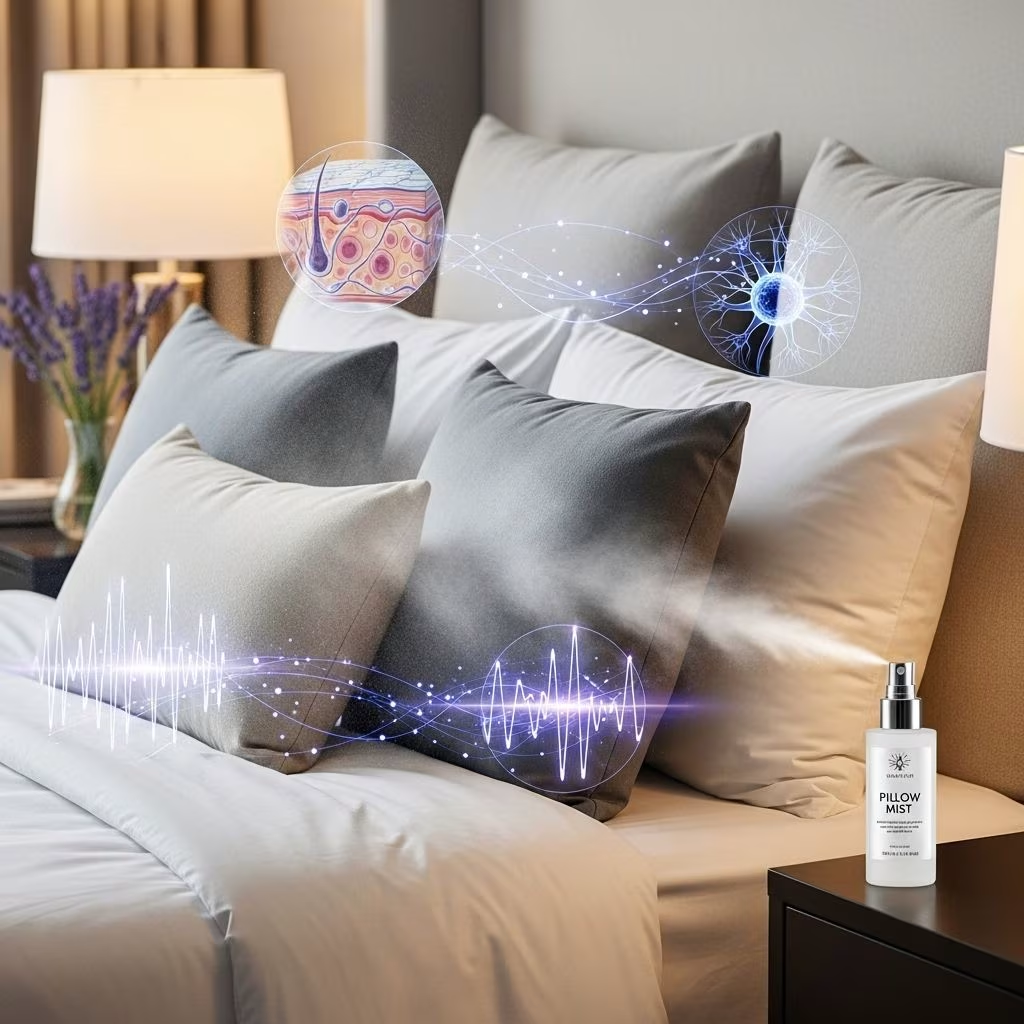
In our fast-paced modern world, achieving quality sleep while maintaining healthy, radiant skin has become increasingly challenging. Pillow mists have emerged as a powerful solution that bridges the gap between aromatherapy, sleep enhancement, and skincare. These specially formulated sprays combine the ancient wisdom of essential oils with contemporary understanding of sleep science and dermatology, offering a holistic approach to nighttime wellness. By incorporating a pillow mist into your bedtime routine, you create an environment that not only helps you fall asleep faster but also optimizes the conditions for your skin to undergo its crucial regeneration processes.
The relationship between sleep quality and skin health is more profound than many people realize. While we rest, our bodies shift into repair mode, dedicating resources to healing and rejuvenating our largest organ—the skin. This nocturnal transformation involves complex biological processes including increased collagen production, enhanced cellular repair, and the reversal of damage accumulated throughout the day. Pillow mists serve as catalysts for this regenerative process by promoting deeper, more restorative sleep while simultaneously creating an optimal environment for skin recovery.
Understanding Pillow Mist and Its Purpose
A pillow mist is essentially a water-based fragrance spray designed specifically for bedding, containing carefully selected essential oils and botanical extracts known for their sleep-inducing and relaxation properties. Unlike regular perfumes or room sprays, pillow mists are formulated to be gentle enough for direct contact with skin, hair, and facial areas since they come into close proximity with these sensitive regions throughout the night. The primary purpose of these products extends beyond simply making your pillow smell pleasant—they serve as a functional tool in establishing a consistent sleep routine and signaling to your brain that it is time to transition from wakefulness to rest.
The most prominent ingredient in pillow mists is typically lavender, a plant whose sedative properties have been recognized and utilized across various cultures for centuries. However, modern formulations often incorporate sophisticated blends of multiple essential oils, each contributing unique benefits to the overall experience. These may include chamomile for its calming effects, vetiver for grounding and stress reduction, and various other botanicals selected for their complementary aromatic profiles and therapeutic properties. The water-based nature of these sprays ensures they disperse evenly across your bedding without leaving oily residues or stains.
Beyond their aromatic qualities, pillow mists contribute to creating what sleep experts call an optimal sleep environment. According to the National Sleep Foundation, establishing a consistent nighttime routine and optimizing your sleep environment are among the most effective natural methods for improving both sleep quantity and quality. The ritual of spritzing your pillow becomes a psychological cue that prepares your mind for rest, much like dimming lights or reading before bed. This conditioning effect, combined with the physiological responses triggered by the essential oils, creates a powerful synergy that enhances your ability to fall asleep quickly and maintain deeper sleep cycles throughout the night.
The Sleep and Skin Connection
The profound connection between sleep quality and skin health operates on multiple biological levels, making adequate rest one of the most effective beauty treatments available. During sleep, particularly during the deep sleep stages, the body undergoes vital regeneration processes that are essential for maintaining healthy, youthful-looking skin. Understanding this connection helps illuminate why pillow mists, by improving sleep quality, can have such significant impacts on skin appearance and health.
When we enter deep sleep, our bodies shift resources toward repair and regeneration rather than protection and defense. This metabolic transition allows skin cells to focus on healing damage accumulated during waking hours from environmental stressors including ultraviolet radiation, pollution, temperature fluctuations, and oxidative stress from free radicals. The body’s cells, including skin cells, regenerate during these deep sleep phases, which is crucial for repairing damage caused by these daily assaults on our skin’s integrity. This regeneration process also stimulates the production of collagen, the structural protein responsible for maintaining skin firmness, smoothness, and elasticity.
Blood flow patterns also change significantly during sleep, with increased circulation directed toward the skin. This enhanced blood flow delivers higher concentrations of oxygen and nutrients to skin cells, facilitating more efficient repair processes and waste removal. The improved oxygenation helps skin cells function optimally, supporting their natural repair mechanisms and promoting faster recovery from daily damage. This increased circulation also contributes to that coveted healthy glow that characterizes well-rested individuals, as the skin receives the resources it needs to maintain its vitality and radiance.
Sleep deprivation, conversely, triggers a cascade of negative effects on skin health. When sleep is insufficient, the body produces elevated levels of cortisol, a stress hormone that increases inflammation throughout the body, including the skin. This heightened inflammatory state can exacerbate existing skin conditions such as acne, eczema, and psoriasis, while also accelerating visible signs of aging. Chronic sleep deprivation disrupts the skin’s natural barrier function, leading to increased water loss, reduced resilience against environmental irritants, and a compromised ability to protect against pathogens. By using pillow mists to improve sleep quality, you effectively address these issues at their source, creating conditions that support optimal skin health and appearance.
How Pillow Mist Works for Better Sleep
The mechanism by which pillow mists promote better sleep involves both psychological conditioning and direct physiological effects on the nervous system. The science behind aromatherapy and sleep enhancement is rooted in how our olfactory system communicates with brain regions responsible for regulating mood, stress responses, and sleep-wake cycles. When you inhale the aromatic compounds from a pillow mist, these molecules interact with olfactory receptors in your nasal passages, which then send signals directly to the limbic system—the brain’s emotional control center—and the hypothalamus, which regulates various autonomic functions including sleep.
Specific aromatic compounds in essential oils trigger our parasympathetic nervous system, the network responsible for promoting relaxation, rest, and recovery. This activation opposes the sympathetic nervous system, which governs our fight-or-flight responses and maintains alertness. Scents like lavender achieve this calming effect by inhibiting the release of acetylcholine, a neurotransmitter connected to alertness and cognitive focus. By suppressing this chemical that helps keep us awake, these aromatic compounds induce a sedative effect that makes falling asleep easier and promotes sustained sleep throughout the night.
Research has demonstrated that aromatherapy using essential oils like lavender causes our bodies to produce melatonin, the hormone primarily responsible for regulating our sleep-wake cycles. Melatonin production naturally increases as darkness falls, signaling to our bodies that it is time to prepare for sleep. However, modern lifestyle factors including artificial lighting, screen exposure, and irregular schedules often disrupt this natural rhythm. Pillow mists can help restore and enhance melatonin production, effectively resetting your biological clock and promoting more natural sleep patterns. This is particularly beneficial for individuals who struggle with falling asleep or who experience frequent nighttime awakenings.
The psychological component of pillow mist effectiveness should not be underestimated. Creating a consistent bedtime routine that includes applying pillow mist establishes a form of classical conditioning, where your brain begins to associate the specific scent and ritual with sleep. Over time, this association strengthens, making the transition from wakefulness to sleep increasingly automatic and effortless. This conditioning effect works synergistically with the direct physiological effects of the essential oils, creating a comprehensive approach to sleep enhancement that addresses both mental and physical aspects of achieving restful slumber.
Skin Cell Regeneration During Sleep
The process of skin cell regeneration during sleep is a complex biological phenomenon that represents one of the body’s most important maintenance activities. This regeneration encompasses multiple simultaneous processes, all working in concert to repair damage, produce new cells, and maintain the skin’s structural integrity and protective functions. Understanding these processes helps explain why quality sleep is so crucial for maintaining healthy, youthful-looking skin and why anything that improves sleep quality, such as pillow mists, can have measurable benefits for skin appearance.
Cell turnover, the process by which old skin cells are shed and replaced with new ones, accelerates significantly during sleep. While this process occurs continuously throughout our lives, it reaches peak efficiency during the deeper stages of sleep when the body can dedicate maximum resources to regeneration rather than other metabolic demands. This accelerated turnover means that damage accumulated during the day—from sun exposure, environmental pollutants, and oxidative stress—gets addressed more quickly and effectively. The new cells that replace damaged ones are healthier and more resilient, contributing to improved overall skin quality and appearance.
Collagen production, perhaps the most celebrated aspect of nighttime skin regeneration, increases substantially during sleep. Collagen is the most abundant protein in our skin, providing the structural framework that maintains firmness, minimizes wrinkles, and preserves youthful contours. As we age, natural collagen production declines, contributing to visible signs of aging including sagging skin, fine lines, and wrinkles. However, this production ramps up significantly during sleep, making those nocturnal hours invaluable for maintaining skin’s structural integrity. Products that enhance sleep quality, such as pillow mists, indirectly support this collagen synthesis by ensuring you achieve the deep sleep stages where production peaks.
The reduction in inflammation that occurs during adequate sleep also plays a crucial role in skin health and regeneration. Inflammation is a natural immune response, but chronic inflammation accelerates aging and exacerbates various skin conditions. During quality sleep, inflammatory markers decrease throughout the body, including the skin. This reduction allows the skin to focus on repair and regeneration rather than defensive responses. For individuals dealing with inflammatory skin conditions like acne, rosacea, or eczema, improving sleep quality through methods like pillow mist application can provide significant relief by reducing the inflammatory burden on their skin.
DNA repair mechanisms also function more efficiently during sleep. Our skin cells’ DNA accumulates damage throughout the day from various sources, particularly ultraviolet radiation. This damage, if left unrepaired, can lead to premature aging, hyperpigmentation, and increased cancer risk. During sleep, specialized enzymes work to identify and repair this DNA damage, maintaining the genetic integrity of skin cells. This repair process is most active during deep sleep stages, highlighting yet another reason why sleep quality directly impacts skin health. By using pillow mists to enhance sleep depth and duration, you provide your skin with extended opportunities to conduct these critical repair operations.
Key Ingredients in Effective Pillow Mists
The effectiveness of any pillow mist depends heavily on its ingredient composition, with certain essential oils and botanical extracts demonstrating particularly strong evidence for promoting sleep and supporting skin health. Understanding these key ingredients helps consumers make informed choices when selecting products and allows them to identify formulations most likely to deliver the desired benefits.
Lavender stands as the undisputed champion among pillow mist ingredients, supported by extensive research demonstrating its sleep-promoting and skin-soothing properties. Clinical trials have shown that just 15 days of lavender inhalation at bedtime can reduce anxiety by 19 percent, creating a calmer mental state conducive to falling asleep quickly. A 2012 review evaluating eight different studies concluded that lavender oil may be beneficial for inducing sleep, while a 2015 study found that people who practiced good sleep hygiene and wore a lavender oil patch at night experienced better sleep quality compared with those who only practiced healthy sleep hygiene without the lavender component. Beyond its sleep benefits, lavender also possesses anti-inflammatory and antimicrobial properties that can benefit skin health directly.
Chamomile represents another powerful sleep-inducing ingredient commonly found in quality pillow mist formulations. This gentle botanical has been used for centuries as a natural sedative, with compounds like apigenin binding to specific receptors in the brain that promote drowsiness and reduce anxiety. Chamomile’s anti-inflammatory properties also make it particularly beneficial for sensitive or irritated skin, providing dual benefits when used in pillow mists. The soothing nature of chamomile makes it an ideal complementary ingredient to lavender, creating aromatic blends that are both effective and pleasant.
Vetiver offers grounding and calming properties that help quiet racing thoughts and promote mental stillness before sleep. This earthy, woodsy essential oil has been traditionally used in aromatherapy for stress reduction and emotional balance. Research suggests that vetiver can help reduce mental hyperactivity and promote a sense of tranquility, making it particularly valuable for individuals whose sleep difficulties stem from an inability to quiet their minds. When combined with other sleep-promoting ingredients like lavender and chamomile, vetiver contributes to a more comprehensive aromatic experience that addresses multiple aspects of sleep resistance.
Quality pillow mists should use 100 percent pure essential oils rather than synthetic fragrances, as these natural compounds provide the therapeutic benefits associated with aromatherapy. Synthetic fragrances may smell similar but lack the complex chemical compositions that deliver physiological effects. Additionally, look for formulations that use appropriate carrier oils or water bases to properly dilute the essential oils, ensuring they are safe for skin contact while maintaining their effectiveness. Some advanced formulations also incorporate additional skin-beneficial ingredients like hyaluronic acid or botanical extracts that provide direct skincare benefits beyond the sleep-promoting effects.
Scientific Evidence Supporting Pillow Mist Benefits
The scientific foundation supporting pillow mist benefits draws from multiple research domains including aromatherapy studies, sleep science investigations, and dermatological research on circadian rhythms and skin regeneration. This convergence of evidence from different fields creates a compelling case for the effectiveness of pillow mists in promoting both better sleep and improved skin health.
Aromatherapy research has consistently demonstrated that essential oil inhalation can produce measurable effects on sleep quality and duration. Studies using objective sleep measurement tools like polysomnography have shown that lavender aromatherapy increases the percentage of time spent in deep slow-wave sleep, the stage most crucial for physical restoration and cellular repair. These findings are particularly significant because they demonstrate that the effects extend beyond subjective feelings of relaxation to produce actual changes in sleep architecture that can be objectively measured and verified.
Research examining the relationship between sleep and skin health has revealed that even a single night of poor sleep can compromise skin barrier function, increase transepidermal water loss, and reduce the skin’s ability to recover from environmental stressors. Conversely, studies have shown that improving sleep quality leads to measurable improvements in skin hydration, texture, and appearance ratings. One notable study found that individuals identified as good sleepers had 30 percent better skin barrier recovery and significantly lower scores for perceived age compared with poor sleepers, demonstrating that sleep quality has visible impacts on skin appearance that others can observe and assess.
The mechanisms underlying these benefits have also been elucidated through research. Studies have shown that during sleep, particularly during deep sleep stages, growth hormone secretion increases substantially. This hormone plays a crucial role in stimulating cellular regeneration and collagen synthesis throughout the body, including the skin. Sleep deprivation, conversely, disrupts this hormonal pattern and increases cortisol levels, leading to collagen breakdown and impaired skin barrier function. By improving sleep quality through aromatherapy interventions like pillow mists, individuals can optimize these hormonal patterns to support skin health.
Clinical trials specifically examining pillow spray products have also yielded positive results. Studies evaluating commercial pillow sprays containing lavender and other sleep-promoting essential oils have found significant improvements in sleep onset latency (the time it takes to fall asleep), total sleep time, and subjective sleep quality ratings. Participants in these studies also reported feeling more refreshed upon waking and experiencing less daytime fatigue, suggesting that the sleep obtained while using pillow sprays is not only easier to achieve but also more restorative in nature.
How to Choose the Right Pillow Mist
Selecting an effective pillow mist requires consideration of several factors including ingredient quality, formulation approach, personal sensitivities, and intended benefits. With the growing popularity of these products, the market now offers numerous options ranging from simple single-ingredient sprays to complex proprietary blends, making informed selection increasingly important for achieving desired results.
The first and most crucial consideration is ingredient quality and purity. Opt for pillow mists that explicitly state they contain 100 percent pure essential oils rather than synthetic fragrances or fragrance oils. Pure essential oils contain the complex array of chemical compounds responsible for therapeutic effects, while synthetic alternatives merely mimic scent without providing physiological benefits. Check product labels for transparency about ingredient sources and concentrations. Reputable manufacturers will clearly list all ingredients and may provide information about sourcing practices, such as organic cultivation or sustainable harvesting methods.
Formulation type represents another important decision point. Water-based formulations are generally lighter and less likely to leave residues on bedding, making them suitable for most users. Oil-based formulations may provide longer-lasting fragrance and can offer additional skin moisturizing benefits, but they may not be appropriate for individuals with oily or acne-prone skin. Consider your skin type and any existing sensitivities when choosing between these formulation approaches. Some advanced products combine water and oil phases using natural emulsifiers, attempting to capture benefits of both approaches.
Personal scent preferences should not be overlooked, as the effectiveness of pillow mists depends partly on creating positive associations between the fragrance and sleep. While lavender represents the most scientifically supported option, not everyone finds this scent appealing. Fortunately, many effective pillow mists incorporate lavender as part of broader aromatic blends that soften its characteristic scent with complementary notes from other essential oils. Sample different products when possible to identify formulations whose aroma you find genuinely relaxing and pleasant rather than merely tolerable.
Consider any additional functional ingredients beyond essential oils that might address your specific concerns. Some pillow mists incorporate hydrating ingredients like aloe vera or glycerin that can provide benefits for skin that comes into contact with treated pillowcases. Others may include additional botanical extracts chosen for their skin-soothing or anti-aging properties. If you have specific skin concerns beyond general health maintenance, look for formulations that address these issues while still prioritizing sleep-promoting essential oils as primary active ingredients.
Application Tips for Maximum Benefits
Proper application of pillow mist maximizes its effectiveness while ensuring safety and preserving the quality of your bedding. Following best practices for use helps you extract maximum benefit from these products and integrate them seamlessly into your nighttime routine.
Timing represents a critical factor in pillow mist effectiveness. Apply the spray to your pillow approximately 5-10 minutes before you plan to get into bed. This delay serves several purposes: it allows the initial alcohol or water carrier to evaporate so you are not lying directly on wet fabric, it gives the essential oils time to disperse evenly and reach optimal aromatic intensity, and it permits the scent to begin permeating your bedroom environment before you attempt to sleep. This advance application also allows you to continue other elements of your bedtime routine, such as washing your face or brushing your teeth, while the pillow mist settles.
Application technique affects both product longevity and effectiveness. Hold the spray bottle 6-8 inches away from your pillow and apply 2-3 pumps in a sweeping motion across the surface where your face will rest. Avoid over-application, as excessive product can saturate fabric, potentially cause staining, and create an overpowering scent that may actually hinder rather than promote relaxation. Remember that your sense of smell adapts quickly to persistent odors, so a moderate application that seems subtle initially will maintain appropriate intensity throughout the night as you periodically shift positions and breathe fresh wafts of the fragrance.
Expand your application beyond just pillows to create a more comprehensive aromatherapy environment. Lightly mist your sheets, particularly in the area around where you will sleep. Some people also apply pillow spray to their pajamas, creating another source of gentle fragrance that moves with them throughout the night. You can also use pillow mist as a room spray, applying it to curtains or other fabric surfaces in your bedroom to create an ambient aromatic atmosphere. However, always test products on inconspicuous areas first to ensure they will not stain or damage fabrics.
Consistency proves essential for maximizing both psychological conditioning effects and cumulative benefits. Make pillow mist application a regular part of your nightly routine rather than an occasional practice. This consistency strengthens the association between the scent and sleep in your brain, enhancing the conditioned response that facilitates faster sleep onset. Set your pillow spray in a visible, convenient location in your bedroom where you will naturally encounter it during your bedtime preparations, making adherence to this new habit easier to maintain.
Safety Considerations and Precautions
While pillow mists are generally considered safe for most people, certain precautions and safety considerations ensure that use remains beneficial without causing unintended problems. Understanding these safety aspects helps users avoid potential complications and make informed decisions about incorporating these products into their routines.
Skin sensitivity represents the primary concern with pillow mist use, as these products come into direct contact with facial skin, which tends to be more sensitive than skin on other body areas. Even though pillow mists dilute essential oils significantly compared with their concentrated forms, individuals with sensitive skin may still experience irritation, redness, or allergic reactions. Before incorporating a new pillow mist into your regular routine, perform a patch test by spraying a small amount on your inner forearm and observing for any adverse reactions over 24 hours. If you notice irritation, discontinuation is advisable, and you may need to seek formulations with lower essential oil concentrations or different ingredient profiles.
Certain populations should exercise additional caution or consult healthcare providers before using pillow mists. Pregnant women should discuss essential oil use with their obstetricians, as some oils may not be recommended during pregnancy. Individuals with asthma or other respiratory conditions should be particularly cautious, as strong fragrances can potentially trigger symptoms in some cases. People with existing skin conditions like eczema or psoriasis should introduce pillow mists gradually and monitor for any exacerbation of their conditions. Children’s pillows should only be treated with pillow mist after consulting with a pediatrician, as children may be more sensitive to essential oils than adults.
Quality and purity standards vary significantly across manufacturers, making careful product selection important for safety. Choose products from reputable companies that provide transparent information about their ingredients, sourcing, and manufacturing processes. Avoid products containing synthetic fragrances, phthalates, parabens, or other potentially harmful additives. Read ingredient lists carefully and research any unfamiliar components before use. If you have known allergies to specific plants or botanical families, verify that the pillow mist does not contain essential oils derived from related species that might trigger similar reactions.
Storage practices also affect both safety and product effectiveness. Keep pillow mists in cool, dark locations away from direct sunlight and heat sources, which can degrade essential oils and reduce their effectiveness. Ensure bottles are tightly closed when not in use to prevent evaporation and oxidation. Check expiration dates and discard products that have passed these dates or that show signs of degradation such as changes in color, consistency, or smell. Most pillow mists maintain optimal quality for 12-18 months when stored properly, though specific shelf life varies by formulation.
Frequently Asked Questions
How long does it take for pillow mist to work?
Most people begin noticing the relaxing effects of pillow mist within 5-15 minutes of application. However, the full conditioning effect that creates a strong association between the scent and sleep typically develops over 2-3 weeks of consistent nightly use. For optimal results, apply the mist 5-10 minutes before getting into bed and maintain regular use as part of your bedtime routine.
Can pillow mist stain my bedding?
Quality pillow mists formulated specifically for bedding use should not stain fabrics when used as directed. These products typically use water or alcohol bases that evaporate cleanly. However, over-application or using products with added colorants might potentially cause staining. Always follow application instructions, avoid excessive spraying, and consider testing new products on inconspicuous areas of older linens before using them on expensive bedding.
Is it safe to use pillow mist every night?
Yes, for most people, nightly pillow mist use is safe and actually recommended for achieving optimal benefits. The conditioning effect strengthens with consistent use, making your sleep response more automatic over time. However, individuals with sensitive skin, respiratory conditions, or certain allergies should monitor their response and consult healthcare providers if concerns arise. Pregnant women should obtain medical guidance before beginning regular use.
Can I use pillow mist if I have acne-prone skin?
Many people with acne-prone skin successfully use pillow mists, particularly water-based formulations with pure essential oils. Lavender actually possesses antimicrobial properties that may benefit acne-prone skin. However, choose products without added oils or comedogenic ingredients that might clog pores. Change pillowcases regularly, as recommended for anyone with acne, and monitor your skin’s response when introducing any new product that will contact your face during sleep.
How does pillow mist differ from a room diffuser?
Pillow mists provide localized aromatherapy specifically in your immediate sleeping area, while diffusers disperse essential oils throughout an entire room. Pillow mists offer more concentrated exposure during sleep and incorporate the psychological benefit of a bedtime ritual. Diffusers require electricity or batteries and need refilling with water and oils. Both methods can be effective, and some people use them together for comprehensive aromatherapy benefits. Pillow mists tend to be more portable and convenient for travel.
Will I become dependent on pillow mist to fall asleep?
Pillow mist creates a beneficial association between scent and sleep through conditioning, but this differs from physiological dependence. If you stop using pillow mist, you will not experience withdrawal symptoms. However, you might temporarily miss the psychological comfort of your established routine. This is similar to other healthy sleep habits like reading before bed—beneficial for sleep but not creating harmful dependency. The goal is establishing positive sleep associations that support natural rest.
Can pillow mist replace my skincare routine?
No, pillow mist should complement rather than replace a proper skincare routine. While pillow mists support skin health by improving sleep quality and some contain beneficial ingredients, they do not provide the targeted treatment, cleansing, moisturizing, and sun protection that comprehensive skincare delivers. Think of pillow mist as an enhancement that optimizes conditions for your skin’s natural regeneration processes, working synergistically with your regular skincare products to maximize overall skin health and appearance.
References
- https://www.sesderma.com/int_en/SERENITY-Face-&-Pillow-Mist-40005725.html
- https://mediderma.com/en/sesderma-products/2558-serenity-face-pillow-mist.html
- https://www.reviewed.com/sleep/features/pillow-mist-sleep-skin
- https://www.enmodasalonspa.com/blog/the-power-of-a-good-nights-sleep-for-your-skin-and-hair
- https://europeanspasource.com/blogs/blog/why-you-should-be-using-a-pillow-spray
- https://us.purefiji.com/blogs/news/sleep-tips-for-better-rest-and-skin-rejuvenation
- https://us.thisworks.com/products/deep-sleep-pillow-spray-75ml
- https://www.nivea-me.com/en-me/advice/skin/skin-regeneration-and-good-night-sleep
- https://au.loccitane.com/art-of-beauty-sleep


