


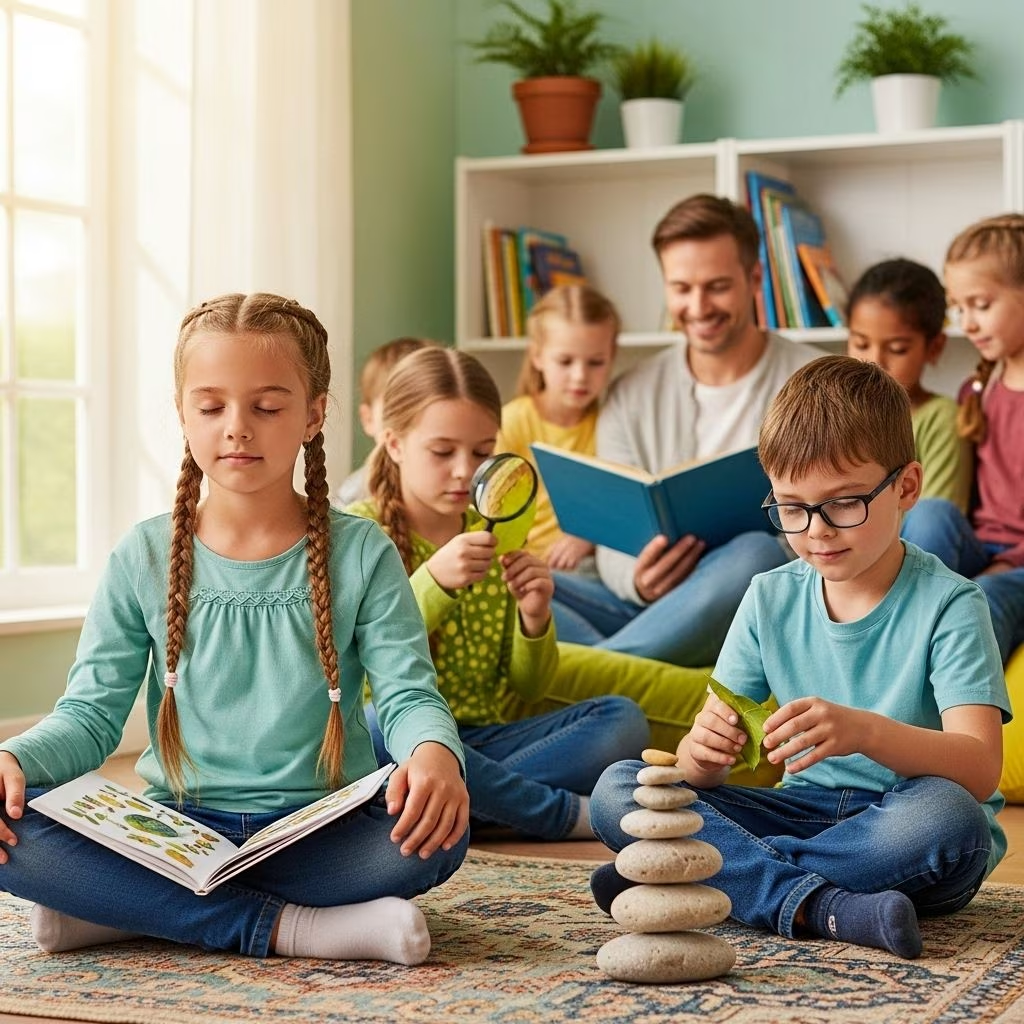
Mindfulness is more than a trend—it is a proven practice that helps children build emotional intelligence, resilience, empathy, and self-regulation. For parents, introducing mindfulness doesn’t need to be daunting. Selecting the right books can make mindfulness accessible to children, offering practical exercises and gentle guidance that fits into daily family routines. This comprehensive guide explores the best mindfulness books for kids and provides parents with practical advice on using literature to foster calm, confidence, and lifelong well-being.
What is Mindfulness for Kids?
Mindfulness is the practice of paying gentle, non-judgmental attention to the present moment. For children, mindfulness is about noticing their thoughts, feelings, and sensations—learning to meet them with curiosity and kindness. Through age-appropriate stories and exercises, kids can become more aware of their emotional landscape, develop strategies for managing stress, and appreciate the simple joys of daily life.
Mindfulness books for kids translate these concepts into playful narratives and digestible activities, helping even the youngest readers connect with calm and focus.
Why Mindfulness Matters in Childhood
- Emotional Regulation: Mindfulness helps children recognize, name, and navigate their feelings, reducing impulsive reactions and promoting thoughtful problem solving.
- Stress and Anxiety Reduction: Mindfulness activities can lower anxiety, foster resilience, and help children manage big emotions like anger and nervousness.
- Improved Focus: Mindful practices increase attention span, support classroom learning, and bolster executive functioning skills, such as planning and self-control.
- Social and Emotional Growth: Mindfulness encourages empathy, compassion, and improved relationships by fostering self-awareness and perspective taking.
- Long-Term Well-Being: Research shows that early mindfulness builds lifelong habits, supporting a balanced, happy adulthood.
Criteria for Selecting Mindfulness Books for Kids
With countless children’s books about mindfulness, selecting the most effective ones requires careful consideration. High-quality mindfulness books share several distinctive features:
- Engaging Illustrations: Bright, inviting artwork that captures children’s imaginations and maintains their interest.
- Age-Appropriate Language: Simple words and relatable scenarios ensure children can understand and apply mindfulness techniques.
- Practical Exercises: Activities such as breathing practices, guided imagery, and awareness games that children can easily follow on their own or with adults.
- Diversity and Inclusion: Books featuring diverse characters and experiences help all children feel represented and valued.
- Positive Messaging: Books should promote kindness, empathy, gratitude, and acceptance of all emotions without judgment.
Top Mindfulness Books for Kids (Ages 3 and Up)
The following books repeatedly appear in educational, therapeutic, and parenting recommendations for their effectiveness in teaching mindfulness to children. Many are suitable for a wide range of ages, from preschoolers to early tweens. This curated collection balances picture books, storybooks, and practical guides.
| Title | Author(s) | Recommended Ages | Main Focus/Unique Feature |
|---|---|---|---|
| B is for Breathe: The ABCs of Coping with Fussy and Frustrating Feelings | Melissa Munro Boyd | 3–8 | Alphabet-based coping strategies, vibrant images, emotional vocabulary |
| Happy: A Beginner’s Book of Mindfulness | Nicola Edwards | 4–8 | Sensory mindfulness, present-moment focus, beautiful illustrations |
| Find Your Calm: A Mindful Approach to Relieve Anxiety and Grow Your Bravery | Gabi Garcia | 5–10 | Grounding techniques, anxiety management, bilingual editions |
| Alphabreaths: The ABC’s of Mindful Breathing | Christopher Willard & Daniel Rechtschaffen | 3–8 | Mindful breathing, interactive activities, creative techniques |
| Breathe and Be: A Book of Mindfulness Poems | Kate Coombs | 3–8 | Mindfulness poetry, visualization, rest and relaxation |
| Peace Piggy Meditation | Kerry Lee MacLean | 3–7 | Meditation basics, emotional regulation through stories |
| A Handful of Quiet: Happiness in Four Pebbles | Thich Nhat Hanh | 5–10 | Pebble meditation, hands-on activities, nature connection |
| Meditation Is an Open Sky: Mindfulness for Kids | Whitney Stewart | 6–12 | Short meditation exercises, managing emotions, practical guidance |
| Listening to My Body | Gabi Garcia | 5–10 | Body awareness, emotional literacy, feeling identification |
| Our Family’s Doing Yoga | SonJoria Sydnor | 3–8 | Yoga poses, family mindfulness, physical movement mixed with awareness |
| What Does it Mean to Be Present? | Rana DiOrio | 4–8 | Present moment awareness, foundational concepts |
| Sitting Still Like a Frog | Eline Snel | 5–12 | Guided meditations, practical exercises, audio resources |
| Breathe Like a Bear | Kira Willey | 4–8 | 30 breathing exercises for calm and focus |
| Charlotte and the Quiet Place | Deborah Sosin | 4–8 | Finding calm in noisy environments, city representation, self-empowerment |
| Silence | Lemniscates | 3–6 | Mindful listening, poetic language, bedtime reading |
| Good Night Yoga | Mariam Gates | 3–7 | Bedtime rituals, gentle yoga, calming illustrations |
Quick Picks by Theme
- For Breathing and Anxiety: “Breathe Like a Bear”, “Alphabreaths”, “Find Your Calm”
- For Bedtime and Relaxation: “Breathe and Be”, “Silence”, “Good Night Yoga”
- For Emotional Awareness: “Listening to My Body”, “B is for Breathe”
- For Mindful Families: “Our Family’s Doing Yoga”, “Happy: A Beginner’s Book of Mindfulness”
Using Mindfulness Books Effectively: Tips for Parents
- Read Together Regularly: Make mindfulness reading a regular part of your daily or bedtime routine. Consistency helps children internalize practices and associate them with a sense of safety and relaxation.
- Model Mindfulness: Read along and participate in activities, demonstrating calm breathing or reflective listening. Children learn best by watching how trusted adults respond to stress or strong emotions.
- Practice the Activities: Don’t just read—try the suggested exercises together. For example, practice pebble meditation from “A Handful of Quiet,” or select a breathing technique from “Alphabreaths” to use during difficult moments.
- Make it Playful: Approach mindfulness exercises as fun adventures, not chores. Use storytelling, imaginary play, and creativity to keep kids engaged.
- Encourage Reflection: Invite children to talk about their feelings and share when mindfulness helps them. Use open-ended questions to guide discussions, such as “When did you feel calm today?” or “What did your body feel like when you were upset?”
- Stay Patient: Every child is different. Introduce books and practices slowly, and be patient as your child learns self-awareness and regulation.
Mindfulness Activities and Practices from Books
The books listed in this guide are more than just stories—they serve as practical toolkits. Many include actionable exercises parents and kids can learn and do together in a matter of minutes. Here are a few sample activities inspired by popular mindfulness books:
- Mindful Breathing: Practice the “flower and candle” breath. Inhale deeply as if smelling a flower, then exhale like gently blowing out a candle. Try this with “Breathe Like a Bear” for visual prompts.
- Body Scan: Lie down (or sit) and slowly bring attention to each part of the body, relaxing muscles one at a time. Use “Listening to My Body” for age-appropriate scripted guidance.
- Pebble Meditation: Gather four small pebbles. Assign each pebble a quality (e.g., joy, calm, focus, gratitude). As you hold each pebble, imagine and breathe in that quality. “A Handful of Quiet” guides the process.
- Mindful Coloring or Drawing: Provide coloring sheets or blank paper and encourage children to draw what calm or happiness looks like to them after reading poems from “Breathe and Be.”
- Yoga for Kids: Follow basic yoga poses described in “Our Family’s Doing Yoga” or “Good Night Yoga.” Practice together, focusing on movement and breath.
- Sensory Awareness: Explore the world using all five senses: What can you hear, see, taste, feel, and smell right now? “Happy: A Beginner’s Book of Mindfulness” integrates sensory exercises into its pages.
Frequently Asked Questions (FAQs)
Q: At what age should I start reading mindfulness books to my child?
A: Children as young as three can benefit from simple mindfulness concepts and practices. Many books are written for preschoolers, but there is no upper age limit—kids and adults alike benefit from mindfulness stories and activities.
Q: Can mindfulness books help children with anxiety or ADHD?
A: Yes, mindfulness techniques such as focused breathing, body scans, and grounding reduce anxiety and can improve focus and impulse control in children—including those with ADHD—when practiced regularly.
Q: How often should we practice mindfulness exercises from these books?
A: It is helpful to practice daily, even for a few minutes, to reinforce habits. Consistency is more important than duration. Integrate mindfulness into your family’s daily routines so it becomes second nature.
Q: Are these books suitable for use in the classroom?
A: Absolutely. Many teachers use mindfulness books to support social-emotional learning, provide calming breaks, and help children manage classroom stress.
Q: What if my child resists mindfulness activities?
A: Keep it lighthearted and never force participation. Return to books later, try new titles, and focus on modeling your own calm rather than insisting your child join in. Children’s interest grows as they see the benefits for themselves.
Conclusion: Building Lifelong Mindful Habits
Mindfulness books for kids are powerful resources for building emotional intelligence, self-regulation, and compassion. By weaving practical exercises and thought-provoking stories into everyday life, families can help children discover their inner calm and grow into resilient, thoughtful adults. The key is to choose age-appropriate, engaging books and approach activities with encouragement, playfulness, and patience.
Whether you’re a parent seeking more peaceful bedtimes, a teacher aiming to cultivate calm in your classroom, or simply someone who wants to nurture young hearts and minds, the books in this guide offer the perfect starting point for your mindfulness journey.
References
- https://kumarahyoga.com/the-most-fabulous-books-for-teaching-mindfulness-to-kids/
- https://parentingchaos.com/mindfulness-relaxation-books-kids/
- https://www.doinggoodtogether.org/bhf-book-lists/mindfulness
- https://authorlizrichardson-sugg.com/mindfulness-books-for-kids/
- https://www.barnesandnoble.com/b/books/health-medicine-kids/mindfulness-meditation-kids/_/N-29Z8q8Z2u2r
- https://www.readbrightly.com/mindfulness-meditation-books-for-kids/
- https://www.mindfulandcokids.com/products/abcs-of-mindfulness
- https://burnaby.bibliocommons.com/list/share/783972707/1877990749


