


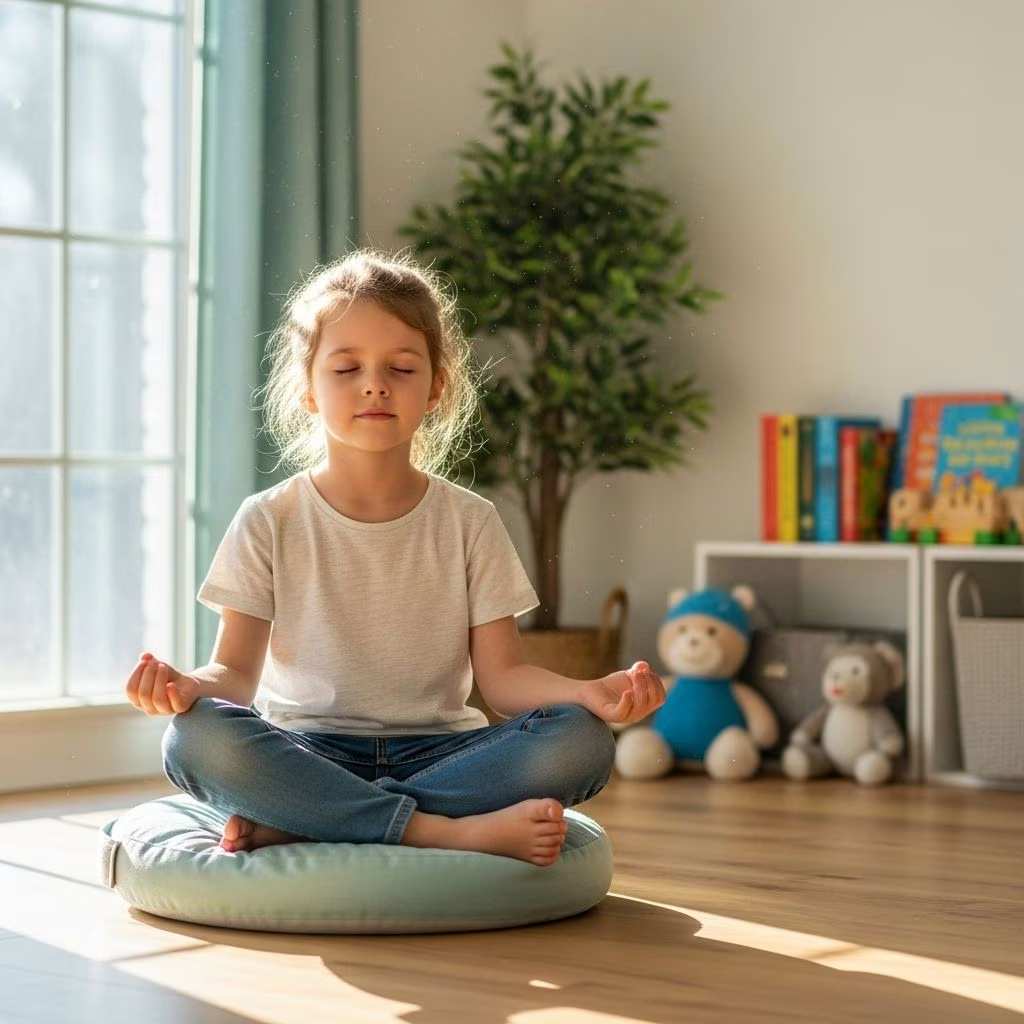
Teaching children meditation is a powerful way to help them develop emotional regulation, focus, and resilience. Many families and educators begin with guided meditation, which walks kids through calming visualizations and breathwork. But as children grow, they can benefit even more from cultivating their own silent mindfulness practice. This in-depth guide offers a structured approach to transitioning young meditators from guided to silent meditation, empowering them with lifelong skills for self-awareness and inner peace.
Why Meditation Matters for Kids
Children today face stressors ranging from busy routines and schoolwork to social pressures. Meditation offers proven benefits for emotional regulation, self-confidence, and stress reduction in children:
- Emotional regulation: Meditation teaches kids to recognize, process, and release uncomfortable emotions like frustration or sadness.
- Improved focus: Mindfulness practices enhance attention and concentration, supporting learning and academic success.
- Resilience building: Regular meditation helps kids respond to challenges with greater calm and confidence.
- Better sleep: Calming breathwork and mental relaxation support smoother bedtime routines and deeper sleep.
- Self-awareness: Mindfulness empowers children to understand themselves and navigate changes more skillfully.
Understanding Guided vs. Silent Meditation
| Guided Meditation | Silent Meditation |
|---|---|
|
|
Both types of meditation are valuable, and developmentally, children usually start with guided experiences before building the confidence to sit in silence.
Age-Appropriate Meditation Techniques
Toddlers and Preschoolers (Ages 2–5)
- Mindful exploration: Use imagination and playful techniques (e.g., “teddy bear breathing”).
- Sensory focus: Listen to nature sounds, look at colors, or feel a soft object’s texture.
- Duration: 1-2 minutes is plenty for this age group.
School-Age Children (Ages 6–12)
- Seated mindful breathing: Increase the duration to 3–7 minutes as attention grows.
- Simple visualizations: Guided stories about peaceful places, gentle rivers, or floating clouds support imagination and calm.
- Mindful movement or eating: Notice sensations during everyday activities.
Teens (Ages 13+)
- Longer meditations: Teens may enjoy practices of 10+ minutes, incorporating more mature techniques.
- Self-compassion and emotion-based mindfulness: Reflect on feelings, changes, and personal growth.
- Body scans, silent meditation, and gratitude practices: These foster independence and deeper self-reflection.
Benefits of Guided Meditation for Children
- Structure and safety: Guided meditations provide direction and reassurance, especially for young or anxious children.
- Engagement: Creative stories and playful imagery make meditation fun and appealing.
- Skill-building: Kids internalize techniques for breathing, focus, and relaxation.
- Emotional support: Guided affirmations help children develop positive self-talk and resilience.
- Routine foundation: Regular guided sessions create familiar patterns, supporting transitions like morning, after-school, or bedtime routines.
When and How to Introduce Silent Meditation
There is no single age or stage when children should shift from guided to silent meditation—it depends on their attention span, comfort level, and interest. Developmentally, most children are ready to try short periods of silence once they:
- Can follow a guided meditation without fidgeting or needing constant reminders
- Show curiosity about sitting quietly
- Express a desire for “grown-up” or independent practices
Begin by blending guided and silent periods in the same session. For example, use a guided meditation with a built-in moment of silence in the middle or end. Gradually extend these silent intervals as the child’s confidence grows.
Transition Strategies: From Guided to Silent Practice
Helping children navigate the shift from guided to silent meditation is a process that requires sensitivity, patience, and flexibility.
1. Normalize Silence as Part of Meditation
- Explain that silent meditation is simply practicing the same skills they’ve learned—like noticing their breath or observing thoughts—without anyone speaking.
- Use analogies kids understand (e.g., like reading quietly after being read to, or learning to ride a bike without training wheels).
2. Scaffold the Experience
- Start small: After a guided story, invite them to “sit and listen to the quiet” for 1–2 minutes.
- Guided-silent combo: Use a sequence like: lead-in (guided visualization), pause (silent observation), lead-out (guided closure).
- Use intervals: Set a gentle timer or use a visual cue (soft bell, sand timer) for silent segments.
3. Cultivate Mindful Curiosity
- Encourage children to observe sounds, body sensations, or the feeling of the breath moving in and out.
- Offer simple reflection questions afterward: “What did you notice in the silence?” “How did you feel?”
4. Model Silent Meditation
- Practice your own mindful silence with your child so they see that grown-ups also value peace and stillness.
- Reassure them that silent moments are safe and that feelings or thoughts that arise are okay.
5. Gradually Increase Duration and Independence
- Add an extra minute of silence each week as they get used to the practice.
- Invite them to choose a favorite spot or time for their silent meditation.
- Praise effort rather than perfection; some fidgeting or distraction is normal and expected.
Common Challenges and Solutions
| Challenge | Solution |
|---|---|
| Restlessness or boredom during silent time | Use shorter intervals; blend guided cues with silent moments; allow mindful movement or sensory objects during silence |
| Anxiety or resistance to being alone with thoughts | Validate feelings; debrief positively after each session; remind children that all thoughts and emotions are safe and temporary |
| Difficulty focusing or remembering techniques | Review breathing, counting, or visualization tools before beginning; create a visual chart of steps kids can glance at |
| Losing interest in meditation practice | Mix it up with themes, props, or outdoor sessions; let the child guide the content sometimes |
Role of Parents and Educators
- Model mindfulness: Children learn best by example. Practice mindful breathing and pausing in your own daily life.
- Offer choices: Let kids pick whether they want a guided story, music, or a few minutes of silence each session.
- Stay flexible: Every child is different. Honor their unique pace and preferences—avoid pressure or judgment.
- Celebrate progress: Praise effort and curiosity over perfection; share your own successes and challenges.
- Maintain a routine: Consistency and familiarity create a safe container for growth, but keep it playful.
Sample Transition Plan
Below is a sample four-week plan for gradually shifting from guided to silent meditation, adaptable to your child’s or students’ readiness:
| Week | Session Structure | Tips |
|---|---|---|
| 1 | 5 min guided story, 1 min silent observation, 1 min group discussion | Use familiar guided scripts; end with a single silent minute focused on breath or noticing sounds. |
| 2 | 4 min guided, 2 min silent, 2 min sharing | Invite kids to notice their experience during silence. Use a timer or bell to mark transition. |
| 3 | 2 min guided lead-in, 4 min silent, 2 min reflection | Let children sit where they feel comfortable; normalize fidgeting or wandering minds. |
| 4 | 6 min silent meditation, optional brief guided closing, celebration | Invite kids to lead part of the session. Celebrate their perseverance and self-awareness. |
Frequently Asked Questions (FAQs)
Q: What age can children start silent meditation?
A: Most children are ready to try very short silent periods (1-2 minutes) by ages 6-8, but the transition should be gradual and always child-led.
Q: What if my child finds silence uncomfortable or scary?
A: Validate their feelings. Offer choices and blend silence with gentle, reassuring guidance. Over time, most kids will become more comfortable as they see there is nothing to fear in quiet moments.
Q: How long should silent meditation last for kids?
A: Start with a few minutes and increase only as the child finds it enjoyable or wants more. For most children, 3-7 minutes is sufficient; teens may enjoy 10+ minutes if they wish.
Q: Are there risks to silent meditation for children?
A: Silent meditation is generally safe for healthy children, but it should never be forced. If a child shows signs of anxiety or distress, return to guided formats or stop the session for discussion and support.
Q: Can I use music during the transition?
A: Yes. Gentle music or nature sounds can make silent sitting more accessible and soothing for kids, gradually reducing the reliance on external cues.
Resources and References
- Guided meditation podcasts and videos: Look for kid-friendly content (e.g., Spotify, YouTube, and mindfulness app channels).
- Mindfulnessexercises.com and Mindful.org: Offer meditation scripts, tips on age-appropriate practices, and transition advice.
- Apps and Tools: Consider calm-down apps designed for families, timers, and visual props.
- Books: “Sitting Still Like a Frog” and similar titles for introducing mindful silence.
Transitioning from guided to silent meditation is a meaningful journey that nurtures independence, self-compassion, and lifelong skills for well-being. With patience, structure, and playfulness, parents and educators can help children discover the power and peace of their own inner quiet.
References
- https://creators.spotify.com/pod/profile/5-minute-meditation/episodes/Peaceful-Like-a-Panda–A-Guided-Meditation-for-Kids-e30le2v
- https://www.youtube.com/watch?v=Db0DZpfQf3Y
- https://www.mindful.org/a-guided-meditation-script-to-help-kids-explore-feelings-about-change/
- https://mindfulnessexercises.com/how-to-teach-meditation/how-to-teach-kids-to-meditate/
- https://mindfulnessexercises.com/meditation-scripts-for-kids/
- https://www.mindful.org/take-what-you-need-meditations-to-support-kids-teens-and-young-adults/
- https://www.headspace.com/articles/headspace-for-kids-meditations
- https://www.youtube.com/watch?v=EIRabf12InE
- https://open.spotify.com/show/6rpw82ylwryg3dLw9Iu91b


