


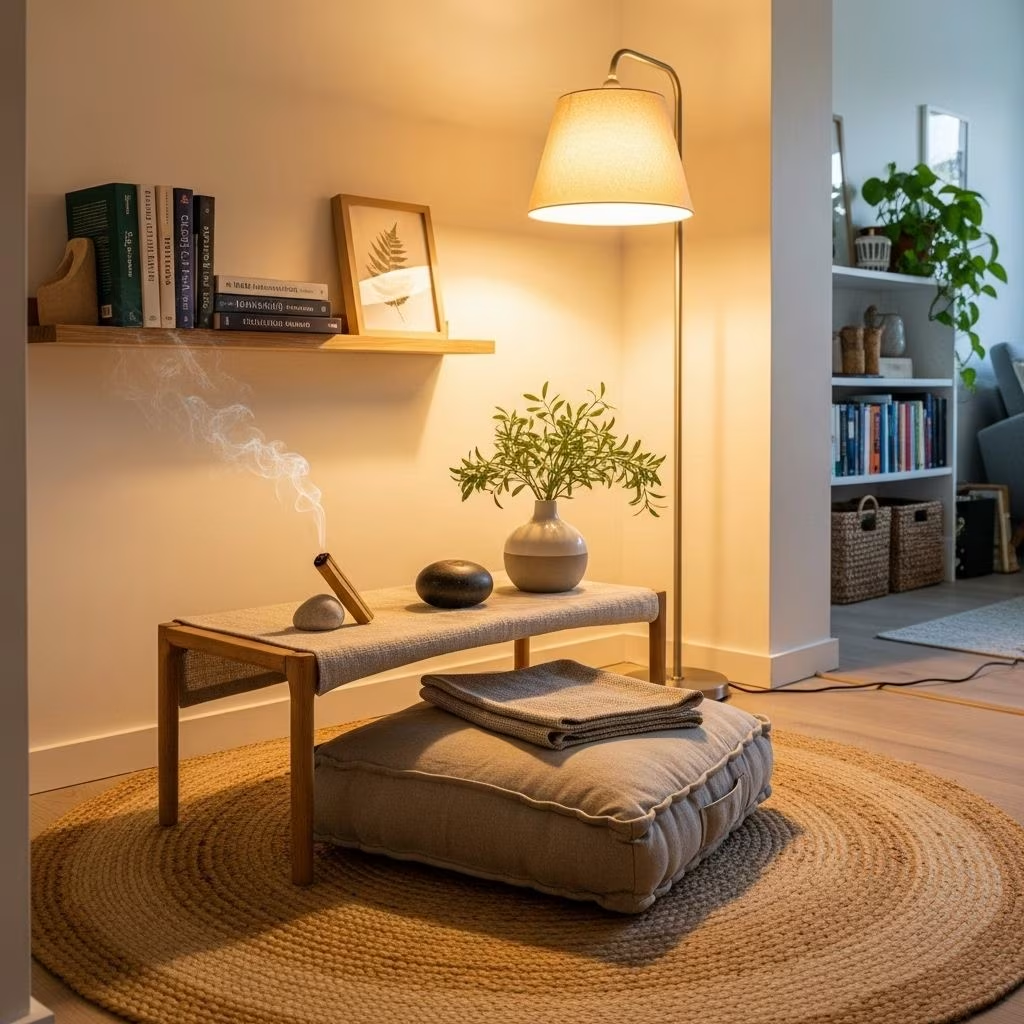
In the fast-paced rhythm of urban living, finding space to pause, reflect, and nurture well-being can feel like a luxury—especially when home is a small apartment. Yet, with mindful intent and creative design, any corner of your living space can transform into a tranquil retreat. This comprehensive guide will walk you through the essentials of creating a mindfulness corner in a small apartment, empowering you to bring peace, presence, and restorative energy into your daily life, regardless of square footage.
Why Create a Mindfulness Corner?
A mindfulness corner is a dedicated nook or area within your home intended to serve as a sanctuary for relaxation, reflection, and conscious living. Amid urban noise and stimulation, such a space offers a respite for mental clarity and emotional recharge. Psychological and environmental research demonstrates that intentional environments can reduce stress, improve mood, and support regular mindfulness practices. Even a tiny space, when thoughtfully arranged, provides daily moments of stillness that foster resilience, focus, and well-being.
- Combats overstimulation: Helps reset the mind amidst urban distractions.
- Supports regular mindfulness: Encourages daily practices that improve mental and emotional health.
- Enhances well-being: Research supports a link between restorative home environments and mood stabilization.
Selecting the Right Space
Small apartments often present unique challenges: limited square footage, multipurpose rooms, and minimal privacy. However, even within these constraints, mindful choices can help you create a restorative oasis.
- Corner of the living room: Use an unused nook, corner, or empty section of floor. Even the space between a sofa and window can suffice.
- Bedroom alcove: Bedrooms offer privacy and quiet—ideal for a mindfulness retreat.
- Closet or hallway: Repurpose parts of a walk-in closet or a quiet hallway niche with cushions or a small chair.
- Balcony or windowsill: Incorporate plants and natural light for added tranquility.
Tip: The focus should be on intentionality, not room size: any area can be transformed with clarity of purpose and a few key elements.
Foundational Principles: Minimalism & Intention
Minimalism lies at the core of effective mindfulness space design. Avoid clutter and distractions by limiting decor to essentials and opting for a visually calm palette. This approach not only maximizes your limited space but also supports the very practice of presence and focus.
- Declutter: Remove extraneous items to minimize sensory input.
- Intentional selection: Choose each element with purpose—every item should contribute to peace and reflection.
- Neutral palettes: Opt for whites, beiges, blues, sage greens, or pastels for a soothing effect.
Table: Minimalism Do’s and Don’ts
| Do | Don’t |
|---|---|
| Choose a few quality items | Fill the space with decorative clutter |
| Opt for calming colors | Use overwhelming or bold patterns |
| Emphasize natural textures | Rely on synthetic/plastic decor |
Essential Elements of a Mindfulness Corner
Regardless of your apartment’s size or style, several key features will turn your chosen area into a supportive mindfulness corner.
- Comfortable seating: A meditation cushion, pouf, bean bag, or cozy armchair.
- Soft textiles: Throw blankets, plush rugs, or floor mats for warmth and grounding.
- Calming lighting: Warm, dimmable lamps; string lights; or natural sunlight.
- Live greenery: Potted plants or a mini zen garden harness biophilic design and connect you to nature.
- Visual inspiration: Mindfulness posters, affirmation cards, or serene artworks.
- Scent: Incense, essential oil diffusers, or naturally scented candles with lavender, sandalwood, or eucalyptus.
- Sound: Small bluetooth speakers, chimes, or a water feature for soothing auditory cues.
Design Ideas for Small Apartments
Your mindfulness corner is an expression of your personality, lifestyle, and goals. Here are proven layout and theme ideas tailored for limited-space living:
- Simple Minimalist Nook: Just a yoga mat, meditation cushion, and a framed quote on the wall.
- Boho Meditation Corner: Layered rugs, textured pillows, macramé wall hangings, and plenty of greenery.
- Zen-Inspired Retreat: Low seating, bamboo mats, stones, and a tabletop zen garden to evoke classic Japanese aesthetics.
- Nature-Inspired Spot: Feature a cluster of small potted plants, stones, and natural wood decor for organic calmness.
- Color-Themed Sanctuary: Use color psychology—blues for tranquility, sage greens for calm, or soft pastels for gentle energy.
- Multi-Use Cozy Corner: Combine with reading or journaling for efficiency; use a movable screen for partitioning.
Sample Layout for a Tiny Mindfulness Corner
- Thin yoga mat or plush floor cushion (saves space and easy to move)
- Small side table for a candle, incense, or a journal
- Floor lamp with dimmer, or window with access to natural light
- Hanging wall art or poster (skip frames to save surface space)
- Portable bluetooth speaker for guided meditation or gentle music
Styling & Modern Mindfulness Corner Trends
Contemporary decor for mindfulness corners draws on eco-friendly materials, tactile comfort, and sensory design. Consider these trending ideas:
- Earthy tones & natural materials: Incorporate wood, bamboo, rattan, and woven baskets for grounding energy. These add warmth and connect you to the earth.
- Low-maintenance plants: Snake plants, pothos, or succulents require minimal care but purify air and add visual calmness.
- Sustainable textiles: Organic cotton throws or recycled-fiber cushions add tactile comfort and eco-conscious flair.
- Layering textures: Combine soft, plush textiles with cool, smooth stone or ceramic elements for balance.
- Ambient lighting: String fairy lights, Himalayan salt lamps, or lanterns for gentle, low-light ambiance.
- Personalization: Add journals, favorite books, or objects of meaning to make the space authentically yours.
Decor and Accessory Tips
The most effective mindfulness corners are visually simple yet sensorially rich. Here are actionable tips for accessorizing wisely when space is at a premium:
- Use wall space: Hang inspirational posters, calming mandalas, or shelves for tiny zen gardens and trinkets.
- Foldable or stackable furniture: Use items that are easy to rearrange for multi-use small apartments.
- Keep supplies nearby: Store incense, journals, or headphones in a basket or under-seat storage to reduce clutter.
- Introduce scent mindfully: Diffuse natural essential oils rather than spraying synthetic fragrances for deeper relaxation.
- Reflect nature: Use natural textures and colors to evoke serenity—jute rugs, bamboo trays, or stone bowls.
Mindful Practices for Your Corner
Your mindfulness corner’s impact depends as much on how you use it as how you design it. Here are favorite ways to integrate mindful rituals:
- Meditation: Sit comfortably with eyes closed, focusing on your breath or a guided practice.
- Journaling: Use your time in the corner to log thoughts, practice gratitude, or reflect on intentions for the day.
- Gentle stretching: Roll out your mat for a calming yoga flow or simple stretches upon waking or winding down.
- Reading & reflection: Reserve a few minutes for inspirational reading—literature on mindfulness, poetry, or philosophy.
- Mindful listening: Experience soothing sounds, nature recordings, or soft music to calm the mind.
- Breathwork or aromatherapy: Use scent, such as lavender oil or incense, combined with conscious breathing for deep relaxation.
Frequently Asked Questions (FAQs)
Q: How much space do I need to create a mindfulness corner?
A: Even the smallest area—a meter squared—is enough. The key is intentional arrangement and minimizing clutter.
Q: What if my apartment is extremely noisy or lacks privacy?
A: Headphones, white noise machines, or soft music can buffer noise. Use room dividers or tall plants for added privacy. Meditating during quieter hours can also help.
Q: Can I combine my mindfulness corner with other functions, like reading or journaling?
A: Absolutely. Multi-use corners are common—just keep items organized to maintain an uncluttered, serene feel.
Q: What are the best colors for promoting calm in my corner?
A: Soft neutrals, whites, blues, greens, lavenders, and gentle pastels are universally calming choices.
Q: What is the easiest way to bring nature into my mindfulness corner?
A: Place a resilient indoor plant, a small bowl with stones, or a mini-zen garden. Even nature imagery and natural textures evoke the same restorative effects.
Conclusion
Creating a mindfulness corner in a small apartment is less about square footage and more about mindful intention, design simplicity, and sensory nourishment. Through minimalist decor, calming colors, natural accents, and thoughtful routines, you can transform even the tiniest space into a sanctuary for rejuvenation and self-care—no matter how busy life becomes. Start small, choose elements that inspire you, and savor the moments of stillness you carve out for yourself in the heart of your home.


