


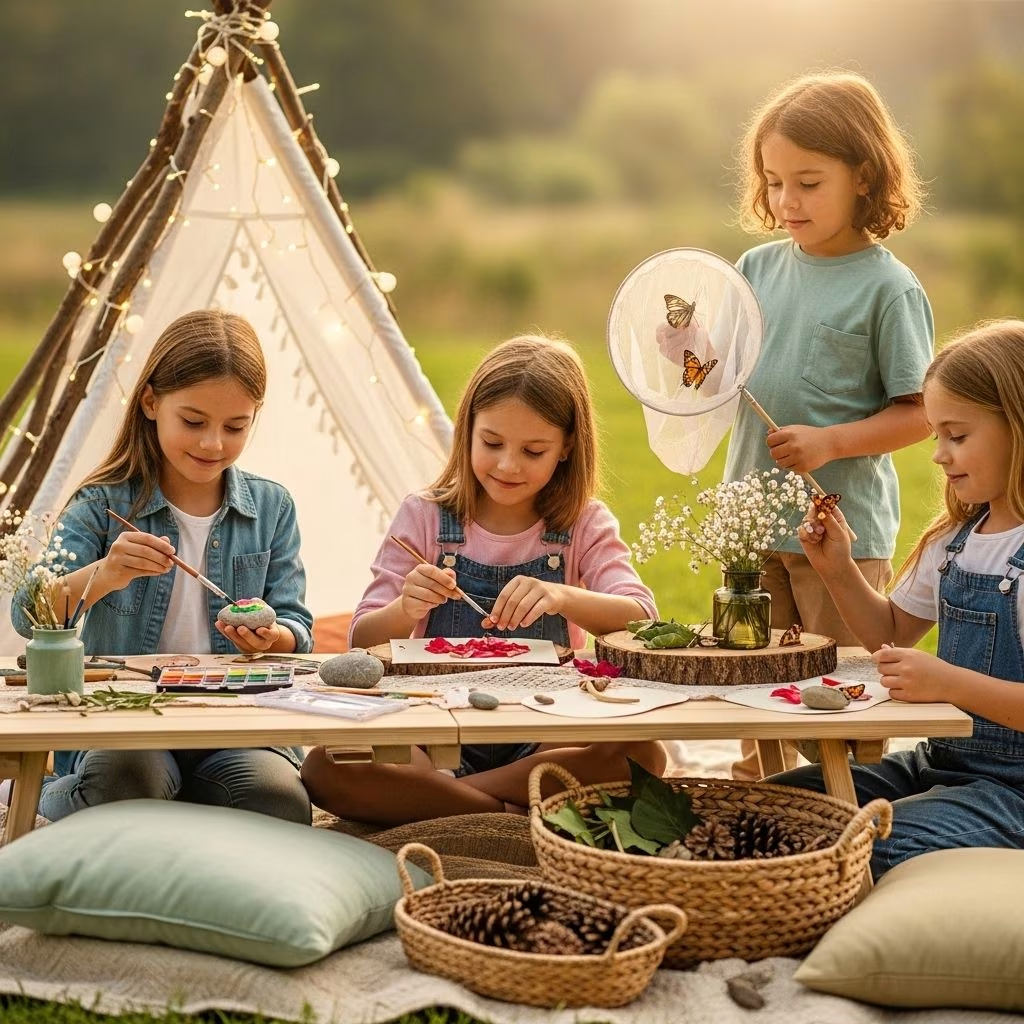
Planning a children’s birthday party can feel overwhelming, but it doesn’t have to be. A mindful approach to party planning creates a celebration that’s enjoyable for everyone involved, including you as the host, the birthday child, and all the guests. By focusing on intentional choices, sensory-friendly environments, and sustainable practices, you can create a memorable event without the typical stress and chaos that often accompanies kids’ parties.
The concept of a mindful birthday party centers on being present, making conscious decisions about activities and decorations, and creating an inclusive environment where all children can participate comfortably. This approach reduces overwhelm for both kids and parents while fostering genuine connection and joy during the celebration.
Understanding Mindful Party Planning
Mindful party planning begins with shifting your perspective from elaborate, Pinterest-perfect events to celebrations that prioritize well-being and authentic experiences. This means considering the sensory needs of all guests, choosing quality over quantity in activities and decorations, and creating spaces where children can regulate their energy levels naturally.
A mindful celebration acknowledges that not all children process sensory input the same way. Some kids thrive in high-energy environments, while others may become overwhelmed by loud noises, bright lights, or crowded spaces. By incorporating thoughtful elements into your party design, you accommodate diverse needs while maintaining a festive atmosphere.
Planning Ahead for Success
Setting Clear Expectations
Communication is essential for a stress-free party. Providing information ahead of time helps both children and parents prepare mentally for the event. Creating detailed invitations that include a miniature schedule of activities allows children with sensory sensitivities to know what to expect and prepare themselves accordingly. Parents can also inform you of any particular sensory considerations you should be aware of, enabling you to make necessary accommodations.
Consider including information about the party duration, planned activities, food that will be served, and whether the event will be drop-off or parent-attended. This transparency reduces anxiety for everyone involved and allows families to make informed decisions about participation.
Choosing the Right Venue and Time
The location and timing of your party significantly impact the stress level of the event. Home parties offer familiarity and control over the environment, but they require more setup and cleanup. Alternative venues like yoga studios, parks, or community centers can provide structured activities and eliminate home mess concerns.
Timing matters tremendously for young children. Avoid scheduling parties during typical nap times or late in the evening when kids are more likely to be tired and dysregulated. Mid-morning or early afternoon slots often work best for maintaining positive energy without exhaustion.
Creating Sensory-Friendly Environments
Designing Activity Zones
One of the most effective strategies for a mindful party is creating distinct zones for different activities. This spatial organization helps children avoid getting overwhelmed by allowing them to move between activities based on their needs and interests. If you’re incorporating music or dancing, position these higher-energy activities in an area slightly separated from quieter pursuits.
Equally important is establishing a designated quiet or chill-out space with pillows, books, and simple crafts. Let all children know from the beginning that they’re welcome to take a break in this area whenever they need one, no questions asked. This proactive approach normalizes self-regulation and gives kids permission to manage their own sensory needs.
Managing Sound and Visual Stimulation
Loud or unpredictable party favors like noisemakers and party poppers can trigger anxiety in sensitive children. Similarly, excessive balloons may create fear around unexpected popping sounds. While you don’t need to eliminate these elements entirely, using them sparingly and predictably helps maintain a calmer atmosphere.
Consider the overall noise level throughout the party. Background music should be pleasant but not overwhelming. When it’s time for the birthday song, make participation optional. Some children find the sound of group singing physically uncomfortable, and that doesn’t diminish their excitement for the celebration. Offer clear alternatives by saying something like, “Do you want to come to the table to sing, or would you like to tell the birthday child happy birthday a different way?”
Selecting Mindful Activities
Movement-Based Activities
Physical activities provide excellent outlets for children’s energy while promoting mindfulness through body awareness. Yoga-themed parties have become increasingly popular, combining movement, games, and mindfulness activities customized to children’s interests. These sessions might include animal-themed yoga poses, balance challenges, and calming breathing exercises.
Bounce houses, trampolines, and obstacle courses allow for energetic movement, but it’s crucial to limit the number of kids participating simultaneously to prevent overstimulation. Using a timer to structure turns adds predictability and helps children handle excitement more easily. Allow kids to return for additional turns as they like while maintaining consistent structure.
Water and Sensory Play
Water activities ranging from splash pads to water tables provide engaging sensory experiences that many children find naturally calming and regulating. These activities can be adapted to match your party theme, such as creating island scenes with pirate ships in a water table or setting up firefighter hoses at a splash pad.
Sensory activities like fingerpainting offer creative expression with tactile engagement. Set up these messier activities in appropriate spaces like garages or outdoor areas, using large sheets with themed outlines that children can fill in with handprints and paint splatters. The physical nature of these activities helps children stay grounded and present.
Collaborative Games
Shifting from competitive to collaborative activities reduces stress and promotes inclusion. Scavenger hunts with clues work beautifully when designed as team efforts. Establish clear structures for how children will work together, such as determining the order for reading clues and answering questions, with built-in opportunities to ask friends for help.
Craft activities provide calming, focused engagement. Display a completed model of the craft and organize individual sets of materials for each child. Emphasize that kids can either follow the model or create their own unique designs, supporting both structure-seeking and creative children.
Quiet Entertainment Options
Movies or short films without excessive drama offer peaceful alternatives to high-energy activities. Using creative individual seating enhances the experience for children with sensory needs. Transform boxes into pretend cars for a drive-in movie theme, or provide towels for an imaginary beach setup. These defined spaces help sensory-seeking children maintain appropriate boundaries while watching.
Small fidget items complement seated activities, allowing children to satisfy their need for movement without disrupting the group. This simple accommodation supports diverse regulation needs simultaneously.
Sustainable and Simple Decoration Choices
Quality Over Quantity
Mindful decorating focuses on a few impactful elements rather than overwhelming displays. A birthday banner, thoughtfully chosen balloons, and themed tableware create festive atmosphere without visual overload or excessive waste. This simplified approach also significantly reduces your preparation stress and post-party cleanup burden.
Choosing neutral or nature-based themes provides flexibility and reduces waste associated with character-specific decorations that have limited reuse potential. Natural elements like flowers, branches, and simple fabric bunting create beautiful, calming environments that photograph well while remaining budget-friendly.
Involving Children in Creation
Transform decoration preparation into a mindful activity by involving your child in creating handmade elements. This process builds anticipation while teaching creativity and resourcefulness. Children can help make paper chains, paint signs, or assemble centerpieces using recyclable materials.
Handmade decorations add personal meaning to the celebration and become keepsakes that hold more value than mass-produced items. This approach also models sustainable practices and creative problem-solving for your child.
Mindful Food and Eating Practices
Serving Strategies
Offering finger foods in variety allows children to enjoy what appeals to them while easily avoiding foods they don’t prefer. This approach accommodates picky eaters and various dietary restrictions without requiring children to explain their choices or feel excluded.
Consider allergen-friendly options and clearly label foods to help parents make informed decisions. Simple, recognizable foods often work better than elaborate creations that might intimidate hesitant eaters.
Package-Free and Homemade Options
Choosing package-free cakes from local bakeries or making treats at home reduces waste while often providing higher-quality, more delicious options. Homemade cakes allow you to control ingredients, accommodating dietary needs while creating something truly special.
Serving treats on reusable or compostable plates eliminates the guilt of single-use plastics while teaching children about environmental responsibility. Many companies now offer attractive, sturdy compostable partyware that doesn’t compromise aesthetics.
Rethinking Party Favors and Gifts
Experience-Based Gifts
Shifting from material gifts to experiences reduces clutter while creating lasting memories. Consider asking guests to contribute to an experience fund for activities like zoo visits, museum memberships, or special classes rather than bringing individual wrapped presents.
This approach teaches children that happiness comes from experiences and relationships rather than accumulating possessions. It also eliminates the overstimulating present-opening frenzy that can overwhelm birthday children.
Meaningful Party Favors
If you choose to provide party favors, select items with lasting value rather than disposable trinkets. Options like decorated yoga mats, handmade glitter meditation jars, or mala bead jewelry crafts serve as both party activities and take-home items with ongoing use. These meaningful favors support mindfulness practices beyond the party itself.
Alternatively, consider edible favors like homemade cookies or seed packets that guests can plant at home. These choices reduce plastic waste while providing genuine value.
Managing Party Day Stress
Preparation Timeline
Create a realistic timeline that spreads preparation tasks across several days or weeks rather than cramming everything into the day before. This pacing prevents last-minute panic and allows you to actually enjoy the celebration rather than feeling exhausted.
Delegate tasks when possible. Enlist your partner, older children, or willing family members to handle specific responsibilities. Remember that perfection isn’t the goal; connection and joy are what matter.
Building in Buffer Time
Schedule extra time between activities and build flexibility into your timeline. When activities run long or children need more transition time, this buffer prevents the rushed, frantic feeling that creates stress for everyone.
Arrive at your venue early or complete home setup well before guests arrive. This cushion allows you to troubleshoot unexpected issues calmly and greet guests with genuine warmth rather than distracted busyness.
Embracing Imperfection
Release attachment to how things “should” look or unfold. Children rarely notice or care about the details adults fixate on. They remember feeling included, having fun with friends, and celebrating together. When something doesn’t go according to plan, model flexibility and good humor for the children watching.
Post-Party Practices
Simplified Cleanup
Using reusable or compostable items dramatically reduces post-party cleanup. Designate specific receptacles for compostables, recyclables, and trash during the party to streamline the process.
Don’t feel pressured to complete all cleanup immediately. Address food and safety concerns promptly, but decorations and deeper cleaning can wait until the next day when you’re rested.
Reflection and Gratitude
Take time with your child to reflect on the celebration. Discuss favorite moments, express gratitude for friends who attended, and acknowledge the effort that created the special day. This mindful conclusion reinforces the meaningful aspects of the celebration beyond material elements.
Consider creating a simple tradition like writing thank-you notes together or looking through photos while sharing memories. These practices extend the joy of the celebration while teaching appreciation.
Frequently Asked Questions
Q: How long should a mindful kids birthday party last?
A: Ninety minutes to two hours is typically ideal for young children. This duration provides enough time for multiple activities without causing exhaustion or overstimulation. Shorter parties often work better than longer ones, as they maintain energy and excitement while preventing meltdowns.
Q: How many activities should I plan for a stress-free party?
A: Plan three to five distinct activities plus free play time. Having slightly more options than you think you’ll need provides flexibility if something finishes quickly, but avoid over-scheduling. Include a mix of active and calming activities so children can naturally regulate their energy levels.
Q: What’s the ideal guest list size for a mindful celebration?
A: Smaller guest lists typically create calmer, more manageable parties. A common guideline is inviting the number of guests equal to your child’s age plus one, though this can be adjusted based on your comfort level and space. Ten to twelve children maximum often allows for meaningful interaction without chaos.
Q: How do I handle children who become overwhelmed during the party?
A: Having a designated quiet space is essential. When you notice a child struggling, calmly offer them the option to take a break in the quiet area. Normalize this by mentioning it to all children at the party’s beginning, so using the space doesn’t feel like punishment or exclusion.
Q: Are mindful parties more expensive than traditional celebrations?
A: Mindful parties often cost less because they emphasize quality over quantity. Simplified decorations, homemade food, experience-based gifts, and meaningful favors typically reduce expenses compared to elaborate traditional parties. The investment shifts from material items to thoughtful planning and presence.
Q: Can I incorporate a theme into a mindful party?
A: Absolutely. Themes add excitement and cohesion when implemented mindfully. Choose themes based on your child’s genuine interests and incorporate them through activities and simple decorations rather than overwhelming purchased items. Nature themes, favorite animals, or activity-based themes like art or science work particularly well.
Q: How do I communicate the mindful approach to other parents?
A: Be clear in your invitations about the party format, including information about sensory-friendly elements, activity schedules, and any requests like experience gifts instead of toys. Most parents appreciate transparency and thoughtfulness, especially those whose children have sensory sensitivities or other needs.
Hosting a mindful, stress-free kids birthday party transforms celebration from a source of anxiety into an opportunity for genuine connection and joy. By focusing on inclusive environments, meaningful activities, sustainable choices, and realistic expectations, you create memorable experiences that honor your child while maintaining your own well-being. The key lies in intentional planning, flexibility, and remembering that the best parties are those where everyone, including you, can be fully present and enjoy the celebration.
References
- https://www.allyyoga.com/birthday-parties
- https://childmind.org/article/sensory-friendly-party-ideas/
- https://simplepurposefulliving.com/kids-party-planning-tips/
- https://www.globalmindfuljourney.com/blog/10-ways-to-celebrate-a-low-waste-kids-party
- https://www.livebrightgreen.com/blog/eco-friendly-kids-party
- https://simplylivingwell.com/blog-children/simple-low-waste-birthday-parties


