


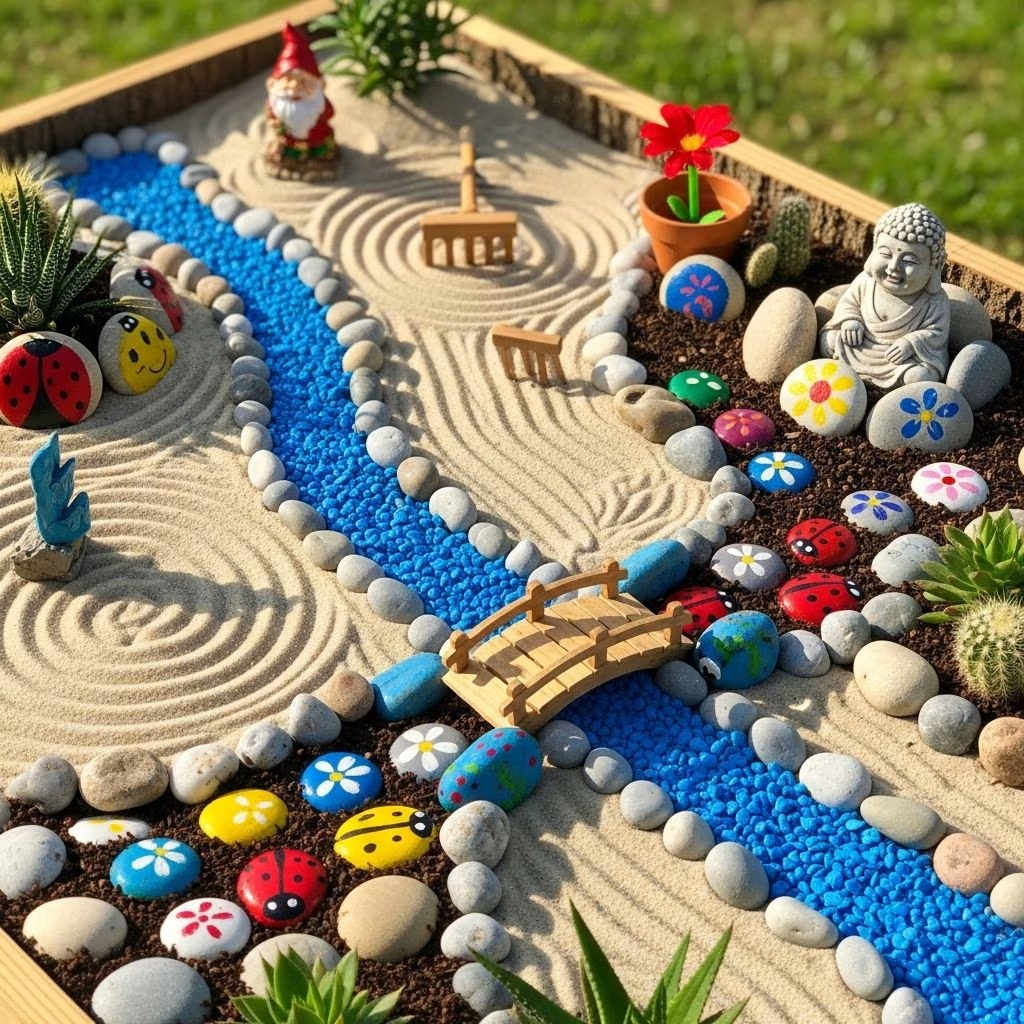
Mindfulness is now widely recognized as essential for children’s emotional development, stress management, and creative exploration. One timeless method to nurture mindfulness at a young age is through the gentle simplicity of a Zen garden. Adapting these tranquil spaces for children unlocks interactive ways to promote focus, calm, self-regulation, and sensory engagement. This article offers practical guidance, explores core benefits, and shares creative ideas for helping children build and use their own Zen garden as a mindfulness tool.
Introduction: Zen Gardens & Childhood Mindfulness
Zen gardens, rooted in the ancient traditions of Japanese rock gardens, are designed to evoke peace, intentionality, and contemplation. While traditionally used for meditation, modern adaptations have proven beneficial for children by providing an interactive space to develop mindfulness, patience, and creativity . The child-friendly Zen garden transforms abstract concepts like calm and focus into tangible experiences accessible to even young children.
Benefits of Zen Gardens for Children
Engaging with a Zen garden yields numerous advantages for children, not just in terms of tranquility but also cognitive and emotional growth. Key benefits include:
- Stress Relief: Raking sand, arranging stones, and quiet play naturally ease anxiety and emotional tension .
- Enhanced Focus: The repetitive, slow movements foster concentration as children attend closely to patterns and arrangements .
- Patience & Self-Regulation: Creating or adjusting intricate designs encourages patience, self-control, and persistence .
- Sensory Exploration: Touching different textures—sand, rocks, moss—stimulates sensory development and awareness .
- Creativity & Problem Solving: Each session offers opportunities for artistic expression and experimental thinking .
- Emotional Literacy: Mindful play helps children become more aware of their feelings and supports emotional regulation practices .
Origins and Meaning of Zen Gardens
Zen gardens originated in Japan centuries ago as spiritual sanctuaries, where monks used deliberate raked patterns in sand and stones to reflect natural elements such as rivers, mountains, and islands. The intent was to model the principles of harmony, simplicity, and impermanence . Today, smaller, desktop-style Zen gardens echo these intentions, serving as peaceful reminders to pause and appreciate the present moment .
Core Elements of a Child-Friendly Zen Garden
When adapting a Zen garden for children, prioritize safety, ease of use, and opportunities for sensory enrichment. The following components are essential for an effective child-friendly design:
- A Shallow Tray or Box: Provides boundaries for sand and keeps the activity tidy .
- Fine Sand: Soft, easy to manipulate, and available in various colors for added visual interest .
- Mini Rakes or Forks: Child-sized rakes, forks, or even twigs serve as tools for creating patterns .
- Rocks and Pebbles: Various sizes and shapes allow for creative arrangements and mimic landscapes .
- Moss, Plants, or Natural Objects: Adds texture and visual complexity, while connecting children with nature .
Optional additions include shells, figurines, colored glass pieces, or other safe items that spark creativity and engagement.
How to Create a DIY Mindful Zen Garden for Kids
Building a simple Zen garden tailored for children is an enjoyable and accessible project. The following step-by-step guide offers practical advice for creating a personalized mindfulness tool :
- Select Your Container: Choose a tray, box top, or shallow bin with raised edges to contain the sand.
- Add Sand: Pour a layer of fine sand into the container, aiming for about 1-2 inches depth. Colored sand can add fun and encourage ownership.
- Prepare Tools: Provide mini rakes, forks, or blunt-tipped sticks. Craft stores often sell child-safe wooden rakes or you can make your own.
- Include Creative Objects: Collect pebbles, rocks, moss, shells, or small figures. Ensure all items are safe and non-toxic.
- Arrange the Elements: Invite the child to arrange rocks, press moss, or place decorative items in the sand as desired.
- Practice Pattern Making: Show how to create gentle swirling patterns, straight lines, or abstract shapes in the sand using their tools.
- Encourage Mindful Use: Explain that the garden is a place for slow, intentional movement, creative expression, and relaxation.
This hands-on process allows children to personalize their garden, experiment with textures, and develop a sense of pride and tranquility.
Using the Zen Garden for Mindful Practice
Regular engagement with the Zen garden can deepen a child’s experience of mindfulness and self-awareness. Suggested mindful activities include:
- Quiet Pattern Making: As children rake sand, prompt them to focus on the feel and motion, noticing small changes or sensations.
- Breathe & Move: Pair raking or arranging garden elements with slow, deep breathing. Encourage noticing the breath’s rhythm alongside their hand movements .
- Express Feelings: Invite children to represent emotions using rocks, patterns, or arrangements in the sand—sadness as wavy lines, joy as sun patterns, and so forth.
- Gratitude Practice: After each session, ask children to share one thing they felt grateful for while creating in their garden.
Maintaining an open-ended approach helps the child tune into their internal states, fostering greater emotional intelligence and self-acceptance .
Creative Customization Ideas
Children thrive when given freedom to experiment and personalize their learning materials. Creative adaptations to the Zen garden can include:
- Colorful Sand Patterns: Layer colored sands or mix with glitter for visual stimulation and pattern play .
- Story Gardens: Encourage children to create scenes inspired by stories or characters—deserts, fairy gardens, underwater worlds.
- Themed Gardens: Rotate garden materials and designs based on seasons, holidays, or topics children are learning about in school.
- Collaborative Gardens: Use large trays for group sessions, allowing siblings or peers to build and experiment together, fostering cooperation .
Let children take ownership in naming and decorating their gardens, further enhancing engagement and emotional connection.
Integrating Zen Gardens at Home & in Classrooms
Zen gardens can be seamlessly incorporated into daily home routines, therapy practices, or classroom settings. Consider these approaches:
- Peace Table at Home: Designate a “quiet corner” or peace table with the Zen garden as a resource for children to decompress when feeling overwhelmed .
- Mindfulness Breaks: Use the Zen garden during transitions, after stressful events, or before bedtime to calm nerves and reset focus .
- Classroom Calm Corners: Teachers can set up mini Zen gardens for students as a go-to mindfulness activity to self-soothe and recalibrate attention .
- Therapeutic Use: Counselors and therapists may utilize smaller Zen gardens in one-on-one or group sessions to facilitate emotional expression and relaxation .
Accessibility and consistency are key: ensure the garden is easy to reach and that children know they can use it whenever needed.
Comparison Table: Adult Zen Garden vs. Child Zen Garden
| Feature | Traditional Adult Zen Garden | Child-Friendly Zen Garden |
|---|---|---|
| Size | Large, outdoor / desktop | Small, desktop or tray |
| Materials | Sand, rocks, plants, bonsai | Sand (colored), rocks, sticks, moss, figurines |
| Purpose | Meditation, aesthetic contemplation | Mindfulness, sensory play, creative expression |
| Guidance | Self-directed, minimal cues | Guided activities, prompts, playful learning |
| Safety Considerations | None specific | Non-toxic materials, supervision for small parts |
Potential Challenges & Solutions
- Mess Management: Sand can spill; use trays with high sides and consider a mat underneath during play.
- Small Parts Risk: Monitor younger children to prevent choking hazards.
- Loss of Interest: Refresh the garden with new items or themes periodically to maintain engagement.
- Over-Stimulation: For sensory-sensitive children, minimize colors/items or opt for calming neutral shades and simple designs.
Frequently Asked Questions (FAQs)
Q: Is a Zen garden safe for toddlers?
With close supervision and larger-sized components, Zen gardens can be safely adapted for toddlers. Avoid small stones or items and always monitor use.
Q: How often should a child use their Zen garden?
Children can benefit from even a few minutes per session, daily or as needed. Consistency helps anchor mindful habits but flexibility is key.
Q: What mindfulness techniques pair well with the Zen garden?
Simple breathwork, guided visualization, or gratitude sharing can be integrated with sand raking and object arrangement for deeper calm.
Q: Does a Zen garden help children fall asleep?
Yes, using the Zen garden as part of a calming bedtime ritual may help children unwind and release busy thoughts before sleep .
Q: Can Zen gardens be used in therapy or counseling?
Absolutely. Therapists and counselors use Zen gardens in sessions to help children express emotions, build coping strategies, and regulate stress .
Conclusion
Adapting a Zen garden for children’s mindfulness is a rewarding and versatile practice that cultivates emotional resilience, focus, and creativity. Through hands-on sensory play and gentle guidance, children learn foundational skills for lifelong self-regulation. Whether at home, in the classroom, or in therapy sessions, a child-friendly Zen garden offers a peaceful, engaging tool to nurture holistic growth. Consider making Zen gardening a family tradition—for well-being that lasts well beyond childhood.
References
- https://simplycaralyn.com/blogs/posts/diy-mindful-zen-garden-craft-for-kids-fun-activity
- https://kumarahyoga.com/diy-mindful-zen-garden-craft-for-kids/
- https://www.guidepostmontessori.com/blog/mindfulness-for-kids-the-zen-garden
- https://www.mybaba.com/zen-garden-for-children/
- https://creativestarlearning.co.uk/rme-outdoors/zen-gardens-a-reflection/
- https://nwdistrict.ifas.ufl.edu/4hn/2019/07/26/teaching-mindfulness-to-children/
- https://www.counselorkeri.com/2021/02/09/calm-corner-activity/


