


Why Summer Structure Matters
Summer break is a time for relaxation, adventure, and family bonding. Yet, the sudden lack of school routine can be surprisingly stressful for children—and for parents. Consistency and predictability are crucial for child development, helping kids feel secure, reducing anxiety, and even supporting the development of responsibility and self-control. When the familiar structure of the school year disappears, children may become restless, irritable, or struggle with transitions between activities.
Research shows that structured routines not only help children manage stress but also foster autonomy, teach time management, and support smoother transitions back to school in the fall. A well-balanced summer schedule offers the right mix of fun, learning, and responsibility, ensuring that kids return to the classroom ready to learn and grow.
Elements of a Great Summer Schedule
A successful summer schedule for kids isn’t about micromanaging every minute—it’s about creating a flexible framework that balances structure with spontaneity. Here are the key elements to consider:
- Morning and Bedtime Routines: Maintaining consistent wake and sleep times helps children feel secure and rested. Even if bedtime is a bit later than during the school year, keeping the steps familiar—bath, story, brush teeth—matters most.
- Daily Chores and Responsibilities: Age-appropriate chores teach independence and responsibility. Tasks like making the bed, feeding pets, or tidying up reinforce structure and help kids contribute to the household.
- Meal Times: Regular mealtimes provide natural breaks in the day, helping children transition between activities and promoting healthy eating habits.
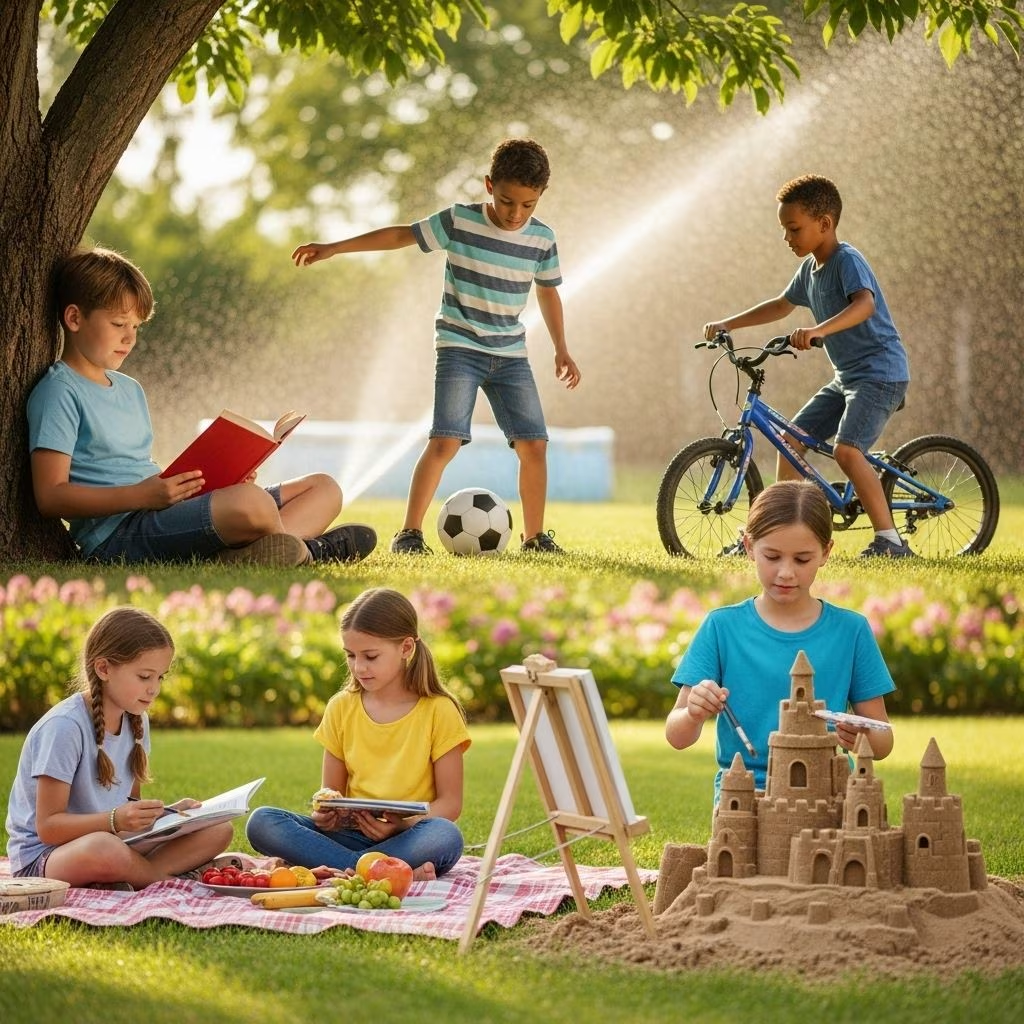
- Educational and Creative Activities: Summer learning doesn’t have to be formal. Include educational games, reading, science experiments, or creative projects to keep young minds engaged.
- Outdoor Play and Physical Activity: Daily time outside, whether at a park, pool, or backyard, supports physical health, mood, and energy levels.
- Quiet Time and Independent Play: Allowing kids to entertain themselves encourages creativity and problem-solving. It’s also a chance for parents to recharge.
- Free Time and Spontaneity: Build in open blocks for unstructured play, family outings, or last-minute adventures. Flexibility is key to a stress-free summer.
- Fun Events and “Bucket List” Activities: Plan special outings, day trips, or larger adventures to create lasting memories.
Building Your Summer Schedule Step by Step
Creating a summer schedule doesn’t have to be overwhelming. Here’s a simple, effective approach:
1. Start with a Family Meeting
Involve your children in the planning process. Ask them what they’d like to do over the summer—both at home and out and about. This gives them a sense of ownership and increases their excitement for the plan.
2. Make Two Lists
- At-Home Activities: Include crafts, reading, board games, baking, and backyard play.
- Out-and-About Excursions: Think parks, museums, libraries, swimming, and playdates.
3. Create a Weekly Framework
Use a large calendar or planner. Mark any fixed commitments—like camps, classes, or appointments. Then, block out daily routines, such as wake-up, meals, chores, and bedtime. Fill the remaining blocks with activities from your lists, balancing structured time with free play.
4. Make It Visual and Accessible
Use pictures, icons, or color codes for younger kids. For older children, a written or digital schedule works well. Display the schedule in a common area so everyone can see and refer to it.
5. Stay Flexible
Allow room for spontaneous fun and relaxation. If a day goes off-plan, adjust the schedule instead of stressing over it. The goal is balance, not perfection.
Incorporating Fun and Learning
Summer is an opportunity for kids to explore new interests, develop skills, and have adventures. Here’s how to weave fun and learning into your schedule:
Educational Games and Activities
Turn learning into play with puzzles, science kits, scavenger hunts, and coding games. Many libraries offer summer reading programs that encourage kids to discover new books and earn rewards.
Creative Pursuits
Encourage drawing, painting, building, storytelling, or music. Set up a “creation station” with art supplies for open-ended exploration.
Outdoor Adventures
Plan trips to local parks, nature trails, or beaches. Gardening, bike rides, and sports are great ways to learn about nature and stay active.
Cultural Experiences
Visit museums, zoos, historical sites, or attend community events. These outings broaden horizons and create lasting family memories.
| Activity Type | Examples | Benefits |
|---|---|---|
| Educational | Science experiments, reading, math games | Supports learning, curiosity, academic skills |
| Creative | Art, music, drama, building projects | Boosts creativity, self-expression |
| Physical | Sports, swimming, hiking, biking | Promotes fitness, energy release, outdoor time |
| Social | Playdates, camps, community events | Builds friendships, social skills |
| Relaxation | Quiet reading, puzzles, free play | Reduces stress, encourages independence |
Managing Screen Time and Free Time
While technology is a part of modern life, it’s important to set healthy boundaries. Here’s how to balance screen time with other activities:
- Set Clear Limits: Establish rules about when and how long screens can be used each day. Consider screen-free meals and designated “digital detox” times.
- Encourage Alternatives: Provide enticing alternatives—board games, outdoor play, books, or crafts—so screens aren’t the default activity.
- Model Healthy Habits: Show kids how you manage your own screen time, and engage in screen-free activities together.
Visual Schedules and Kid Involvement
Visual schedules are especially helpful for younger children, children with special needs, or those who thrive on predictability. Use pictures, icons, or color-coding to represent activities, and display the schedule where everyone can see it.
Involving kids in creating the schedule increases their buy-in and motivation. Let them choose activities, decorate the calendar, or move stickers to mark completed tasks. This builds a sense of control and accomplishment.
Tailoring Schedules to Different Ages
Children’s needs and abilities vary by age. Here’s how to adapt your summer schedule:
Preschoolers
- Focus on simple routines: wake up, dress, breakfast, play, nap, outdoor time, bedtime.
- Use picture schedules and lots of free play.
- Include short, fun learning activities like story time or simple crafts.
School-Age Children
- Involve them in planning and decision-making.
- Add more structured activities, chores, and independent projects.
- Encourage reading, writing, and hands-on science or art projects.
Tweens and Teens
- Give them more autonomy over their time.
- Encourage volunteer work, part-time jobs, or pursuing hobbies.
- Balance independence with family time and responsibilities.
Handling Transitions Back to School
A structured summer routine makes the return to school smoother. About two weeks before school starts, gradually adjust bedtimes and wake-up times to match the school schedule. Review morning and evening routines, and involve kids in preparing for the new school year—shopping for supplies, organizing backpacks, and talking about what to expect.
Frequently Asked Questions
Q: How much structure do kids really need in the summer?
A: Kids benefit from a balance—enough structure to provide security and routine, but enough flexibility for spontaneity and relaxation. The exact amount depends on your child’s temperament and your family’s needs.
Q: Should I schedule every hour of the day?
A: No. Over-scheduling can lead to stress and burnout. Focus on a few anchor points (wake-up, meals, bedtime) and fill the rest with a mix of planned activities and free time.
Q: What if my child resists the schedule?
A: Involve them in creating the schedule and allow some choice in activities. If resistance continues, adjust the plan—perhaps your child needs more unstructured time or a different mix of activities.
Q: How can I manage screen time during the summer?
A: Set clear, consistent limits and provide engaging alternatives. Encourage outdoor play, reading, and creative projects. Model healthy screen habits yourself.
Q: How do I handle days when things don’t go as planned?
A: Flexibility is key. Adjust the schedule as needed, and focus on enjoying time together rather than strict adherence to the plan.
Quick Tips for Success
- Keep routines consistent but flexible.
- Involve kids in planning and decision-making.
- Use visual schedules for younger children.
- Balance structured activities with free play and relaxation.
- Include both fun outings and quieter at-home activities.
- Set healthy boundaries for screen time.
- Adjust the schedule as needed—perfection isn’t the goal.
Summer is a season of possibility. By blending structure, learning, and fun, you can create a summer schedule that supports your child’s growth, strengthens family bonds, and makes memories to last a lifetime.
References
- https://themomhour.com/summer-schedule/
- https://cornerstoneautismcenter.com/10-strategies-for-keeping-structure-during-summer-simple-routines-that-help-kids-thrive/
- https://www.plumpaper.com/blog/summer-schedule-for-kids
- https://www.brainbalancecenters.com/blog/preparing-your-child-for-summer-break-free-play-vs-scheduled-activities
- https://preventchildabuse.org/resources/summer-break-routine/
- https://themanylittlejoys.com/daily-summer-schedule-for-kids-that-will-save-your-sanity/
- https://holistichomeschoolmom.com/summer-routine-for-kids/
- https://completeplayground.org/fatherhood/schedules-and-routines-for-children-during-summer-break/


