


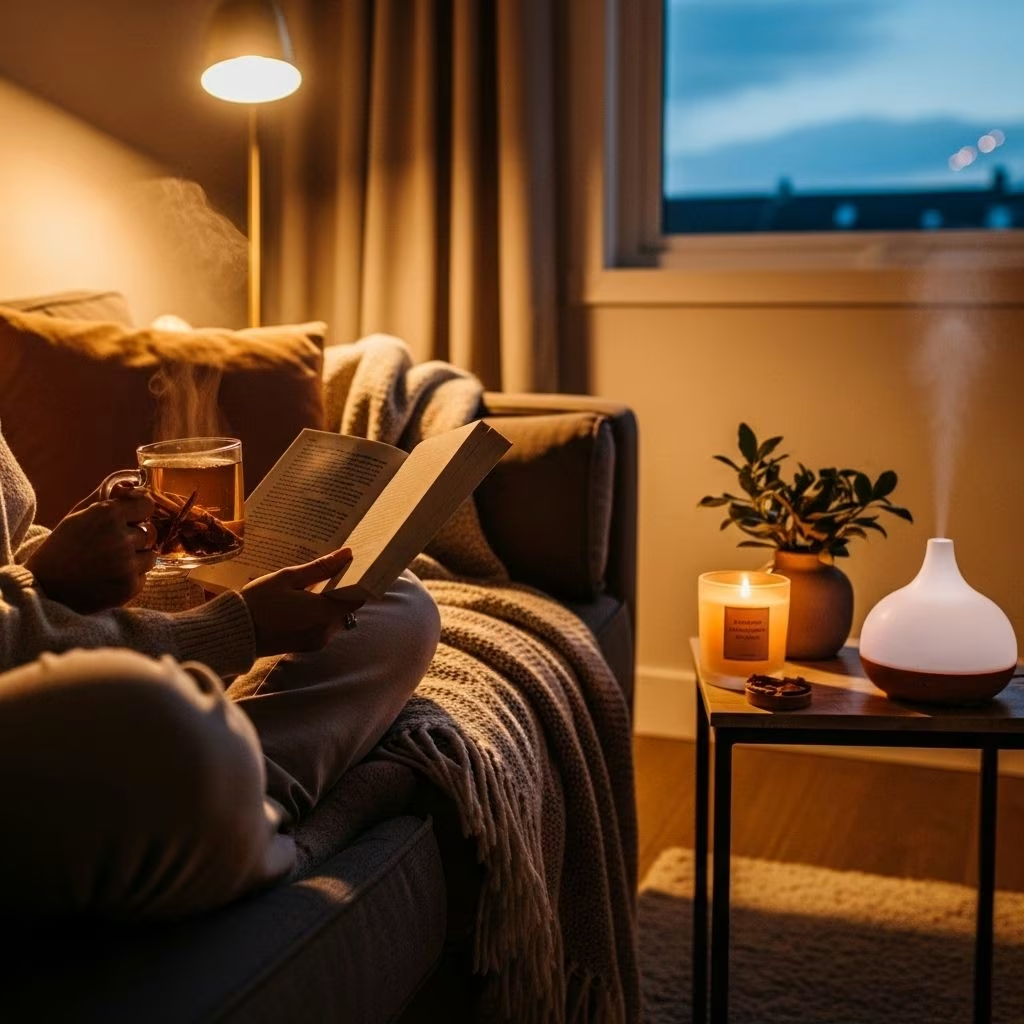
The hours following dinner represent a critical transition period in your daily rhythm. For many people, evening stress can accumulate from the day’s pressures, making it difficult to relax, connect with loved ones, or prepare for restful sleep. Establishing a purposeful after-dinner routine can transform these potentially anxious hours into a sanctuary of calm, setting the stage for better sleep quality and overall wellbeing. This comprehensive guide explores evidence-based strategies to eliminate evening stress and create a nurturing post-dinner ritual that supports both mental and physical health.
Understanding Evening Stress and Its Impact
Evening stress manifests differently than daytime anxiety. After dinner, your body naturally begins winding down, yet modern lifestyles often interfere with this biological process. The convergence of unfinished work thoughts, family responsibilities, financial concerns, and tomorrow’s worries can create a perfect storm of tension just when your body needs to relax.
This stress doesn’t simply disappear when you close your eyes. Elevated cortisol levels in the evening can disrupt your circadian rhythm, interfere with digestion, compromise sleep quality, and even affect your ability to form memories and process emotions. The cumulative effect of chronic evening stress extends beyond poor sleep, contributing to weakened immunity, increased inflammation, and higher risk of chronic health conditions.
Recognizing that evening stress requires specific intervention is the first step toward reclaiming your nights. Your after-dinner routine becomes a protective buffer between the demands of your day and the restorative rest your body requires.
The Importance of Post-Dinner Routines
A structured after-dinner routine serves multiple physiological and psychological purposes. It signals to your body that the active phase of the day has concluded, triggering the parasympathetic nervous system to initiate relaxation responses. This biological shift reduces heart rate, lowers blood pressure, and promotes digestive efficiency.
Psychologically, predictable evening rituals create a sense of control and security. When you know what comes next, your mind can release the hypervigilance that often accompanies stress. The routine itself becomes a form of meditation, a series of familiar actions that require minimal decision-making energy while providing maximum calming benefits.
Consistency amplifies these benefits over time. Your body begins to anticipate the relaxation response, making it easier to transition into evening calm with each passing night. This conditioning effect means that even the simple act of beginning your routine can trigger stress reduction before you’ve completed any specific technique.
Mindful Eating and Digestive Wellness
Your after-dinner routine actually begins during the meal itself. Mindful eating practices transform dinner from a rushed necessity into a stress-relieving ritual. Taking time to savor each bite, chewing thoroughly, and eating without distractions like television or smartphones allows your body to properly register satiety signals and optimize digestion.
The connection between digestive health and stress reduction cannot be overstated. Your gut contains millions of neurons that communicate directly with your brain through the gut-brain axis. When you eat mindfully and allow proper digestion time, you support this communication network, which in turn influences mood regulation and stress response.
After finishing your meal, resist the urge to immediately jump into other activities. Allowing 15 to 20 minutes of gentle, seated rest aids digestion and prevents the discomfort that can add to evening stress. This doesn’t mean complete inactivity, but rather choosing low-intensity activities that don’t divert blood flow away from your digestive system.
Physical Activities for Evening Relaxation
Gentle movement after dinner serves dual purposes: supporting digestion and releasing physical tension accumulated throughout the day. The key is selecting activities that energize without overstimulating, promoting relaxation rather than activation.
Walking for Stress Relief
A leisurely post-dinner walk stands as one of the most accessible and effective stress-reduction strategies. Walking outdoors exposes you to fresh air and natural light during sunset hours, which can help regulate your circadian rhythm. The rhythmic nature of walking creates a meditative state, while the gentle movement stimulates digestion and promotes blood sugar regulation after your meal.
Even 10 to 15 minutes of walking can significantly reduce stress hormones. If outdoor walking isn’t possible, walking indoors while focusing on your breath and bodily sensations provides similar benefits. The goal isn’t exercise intensity but rather creating flowing movement that transitions your body from activity to rest.
Stretching and Gentle Yoga
Stretching releases muscle tension that accumulates from sitting, standing, or physical labor throughout the day. Focus on areas that commonly hold stress: shoulders, neck, lower back, and hips. Simple stretches performed while breathing deeply signal your nervous system to shift into relaxation mode.
Specific yoga poses work exceptionally well for evening stress relief. The Viparita Karani pose, where you lie on the floor with legs elevated against a wall, combines gentle inversion with complete rest. This position promotes circulation, stretches the back of the legs, and creates a sensation of peace that helps clear mental clutter. Other beneficial poses include child’s pose, gentle twists, and forward folds, all performed with attention to breath and sensation rather than achievement.
Progressive Muscle Relaxation
This technique involves systematically tensing and releasing different muscle groups throughout your body. Starting with your feet and moving upward, you deliberately tighten each muscle group for five seconds before releasing the tension completely. This practice heightens awareness of the difference between tension and relaxation, making it easier to release stress held physically in your body. The method proves particularly effective for people who struggle with traditional meditation or find it difficult to quiet their minds.
Mental Relaxation Techniques
While physical relaxation addresses bodily tension, mental relaxation techniques calm the racing thoughts and emotional turbulence that characterize evening stress. Incorporating these practices into your after-dinner routine creates comprehensive stress relief.
Meditation and Breath Focus
Evening meditation doesn’t require extensive time commitments or special equipment. Five to 10 minutes of focused breathing can substantially reduce stress and lower cortisol levels. The practice involves sitting comfortably, closing your eyes, and directing attention to your natural breath without trying to change it. When thoughts arise, you simply acknowledge them and gently return focus to breathing.
Breath focus techniques provide immediate stress relief by activating the parasympathetic nervous system. Try deep belly breathing, where you place one hand on your chest and another on your abdomen, breathing deeply enough that only the lower hand rises. This type of breathing slows your heart rate and signals safety to your nervous system. Count slowly to four on the inhale, hold briefly, then exhale for a count of six to eight, making the exhale longer than the inhale to maximize relaxation effects.
Guided Imagery and Visualization
Guided imagery harnesses your imagination to create mental escapes from stress. You visualize peaceful scenes, places, or experiences in vivid detail, engaging all your senses in the mental journey. Perhaps you imagine a beach at sunset, focusing on the sound of waves, the feeling of sand beneath your feet, the smell of salt air, and the warmth of fading sunlight on your skin.
Numerous apps and online recordings offer guided imagery sessions specifically designed for evening relaxation. Choose imagery that resonates personally, whether natural landscapes, cherished memories, or invented peaceful sanctuaries. The practice not only provides immediate stress relief but also strengthens your ability to self-soothe through challenging moments.
Mindfulness Meditation
Mindfulness involves maintaining awareness of the present moment without judgment. During evening practice, you sit comfortably and observe your thoughts, feelings, and sensations as they arise, neither clinging topleasant experiences nor pushing away unpleasant ones. This acceptance-based approach prevents the rumination that often amplifies evening stress.
Research demonstrates that regular mindfulness practice reduces anxiety, depression, and pain while improving emotional regulation. Even brief mindfulness sessions incorporated into your after-dinner routine can shift your relationship with stress, helping you observe worried thoughts without becoming consumed by them.
Creating Your Ideal Environment
Your physical environment profoundly influences your stress levels. Transforming your evening space into a relaxation sanctuary requires attention to lighting, organization, temperature, and sensory inputs.
Lighting and Ambiance
Bright overhead lighting signals daytime alertness to your brain, making relaxation more difficult. After dinner, transition to softer, warmer lighting that mimics sunset. Use table lamps, floor lamps, or dimmer switches to create gentle illumination. Candlelight provides particularly soothing ambiance while adding a ritualistic element to your evening routine.
Blue light from screens disrupts melatonin production and interferes with your natural sleep-wake cycle. Consider establishing screen-free zones or times after dinner, or use blue-light filtering glasses if screen use is unavoidable. The goal is creating an environment that supports rather than fights your body’s natural progression toward sleep.
Decluttering for Mental Peace
Visual clutter creates mental clutter, contributing to feelings of overwhelm and stress. Taking a few minutes to organize your immediate environment after dinner can significantly impact your stress levels. This doesn’t mean deep cleaning your entire home, but rather clearing surfaces, putting away items, and creating visual order in spaces where you’ll spend your evening.
The act of organizing itself provides stress relief through the sense of control and accomplishment it generates. You’re literally clearing space for relaxation, both physically and mentally. Make this a quick, non-perfectionistic practice focused on creating calm rather than achieving spotless perfection.
Temperature and Comfort
Your body temperature naturally drops as bedtime approaches. Supporting this process by keeping evening spaces slightly cool promotes relaxation and better sleep quality. However, ensure you have comfortable blankets or layers available, as feeling cold creates stress. The ideal is a cool room where you feel cozy under light covering.
Consider the comfort of your evening seating as well. Whether you relax on a couch, favorite chair, or floor cushions, your body should feel supported and at ease. Physical discomfort prevents mental relaxation, so invest attention in creating genuinely comfortable resting spaces.
Connection and Social Wellness
While solitude serves important restorative functions, social connection acts as a powerful stress buffer. The quality of your evening interactions significantly impacts your stress levels and overall wellbeing.
Quality Time with Loved Ones
After-dinner hours offer precious opportunities to connect with family or roommates without the rush of morning routines or workday demands. Engaging in conversation, playing games, or simply being present together strengthens relationships while providing distraction from personal stressors. When you’re stressed and irritable, the instinct may be to isolate, but reaching out to supportive people generally provides greater relief.
Make these interactions intentional rather than passive. Put away phones, turn off the television, and give full attention to the people you’re with. This presence transforms ordinary moments into stress-relieving connection that benefits everyone involved.
Cuddling with Pets
For pet owners, spending time with animals after dinner provides unique stress-reduction benefits. Petting a dog or cat lowers blood pressure and heart rate while releasing oxytocin, the bonding hormone that promotes feelings of calm and contentment. Pets don’t judge, don’t.offer unsolicited advice, and exist entirely in the present moment, making them ideal companions for stress relief.
Even watching fish swim in an aquarium or birds at a feeder can provide calming effects. The key is engaging with the animal presence mindfully, allowing their peaceful existence to influence your own state of being.
Preparing for Restorative Sleep
Your after-dinner routine should gradually transition into sleep preparation, creating a seamless progression from dinner to bedtime. This prevents the jarring shift that occurs when people go from full activity directly to bed, wondering why they can’t fall asleep.
Establishing a Pre-Sleep Buffer
Create at least an hour between your last stimulating activity and your intended bedtime. Use this buffer time for the gentlest relaxation practices: reading calming material, listening to soothing music, practicing gentle stretches, or engaging in quiet conversation. This buffer allows your nervous system to fully shift into sleep mode.
Develop a consistent pre-sleep sequence that signals bedtime approach. This might include preparing your sleep space, changing into comfortable sleepwear, completing a simple skincare routine, or writing briefly in a gratitude journal. The predictability of this sequence conditions your body to begin sleep preparation automatically.
Managing Tomorrow’s Concerns
Racing thoughts about tomorrow’s responsibilities frequently disrupt evening calm. Address this by scheduling a brief planning session earlier in your after-dinner routine. Spend five to 10 minutes writing down tomorrow’s tasks, concerns, or items requiring attention. This practice transfers worries from your mind to paper, providing psychological permission to release them for the night.
Once written, close the notebook or put away the list, symbolically setting aside these concerns until morning. If worries resurface, remind yourself they’re already recorded and will be addressed at the appropriate time.
Foods and Beverages That Support Evening Calm
What you consume after dinner significantly impacts your stress levels and sleep quality. Strategic choices support relaxation while poor choices can amplify anxiety and disrupt rest.
Calming Beverages
Green tea contains L-theanine, an amino acid that promotes relaxation without causing drowsiness. Unlike coffee, green tea provides gentle alertness during early evening hours while supporting stress reduction. As bedtime approaches, transition to herbal teas specifically formulated for relaxation, such as chamomile, lavender, or passionflower varieties.
Warm beverages themselves provide comfort and ritual. The act of preparing tea, waiting for it to cool slightly, and sipping slowly creates a mindful practice that enhances the beverage’s chemical benefits. Black tea drinkers also experience stress-reduction benefits, with studies showing lower cortisol levels after stressful situations compared to non-tea drinkers.
Smart Snacking Strategies
If you need an evening snack, choose options that support rather than undermine relaxation. Small amounts of dark chocolate can reduce stress hormones and stabilize metabolism. A square or two provides satisfaction without the sugar overload that disrupts sleep. Complex carbohydrates paired with protein, such as whole grain crackers with nut butter, provide steady energy without blood sugar spikes.
Avoid large meals, heavy foods, alcohol, and caffeine in the hours before bed, as these interfere with both stress reduction and sleep quality. If you’re truly hungry, keep snacks light and easy to digest.
Building Your Personalized Routine
The most effective after-dinner routine is one you’ll actually maintain. This requires honest assessment of your preferences, constraints, and goals, followed by gradual implementation that allows habits to develop naturally.
Start Small and Build Gradually
Rather than attempting to implement every suggestion simultaneously, choose two or three practices that resonate most strongly. Perhaps you begin with a 10-minute post-dinner walk and five minutes of deep breathing. Once these become habitual, add another element. This incremental approach prevents overwhelm and increases the likelihood of long-term adherence.
Experiment with different activities to discover what genuinely reduces your stress rather than what you think should work. Some people find meditation powerfully calming, while others experience frustration trying to quiet their minds and prefer physical activities or creative pursuits. Honor your authentic preferences rather than forcing practices that don’t suit your temperament.
Flexibility Within Structure
While consistency provides benefits, rigidity creates stress. Design your routine with core non-negotiable elements and flexible components that adapt to circumstances. Perhaps your walk and breathing practice remain constant, but other activities vary based on energy levels, weather, or available time.
This flexible structure accommodates life’s variability without abandoning the routine entirely when circumstances change. You maintain the stress-reducing benefits while avoiding the additional anxiety that comes from failing to meet unrealistic expectations.
Tracking and Adjusting
Pay attention to how different practices affect your stress levels and sleep quality. Keep brief notes about which activities leave you feeling most relaxed and which fail to provide expected benefits. After two to three weeks, review your observations and adjust accordingly.
Your needs may change seasonally or during different life phases. An effective routine evolves with you rather than remaining static. Regular assessment ensures your after-dinner practices continue serving their intended purpose of eliminating evening stress.
Frequently Asked Questions
How long should my after-dinner routine take?
Your after-dinner routine can range from 30 minutes to two hours depending on your schedule and needs. The key is quality over quantity. Even a focused 20-minute routine provides significant stress-reduction benefits if practiced consistently. Start with a manageable timeframe that fits your lifestyle and gradually extend as desired.
Is it better to exercise before or after dinner for stress relief?
Light to moderate activity after dinner aids digestion and promotes relaxation, making it ideal for stress relief. However, wait at least 30 minutes after eating before engaging in physical activity. Intense exercise should occur earlier in the evening, as it can be too stimulating close to bedtime. Gentle walking, stretching, or yoga work best as post-dinner activities.
Can I watch television as part of my stress-relief routine?
Television can be part of an after-dinner routine if chosen wisely. Avoid news programs, intense dramas, or anything that creates anxiety or strong emotional reactions. Light comedy, nature documentaries, or familiar comfort shows may provide relaxation. However, balance screen time with screen-free activities, and stop watching at least one hour before bed to minimize sleep disruption from blue light exposure.
What if I work evening shifts or have an irregular schedule?
Adapt the after-dinner routine concept to your personal schedule by creating a post-meal ritual whenever your main evening meal occurs. The principles of gradual wind-down, stress-reduction practices, and sleep preparation apply regardless of when these activities happen. Consistency matters more than clock time, so establish your routine around your actual eating and sleeping schedule.
How can I maintain my routine when I have young children?
Include children in age-appropriate aspects of your routine, such as family walks, gentle stretching games, or quiet reading time. Use their bedtime as a transition point into more personal practices. Even 10 minutes of intentional relaxation after children sleep provides meaningful stress reduction. Remember that parenting itself is stressful, making your after-dinner routine even more essential for your wellbeing.
Should I avoid all technology after dinner?
Complete technology avoidance isn’t necessary unless you find it particularly helpful. Instead, be intentional about technology use. Avoid work emails, stressful news, and stimulating social media. Use technology mindfully for relaxation purposes like meditation apps, calming music, or connecting with distant loved ones. Set boundaries around when technology use ends before bed, typically at least one hour prior to sleep.
What if I feel too tired to complete my routine?
Extreme fatigue suggests your body needs rest more than routine completion. In these moments, focus on the most essential elements that require minimal energy, such as gentle breathing exercises or a brief body scan meditation. Don’t force activities that increase rather than decrease stress. Your routine should adapt to support your needs, not become another obligation creating pressure.
Creating an effective after-dinner routine to eliminate evening stress represents an investment in your overall health and quality of life. By implementing even a few of these evidence-based strategies, you can transform your evenings from periods of anxiety and tension into peaceful transitions that prepare your body and mind for restorative sleep. Remember that the perfect routine is the one you’ll actually practice, so prioritize authenticity over idealism as you design your personal path to evening calm.
References
- https://www.colorado.edu/law/25-quick-ways-reduce-stress
- https://www.health.harvard.edu/mind-and-mood/six-relaxation-techniques-to-reduce-stress
- https://www.mayoclinic.org/healthy-lifestyle/stress-management/in-depth/stress-relievers/art-20047257
- https://www.healthline.com/nutrition/16-ways-relieve-stress-anxiety
- https://mhpcolorado.org/stress-relief
- https://www.blackcarrot.in/blogs/news/stress-management-techniques-how-cooking-can-help-you-unwind
- https://www.allinahealth.org/healthysetgo/nourish/top-foods-to-relieve-stress


