


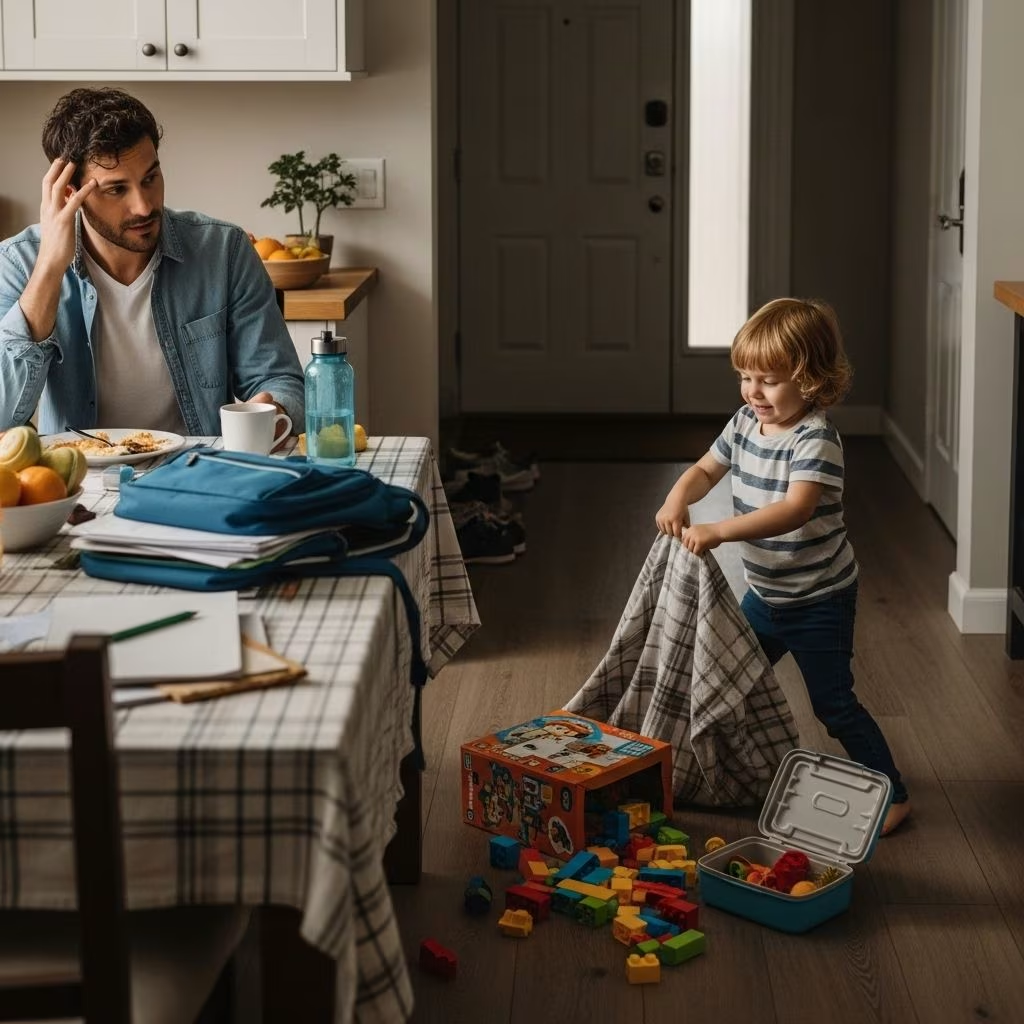
Implementing a new family routine can transform chaotic households into smoothly functioning units where everyone knows what to expect and when. However, the journey from planning to successful execution is fraught with potential pitfalls that can derail even the best intentions. Many families enthusiastically create elaborate schedules only to abandon them within weeks because they’ve fallen into common traps that make routines unsustainable. Understanding these mistakes before you start can save you countless hours of frustration and help you build routines that genuinely work for your unique family dynamics.
The benefits of establishing family routines are well-documented, including improved child behavior, reduced stress levels, better academic performance, and enhanced family cohesion. Yet the difference between routines that succeed and those that fail often comes down to how they’re implemented rather than the routine itself. This comprehensive guide explores the most frequent mistakes families make when introducing new routines and provides actionable solutions to help you create sustainable systems that grow with your family.
Setting Unrealistic Expectations
One of the most devastating mistakes families make when implementing new routines is establishing expectations that don’t align with their current reality. Parents often create routines based on an idealized version of their family rather than accounting for actual capabilities, energy levels, and time constraints. This disconnect between aspiration and reality sets everyone up for failure and disappointment.
When you design a routine for who you wish your family was instead of who you actually are, you’re essentially building on quicksand. If your family consistently struggles to wake up early, creating a routine that requires everyone dressed and ready by 6:30 AM is unrealistic. Similarly, if you know bedtime typically takes an hour of wrangling children, planning for just thirty minutes will create nightly stress and failure.
The solution lies in honest assessment of your family’s current patterns and limitations. Track your actual behaviors for several days before creating a routine. Note when people naturally wake up, how long tasks genuinely take, and what times of day have the most energy versus the most fatigue. Build your routine around these realities rather than fighting against them. You can gradually shift patterns over time, but starting from where you actually are creates a foundation for success rather than constant struggle.
Creating Too Rigid a Schedule
While structure is the entire point of establishing routines, creating schedules that are excessively rigid ranks among the top mistakes families make. Life with children is inherently unpredictable, and an inflexible routine becomes a source of stress rather than support when inevitable variations occur. Parents who schedule every minute of the day often find themselves constantly behind, frustrated, and eventually abandoning the routine altogether.
Rigid routines fail because they don’t accommodate the natural flow of family life. A toddler who refuses to cooperate with getting dressed, an unexpected phone call, or traffic on the way to school can cascade through an overly tight schedule, making everything feel like a failure. This rigidity also removes the joy and spontaneity that makes family life meaningful, replacing it with clock-watching and constant rushing.
The better approach involves creating time blocks rather than minute-by-minute schedules. Instead of declaring that breakfast happens at exactly 7:00 AM, establish a breakfast window between 7:00 and 7:30 AM. This flexibility allows for natural variations without derailing the entire day. Build in transition time between activities, and create general rhythms rather than strict timetables. Your routine should provide structure while still breathing with the natural pace of your household.
Underestimating Time Requirements
Parents consistently underestimate how long daily tasks actually take, leading to schedules that are perpetually rushed and impossible to maintain. This mistake stems from optimistic thinking about efficiency or simply not tracking how long activities genuinely require. The result is a routine where you’re always running behind, which creates stress for everyone and undermines confidence in the entire system.
Common culprits include morning preparation routines, meal times, homework sessions, and bedtime rituals. What you imagine taking fifteen minutes might actually require thirty when you account for distractions, resistance, or simply the pace at which children move. Getting kids dressed sounds quick in theory but often involves negotiations, lost shoes, backward shirts, and multiple redirections that extend the timeline significantly.
The solution requires honest time tracking before finalizing your routine. For several days, time how long various activities actually take from start to completion. Include the time spent redirecting children, handling disruptions, and dealing with the inevitable challenges. Then add a buffer to these realistic timeframes when building your schedule. If getting ready for school consistently takes forty-five minutes, don’t schedule thirty minutes for it. This honest assessment prevents the chronic lateness and rushing that doom so many family routines.
Overloading the Routine
Another critical mistake involves trying to incorporate too much into a new routine all at once. Parents often create elaborate, comprehensive schedules that address every aspect of family life simultaneously, from morning rituals to homework management to evening activities to bedtime procedures. This all-or-nothing approach overwhelms everyone and makes the routine too complicated to remember and follow consistently.
Starting with an overly complex routine also makes it difficult to identify what’s working and what needs adjustment. When ten new habits are introduced simultaneously, you cannot determine which ones are helping and which are causing problems. The cognitive load of remembering and implementing numerous changes at once exceeds most families’ capacity, leading to inconsistent execution and eventual abandonment of the entire system.
A more effective strategy involves starting with a bare-bones routine that addresses only the most essential elements. Focus first on the areas causing the most stress or chaos in your current life, such as morning preparation or bedtime. Master these foundational routines until they become automatic habits. Then gradually add new elements through habit stacking, where you attach new behaviors to existing routines. This incremental approach builds sustainable habits rather than temporary compliance through willpower alone.
Lacking Flexibility and Buffer Time
Closely related to rigid scheduling, failing to incorporate buffer time and flexibility into routines represents a mistake that compounds throughout the day. When schedules run back-to-back without breathing room, a single delay creates a domino effect that throws off everything that follows. This lack of cushioning means one bathroom accident, one misplaced backpack, or one emotional meltdown can derail the entire routine.
Buffer time serves as shock absorbers for your schedule, preventing minor hiccups from becoming major crises. These catch-up periods allow you to handle unexpected situations without abandoning the routine entirely. They also reduce the constant sense of urgency and rushing that makes routines feel punitive rather than supportive.
Incorporating ten-to-fifteen-minute buffer periods between major activities provides this essential flexibility. After the morning routine and before departure, after school and before homework, between activities and before bedtime—these transition buffers accommodate variations while keeping the overall structure intact. Additionally, building in designated catch-up times during the day allows you to address anything that ran long without sacrificing what comes next. This flexibility paradoxically makes routines more consistent because they can bend without breaking.
Being Inconsistent with Implementation
Consistency forms the foundation of successful routines, yet many families inadvertently undermine their efforts through inconsistent implementation. This mistake often manifests as strict adherence to the routine during weekdays but complete abandonment on weekends, or rigorous enforcement some days but casual disregard on others. This inconsistency confuses children, prevents habit formation, and ultimately sabotages the entire routine.
Weekend inconsistency proves particularly problematic because it disrupts sleep schedules, removes predictable structure, and forces everyone to re-establish the routine each Monday. When rules and expectations shift dramatically between weekdays and weekends, children never fully internalize the routine as normal. Instead, it remains something imposed from outside that requires constant conscious effort rather than becoming automatic behavior.
While some variation between weekdays and weekends is natural and healthy, maintaining core elements of your routine throughout the week strengthens habit formation. Keep consistent wake times within an hour, maintain key rituals like family meals, and preserve important routines like bedtime procedures even on weekends. Similarly, avoid giving complete passes on rules and consequences during weekends, as this teaches children that boundaries are optional. The routine should feel slightly relaxed on weekends while maintaining its essential structure, creating seven-day consistency rather than a five-two split.
Not Including Family Input
Creating a family routine in isolation and then imposing it on everyone represents a mistake that reduces buy-in and compliance. When family members have no voice in the routine’s creation, they feel controlled rather than supported. This approach particularly backfires with older children and teenagers who need increasing autonomy and can actively resist schedules they perceive as arbitrary or unfair.
Routines created without input also fail to account for individual preferences, needs, and challenges that family members could articulate if given the opportunity. One child might function better with morning exercise while another needs quiet time. A parent might have work constraints that affect timing. These considerations improve the routine’s functionality but only emerge through collaborative discussion.
Involving the entire family in routine creation transforms it from something you’re imposing to something you’re building together. Sit down as a family and explain why you want to establish routines, discussing the benefits for everyone. Solicit input about what times work best, what activities to include, and what challenges people foresee. Allow children to contribute ideas and make age-appropriate choices about their responsibilities. This collaborative approach creates ownership, making family members more likely to follow through because they helped design the system rather than having it thrust upon them.
Forgetting Visual Reminders
Many families create routines but fail to display them visibly, expecting everyone to simply remember the new schedule. This mistake particularly affects younger children but also impacts adults who are trying to establish new habits. Without visual reminders, family members must rely on memory and constant prompting from parents, which undermines the independence and self-direction that good routines should foster.
The absence of visual aids also increases parental workload because everyone constantly asks what comes next or what they should be doing. This endless questioning defeats one of routine’s primary purposes: reducing decision-making and the need for constant direction. Parents end up functioning as walking, talking schedule reminders rather than allowing the routine itself to guide behavior.
Creating and displaying visual representations of your routine solves this problem effectively. For young children, picture-based routine charts show each step through images they can recognize even before reading. For older children and adults, written schedules or checklists provide clear guidance. Place these visual aids in central locations where family members naturally see them, such as the kitchen, bathroom mirrors, or bedroom doors. Digital options like shared family calendar apps or reminder systems work well for tech-savvy families. The key is making the routine visible and accessible so it guides behavior without requiring constant parental intervention.
Dropping Weekend Structure
The mistake of completely abandoning structure on weekends deserves special attention because it’s so common and so counterproductive. Parents understandably want relaxation and freedom on weekends, leading them to declare weekends as no-rules time where routines don’t apply. However, this complete structural collapse typically backfires, creating chaotic weekends and difficult Monday transitions.
When sleep schedules slide dramatically on weekends, children face jet lag-like symptoms returning to school schedules on Monday. When family rituals disappear entirely, children lose the predictable anchors that provide security and comfort. When rules become optional for two days, children struggle to understand why they’re suddenly non-negotiable again on Monday. This inconsistency increases behavioral problems rather than reducing them, as children receive mixed messages about expectations.
The solution involves maintaining core routines and rituals while allowing appropriate weekend flexibility. Keep wake times within an hour of weekday schedules to prevent sleep disruption. Preserve important family rituals like shared meals or bedtime routines that provide connection and structure. Maintain consistency around fundamental rules regarding respect, safety, and basic responsibilities even while relaxing other expectations. Add designated weekend rituals like Sunday planning sessions or Saturday morning family activities that provide positive structure. This balanced approach gives families relaxation and spontaneity while preserving the stability that routines provide.
Strategies for Successful Implementation
Understanding mistakes to avoid is only half the battle; you also need positive strategies for successful routine implementation. Begin by identifying your family’s top priorities and building your routine around these non-negotiables first. Whether it’s maintaining tidy spaces, ensuring adequate sleep, or protecting family meal times, anchor your routine in what matters most to your specific family.
Start implementation gradually, introducing new elements one at a time and allowing each to become habitual before adding more. Be patient with the process, understanding that research suggests new habits take anywhere from 18 to 254 days to form, with an average of 66 days. Your routine won’t feel natural or automatic immediately, but consistency over time creates the automaticity you’re seeking.
Build in regular review periods to assess what’s working and what needs adjustment. Monthly check-ins allow you to celebrate successes, identify problems, and make necessary modifications. Routines should evolve with your family’s changing needs rather than remaining static. As children grow, schedules shift, or circumstances change, your routine should adapt accordingly.
Consider creating different routines for different times and days rather than trying to force one schedule onto every situation. Morning routines, after-school routines, bedtime routines, and weekend routines can each have their own structure while sharing common principles. This differentiation acknowledges that different times require different approaches while maintaining overall consistency.
Finally, extend grace to yourself and your family during the implementation process. Perfect adherence isn’t the goal; consistent effort is. When you have off days or the routine falls apart temporarily, simply return to it the next day without guilt or extensive post-mortems. The power of routines lies in their general consistency over time, not perfection on any given day.
Frequently Asked Questions
Q: How long does it take for a new family routine to feel natural?
A: Research indicates that habit formation typically takes between 18 to 254 days, with an average of 66 days for behaviors to become automatic. For family routines involving multiple people and behaviors, expect at least two to three months of consistent implementation before the routine feels natural and requires less conscious effort to maintain.
Q: Should I abandon a routine if it’s not working?
A: Rather than completely abandoning a routine that’s not working, first identify what specifically isn’t functioning. Often, small adjustments to timing, expectations, or implementation can fix problems without scrapping the entire system. Give routines at least two to three weeks of consistent trial before making major changes, as initial resistance is normal.
Q: How can I get my partner on board with implementing a family routine?
A: Include your partner in the routine creation process from the beginning, soliciting their input and addressing their concerns. Discuss the specific benefits you’re hoping to achieve and how the routine will make both your lives easier. Start with routines that address pain points both of you experience, and be willing to compromise on elements that matter more to one partner than the other.
Q: What if my child has special needs that make standard routines difficult?
A: Children with special needs often benefit even more from routines but may require additional accommodations. Consider using more visual supports, breaking tasks into smaller steps, building in sensory breaks, allowing more transition time, and working with therapists or specialists to design routines that address specific challenges while providing needed structure.
Q: Is it better to have different routines for weekdays and weekends?
A: Yes, having somewhat different routines for weekdays and weekends is appropriate, but they should share core elements. Maintain consistent sleep schedules within about an hour, preserve key family rituals, and uphold fundamental rules while allowing weekend routines to be more relaxed and flexible in other areas.
Q: How detailed should a family routine be?
A: The ideal level of detail depends on your family’s needs and ages of children. Young children benefit from very specific, step-by-step routines with clear timeframes. As children mature, routines can become more general, focusing on time blocks and outcome expectations rather than detailed procedures. Start with more specificity and gradually reduce detail as habits form.
Q: What’s the best way to handle resistance to new routines?
A: Expect some initial resistance and don’t interpret it as routine failure. Address resistance by involving resistant family members in problem-solving, ensuring the routine includes elements they enjoy, celebrating small successes, remaining consistent with expectations, and allowing natural consequences to demonstrate the routine’s benefits rather than lecturing or forcing compliance.
Q: Should consequences be built into family routines?
A: Natural consequences often work better than imposed punishments for routine non-compliance. If a child doesn’t prepare their backpack as part of the evening routine, they experience the natural consequence of being unprepared at school. Maintain consistency with expectations rather than creating elaborate reward or punishment systems, which can undermine intrinsic motivation.
References
- https://www.genref.com/blog/moms-avoid-these-common-routine-mistakes
- https://atouchofhomeschooling.com/family-routine/
- https://timesofindia.indiatimes.com/life-style/parenting/moments/are-you-making-these-5-parenting-mistakes-every-sunday-without-realising-it/articleshow/124024630.cms
- https://www.liahonaacademy.com/how-to-implement-family-routine.html
- https://laurasueshaw.com/mistakes-to-avoid-when-creating-new-routines/
- https://www.raisingkingdomimpacters.com/blog/family-routines-that-work
- https://modernparentingsolutions.org/episode42/
- https://www.militaryonesource.mil/parenting/new-parents/how-to-create-and-maintain-routines/
- https://raisingchildren.net.au/preschoolers/behaviour/behaviour-management-tips-tools/routines
- https://cabbrix-usa.com/blogs/news/how-to-build-a-family-routine-in-5-simple-steps


