


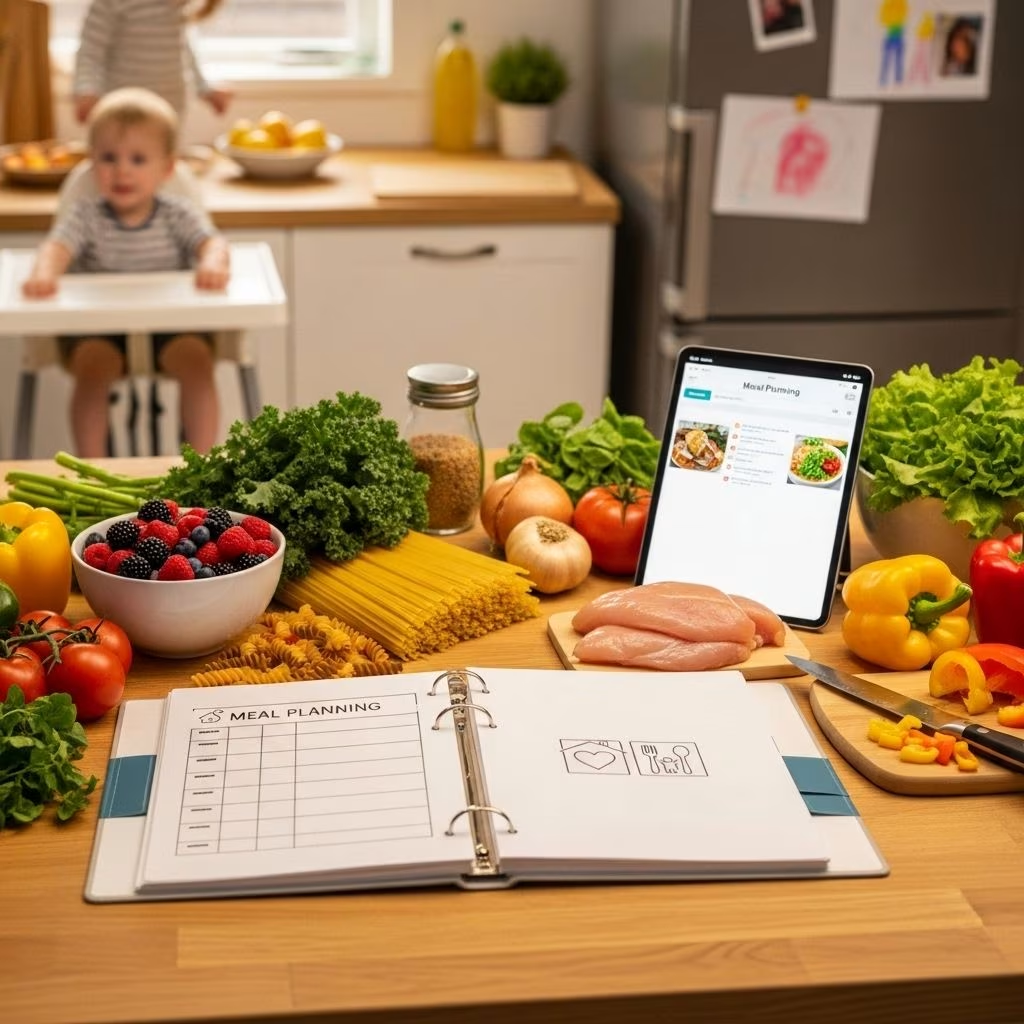
Family meal planning transforms busy kitchens from chaotic dinnertimes into organized, efficient routines. Whether you want to save time, eat healthier, or simply reduce food stress, this beginner-friendly guide gives you the tools, templates, and tips to plan meals your whole family will love.
Why Family Meal Planning Matters
Meal planning is more than just writing down dinners—it’s an organizational strategy that saves time, cuts grocery bills, and helps families eat better. Families with meal plans are:
- Less likely to spend money on convenience food or takeout.
- Better equipped to provide balanced, variety-rich diets.
- More prepared for unexpected schedule changes and busy days.
- Less stressed, since the “what’s for dinner?” dilemma disappears.
- Waste less food because they shop with purpose and use leftovers creatively.
Meal Planning Fundamentals
Before diving in, it’s helpful to understand the core principles of family meal planning:
- Inventory and assess: Know what’s in your pantry, fridge, and freezer before planning meals.
- Separate planning, shopping, and prepping: Tackle these steps individually for less overwhelm.
- Include everyone: Get input from family members to ensure meals everyone will enjoy.
- Build in flexibility: Plan for leftovers, simple nights, and unexpected events.
- Balance nutrition: Incorporate a variety of proteins, veggies, grains, and flavors over the week.
Step-by-Step Family Meal Planning
Creating a family meal plan doesn’t need to be complicated. Follow these steps to establish a system that works for your household:
1. Check your weekly calendar and commitments
Review your family’s schedule for the upcoming week. Mark any events or late nights that require make-ahead or quick meals. Include long workdays, extracurriculars, or planned nights out.
2. Take stock of your kitchen inventory
Note what ingredients you already have, especially perishables and proteins nearing their expiration. This minimizes waste and helps you build meals around what’s on hand.
3. Brainstorm and select family-approved recipes
Reference your master meal list (see below) or search for new recipes as needed. Mix favorite, familiar dishes with easy new options for variety. Factor in dietary needs and preferences.
4. Build your weekly meal plan
Fill in dinners first, then add breakfasts, lunches, and snacks if desired. For beginners, start with just dinners and expand as you get comfortable.
5. Create an organized grocery list
List ingredients needed for each meal, as well as staple items. Group your list by grocery sections (produce, meat, dairy, pantry, frozen) for efficient shopping.
6. Plan for prep day or timesaving strategies
Schedule when you’ll prep ingredients or batch-cook meals. Easy prep saves time, reduces weekday stress, and ensures you stick to your plan.
Building a Master Meal List
A master meal list is your personal database of go-to family dinners. Building it is simple but pays off week after week:
- List meals everyone in your family likes, including main dishes, sides, and quick options.
- Divide into categories—for example, chicken dishes, vegetarian meals, slow-cooker favorites, and ethnic cuisine.
- Add new recipes after you try them and update with family feedback.
- For picky eaters and busy nights, keep a “fall-back” section for ultra-easy staples (grilled cheese, quesadillas, pasta, etc.).
Having a master list means you’re never starting from scratch when planning—it’s your shortcut to fast decisions and less mealtime stress.
Using Your Pantry Inventory
Utilizing your pantry and freezer first is key for both budget and speed. Each week, as you plan, consider:
- Fresh produce that must be used up soon.
- Proteins already thawed or near expiry in the fridge/freezer.
- Leftover grains, canned goods, and miscellaneous ingredients.
Combining pantry staples creatively minimizes waste and keeps your grocery list shorter. If you notice surplus items accumulating, dedicate one dinner per week as a pantry night—challenge yourself to make something using only what you have on hand.
Choosing the Right Planning Approach
There’s no perfect way to meal plan. The key is finding a rhythm that fits your family:
- Weekly Planning: Most beginner families find planning one week at a time prevents overwhelm and allows for busy schedules.
- Monthly Planning: Great for larger families or those who love routines. You can repeat favorite weeks or themes.
Whichever approach you choose, set a recurring day for meal planning (many prefer Thursday or Sunday), and make it a habit.
Efficient Grocery Shopping
Shopping with a meal plan and organized list makes store trips faster and more efficient. Here are classic family-friendly strategies:
- Group items by department: Produce, meat, dairy, pantry, frozen. This prevents backtracking.
- List quantities for each item: Helps prevent overbuying (especially with proteins and perishables).
- Use a reusable or digital list: Apps and shared lists keep the whole household on the same page.
- Keep staple items stocked: Eggs, milk, bread, rice, canned beans, cheese, and healthy snacks.
- Shop seasonally: Buying in-season produce is fresher and often less expensive.
Sample Family Shopping List (for a Week)
| Category | Example Items |
|---|---|
| Meat/Protein | Chicken breasts, ground turkey, salmon, eggs, sausage |
| Produce | Carrots, lettuce, spinach, apples, broccoli, bell pepper, zucchini, potatoes |
| Dairy | Milk, yogurt, butter, cheese, sour cream |
| Pantry | Rice, pasta, canned tomatoes, beans, oatmeal |
| Frozen | Broccoli, mixed veggies, berries |
| Snacks | Pretzels, applesauce, trail mix |
Ultimate Meal Plan Template
Use this meal plan template to organize your week. Print it, keep it on the fridge, or use an editable digital version for the family to see:
| Day | Breakfast | Lunch | Dinner | Notes |
|---|---|---|---|---|
| Monday | Oatmeal & fruit | Turkey sandwiches, veggies | Sheet pan chicken & potatoes | Soccer practice |
| Tuesday | Greek yogurt & berries | Leftover chicken quinoa bowls | Spaghetti & salad | Late work |
| Wednesday | Scrambled eggs & toast | Pasta salad | Taco night | |
| Thursday | Overnight oats | Chicken wraps | Slow cooker chili | Music lesson |
| Friday | Pancakes & bananas | Mini pizzas (English muffin) | Homemade burgers & sweet potato fries | Family movie night |
| Saturday | Bagels & cream cheese | Leftovers/Salads | Takeout or eat out | |
| Sunday | Egg muffins | Grilled cheese, tomato soup | Roast chicken & veggies | Prep for the week |
Adjust these meals to fit your family’s needs, dietary restrictions, and what’s available in your region.
Meal Prep Tips for Busy Families
Meal prep doesn’t have to mean hours in the kitchen. Small shifts add up over the week:
- Chop extra veggies for snacks or stir-fries while prepping dinner.
- Marinate proteins or prepare casseroles the night before a busy day.
- Batch-cook grains (rice, quinoa, pasta) and store for quick meal bases.
- Pre-portion family snacks or lunches for grab-and-go convenience.
- Invest in storage containers to keep prepped food fresher longer.
- Label leftovers with dates so they don’t get lost in the fridge.
Troubleshooting Common Challenges
Even the best plans need tweaks. Here’s how to address top meal planning obstacles:
- Picky Eaters: Involve kids in choosing meals or sides. Offer familiar foods with new dishes (e.g., new soup with favorite bread).
- Lack of Motivation: Find 10-minute prep meals for low-energy nights. Rotate takeout or “fend for yourself” (FFY) nights guilt-free.
- Unexpected Schedule Shifts: Always have a backup meal (frozen pizza, pasta and jarred sauce, eggs and toast).
- Repetitive Menus: Try one new recipe per week to keep things fresh. Rotate different cuisine themes (Mexican, Italian, Asian).
Top Five Time-Saving Meal Planning Hacks
- Theme nights: Assign a type of meal to each day (e.g., Meatless Monday, Taco Tuesday, Slow-Cooker Thursday).
- Double up recipes: Cook once, eat twice by planning leftovers (e.g., roast extra chicken for soup or salad the next day).
- One-pot or sheet pan dinners: Less cleanup, less stress—find a few family favorites and rotate them often.
- Keep a visible meal plan: Write it on a whiteboard or print it for the fridge so everyone knows what’s coming up.
- Save digital recipe links: Use notes apps, Pinterest, or Google Docs for quick access to favorites.
Frequently Asked Questions
Q: How do I start meal planning if I’ve never done it before?
A: Begin by planning just dinners for one week. Write down 4-5 meal ideas your family already enjoys, fill in your shopping list, and give yourself permission to repeat what works.
Q: How can I involve my kids in meal planning?
A: Ask children to help brainstorm favorite meals, vote on new recipes to try, or help with age-appropriate prep tasks such as washing veggies or assembling sandwiches.
Q: What if we have sudden changes or busy nights?
A: Keep backup meals (such as frozen entrees, family-friendly pastas, or pantry-based soups) on hand, and schedule at least one flexible or “leftover” night each week.
Q: How can I avoid food waste?
A: Check your inventory before shopping, purposely plan one “fridge clean-out night” per week, and freeze leftovers if you won’t use them soon.
Q: Is it better to plan weekly or monthly?
A: Most families benefit from weekly planning, but some larger households or routine-lovers prefer monthly templates. The best system is the one that feels manageable and is easy to stick to.
References
- https://wellnessmama.com/organization/meal-planning/
- https://thekitcheninvitation.com/principles-of-meal-planning-for-a-family-7-step-guide-by-a-culinary-dietitian/
- https://habitsandhome.com/how-to-make-weekly-family-meal-plan/
- https://workweeklunch.com/meal-planning-for-beginners/
- https://www.lucieslist.com/guides/tyranny-of-dinner/meal-planning-for-parents/
- https://thejacksonclinics.com/beginners-guide-meal-planning/
- https://prepdish.com/meal-planning/meal-planning-for-beginners/


