


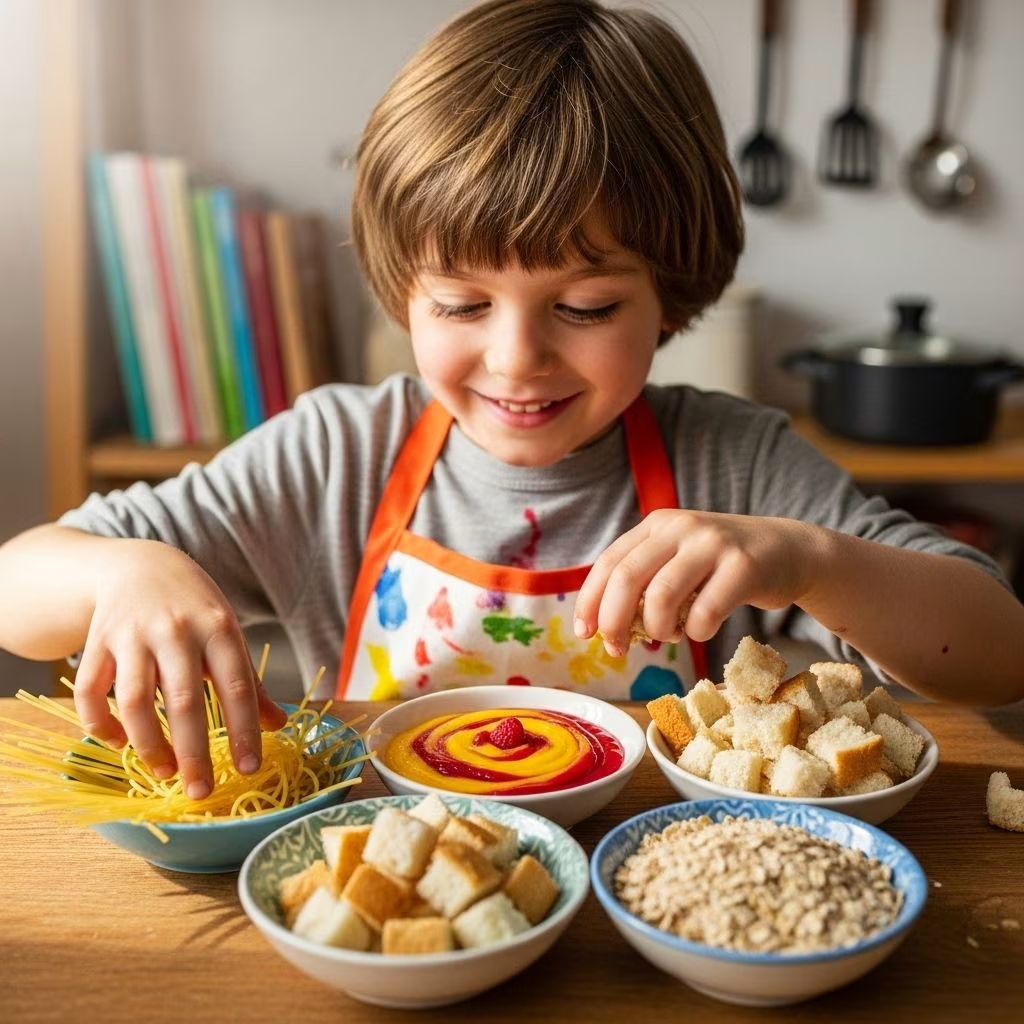
Sensory Food Play for Picky Eaters: Unlocking Comfort with Texture Exploration
Picky eating is one of the most persistent challenges faced by families and caregivers, especially when a child resists foods due to sensory sensitivities. Among these, discomfort with particular food textures often stands out as a primary barrier to a varied and nutritious diet. Sensory food play—a process of engaging with food through touch, sight, smell, and even sound—has emerged as a gentle, effective strategy for helping children explore and ultimately accept new food textures within a low-pressure and playful environment.
Why Picky Eaters Resist Textures
For many children, food refusal is rooted in how a food feels—crunchy, slimy, sticky, grainy, or lumpy—more than its flavor. Texture aversions may develop due to:
- Neurodevelopmental differences such as autism or sensory processing disorder, which can heighten sensitivity to tactile experiences.
- Medical or oral motor issues that make chewing certain textures uncomfortable or physically challenging.
- Negative mealtime experiences, including pressure to eat or past discomfort, which creates anxiety around unfamiliar foods.
- Lack of exposure to diverse textures during early feeding experiences makes later encounters with novel foods more daunting.
Children with sensory sensitivities can become quickly overwhelmed by the feel of food in the mouth or even on their fingers, leading to persistent avoidance behaviors. Over time, these initial reactions may become entrenched, limiting the child’s willingness to try new foods and impeding nutritional variety.
The Science Behind Sensory Food Play
Eating is an inherently multisensory experience. Each mouthful combines texture, temperature, smell, taste, and even visual cues. For a child sensitive to even one aspect, mealtime can quickly turn stressful or anxiety provoking.
Sensory food play works by:
- Providing repeated, low-pressure exposure to various textures and sensations.
- Shifting the focus from eating to exploration, thereby reducing fear and resistance.
- Building trust with new foods, starting with touch and sight before progressing to taste.
- Encouraging curiosity through fun, creative activities.
- Desensitizing tactile aversions over time by making food interaction enjoyable rather than threatening.
Research and therapeutic practices show that children become more confident and adventurous when the expectation to eat is removed, and instead, food is presented as something to discover and experiment with. When caregivers learn to let go of immediate goals (“just try one bite!”), they create an environment where gradual, sustained progress is possible.
Key Principles of Sensory Food Play
To succeed in sensory food play with picky eaters, caregivers should focus on the following:
- Low-pressure exploration: Make it clear to children they are not required to taste or eat any food during sensory play.
- Let the child lead: Allow children to choose foods to explore, decide which games to play, and determine their pace.
- Build vocabulary around food sensations: Encourage description of textures and flavors, helping children develop a more neutral, confident approach to food.
- Routine and predictability: Offer regular opportunities for sensory play to instill comfort and reduce anxiety.
- Positive reinforcement: Praise children for small steps such as touching, smelling, or discussing a new food.
Core Sensory Play Activities for Exploring Textures
Integrating hands-on, tactile activities makes food exploration accessible and fun for picky eaters. Below are innovative, research-backed play ideas focusing on texture:
Texture Sensory Bin
- Fill a large storage container with a mix of wet and dry foods (e.g., uncooked rice, cooked noodles, yogurt, crunchy carrot sticks). Add scoops, measuring cups, and safe utensils.
- Encourage your child to dig, scoop, pour, and bury toys or food objects.
- Makes new textures friendly, fun, and safe to touch away from the pressures of mealtime.
Painting with Purees
- Provide colorful fruit or vegetable purees and paintbrushes.
- Let children “paint” on paper plates, their hands, or even the countertop.
- Touching, smearing, and feeling cool, smooth, or gritty purees helps desensitize tactile aversions.
Food Scavenger Hunts
- Hide small containers of foods with diverse textures (crunchy crackers, creamy yogurt, soft berries) around your kitchen.
- Give clues that describe the color, shape, and feel (“Find something smooth and creamy!”).
- Spark excitement in search and discovery, making foods less intimidating.
“I Spy” Texture Match
- Play “I Spy” by describing a food’s texture, color, or sound (“I spy something green and crunchy!”).
- Children learn to observe food closely, engaging several senses at once.
- No expectation to eat—just to touch and guess.
Broccoli Builders and Cucumber Castles
- Let kids build towers and shapes using crunchy florets, cucumber slices, or carrot sticks.
- Playful stacking, arranging, and feeling different textures normalizes sensory differences.
- Bonus: Encourages fine motor development.
Spaghetti and Sea Creatures
- Mix cooked spaghetti with favorite small toys, and let children dig, sort, and pull objects through noodles.
- Soft, slippery, and stretchy textures make the experience memorable.
- Offer rainbow spaghetti by adding food coloring for more visual stimulation.
Hide-and-Seek Food Game
- Hide bite-sized pieces of foods in cups or under bowls and ask your child to find them.
- Prompt them to describe how the found food feels (“Is it sticky? Squishy? Hard?”).
Flavor Vocabulary Building
- Set up a “tasting tray” (such as a muffin tin) with foods representing different tastes: sweet, sour, bitter, salty, savory, spicy.
- Allow the child to touch, smell, or taste tiny bites at their own pace; ask them to describe each flavor and texture.
- Builds a broader sensory vocabulary, neutralizing negative associations.
Food Sorting Activities
- Mix foods with very different textures and challenge your child to sort them into categories (soft, hard, squishy, crunchy).
- Repetition helps familiarize children with unfamiliar sensations.
Food Art and Playdough
- Shape, mold, and decorate edible creations using smooth mashed potatoes, rough couscous, sticky dough, or shiny berries.
- Art projects make food approachable without eating pressure.
Simple Table of Sensory Activities by Texture
| Texture | Activity Example | Optional Tools |
|---|---|---|
| Crunchy | Sort carrot sticks, apple slices, pretzel rods | Tongs, bowls |
| Sticky | Paint with honey or nut butter | Paintbrush, spatula |
| Slippery | Touch peeled grapes or tomato skins | Tweezers, napkins |
| Smooth | Scoop yogurt, pudding, or hummus | Spoons, containers |
| Lumpy | Explore mashed potatoes or cottage cheese | Forks, plates |
How to Create a Supportive Home Environment
Home routines and the emotional climate surrounding meals are just as crucial as the activities themselves. Practical steps for supporting sensory exploration:
- Set consistent routines: Use predictable times and familiar settings for sensory play and meals.
- Empower choice: Offer limited, healthy options (“Would you rather play with carrots or peas?”).
- Keep play separate from mealtimes: Sensory play works best when separated from eating, reducing pressure and building comfort.
- Use positive language: Describe food in neutral or exciting terms, removing judgments (“Let’s feel how squishy this is!”).
- Celebrate small steps: Recognize progress such as touching, smelling, or naming foods, not just tasting them.
Feeding Therapy and Professional Guidance
Some picky eating is mild and resolves with positive approaches, but severe cases—especially involving strong sensory aversions—may benefit from feeding therapy with occupational or speech therapists. Professional therapy uses:
- Systematic exposure to new textures in a controlled, supportive setting.
- Guided play-based strategies to gradually reduce anxiety.
- Support for family routines and caregiver education.
- Integration with medical or behavioral interventions when necessary.
Therapists may also incorporate oral motor exercises, environmental modifications, and sensory integration techniques tailored to the child’s developmental needs.
Do’s and Don’ts for Parents
| Do | Don’t |
|---|---|
|
|
Frequently Asked Questions (FAQs)
Q: Why is my child so sensitive to certain food textures?
A: Sensitivity to texture often reflects how a child’s nervous system processes tactile information. Neurodevelopmental factors, limited previous exposure, and physical discomfort all play a role.
Q: Can sensory food play replace trying new foods at meals?
A: Sensory play is a preparatory step—it builds comfort and trust, which can make tasting new foods at meals less stressful and more successful over time.
Q: How long will it take for sensory food play to make a difference?
A: Progress varies by child. Changes may be gradual, but regular, low-pressure exposure typically results in increased food acceptance over weeks or months.
Q: What if my child refuses all sensory food play?
A: Respect your child’s boundaries and try again another time. Offer choices regarding food items or activities, and consider consulting a feeding therapist for more meaningful support.
Q: Is messy play okay?
A: Yes! Mess is not only normal but often beneficial; it signals engagement with sensory learning. Protect surfaces as needed, but let exploration happen.
Further Resources and Support
- Books on sensory integration and picky eating
- Guidance from pediatric occupational therapists
- Online communities for parents of picky eaters
- Local feeding therapy programs and parenting workshops
By harnessing the playful power of sensory food play, parents and caregivers can demystify the complex world of textures for picky eaters, supporting happier, healthier, and more adventurous eating habits in a way that respects each child’s unique pace and preferences.
References
- https://foodologyfeedingtherapy.com/sensory-play-for-picky-eaters-creative-ways-to-help-your-child-explore-food/
- https://fit.sanfordhealth.org/blog/how-sensory-play-can-help-with-picky-eating
- https://plantbasedjuniors.com/picky-eater-food-play-ideas/
- https://pmtherapy.org/feeding-therapy-techniques/
- https://www.pediatricmovementcenter.com/a-sensory-approach-to-picky-eating
- https://www.theottoolbox.com/therapy-for-picky-eaters/
- https://www.a2therapyworks.com/uploads/2/8/3/2/28328881/pick_eaters_full_article.pdf
- https://www.youtube.com/watch?v=3Y5HiXXUqgY


