


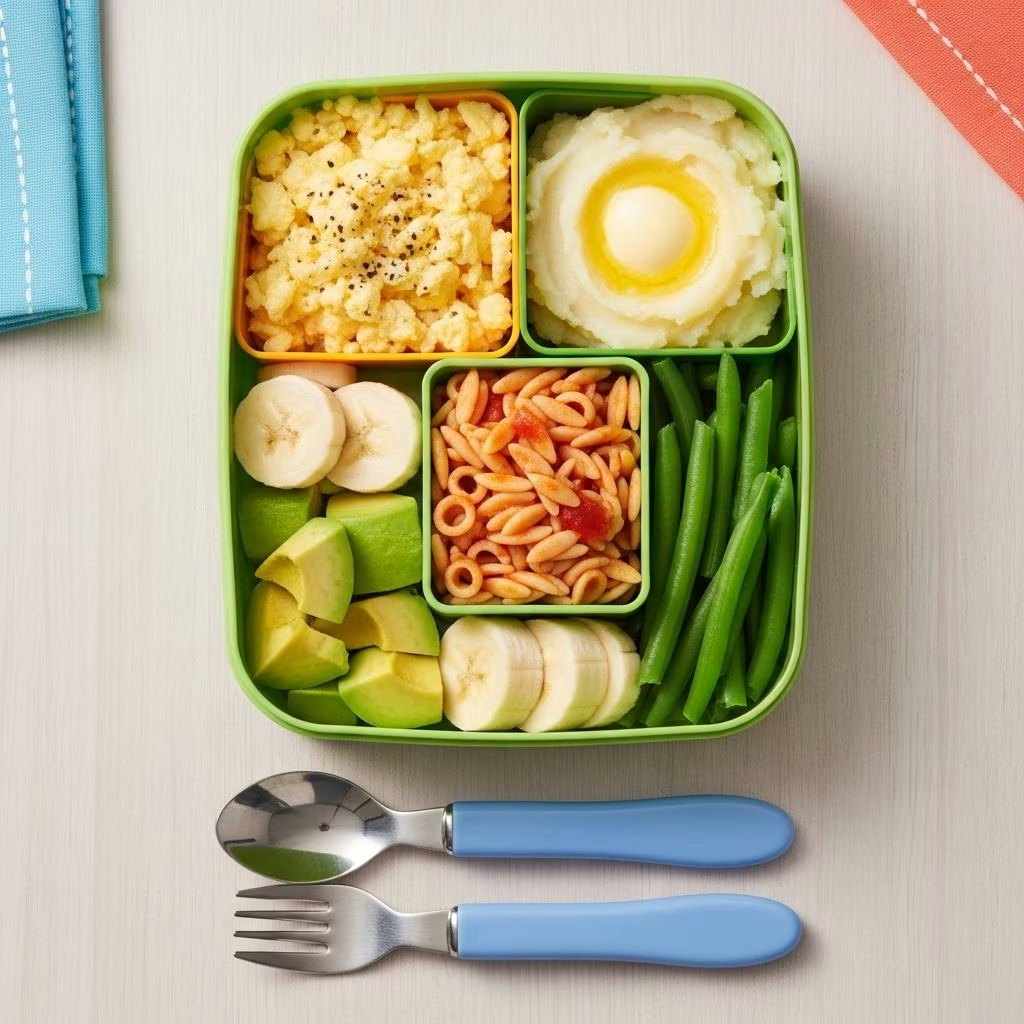
Helping a child adjust to life with braces can be an overwhelming experience, especially when it comes to meal planning. Many popular foods suddenly become off-limits due to the risk of breaking brackets or causing discomfort. The solution is to build a delicious, balanced, and braces-friendly meal plan centered around soft foods that support growth and oral health while making mealtime enjoyable. This comprehensive guide details everything you need to know, from safe food choices to sample menus, recipes, and practical tips for painless, stress-free nutrition throughout orthodontic treatment.
Understanding Soft Foods for Braces
The process of getting braces can cause temporary discomfort and make chewing difficult. Hard, crunchy, or sticky foods can damage braces and even lead to longer treatment times. For kids, adapting to these changes can be tough without creative meal planning.
Soft foods are gentle on brackets and wires and easier to eat, especially soon after an adjustment or when the mouth is sore. These foods also allow for adequate nutrition—critical for children’s growth, healing, and energy levels—while lowering the risk of orthodontic emergencies.
Benefits of Soft Food Meal Plans
- Reduces oral discomfort: Soft foods are easier to chew and swallow, providing comfort during adjustments or soreness.
- Protects dental appliances: Soft textures prevent damage to brackets, bands, and wires.
- Encourages healing: Protein- and vitamin-rich soft meals promote gum and tissue repair.
- Prevents nutritional gaps: Careful planning ensures kids still receive essential nutrients, vitamins, and minerals.
- Makes eating enjoyable: A focus on texture and taste keeps meals interesting for kids.
Core Food Categories: What to Include
Building effective meal plans for children with braces requires a creative approach to nutrition. Each food group can be adapted for brace safety, taste, and ease of eating:
Soft Fruits and Cooked Vegetables
- Soft fruits: Bananas, ripe peaches, melons, and berries are safe and enjoyable.
- Cooked/steamed vegetables: Carrots, broccoli, sweet potatoes, squash, and zucchini become much easier to consume when cooked until tender or mashed.
- Fruit purees, applesauce, and blended soups are excellent options for extra variety.
Dairy Products and Alternatives
- Yogurt (plain, Greek, or flavored): Easy to eat and versatile for layering with berries or cereals.
- Soft cheeses: Cottage cheese, cream cheese, mozzarella, and ricotta.
- Milk, almond milk, or soy yogurt for kids with dairy allergies.
Cooked Grains and Pasta
- Rice, quinoa, and couscous: Easy to eat, filling, and adaptable for main dishes or sides.
- Pasta and noodles: Choose shapes like macaroni, penne, or orzo, and serve with creamy or tomato-based sauces.
- Oatmeal, cream of wheat, and polenta: Great for breakfast or snacks, and easy to flavor with fruit or mild spices.
- Soft bread: Opt for crustless or soft sandwich bread and avoid seeded varieties.
Protein-Rich Soft Foods
- Eggs: Scrambled, soft-boiled, poached, or in omelets for protein-packed breakfasts or dinners.
- Soft meats and seafood: Shredded chicken, tender turkey, slow-cooked beef, soft flaky fish (cod, tilapia), and mild fish sticks (baked, not fried).
- Tofu and beans: Mash chickpeas, lentils, or black beans for spreads or burrito fillings.
- Nut butters: Peanut or almond butter spread on soft bread or tortillas, or blended into smoothies.
Smoothies, Soups, and Gentle Snacks
- Smoothies: Blend yogurt, milk, fruit, and nut butter for a nutritious, soothing meal or snack.
- Creamy soups: Blended vegetable, tomato, chicken noodle, or pumpkin soups soothe sore mouths and are rich in vitamins.
- Snack options: Applesauce, pudding, gelatins, yogurt cups, and banana bread (without nuts) satisfy sweet cravings safely.
- Dips: Hummus, cream cheese, or Greek yogurt-based dressings can be paired with soft pita or veggies.
Foods to Avoid with Braces
Some foods can damage braces or make eating painful. These should be eliminated from meal plans:
- Crunchy raw fruits and vegetables (whole apples or carrots—unless sliced thin or cooked)
- Chewy or sticky snacks (caramel, gum, chewy candy)
- Pizza crust, hard rolls, bagels, and crusty bread
- Hard, crunchy snacks (chips, popcorn, pretzels, nuts, granola)
- Corn on the cob (cut off the cob before eating)
- Tough, stringy meats and jerky
Always ensure foods are cut into small, bite-size pieces and check for any hidden hard components.
Sample Braces-Friendly Meal Plans
Here are a few sample meal plans with breakfast, lunch, dinner, and snacks to inspire your weekly menu:
Day 1
- Breakfast: Greek yogurt parfait layered with berries and soft granola.
- Morning Snack: Applesauce pouch or banana.
- Lunch: Pasta salad with tiny cooked pasta shapes, steamed peas, and a mild vinaigrette; soft roll; fruit cup.
- Afternoon Snack: Cottage cheese with mashed peaches.
- Dinner: Mac and cheese, steamed carrots, and flaked baked fish with a yogurt-based dip.
Day 2
- Breakfast: Overnight oats mixed with mashed banana and cinnamon.
- Morning Snack: Creamy pudding cup.
- Lunch: Mashed chickpea salad, soft pita triangles, and a serving of grapes (halved).
- Afternoon Snack: Peanut butter and banana pinwheels (rolled in a soft tortilla).
- Dinner: Shredded pork tacos with mashed avocado, shredded cheese, soft beans, and lettuce wraps.
Day 3
- Breakfast: Scrambled eggs with pureed sweet potatoes and a side of soft toast.
- Morning Snack: Greek yogurt with honey and blueberries.
- Lunch: Bean and cheese burrito (soft tortilla), leftover roasted veggies, and soft-baked cookie.
- Afternoon Snack: Applesauce or fruit smoothie.
- Dinner: Vegetable stir-fry with tofu, served over steamed rice; pudding for dessert.
Essential Nutrition and Dietary Tips
- Plan ahead: Prepare batches of braces-friendly meals and snacks to simplify busy weekdays.
- Pack wisely: Use insulated containers to keep foods fresh and at a safe temperature for school lunches.
- Get kids involved: Allow children to choose soft foods they like, making them more willing to try new dishes.
- Stay hydrated: Offer water and milk instead of sugary, acidic drinks which can increase tooth decay risks.
- Include protein: Ensure meals offer adequate protein (eggs, yogurt, beans, soft meats) for growth and tissue repair.
- Keep variety: Rotate new fruit, vegetable, grain, and protein options each week to prevent boredom and ensure complete nutrition.
Braces-Friendly Recipe Ideas
Below are creative meal ideas, with highlighted features that make them suitable for kids with braces:
| Recipe | Main Ingredients | Preparation Notes |
|---|---|---|
| Soft Orzo with Veggies | Orzo, zucchini, mushrooms, spinach, chicken/vegetable broth | Cook orzo until tender; sauté veggies; use broth for extra flavor; top with herbs like parsley. |
| Shredded Pork Tacos | Shredded pork, mashed avocado, shredded cheese, beans, soft tortillas | Use lettuce wraps for a lower-carb option; top with mild salsa or plain yogurt. |
| Mild Fish Sticks | White fish, breadcrumbs, yogurt-based dip | Bake instead of fry; serve with soft cooked vegetables and a creamy dip. |
| Macaroni & Cheese | Macaroni pasta, cheese, pureed butternut squash | Puree vegetables for extra nutrition and creaminess without added hardness. |
| Scrambled Egg & Veggie Stir Fry | Eggs, steamed spinach, soft tofu | Gently scramble and serve with soft rice or toast. |
| Pasta with Meatballs | Pasta, ground beef/turkey, tomato sauce | Make small, tender meatballs and simmer them in sauce for extra softness; pair with well-cooked pasta. |
- Tip: For desserts, try smoothies with yogurt, blended fruit, or soft banana bread (nut-free).
- For school lunches, pack soft wraps, applesauce cups, and mashed fruit or veggie salads for convenience and nutrition.
Frequently Asked Questions (FAQs)
Q: What are the best breakfasts for kids with braces?
A: Ideal breakfasts include oatmeal, scrambled eggs, yogurt parfaits with soft berries, pancakes, and overnight oats. These are nutritious, filling, and gentle on sensitive mouths.
Q: Are there safe snacks for children with braces?
A: Yes. Choose soft snacks like applesauce, yogurt, pudding, fruit smoothies, cottage cheese, and soft-baked muffins or banana bread. Avoid anything crunchy or sticky.
Q: How can I make school lunches more exciting?
A: Vary the menu with wraps using soft wheat tortillas, pasta salads with tiny shapes and steamed veggies, mashed chickpea or egg salad sandwiches, and creative yogurt parfaits. Rotate fruits and use flavored dips to keep things interesting.
Q: What should I avoid packing for lunch?
A: Skip chips, crunchy granola bars, carrots or apples (unless sliced thin or cooked), popcorn, tough meat, and anything sticky or chewy. Always check for hidden seeds or hard bits.
Q: My child refuses most vegetables now. What should I do?
A: Offer cooked, mashed, or blended veggies in soups, sauces, or purees. Add mild flavors and familiar favorites to encourage acceptance. Try mixing pureed carrots or squash into macaroni and cheese or blending spinach into smoothies for a nutritional boost without changing the texture noticeably.
Final Tips for Parents and Caregivers
- Be patient as your child adjusts to new textures and flavors.
- Encourage fun and experimentation with different soft foods, dips, and seasonings.
- Always check meal temperatures; sensitive mouths after orthodontic adjustments may prefer lukewarm foods.
- Work with your orthodontist or a pediatric nutritionist if you’re concerned about meeting all your child’s dietary needs.
- Remember, balanced soft food meal planning is temporary and essential for both comfort and successful orthodontic outcomes!
References
- https://cruzorthodontics.com/10-tasty-and-nutritious-recipe-ideas-for-kids-with-braces/
- https://www.bracessa.com/best-foods-for-kids-with-braces/
- https://www.davisortho.com/blog/2024/05/five-braces-friendly-dinner-recipes
- https://www.jkortho.com/25-easy-school-lunch-ideas-for-kids-with-braces/
- https://www.smilesforkidsdentistry.com/kid-friendly-foods-that-are-perfect-for-braces/
- https://greaterhoustonorthodontist.com/school-lunch-ideas-that-work-great-with-braces-for-kids/
- https://aaoinfo.org/blog/what-can-i-eat-with-braces/
- https://www.thesuperdentists.com/snacks-for-kids-with-braces-soft-snacks-braces-friendly/


