


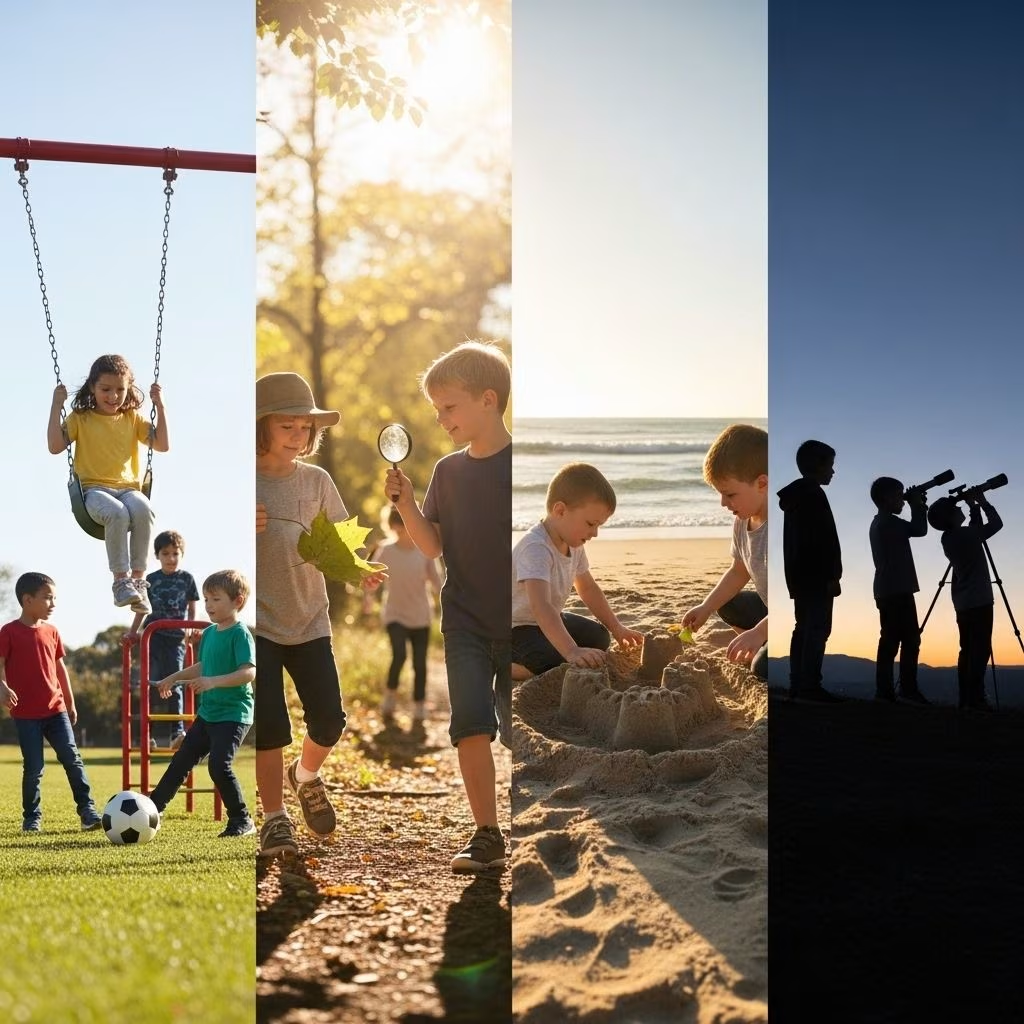
Outdoor play is a pillar of healthy childhood development. Yet, the question remains: when is the best time of day for kids to be outside to maximize their physical, emotional, and cognitive benefits? Modern research, expert opinions, and centuries-old wisdom converge to provide a nuanced answer for parents, educators, and caregivers. This article dives into the science, recommendations, and practical tips so families can plan outdoor routines that best support their children’s well-being.
Introduction: Why Outdoor Play Matters
Children’s lifestyles have shifted dramatically in recent decades, with an overwhelming move from outdoor activity to indoor, screen-based entertainment. Studies show that the average child spends only 4–7 minutes per day in unstructured outdoor play, compared to several hours spent on electronic devices. This drastic reduction in outdoor activity has triggered global concern about its effects on child health, emotional well-being, and development.
Outdoor play is far more than just a pastime; it is vital for children’s growth and happiness. Understanding not only how much, but when, kids should play outside can empower families to gain the maximum benefits from nature.
Physical, Mental, and Social Benefits of Outdoor Play
Multiple research articles and expert recommendations highlight a broad range of benefits for children who spend significant time outdoors:
- Enhanced Physical Development — Outdoor activity supports motor skills, strength, endurance, immune function, and a healthier BMI.
- Improved Mental Health — Time in nature correlates with reduced stress, less anxiety, and better mood in kids and teens.[10]
- Better Social Skills — Interacting outdoors fosters peer relationships, cooperation, self-confidence, and a sense of responsibility.
- Cognitive Boosts — Regular outdoor play enhances attention, creativity, sensory integration, and academic performance.
- Eye Health — Time outside has been linked to reduced rates and slower progression of myopia (nearsightedness) in children.
Given the array of benefits, it is clear that both the amount and timing of outdoor play are essential factors for maximizing positive outcomes.
The Best Time of Day for Outdoor Play
The optimal time of day for outdoor play depends on health, environmental, and practical considerations. Not all daylight hours are created equal when it comes to harnessing the advantages and minimizing the risks of outdoor activity. Below, we evaluate morning, midday, and afternoon/evening play.
| Time of Day | Benefits | Potential Drawbacks | Best Ages |
|---|---|---|---|
| Morning (8 AM–11 AM) |
|
| All ages, especially young children |
| Midday (11 AM–2 PM) |
|
| School-age kids with proper sun protection |
| Afternoon (2 PM–6 PM) |
|
| All ages, especially school-age children |
| Evening (6 PM–Sunset) |
|
| Older children and families |
Research Insight: A 2022 study suggests that outdoor play between noon and 6 PM is linked to better emotional regulation in children, compared to play early in the morning or late in the evening, which are associated with more emotional dysregulation. However, every child is unique and context matters. Combining periods of outdoor play throughout the day, while avoiding extreme heat or peak sun hours, is generally ideal.
Special Considerations for Infants and Toddlers
- Very young children are more susceptible to temperature extremes and should avoid midday sun.
- Morning and late afternoon are safest for babies and toddlers, ideally in shaded areas.
Sun Safety and UV Protection
- UV rays are strongest from 10 AM to 4 PM. Protective hats, clothing, and sunscreen are essential if outside during these hours.
- Seek shade whenever possible for longer periods in midday.
How Long Should Kids Play Outside?
While the best time of day for outdoor play is key, duration is equally important. Here’s what leading experts and global health organizations recommend:
- Baseline: At least 1–2 hours daily of outdoor play for school-age children.
- Optimal: Three or more hours a day is linked to enhanced cognitive and physical development.
- Vision Health: Studies indicate that 13 hours per week (almost 2 hours/day) outdoors can significantly reduce the risk of developing myopia.
- Unstructured Play: Most time should be free or unstructured play—children are more likely to engage deeply, develop their imaginations, and gain diverse sensory input.
While four to six hours per day may not always be practical, aiming for at least one to three hours outdoors each day (more in pleasant weather) yields major developmental payoffs.
Seasonal and Weather Considerations
Climate, daylight changes, and weather conditions significantly affect the timing and safety of kids’ outdoor play:
- Spring and Autumn: Ideal for morning and afternoon play, with moderate temperatures and lower UV risk.
- Summer: Schedule outdoor activity earlier in the morning or late afternoon to avoid midday heat and sunburn.
- Winter: Maximize exposure during the warmest part of the day (late morning to early afternoon). Dress in layers and keep sessions shorter in harsh cold.
Regardless of season, monitor weather advisories for wind chill, heat index, and air quality, and always adapt outdoor plans accordingly.
Barriers to Outdoor Play and How to Overcome Them
Several obstacles may limit opportunities for optimal outdoor play timing:
- Parental Schedules: Work and school hours may constrain daylight playtime, especially in winter.
- Weather Extremes: Hot, cold, or rainy conditions may reduce outdoor access.
- Limited Safe Spaces: Urban environments or safety concerns may pose challenges.
- Screen-Based Distractions: Children are increasingly drawn indoors by electronics and virtual entertainment.
Overcoming Barriers:
- Prioritize outdoor play right after school or during early evening when possible.
- Choose safe local parks, schoolyards, or community playgrounds.
- Embrace weather-appropriate clothing and plan for shorter, more frequent sessions in tough climates.
- Set family screen-time limits and pair them with regular outdoor time incentives.
Practical Tips for Parents and Caregivers
- Observe your child’s alert, happy periods and fit outdoor play into those windows (often mid-morning and late afternoon).
- Combine structured time (sports, nature walks) with unstructured free play.
- Make outdoor play a daily family ritual—walks after dinner or weekend adventures.
- Invite neighbors or classmates to join for greater social motivation and supervision.
- On hot days: Hydrate frequently, use sunscreen, and plan under shade or during cooler hours.
- On cold days: Dress children in waterproof layers, take warming breaks, and watch for signs of chill.
- Minimize interruptions to allow kids to engage deeply with their environment and peers.
Frequently Asked Questions (FAQs)
Q: What is the best time of day for outdoor play in hot climates?
A: Early morning and late afternoon are safest to avoid heatstroke and sunburn. Between 10 AM and 4 PM, seek shade and apply sun protection.
Q: Can outdoor play boost my child’s performance at school?
A: Yes, children who play outdoors regularly show improved attention, creativity, and problem-solving skills, which translate to academic gains.[10]
Q: Is it okay for kids to play outside in winter?
A: Yes, as long as children are dressed appropriately for warmth and safety. Aim for sessions during the warmest daylight hours and watch for weather advisories.
Q: How much outdoor play is needed for good vision health in children?
A: Research shows that nearly two hours per day (13 hours per week) outdoors can help prevent and slow the progression of myopia.
Q: Is outdoor play in the evening a good idea?
A: Evenings can be enjoyed outdoors, especially when family routines allow. Be mindful of insects and avoid overly active play right before bedtime to prevent sleep issues.
Conclusion
Outdoor play is a cornerstone of childhood growth, health, and happiness. The best time of day for kids’ outdoor play typically spans from mid-morning to late afternoon, with timing adapted to each child’s age, weather, and family schedule. Duration matters; striving for at least 1–3 hours of outdoor play daily gives children the best chance to thrive—physically, emotionally, cognitively, and socially. In any season or environment, a commitment to daily nature time equips children for lifelong well-being and discovery.
References
- https://www.miracle-recreation.com/blog/why-should-my-child-play-outside-benefits-of-outdoor-play-for-kids/
- https://www.1000hoursoutside.com/blog/children-should-be-outside-for-4-6-hours-everyday
- https://www.mykidsvision.org/knowledge-centre/all-about-outdoor-time
- https://pmc.ncbi.nlm.nih.gov/articles/PMC11660033/
- https://biglifejournal.com/blogs/blog/benefits-of-outdoor-play-less-screen-time
- https://www.nwf.org/Kids-and-Family/Connecting-Kids-and-Nature/Health-Benefits-and-Tips
- https://www.horizonhealthnews.com/the-truth-about-children-and-outdoor-play/
- https://www.beststartpediatrics.com/power-of-outside-play/
- https://courier.unesco.org/en/articles/time-go-out-and-play
- https://childmind.org/article/why-kids-need-to-spend-time-in-nature/


