


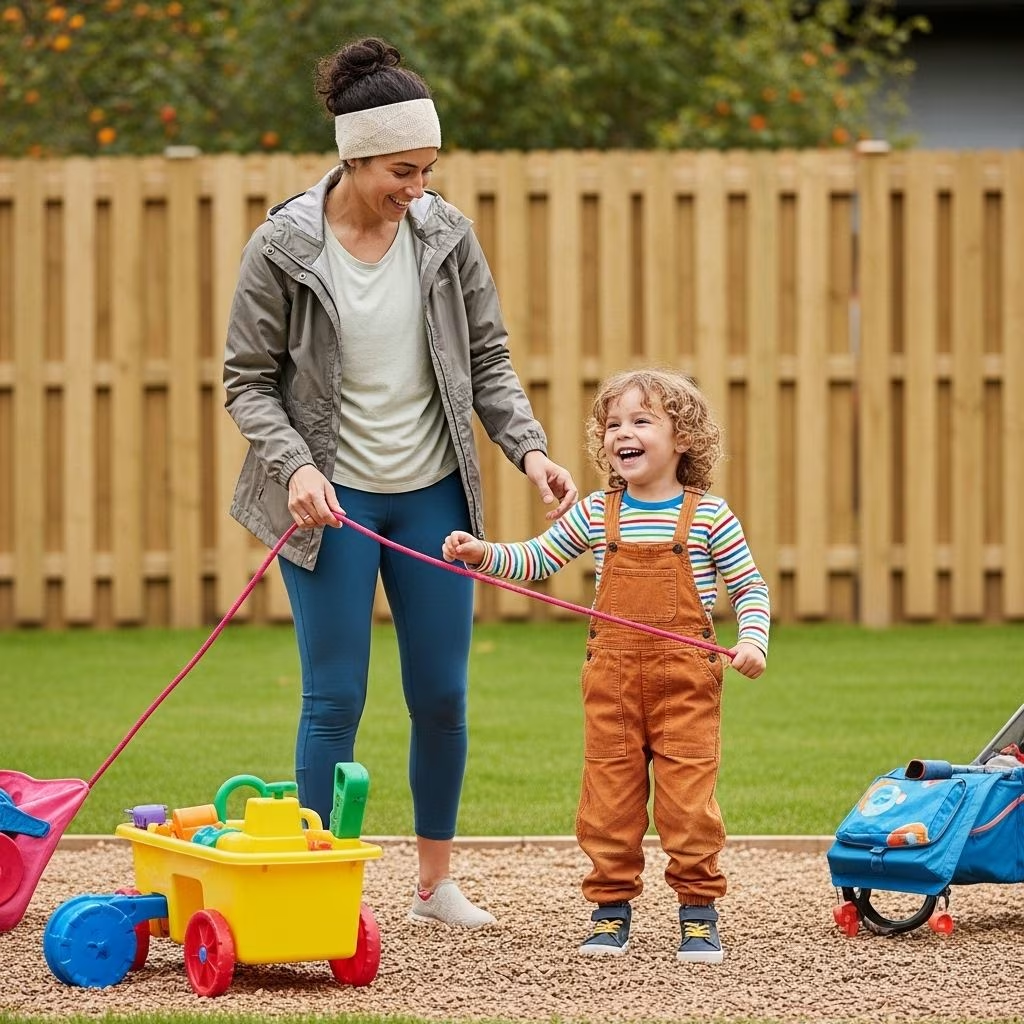
As remote work continues to be a common reality for many families, parents face the unique challenge of balancing professional responsibilities with their children’s need for movement, exploration, and social interaction. Outdoor play isn’t just a way to burn off energy—it’s vital for children’s development and family wellbeing. This comprehensive guide offers practical, creative, and research-backed outdoor play strategies specifically designed for parents working from home.
Why Outdoor Play Matters for WFH Families
Outdoor play is more than a way to entertain children—it supports cognitive, social, emotional, and physical development. Especially for parents working from home (WFH), creating opportunities for outdoor play can:
- Relieve stress for both parents and kids by providing fresh air, sunlight, and a change of scenery.
- Encourage physical activity that combats screen time fatigue and sedentary habits.
- Foster creativity, independence, and problem-solving through unstructured play.
- Strengthen family bonds, even when time together is limited.
- Model healthy lifestyle habits for lifelong well-being.
Studies and parenting experts alike emphasize that time spent outdoors offers measurable benefits to children’s mood, attention span, and resilience.
Balancing Work and Outdoor Play: Key Principles
For parents juggling meetings and deadlines, the goal is not perfection but finding practical routines and strategies that allow for both productive work and meaningful outdoor experiences. Here are some guiding principles:
- Prioritize predictability: Children thrive when they know what to expect. A reliable schedule that includes outdoor time can help minimize interruptions during critical work periods.
- Encourage independence: Offer children age-appropriate choices for safe, self-directed outdoor play, freeing up your attention when needed.
- Utilize micro-moments: Not every outdoor play session needs to be long; even 10–15 minutes of fresh air can reset moods and energy levels.
- Combine work and outdoor supervision: When possible, set up your workspace near a window, on a patio, or in the backyard so you can supervise and interact while working.
Structuring the Day: Schedules and Routines for Outdoor Play
Creating a daily rhythm that integrates outdoor play with work demands can make life more manageable. Consider these scheduling tips:
- Morning Movement: Start the day with a family walk, morning yoga in the backyard, or nature observation to energize both kids and adults for the day ahead.
- Midday Breaks: Schedule breaks during lunch or between virtual meetings for children to play outside—use timers or visual schedules so children know when it’s time to come in or check back in with you.
- Afternoon Wind Down: After finishing work, join your children for a shared outdoor activity. This signals a transition from work to family time and helps everyone unwind.
Sample WFH & Outdoor Play Schedule
| Time | Activity |
|---|---|
| 8:00–8:30 am | Family walk or yoga outdoors |
| 8:30–10:30 am | Parent work / Kids’ independent play (indoors) |
| 10:30–11:00 am | Outdoor independent play or supervised backyard activity |
| 12:00–1:00 pm | Lunch + Outdoor picnic or nature scavenger hunt |
| 3:30–4:00 pm | Post-work family outdoor play: bike ride, gardening, or sports |
Independent Outdoor Play Ideas for Kids
When you absolutely need quiet, productive work time, independent outdoor play activities can keep children engaged and safe. These require minimal setup and are often easy to supervise from a distance:
- Blowing bubbles: Simple and mesmerizing for ages 2 and up. Offer different wands or challenge kids to see who creates the biggest bubble.
- Sidewalk chalk art or games: Drawing, hopscotch, or creating obstacle courses on hard surfaces ignite both creativity and movement.
- Sandbox play: Building, digging, and sensory exploration for long periods with little oversight.
- Nature hide and seek: Hide a colorful stone or pinecone and give clues for your child to find it—a self-sustaining game in a contained space.
- Bug hunts and backyard safaris: Arm children with a magnifying glass, jar, and a notebook for discovering insects and documenting findings.
- Leaf tracing and nature art: Collect different leaves and trace them with crayons or pencils, noticing patterns and shapes.
- Remote control car races: Great for driveways or sidewalks, allowing for safe, energetic fun.
- Water play: Supervised water balloon tosses or simple outdoor sprinklers (weather permitting).
- Build a backyard fort: Let kids use blankets, cardboard, or natural materials to create a temporary hideout.
- Scavenger hunts: Print or draw up simple item lists for kids to find around the yard or garden.
Outdoor Activities to Do Together
Shared family activity time outside is crucial for relationship building and fun. These activities can be short and energizing, fitting into breaks or after work:
- Biking together: Explore your neighborhood or local trails, adjusting distance and pace for all ages.
- Walking or hiking: Even a walk around the block or park offers new sights and discussion starters.
- Outdoor yoga or stretching: Build in mindfulness and movement for all.
- Classic games outdoors: Simon Says, Mother May I, Duck Duck Goose, or Monkey in the Middle get kids moving and giggling.
- Backyard picnics: Even a simple snack on a picnic blanket feels special outdoors.
- Gardening together: Plant flowers, herbs, or vegetables—children learn patience and responsibility, and parents can relax or chat while everyone’s hands are busy.
- Tee-ball or kickball games: Fast-paced and fun for mixed-age groups with space to run.
- Birdwatching and nature observation: Equip children with a field guide or app to spot and identify local birds or insects, sparking curiosity and learning.
- Painting or reading outside: Move indoor activities outside for a new perspective—set up an easel or bring along favorite books for reading under a tree.
Creative Backyard and Neighborhood Adventures
Make the most of nearby spaces with imaginative approaches to outdoor play. These strategies promote education, problem-solving, and deep engagement:
- Themed nature walks: Set weekly themes for your walks—find everything blue, count insects, or identify as many flower species as possible.
- Neighborhood scavenger hunts: Create or download printable hunt lists keyed to what’s local (birds, bugs, textures, colors).
- Nature-inspired crafts: Make mobiles with sticks and leaves, DIY fairy houses, or seasonal decorations from outdoor finds.
- Living room outdoors: Move board games, storytime, or dinner outside when possible.
- Mini sports tournaments: Host backyard Olympics, with events such as hula hoop contests, jump rope, or water balloon toss.
- Filmmaking and storytelling: Let kids invent a character or story and film their adventures with a phone or tablet.
- Volunteering outdoors: Walking a neighbor’s dog or helping with community garden tasks builds empathy and connection.
Outdoor Play Safety Tips for Working Parents
Safety is a top priority—especially when your work attention is divided. Ensure a safe play environment with the following measures:
- Set boundaries: Clearly define areas where your children can play independently. For younger children, fenced yards or enclosed gardens offer the greatest peace of mind.
- Check visibility: Ensure you can see or easily check on kids at all times, whether from a nearby window or outdoor workspace.
- Use age-appropriate toys: Only allow access to toys and tools safe for your child’s age and abilities.
- Review rules regularly: Go over simple rules before each play session (e.g., do not leave the yard, always ask before going indoors, etc.).
- Check weather and allergens: Have hats, sunscreen, and water handy. On hot days, set time limits or play in shaded areas.
- Emergency plan: Older children should know how to reach you quickly in case of an emergency, perhaps with a walkie-talkie or, for older kids, a phone.
Making Outdoor Play a Sustainable Habit
Consistency is key to making outdoor play a lasting part of your family’s WFH routine. Helpful strategies include:
- Create an outdoor play supply bin: Stock it with sidewalk chalk, bubbles, sports equipment, nature journals, and seasonal gear for easy access.
- Rotate activities: Keep curiosity alive by mixing up games, crafts, and mini-adventures each week.
- Document experiences: Encourage kids to draw, write, or photograph what they discover. Start a simple nature journal.
- Model enthusiasm: Show genuine interest in your children’s discoveries and projects, even if only for a few minutes at a time.
- Connect with other families: Organize socially distanced activities with neighbors or join local outdoor playgroups if safe to do so.
Frequently Asked Questions (FAQs)
Q: How can I supervise my child while working from home?
A: Set up your workspace near a window or outside on the patio if possible. If your child is old enough for independent play, provide a safe, defined area within sight. Use regular check-ins or technology like walkie-talkies for older kids.
Q: What are some quick outdoor activities for work breaks?
A: Try a 10-minute nature walk, stretching or yoga poses, a brief scavenger hunt, blowing bubbles, or a snack on a picnic blanket.
Q: How do I keep outdoor play fresh and interesting each week?
A: Rotate through different activities such as art, themed walks, sports, and nature crafts. Let children have input on the week’s outdoor adventure ideas.
Q: What if I don’t have a yard?
A: Use local parks, greenways, safe sidewalks, or shared outdoor spaces. Even balconies can host container gardens or chalk art. Many activities are portable and can be adapted to nearby spaces.
Q: My child gets bored easily. What should I do?
A: Encourage open-ended, unstructured play; provide basic materials; and avoid over-scheduling. Sometimes, boredom sparks creativity and independent problem-solving.
Conclusion
Outdoor play, when approached with creativity and flexibility, can become a rewarding part of your work-from-home routine. By integrating simple, sustainable strategies and honoring both your professional and parenting responsibilities, you support your child’s well-being and build cherished family memories—one outdoor adventure at a time.
References
- https://www.brighthorizons.com/article/lifestyle/fun-outdoor-activities-families
- https://kidsrkids.com/avalon-park/2020/05/22/activities-to-do-working-from-home/
- https://ourdaysoutside.com/50-easy-outdoor-activities-for-kids/
- https://www.performancehealth.com/articles/10-games-for-kids-while-you-work-from-home
- https://mommypoppins.com/kids/boredom-busters/working-from-home-a-big-list-to-keep-kids-busy-while-mom-and-dad-work
- https://www.workspaceforchildren.com/blog/tag/Outdoor+Play
- https://www.plt.org/educator-tips/11-tips-for-parents-to-connect-kids-to-the-outdoors/


