


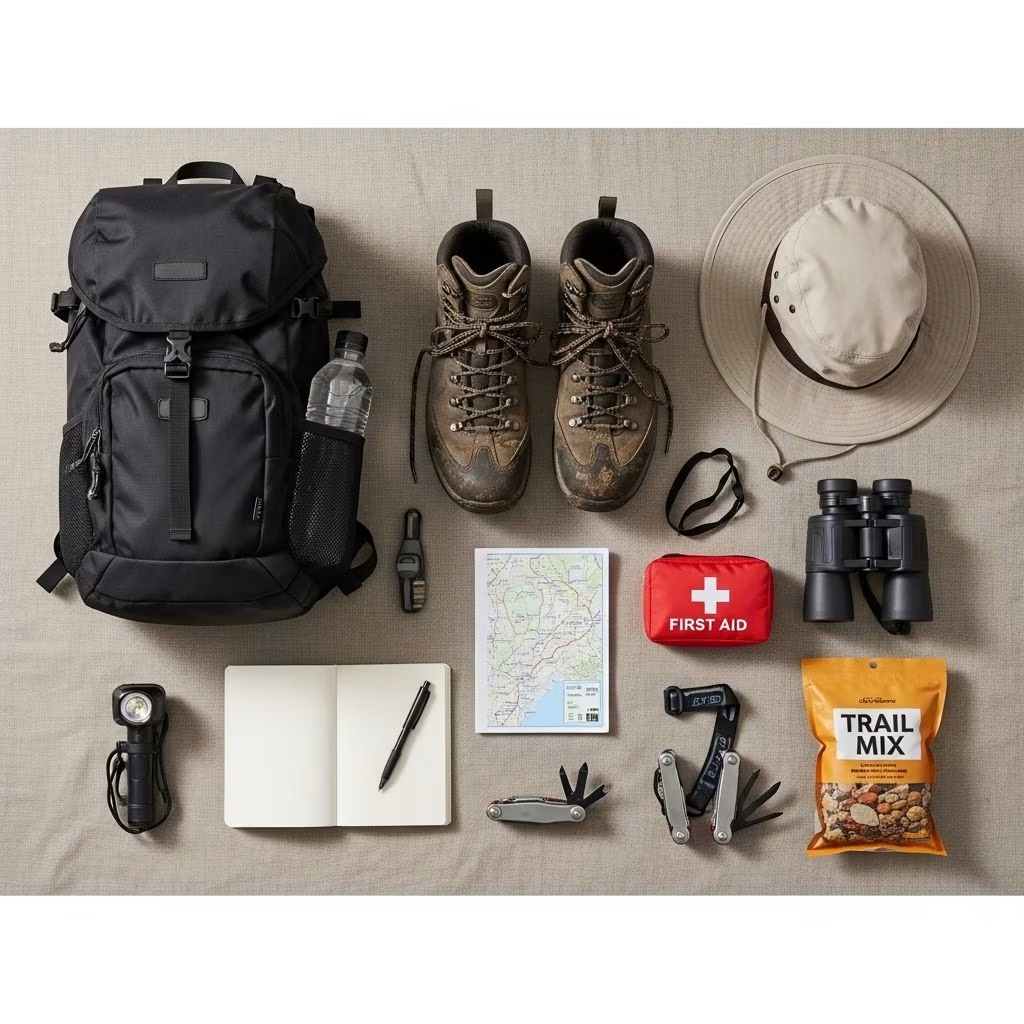
Introduction
Weekly nature walks are a powerful way to connect with the outdoors, improve physical fitness, and boost mental wellbeing. However, to make the most of these excursions, preparation is key. By developing a consistent exploration backpack routine, you ensure that every hike is safe, enjoyable, and environmentally responsible. This guide covers everything you need to know—from essential gear and clothing to navigation, safety, and leave-no-trace practices—so you can confidently hit the trail each week.
Why a Backpack Routine Matters
Establishing a reliable backpack routine minimizes the chance of forgetting critical items, helps you respond to changing weather and trail conditions, and ensures you’re prepared for emergencies. It also fosters good habits, such as regular gear checks and maintenance, which are essential for both day hikes and longer backcountry trips.
Essential Gear Checklist
The Ten Essentials and Beyond
Every hike, no matter how short or familiar, deserves a thoughtfully packed backpack. The “Ten Essentials”—a set of categories originally developed by The Mountaineers—remains the gold standard for hiker preparedness. Adapted for weekly nature walks, your exploration backpack should include:
- Navigation Tools: Map, compass, and/or GPS device. Always have a backup, such as a printed map, in case your phone battery dies.
- Sun Protection: Sunscreen, sunglasses, and a sun hat.
- Insulation: Extra clothing layers for changing weather conditions.
- Illumination: Headlamp or flashlight with spare batteries.
- First Aid Kit: With bandages, blister treatment, pain relievers, and personal medications.
- Fire Starter: Waterproof matches, lighter, or firestarter.
- Repair Kit: Multi-tool, duct tape, and spare parts for your gear.
- Nutrition: High-energy snacks and extra food.
- Hydration: At least two liters of water per person and a way to purify water (filter, tablets).
- Emergency Shelter: Lightweight bivy, space blanket, or large plastic bag.
For weekly nature walks, you may not need everything on extended backpacking trip lists, but these Ten Essentials are a solid foundation—adapt them based on the length, remoteness, and weather conditions of your hike.
Backpack Selection
Pick a backpack with padded shoulder straps, a waist belt for weight distribution, and water-resistant material. For day hikes, a 10–25 liter pack is usually sufficient.
Recommended brands include Osprey, Deuter, and REI Co-op. Try the pack on with weight to ensure a comfortable fit.
Clothing for Nature Walks
Dress in moisture-wicking, quick-drying layers so you can adapt to temperature changes and stay comfortable throughout your walk. Key items include:
- Base Layer: Lightweight, breathable shirt and leggings
- Mid Layer: Fleece or lightweight insulated jacket
- Outer Layer: Waterproof and windproof jacket
- Pants/Shorts: Quick-dry, durable material
- Socks: Wool or synthetic, moisture-wicking, with a spare pair
- Hat: Sun hat, warm beanie, or both
- Gloves: For cooler weather
Avoid cotton—it holds moisture and can lead to discomfort or hypothermia if the weather turns cold and wet.
Food and Water
Pack enough food and water for your planned hike plus extra in case of delays. Choose calorie-dense, lightweight snacks such as nuts, energy bars, dried fruit, and sandwiches. Remember to bring a water bottle or hydration bladder and a water treatment method, like a filter or purification tablets, for longer hikes or when natural water sources are available.
Navigation and Safety Equipment
Modern hikers often rely on cell phones for navigation, but phone batteries can die, and coverage may be unreliable. Always carry a paper map and compass—and know how to use them. Download offline maps on your phone as a backup.
Consider bringing trekking poles for stability, especially on uneven or steep terrain. Other safety items include an emergency whistle, signal mirror, and multi-tool.
Emergency Preparedness
Even on familiar trails, accidents and unexpected events can happen. In your routine, include:
- A fully stocked first aid kit tailored to your group’s needs
- Emergency contact information and a plan for what to do if separated
- A lightweight emergency shelter (space blanket or bivy)
- Personal medications and any known allergy treatments
Leave No Trace Principles
To protect natural areas for future hikers and wildlife, follow the Seven Leave No Trace principles:
- Plan Ahead and Prepare: Know the regulations, weather, and terrain.
- Travel and Camp on Durable Surfaces: Stick to established trails and campsites.
- Dispose of Waste Properly: Pack out all trash, leftover food, and litter.
- Leave What You Find: Preserve the past and natural objects.
- Minimize Campfire Impact: Use a stove for cooking if possible; if you must have a fire, use established fire rings and keep fires small.
- Respect Wildlife: Observe from a distance and never feed animals.
- Be Considerate of Other Visitors: Yield to others on the trail, keep pets under control, and minimize noise.
Carry a small trowel and unscented hand sanitizer to properly dispose of human waste.
Weekly Routine Tips
To make your preparation efficient and reliable, establish the following habits:
- Designate a Packing Area: Keep your backpack and gear in one place between hikes.
- Weekly Gear Check: Before each hike, inspect your pack for missing or expired items. Restock snacks, water, batteries, and first aid supplies.
- Wash and Dry Gear: Clean and dry shoes, clothing, and packs to prevent odors and deterioration.
- Weather Watch: Check the forecast and adjust your gear list accordingly (e.g., rain gear, extra insulation).
- Route Planning: Choose a trail appropriate for your group’s skill level and review maps the night before.
- Post-Hike Debrief: After each hike, note what gear worked well and what could be improved.
- Maintenance and Repairs: Fix or replace worn or broken gear promptly.
Frequently Asked Questions (FAQs)
What should I pack for a short day hike?
For a short hike (2–4 hours), bring a small backpack with water, snacks, a map, a first aid kit, sun protection, extra clothing, and your phone. Add or remove items based on weather and trail conditions.
How do I choose the right backpack for nature walks?
Select a pack with padded straps and a waist belt for comfort. For day hikes, 10–25 liters is usually sufficient. Try the pack on with weight to ensure a good fit.
Is cotton clothing okay for hiking?
Avoid cotton—it absorbs moisture and dries slowly, which can lead to discomfort and hypothermia in cool, wet conditions. Stick to moisture-wicking synthetic or wool fabrics.
Do I need a sleeping bag for a day hike?
No, a sleeping bag is unnecessary for day hikes. Focus instead on weather-appropriate clothing, food, water, and emergency essentials.
How much water should I bring on a nature walk?
Carry at least two liters of water per person for a day hike, and a way to purify additional water if you’ll be out longer or in a remote area.
What are the Leave No Trace principles?
These seven principles guide responsible outdoor recreation: plan ahead, travel on durable surfaces, dispose of waste properly, leave what you find, minimize campfire impact, respect wildlife, and be considerate of others.
Do I need trekking poles for nature walks?
Trekking poles are optional but can provide stability, reduce joint strain, and help with balance, especially on uneven or steep terrain.
How often should I check and restock my hiking gear?
Inspect and restock your gear before every hike. Check for expired food, depleted first aid supplies, and worn-out clothing or equipment.
Conclusion
A well-planned exploration backpack routine is the foundation of safe, enjoyable, and responsible weekly nature walks. By curating your gear according to the Ten Essentials, dressing in weather-appropriate layers, practicing navigation and emergency preparedness, and following Leave No Trace principles, you’ll be ready for anything the trail brings. With a consistent approach to packing, maintenance, and route planning, every hike becomes an opportunity for adventure, fitness, and connection with the natural world.
References
- https://www.rei.com/learn/expert-advice/backpacking-checklist.html
- https://www.rei.com/learn/expert-advice/day-hiking-checklist.html
- https://www.greatoutdoors.ie/blogs/expert-advice/essential-hiking-checklist-day-hikes
- https://katelynnoutloud.com/the-hiking-essentials-checklist-gearing-up-for-a-safe-adventure/
- https://appalachiantrail.org/explore/plan-and-prepare/hiker-resource-library/overnight-backpacking-checklist/
- https://bearfoottheory.com/3-day-backpacking-checklist/
- https://www.nps.gov/articles/10essentials.htm
- https://www.iheartpacificnorthwest.com/blog_post/backpacking-gear-list/


