


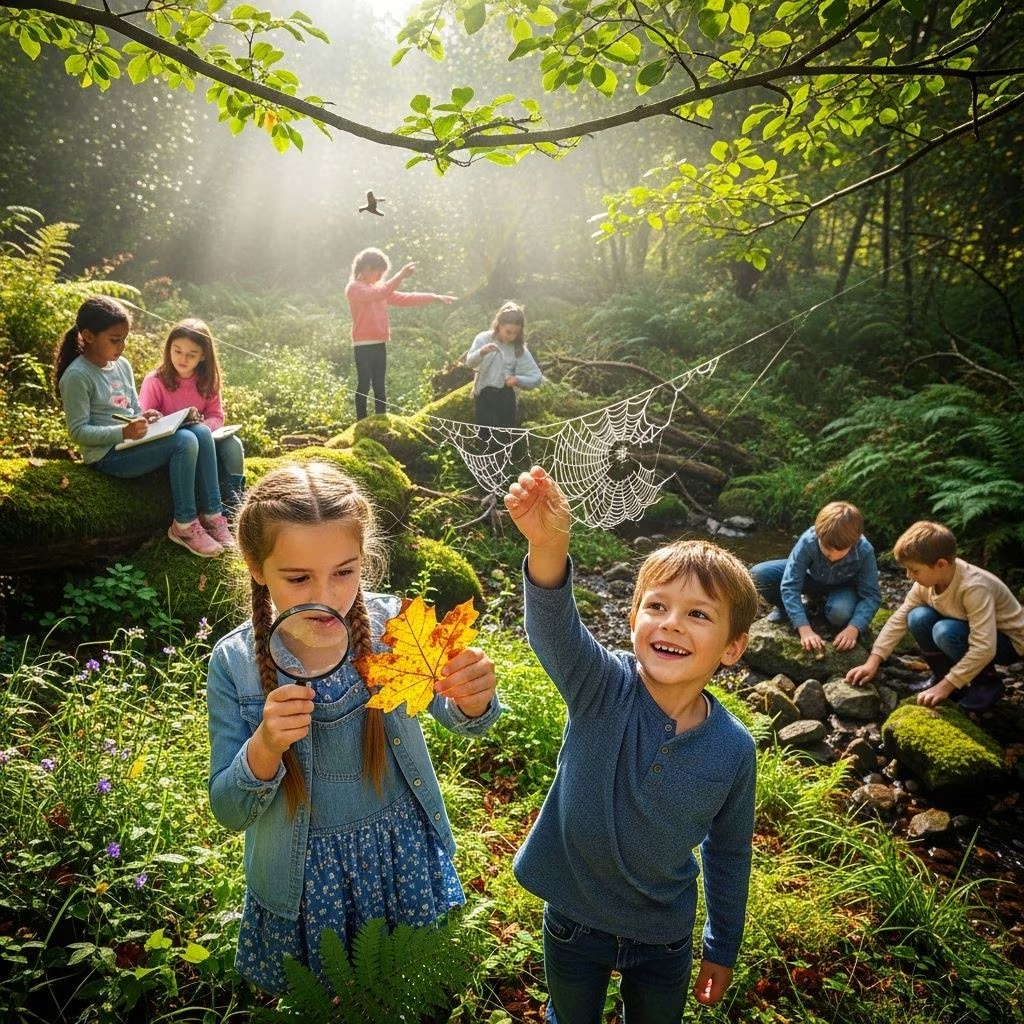
The Children & Nature Network (C&NN) is a leading organization dedicated to increasing children’s direct access to nature and fostering their physical, mental, and educational well-being. Since its founding in 2006, the Network has developed a robust suite of resources, initiatives, and research programs that support families, educators, policymakers, and community leaders in restoring the vital connection between children and the natural world.
Introduction
Modern lifestyles and digital dependency have increasingly kept children indoors, raising concerns about rising rates of physical and mental health issues, decreased environmental stewardship, and lost experiential learning opportunities. The Children & Nature Network exists to counteract this trend by providing accessible, evidence-based tools and community support to reconnect children with nature at home, school, and throughout communities.
Mission, Vision, and Impact
The mission of Children & Nature Network is to give every child in every community a wide range of opportunities to experience and benefit from nature directly. Their central vision is a world in which all children have equitable access to the outdoors—fostering healthy development, joy, and lifelong stewardship of the environment.
Their programs focus especially on removing barriers for underserved communities and championing nature-rich urban, suburban, and rural spaces.
Core Impact Areas
- Health & Wellness: Supporting healthy physical and mental development through outdoor activity.
- Learning & Development: Enhancing cognitive growth, creativity, and academic performance via experiential and nature-based education.
- Equity & Access: Addressing disparities and ensuring nature’s benefits reach children everywhere they live, learn, and play.
- Environmental Stewardship: Cultivating lifelong care and respect for the natural world.
Organization and Leadership
Children & Nature Network was co-founded by a distinguished panel of educators, authors, and activists who have advanced the children-and-nature movement globally.
Notable Co-Founders
- Richard Louv – Journalist and author of Last Child in the Woods, credited with popularizing concerns about “nature-deficit disorder”.
- Cheryl Charles – Author, educator, and advocate for community-based environmental education.
- Marti Erickson, PhD – Developmental psychologist and host of the Mom Enough podcast.
- Martin LeBlanc, Amy Pertschuk, Michael Pertschuk.
| Leadership Position | Name |
|---|---|
| Executive Director | Sarah Milligan Toffler |
| Consulting Research Director | Cathy Jordan |
| Director, Strategic Initiatives | Margaret Lamar |
| Director, Leadership & Natural Leaders Network | Juan Martinez |
| Director, Marketing and Communications | Laura Mylan |
The Board of Directors includes experts from education, public health, philanthropy, conservation, and urban planning to ensure a broad and impactful perspective in all organizational activities.
Core Resources and Offerings
- Resource Hub: A dynamic, open-access library containing toolkits, reports, infographics, webinars, and practical evidence-based guides for a wide range of users.
- News & Research Service: Regularly updated news, insights, and peer-reviewed research materials that inform advocacy, practice, and policy.
- Peer Network: Structured forums to connect researchers, practitioners, parents, and youth leaders to collaborate and share best practices.
- Case Studies: Real-world project showcases illustrating the effectiveness of nature-based learning and Child-and-Nature programs globally.
Resource Types Available in the Resource Hub
- Free toolkits and curriculum guides for families, educators, and program developers.
- Research summaries and infographics accessible to both specialists and the general public.
- Practical tips for incorporating nature experiences into everyday life, regardless of environment or resources.
- Multimedia content, including nature-focused livestreams and interactive experiences.
Key Initiatives and Programs
Children & Nature Network’s initiatives are designed to be scalable, locally adaptable, and rooted in rigorous research.
Flagship Programs
- Natural Leaders Network: Empowers young leaders from diverse communities, providing training and pathways to champion nature access and equity projects nationwide.
- Nature Everywhere Campaign: Mobilizes partnerships to transform urban spaces into nature-rich environments, from parks and trails to schoolyards and public housing.
- Family Nature Clubs: Encourages families to organize group outings, providing models and resources for regular, shared outdoor experiences.
- Green Schoolyards: Assists schools in turning playgrounds and campuses into interactive, ecologically vibrant spaces conducive to learning and play.
- Project One Health Jax: A collaboration aimed at transforming green spaces, advancing community wellness, and providing youth-led urban farming and nature-based after-school programs.
Research and Advocacy Efforts
The Children & Nature Network is globally recognized for its evidence-driven advocacy. Its extensive digital library catalogs peer-reviewed scientific literature, white papers, and knowledge summaries used to advance both practice and policy.
Focus Areas in Research and Advocacy
- Health Impact Studies: Investigating how nature contact improves children’s physical and psychological health outcomes.
- Academic and Cognitive Benefits: Demonstrating gains in student engagement, achievement, and retention through nature-based pedagogies.
- Policy Influence: Supplying data and recommendations to inform policy at local, national, and international levels, including green school initiatives and urban planning guidelines.
- Equity and Access Research: Spotlighting disparities and guiding targeted interventions for marginalized and underserved groups.
Global Reach and Community Partnerships
The Network’s influence extends worldwide, collaborating with local, national, and international partners—from public parks and city governments to school systems and health organizations.
Noteworthy Global Initiatives
- Eco-Schools Program (Morocco): Over 5,000 schools and more than 3 million students implement environmental practices and compete for Green Flag certification, integrating active, student-led stewardship.
- International Research Collaborations: Sharing best practices and policy frameworks across continents, adapting successful models regionally.
Community-Based Partnerships
- Urban Nature Transformations: Collaborations with organizations like Groundwork Jacksonville and LISC to turn underserved neighborhoods into models for community-led green infrastructure and youth engagement.
- Naturally Inclusive Programming: Focus on representation and culturally relevant approaches for BIPOC (Black, Indigenous, People of Color) communities, children with disabilities, and economically challenged regions.
The Documented Benefits of Nature for Children
Extensive research collected by the Children & Nature Network confirms that regular time in nature offers profound benefits for children’s development, health, and future potential:
- Improved Physical Health: Higher activity levels, reduced rates of obesity and related illnesses, and stronger immune systems.
- Enhanced Mental Health: Lower stress, anxiety, and symptoms of ADHD; greater resilience and positive mood.
- Cognitive Gains: Boosted creativity, problem-solving, and academic performance.
- Social Connection: Increased cooperation, empathy, and strong peer/adult relationships fostered through shared outdoor experiences.
- Stewardship Attitudes: Early exposure to nature builds a lifelong ethic of environmental care and activism.
Case Studies and Success Stories
The Children & Nature Network features numerous examples worldwide of the power of its approach:
- Urban Green Space Revitalization (Jacksonville, FL): Youth clubs and family workshops transformed neglected parks into safe, vibrant outdoor hubs for wellness and play, bringing measurable improvements in community health and cohesion.
- Nature-Based After-School Programs: Initiatives in diverse urban districts provided outdoor education, gardening, and trail stewardship, reducing screen time and increasing physical activity among participants.
- Eco-Schools Certification (Morocco): Student-led committees tackled local environmental challenges—from energy saving to waste reduction—while building critical leadership and project management skills.
- Firefly Experience (Bernheim Forest, KY): Volunteer naturalists, like Bill Napper, foster wonder and curiosity in children and adults through immersive, nighttime nature walks, reigniting community engagement with local ecosystems.
Children & Nature Network Resource Hub Overview
The Resource Hub serves as both a gateway and a repository for the movement, offering materials suitable for:
- Educators: Lesson plans, activity guides, and STEM integration strategies for classroom and after-school programming.
- Families: Seasonal activity lists, guides for starting nature clubs, and tips for urban/outdoor play.
- Community Leaders: Toolkits for policy advocacy, designing green schoolyards, and launching community-wide nature initiatives.
- Researchers & Practitioners: Access to primary studies, case reports, and up-to-date reviews of best practices.
The Hub also features multimedia resources, such as livestreams of animal habitats and guided explorations, to reach those with limited outdoor access and inspire future personal engagement.
Frequently Asked Questions (FAQs)
Q1: What is the Children & Nature Network?
A: The Children & Nature Network is a nonprofit organization dedicated to increasing equitable access to the benefits of nature for children, families, schools, and communities worldwide by providing resources, research, and advocacy support.1
Q2: Who can use Children & Nature Network resources?
A: C&NN resources are designed for families, educators, school administrators, health professionals, community planners, youth leaders, and policymakers seeking ways to enhance children’s connection with nature.
Q3: What types of programs has C&NN launched?
A: Major C&NN initiatives include the Natural Leaders Network, Green Schoolyards, Family Nature Clubs, and collaborative campaigns like Nature Everywhere.1
Q4: What are the main benefits of children spending time in nature?
A: Documented benefits include improved physical and mental health, cognitive and academic gains, stronger social connections, and greater environmental stewardship.6
Q5: How can a school or family get started?
A: Visit the Children & Nature Network’s Resource Hub to access free guides for integrating nature into school curricula, launching family clubs, or transforming local green spaces.4
Q6: Is there scientific evidence supporting nature-based learning?
A: Yes. The C&NN digital library contains hundreds of peer-reviewed studies and summaries documenting the wide-ranging educational, psychological, and developmental benefits of direct nature experiences.2
References
- https://en.wikipedia.org/wiki/Children_&_Nature_Network
- https://humaneeducation.org/resources/2017/children-nature-network/
- https://www.guidestar.org/profile/14-1959018
- https://www.childrenandnature.org/resource-hub/resources/
- https://www.childrenandnature.org
- https://www.childrenandnature.org/the-benefits-of-nature/


