


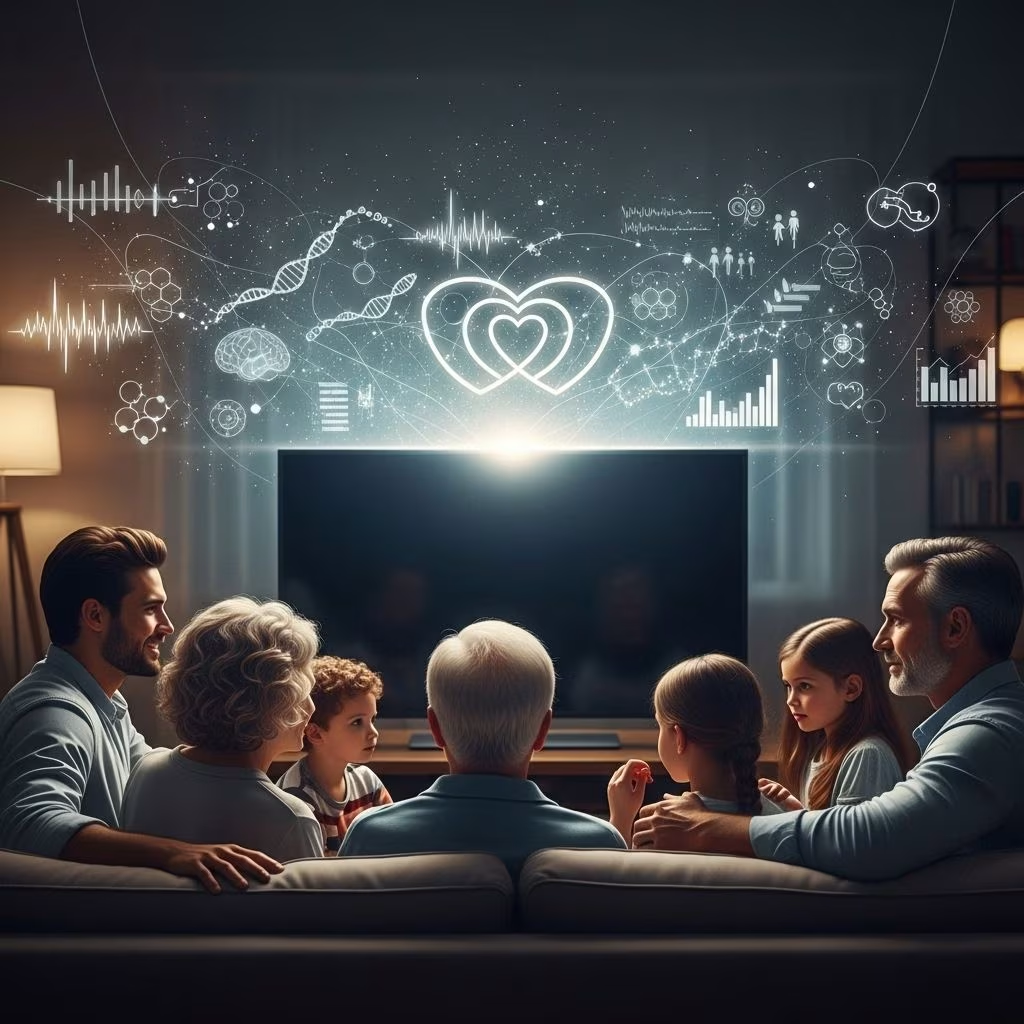
In an era where streaming services dominate our entertainment landscape and binge-watching has become a cultural phenomenon, television often gets a bad reputation for being a passive, isolating activity. However, emerging research challenges this notion, revealing that watching TV and films together can actually be a powerful tool for strengthening relationships, deepening friendships, and even improving our physical and emotional well-being. Far from being a mindless distraction, shared viewing experiences create opportunities for connection, emotional synchronization, and the development of common ground that can sustain relationships through challenging times.
The act of settling in with your partner or friends to watch your favorite shows isn’t just entertainment—it’s a form of social bonding that has evolved alongside our media consumption habits. As our lives become increasingly busy and our schedules more fragmented, finding shared experiences that bring people together becomes more crucial than ever. Television and film viewing offers an accessible, low-pressure way to create these moments of connection, providing couples and friends with a shared narrative universe that extends beyond their immediate daily experiences.
The Relationship-Saving Power of Box Sets
One of the most compelling findings in recent relationship research comes from Aberdeen University, where scientists discovered that couples who regularly watch box sets and enjoy films together demonstrate significantly lower rates of relationship dissolution. This isn’t merely correlation—the research points to fundamental psychological mechanisms that explain why shared media consumption strengthens romantic bonds.
The desire to share common interests represents a cornerstone of relationship satisfaction and longevity. In modern relationships, partners often come from different professional backgrounds, work in entirely separate industries, and may not share overlapping social circles. This divergence can create challenges when couples seek to maintain a sense of connection and shared identity. Without common workplace experiences or mutual friends to discuss, partners might struggle to find conversational touchpoints that reinforce their bond.
Television and film consumption elegantly solves this dilemma by providing a shared social identity that compensates for other areas where couples might lack commonality. When partners invest time in watching and discussing shows together, they create a private universe of references, inside jokes, and shared emotional experiences that become unique to their relationship. This shared cultural consumption functions as relationship currency—a reservoir of common experiences that partners can draw upon to strengthen their connection.
The research emphasizes that this shared social identity represents a key component of interdependence, which is fundamental to relationship quality and stability. When couples develop rituals around watching certain shows together, they’re not just passing time—they’re actively constructing the scaffolding that supports their relationship. These viewing rituals create anticipation, provide structure to downtime together, and offer opportunities for physical closeness and emotional synchronization that might otherwise be difficult to achieve in busy modern lives.
Creating Rituals and Routines Through Shared Viewing
The establishment of viewing rituals extends beyond simple entertainment preferences. When couples designate specific shows as “their shows” that they only watch together, they’re creating relationship rules that demonstrate commitment and prioritization of shared time. These self-imposed boundaries—refusing to watch ahead without your partner, for example—communicate respect, consideration, and investment in the relationship.
These rituals also provide predictable opportunities for connection in relationships where spontaneity might be challenging due to work schedules, parenting responsibilities, or other commitments. Knowing that Thursday night means watching your favorite drama together, or that weekend mornings are reserved for catching up on a comedy series, creates anchor points in the relationship schedule. These regular touchpoints help maintain relationship continuity and provide something to look forward to during stressful periods.
Furthermore, the process of selecting shows and films together involves negotiation, compromise, and consideration of each other’s preferences—all skills that translate to other areas of relationship functioning. Deciding what to watch next, taking turns choosing genres, or finding series that appeal to both partners’ tastes requires communication and mutual respect, subtly reinforcing healthy relationship dynamics.
Emotional Content and Physical Well-Being
Beyond relationship benefits, researchers at Oxford University have uncovered fascinating connections between watching emotional content and physical health outcomes. Their studies demonstrate that viewing emotional or tragic content triggers the body’s endorphin system, actually increasing pain thresholds by boosting levels of pain-killing chemicals released in the brain.
This phenomenon operates through similar mechanisms as exercise-induced endorphin release. Just as physical stress eventually leads to feelings of well-being and increased pain tolerance, psychological engagement with emotional content creates comparable effects. Professor Robin Dunbar, an evolutionary psychology expert at Oxford, explains that the brain regions handling physical pain also process psychological pain, creating this unexpected crossover effect.
In practical terms, the research documented that participants who watched sad films could maintain physically taxing positions 13 percent longer than before viewing the emotional content. This finding suggests that shared emotional experiences through media don’t just affect our psychological state—they produce measurable physiological changes that enhance our physical resilience.
For couples and friends watching together, this translates into a shared physiological experience that goes beyond mere entertainment. The emotional journey of experiencing compelling narratives together creates synchronized hormonal responses that can strengthen feelings of connection and mutual understanding. When partners cry together at a moving scene or laugh together at comedic moments, their bodies are experiencing parallel biochemical reactions that reinforce their bond on multiple levels.
Strengthening Friendships Through Shared Fiction
The benefits of shared viewing extend well beyond romantic relationships into the realm of friendship. Watching moving films and becoming emotionally invested in narratives increases feelings of belonging toward the people with whom you’ve shared the experience. This positive effect on social groups serves as another trigger for elevated endorphin levels, creating a biochemical foundation for friendship strengthening.
The human desire to share affinity for emotive fiction has evolved within the context of social bonding. Whether you’re laughing uncontrollably with your best friend at a comedy or attempting to maintain composure while watching an emotional drama with housemates, these shared emotional experiences create memories and reference points that become part of your friendship’s fabric.
Professor Sophie Scott from the Neuroscience group at University College London emphasizes that shared emotional experiences fundamentally alter how we feel about the people present during those experiences. The act of processing emotions together—whether joy, sadness, fear, or excitement—creates a sense of emotional synchrony that makes people feel closer and more connected.
This scientific validation of shared viewing experiences explains why discussion of television shows and films has become such an integral part of social interactions. Water cooler conversations about the latest episode aren’t superficial time-wasting—they’re opportunities to reinforce social bonds by referencing shared cultural experiences and demonstrating membership in the same social universe.
The Neuroscience of Shared Experiences
Diving deeper into the neurological mechanisms underlying these effects, researchers have identified several key processes that occur during shared media consumption. When people watch emotionally engaging content together, their neural responses begin to synchronize. This neural coupling means that different individuals’ brains start processing the narrative in similar ways, creating a biological foundation for shared understanding and empathy.
Brain imaging studies reveal that when we watch compelling stories unfold, we activate not just the visual and auditory processing areas, but also regions associated with social cognition, emotional processing, and even motor simulation. When we see characters experiencing emotions or taking actions, our brains partially simulate those experiences, creating a form of vicarious engagement that feels personally meaningful.
When this process occurs simultaneously with another person, the resulting shared neural activation creates a powerful bonding experience. Both individuals are essentially experiencing parallel internal journeys while physically present together, creating multiple levels of connection—the shared external experience of watching, the synchronized internal neural responses, and the opportunities for discussion and emotional processing afterward.
Building Communication Skills Through Media Discussion
The conversations that emerge from shared viewing experiences serve as valuable opportunities for developing and maintaining communication within relationships. Discussing plot developments, character motivations, and emotional reactions to narrative events allows partners and friends to practice active listening, perspective-taking, and emotional articulation in a low-stakes environment.
These discussions can reveal aspects of your viewing companion’s personality, values, and emotional responses that might not emerge in everyday conversations. Learning how your partner interprets character decisions or which plot points they find most moving provides insight into their worldview and emotional landscape. This information enhances mutual understanding and empathy within the relationship.
Furthermore, when conflicts or misunderstandings arise in real life, couples who have established patterns of discussing television narratives often find it easier to discuss their own relationship issues. The skills developed through media analysis—considering multiple perspectives, discussing emotional reactions, and working through disagreements about interpretation—transfer directly to relationship communication.
Countering the Digital Distraction Challenge
While the benefits of shared viewing are substantial, modern technology introduces challenges that can undermine these advantages. The prevalence of second-screening—simultaneously using phones, tablets, or laptops while watching television—threatens to transform shared viewing from an engaged social activity into parallel individual experiences happening in the same physical space.
When attention splits between the show and social media notifications, text messages, or other digital distractions, the neural synchronization and emotional engagement that create bonding effects become diluted. Partners may be physically present together, but their attention and emotional investment remain divided, preventing the full relationship benefits from materializing.
To maximize the relationship-strengthening potential of shared viewing, couples and friends should consider establishing device-free viewing policies for shows or films they’ve designated as important shared experiences. Creating technology-free zones during viewing time allows for fuller engagement with both the content and each other, facilitating the deeper connection that research demonstrates is possible through shared media consumption.
Choosing Content That Strengthens Bonds
Not all television and film content provides equal relationship benefits. Research suggests that emotionally engaging narratives—whether dramatic, comedic, or suspenseful—create stronger bonding effects than passive, low-engagement viewing. Content that provokes emotional responses, stimulates discussion, or requires active attention facilitates greater connection between viewers.
Complex narratives with well-developed characters and meaningful themes provide richer material for discussion and emotional engagement. Shows that explore relationship dynamics, moral dilemmas, or character growth offer opportunities for viewers to reflect on their own lives and relationships through the lens of fiction.
Comedies serve an important bonding function as well, with shared laughter creating powerful positive associations between viewing partners. The physical act of laughing together releases endorphins and creates positive emotional memories associated with your viewing companion.
Couples might consider alternating between different types of content to meet various relationship needs—dramas for deep emotional engagement and meaningful discussion, comedies for stress relief and positive shared experiences, and documentaries or educational content for intellectual stimulation and learning together.
Practical Implementation Strategies
To harness television’s relationship-strengthening potential effectively, consider implementing these evidence-based strategies:
Establish Viewing Rituals: Designate specific shows as shared experiences that you only watch together, creating anticipation and protected relationship time. This commitment demonstrates prioritization of your shared activities and builds relationship continuity.
Create Comfortable Viewing Environments: Invest in making your viewing space conducive to connection. Comfortable seating that allows physical closeness, appropriate lighting, and minimal distractions support engagement with both the content and each other.
Engage in Post-Viewing Discussion: Don’t let the credits roll without processing what you’ve watched together. Discussing reactions, predictions, and emotional responses extends the bonding experience beyond the viewing itself and provides opportunities for deeper connection.
Respect Viewing Agreements: If you’ve agreed not to watch ahead without your partner, honor that commitment. These seemingly small agreements communicate respect and consideration that strengthen relationship trust.
Balance Viewing With Other Activities: While shared television consumption offers relationship benefits, maintaining variety in shared activities ensures well-rounded connection. Combine viewing with other forms of quality time to create diverse relationship experiences.
Addressing Common Concerns
Some worry that television watching represents passive time that could be better spent on more “productive” activities. However, this perspective overlooks the active social and emotional engagement that occurs during shared viewing of meaningful content. The relationship-building that happens through shared media consumption shouldn’t be dismissed as wasted time—it’s an accessible form of connection that fits within the constraints of modern life.
Others express concern about becoming “couch potatoes” or sacrificing physical health for entertainment. The solution involves balance rather than elimination. Shared viewing can coexist with physical activity, outdoor adventures, and other pursuits. In fact, couples who establish varied routines that include both active and relaxing shared activities often report higher overall relationship satisfaction.
The key lies in intentionality—approaching television watching as a conscious choice to spend quality time together rather than a default activity that fills empty hours. When viewing is purposeful and engaged rather than mindless and distracted, it transforms into a relationship asset rather than a liability.
The Evolution of Shared Viewing in Modern Relationships
As streaming services continue to expand and viewing options multiply, the landscape of shared television consumption evolves. The ability to watch entire seasons at once creates new dynamics around shared viewing—the temptation to binge-watch solo conflicts with the desire to experience shows together. Successfully navigating these challenges requires communication, commitment to shared agreements, and recognition of viewing’s role in relationship maintenance.
The increasing quality and complexity of television content, often rivaling or surpassing theatrical films in production value and narrative depth, elevates shared viewing from simple entertainment to genuine cultural participation. Engaging with acclaimed series together provides couples and friends with entry into broader cultural conversations, expanding their shared social identity beyond their immediate relationship into connection with larger communities of viewers.
Frequently Asked Questions
Q: How often should couples watch TV together to see relationship benefits?
A: While there’s no magic number, research suggests that regular shared viewing sessions—even just a few times per week—can provide relationship benefits. The key is consistency and engagement rather than sheer quantity. Establishing reliable rituals around specific shows creates anticipation and protected time for connection, with quality of engagement mattering more than total hours watched.
Q: Does the type of show we watch together matter for relationship bonding?
A: Yes, emotionally engaging content that provokes discussion and emotional responses creates stronger bonding effects than passive viewing of low-engagement content. Complex narratives, compelling characters, and emotionally resonant stories facilitate deeper connection. However, comedies also provide valuable bonding through shared laughter and positive associations, so variety in content types can serve different relationship needs.
Q: What if my partner and I have very different television preferences?
A: Differences in preferences create opportunities for compromise and exposure to new genres. Consider taking turns choosing shows, actively seeking content that bridges your interests, or maintaining both shared shows and individual viewing preferences. The negotiation process itself can strengthen relationship skills like communication and compromise. Many couples find that trying their partner’s preferred genres leads to discovering unexpected favorites.
Q: Is using phones during shows really that harmful to relationship bonding?
A: Second-screening significantly reduces the bonding effects of shared viewing by preventing the neural synchronization and emotional engagement that create connection. When attention divides between screens, you miss opportunities for shared reactions, emotional moments, and the physiological responses that strengthen bonds. Consider implementing device-free viewing for shows you’ve designated as important shared experiences to maximize relationship benefits.
Q: Can watching TV together really compensate for not having other common interests?
A: Research from Aberdeen University demonstrates that shared media consumption can indeed compensate for lacking other common interests by providing a shared social identity. When partners don’t work in the same field or share mutual friends, television and film viewing creates alternative common ground for discussion and connection. However, this works best as part of a balanced relationship that includes multiple forms of shared experience and quality time.


