


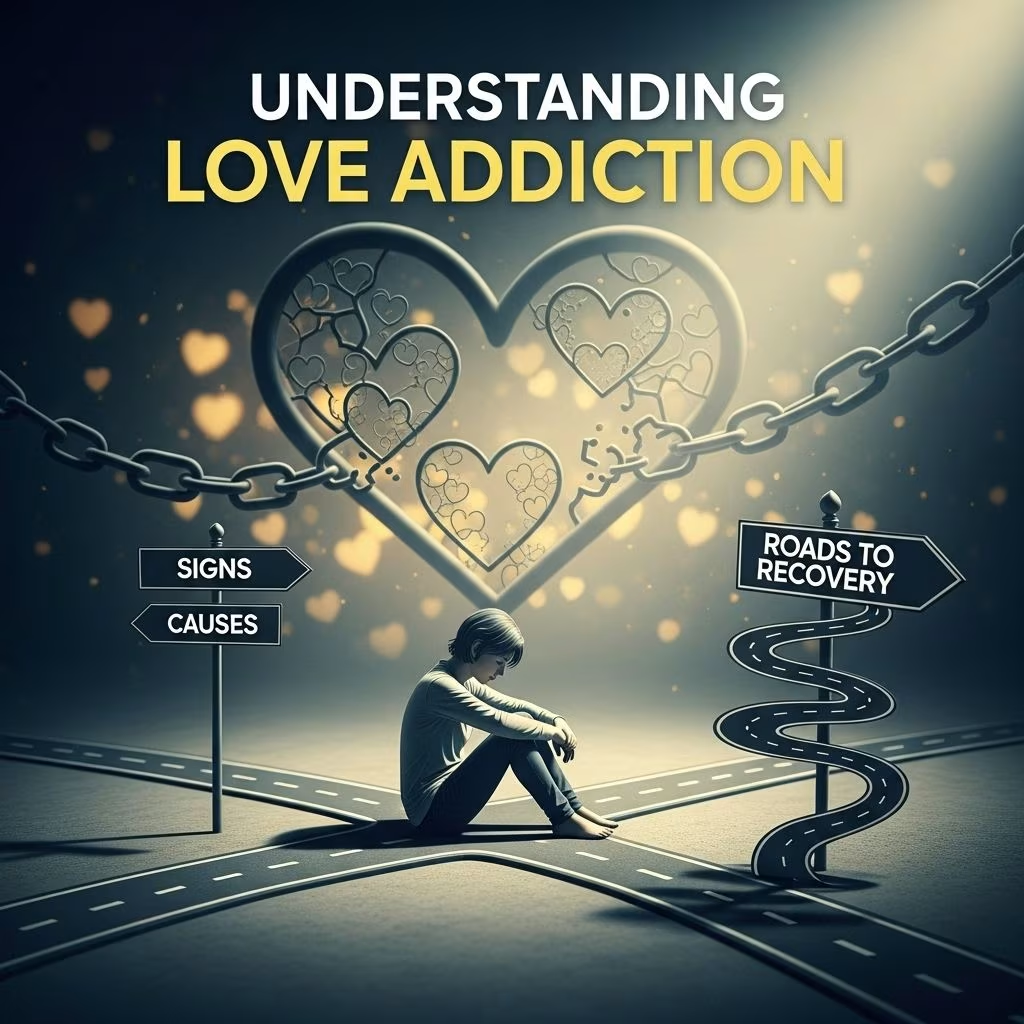
What Is Love Addiction?
Love addiction is a pattern of behavior in which individuals develop an intense emotional fixation on another person or on the process of falling in love itself. This fixation is so pervasive that it begins to dominate one’s thoughts, feelings, and daily life, often to the detriment of personal wellbeing, professional responsibilities, and other relationships.
Unlike the typical joys and excitements of romance, love addiction is distinguished by its compulsive nature and the inability to stop the behavior despite negative consequences. Those struggling with this issue feel a desperate need for affirmation, intimacy, or excitement through love or relationships, prioritizing these feelings above all else.
- Compulsive need for love or being in a relationship
- Obsessive thoughts about the object of affection
- Neglect of other life responsibilities and relationships
- Unhealthy patterns that repeat across different partners or scenarios
Is Love Addiction Recognized As a Mental Health Disorder?
Currently, love addiction—sometimes termed pathological love—is not officially classified as a mental disorder within major diagnostic systems. However, mental health professionals acknowledge it as a behavioral addiction, given the parallels with other addictive behaviors such as gambling or substance misuse. These similarities include:
- Loss of control over romantic behaviors
- Persistence in detrimental relationship patterns despite harm
- Emotional withdrawal or distress when not ‘in love’ or in a relationship
The boundaries between healthy love and addiction can be blurry. The main distinguishing features are the lack of control, pervasive thoughts about love/relationships, and severe negative impacts on one’s functioning and well-being.
Common Signs and Symptoms of Love Addiction
While the experience of love addiction can vary, common symptoms include:
- Obsessing over a romantic partner or potential partner
- Feeling unable to function or feeling empty when not romantically involved
- Neglecting work, friendships, or self-care to focus exclusively on a relationship
- Pursuing relationships despite repeated pain or poor outcomes
- Prioritizing romantic love above all other aspects of life
- Persistent fantasies about love, romance, or reuniting with a past partner
- Chasing the emotional ‘high’ of new love—the ‘honeymoon phase’—and feeling restless or unhappy once it fades
- People-pleasing or molding one’s identity to be accepted by a partner
The emotional patterns tied to love addiction can resemble withdrawal or cravings typically seen with substance addictions. The presence of these symptoms—particularly when they result in significant distress or interfere with daily life—may indicate the presence of love addiction.
When Do Symptoms Typically Manifest?
Symptoms can present at various life stages. For some, they emerge after a significant life event, such as leaving an abusive relationship. For others, the behaviors take root during adolescence, often rooted in earlier emotional experiences or family dynamics.
Types of Love Addiction
While the core features are similar, love addiction may take different forms. Experts commonly group them as follows:
- Obsessive/Obsessed Love Addiction: Characterized by an overwhelming preoccupation with the partner, sometimes leading to controlling or stalking behaviors.
- Ambivalent Love Addiction: The person may desire closeness but simultaneously push others away, resulting in turbulent and unstable relationships.
- Codependent Love Addiction: The individual derives self-worth entirely from the relationship, often losing personal identity and boundaries to please the partner.
- Narcissistic Love Addiction: Seeking admiration and validation from others, often lacking true emotional intimacy or empathy.
Regardless of the type, individuals may cycle through idealization and devaluation of partners, intense emotional highs and lows, and struggle with genuine intimacy.
What Causes Love Addiction?
Like other behavioral addictions, the origins of love addiction are multifactorial. Key contributors include:
- Childhood Experiences: Unhealthy attachment patterns, neglect, or emotional wounds can lead to seeking security and validation in adult romantic relationships.
- Low Self-Esteem: Individuals frequently use relationships as a sole source of self-worth and acceptance.
- Unmet Emotional Needs: When fundamental emotional needs are not met during formative years, people may try to fulfill them through patterns of intense, compulsive love.
- Biological Factors: Brain chemistry and hereditary factors may increase vulnerability to behavioral addictions, including love addiction.
- Insecurity and Fear of Abandonment: Constant anxiety over being abandoned or alone often drives compulsive relationship-seeking.
- Previous Trauma: Past relational trauma, including abuse or betrayal, can create a recurring cycle of unhealthy attachment.
- Mental Health Conditions: Co-occurring issues such as depression, anxiety, or personality disorders can play a role.
- Social and Cultural Influences: Societal pressures and media portrayals of ‘perfect’ love contribute to unrealistic expectations and reinforcement of unhealthy patterns.
Risk Factors: Who’s Vulnerable?
Though anyone can experience love addiction, certain risk factors amplify vulnerability:
- Unstable childhood environments or family relationships
- History of abuse, neglect, or trauma
- Chronic low self-esteem or need for external validation
- Lack of healthy relationship role models
Environmental, biological, and societal factors interact to create the risk landscape for love addiction.
Love vs. Love Addiction: Knowing the Difference
| Healthy Love | Love Addiction |
|---|---|
| Mutual respect and independence | Loss of identity; one partner’s needs eclipse the other’s |
| Stable emotional boundaries | Intrusive thoughts or behaviors; poor boundaries |
| Supportive, balanced relationship | Compulsive pursuit or maintenance of relationship, often despite harm |
| Conflict resolved with communication | Crisis cycles, volatility, fear of abandonment |
| Hobbies and other connections thrive | Other relationships and interests neglected |
The transition from healthy love to love addiction is marked by the replacement of self-compassion, balance, and autonomy with obsession, dependency, and emotional chaos.
Impact on Life and Relationships
Left unaddressed, love addiction can:
- Lead to recurrent cycles of unfulfilling or toxic relationships
- Cause emotional burnout, anxiety, or depression
- Harm professional performance and social life
- Increase vulnerability to manipulation or abuse
Patterns of love addiction often perpetuate generational cycles if not recognized and addressed.
Treatment and Healing Approaches
While there’s no quick fix, a combination of approaches can foster meaningful recovery and healthier relationships:
- Therapy: Cognitive behavioral therapy (CBT) and other evidence-based modalities can help individuals identify and redirect obsessive thoughts and maladaptive behavior patterns.
- Trauma-Informed Counseling: Especially for those whose love addiction stems from childhood trauma or relational abuse.
- Building Self-Esteem: Developing self-worth outside of relationships is crucial—practices might include self-acceptance work, hobbies, and supportive friendships.
- Medication: In cases with co-occurring mood disorders, clinicians may recommend antidepressants, mood stabilizers, or medications that modulate the brain’s reward system. Experimental approaches have considered medications like naltrexone or buprenorphine for obsessive symptoms, albeit with caution and under supervision.
- Support Groups: Sharing experiences with others facing similar struggles can offer validation and new perspectives (e.g., Sex and Love Addicts Anonymous).
- Lifestyle Changes: Mindfulness, stress-management, and cultivating balanced activities beyond romance reinforced emotional well-being.
Recovery is a gradual process. Consistent support, self-awareness, and positive relationship models can empower lasting change.
When to Seek Professional Help?
- If intense romantic pursuits are causing significant distress, harming yourself or others, or interfering with work or relationships.
- If you notice recurring unfulfilling or damaging relationship patterns.
- If you feel unable to break unhealthy behaviors on your own.
Engaging with a qualified counselor or therapist early increases the chances of a positive outcome.
Breaking the Pattern: Steps Toward Recovery
- Recognize the Patterns: Acknowledge recurring dynamics in your relationships or attitudes about love.
- Self-Reflection: Explore your emotional triggers, unmet needs, and fears of abandonment.
- Set Healthy Boundaries: Learn to say no, articulate personal needs, and respect others’ space.
- Reconnect With Yourself: Invest energy in personal growth, creative pursuits, and nourishing friendships.
- Educate Yourself: Utilize books, therapy, and reputable online resources about healthy relationships and attachment styles.
- Practice Self-Compassion: Recognize that healing takes time—progress may ebb and flow.
Healing from love addiction means understanding that your value is not contingent on romantic validation. Fulfillment can be cultivated through self-acceptance and a network of supportive, reciprocal relationships.
Frequently Asked Questions (FAQs)
Q: What’s the difference between loving intensely and love addiction?
A: Loving deeply is a normal, healthy part of life. Love addiction is characterized by loss of control, obsession, and harm—it emerges when love becomes the sole focus at the expense of all else, often causing emotional or practical damage.
Q: Can love addiction be linked to other mental health conditions?
A: Yes. Love addiction often co-occurs with issues like anxiety, depression, or trauma-related disorders. It can also co-occur with other behavioral addictions, such as sex or gambling addiction.
Q: Is it possible to recover from love addiction completely?
A: Many individuals achieve meaningful, long-term recovery, though it often requires ongoing self-awareness and support. Professional help and peer groups can be highly effective.
Q: What is the first step to breaking love addiction?
A: The first step is recognizing the unhealthy patterns and seeking support—either through therapy, support groups, or trusted loved ones.
Q: Can loving relationships turn addictive over time?
A: In some cases, healthy relationships can become addictive if personal boundaries weaken, self-worth becomes dependent on the relationship, or if obsessive and possessive behaviors arise.
References
- https://diamondrehabthailand.com/what-is-love-addiction/
- https://www.addictioncenter.com/behavioral-addictions/love-addiction/
- https://www.elsevier.es/en-revista-european-journal-psychiatry-431-articulo-treatment-love-addiction-current-status-S0213616318300120
- https://integrativelifecenter.com/intimacy-disorders/how-to-break-the-pattern-of-love-addiction/
- https://pmc.ncbi.nlm.nih.gov/articles/PMC5378292/
- https://integrativelifecenter.com/intimacy-disorders/can-you-relate-to-these-love-addiction-symptoms/
- https://psychcentral.com/blog/sobriety-for-a-love-addict


