


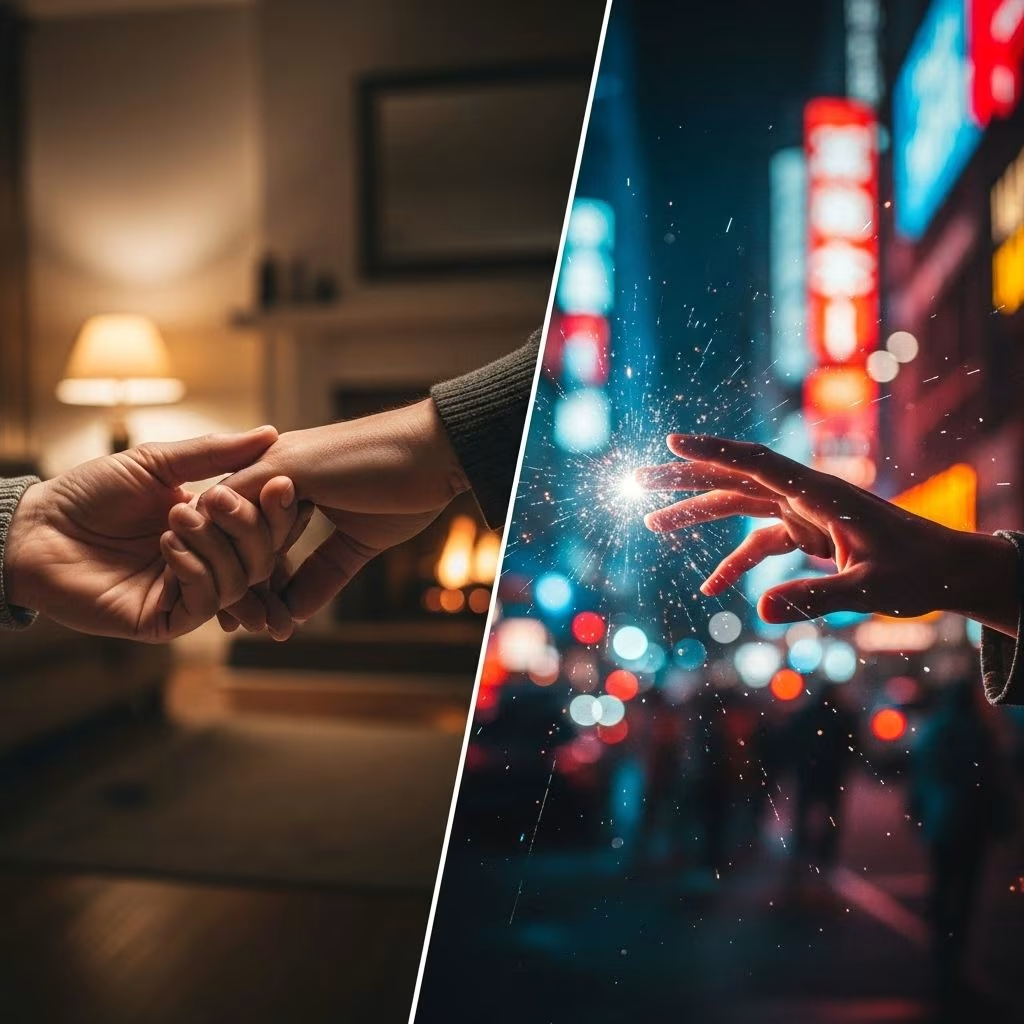
Understanding Love and Infatuation
Relationships can be complex, especially when it comes to distinguishing between love and infatuation. These two intense emotions often feel similar but have distinct characteristics that set them apart.
## Infatuation vs. Love: Key DifferencesInfatuation is typically characterized by an intense, all-consuming passion for someone, often driven by an idealized version of the person. It can feel like being “head over heels” or experiencing “love at first sight,” but it lacks the depth and longevity of love. On the other hand, love involves a deeper connection, acceptance of the other person’s flaws, and a commitment to grow together.### Infatuation- Intense Passion: Infatuation is marked by a strong desire and attraction, often experienced early in a relationship. This can lead to feelings of euphoria and obsessive thinking about the person.- Idealization: People often idealize those they are infatuated with, seeing them as flawless despite potential red flags or incompatibilities.- Superficial Connection: The connection in infatuation tends to be superficial, focusing on physical appearance or surface-level qualities rather than deeper personal traits.- Short-Term Focus: Infatuation is typically short-lived, with feelings often fading as the relationship progresses beyond the initial stages.### Love- Acceptance and Understanding: Love involves accepting the other person, including their flaws and imperfections. It is about valuing and understanding the person as a whole.- Deeper Connection: Love fosters a deeper, more meaningful connection that goes beyond physical attraction. It includes emotional intimacy and mutual respect.- Long-Term Commitment: Love is often a choice and involves a commitment to work through challenges together, aiming for long-term growth and stability.- Emotional Intimacy: It involves a sense of trust, vulnerability, and openness, allowing for genuine emotional connection and support.## Perfection vs. IndividualityInfatuation often leads individuals to view their partner as flawless, ignoring potential issues or differences. In contrast, love acknowledges and appreciates individuality, recognizing that both partners have unique strengths and weaknesses.### Infatuation and Idealization- Ignoring Red Flags: Infatuated individuals might overlook relationship red flags or problematic behaviors, focusing instead on the idealized qualities of their partner.- Fantasizing About Perfection: Infatuation can lead to fantasies about the perfect life with someone, often based on unrealistic expectations.### Love and Acceptance- Embracing Flaws: Love involves embracing the partner’s imperfections and working together to address challenges.- Mutual Growth: It encourages mutual growth and development, fostering a healthy and supportive relationship environment.## Craving vs. SatisfactionInfatuation is often associated with a constant craving for the other person, which can lead to anxiety or uncertainty about their feelings. Conversely, love can bring contentment and satisfaction in the relationship, reducing the need for constant reassurance.### Infatuation and Craving- High Arousal: Infatuation is marked by heightened arousal, excessive laughter, anticipation, and longing, similar to a drug-induced high.- Unsustainable Energy: This intense craving can lead to behaviors that are not sustainable or healthy in the long term.### Love and Contentment- Stability and Satisfaction: Love provides a sense of stability and contentment, allowing individuals to feel secure and satisfied in their relationship.- Emotional Balance: It involves a balance of emotions, reducing the constant need for reassurance and allowing for a more relaxed and stable relationship.## Assumptions vs. IntimacyInfatuation often involves superficial knowledge of the other person, focusing on surface-level interactions rather than deep emotional connection. Love, on the other hand, involves genuine intimacy—knowing and understanding each other on a profound level.### Infatuation and Superficial Connection- Limited Understanding: Infatuated individuals may not have a deep understanding of their partner, often relying on initial impressions or appearances.- External Validation: The relationship may be more about how others perceive it rather than true emotional intimacy.### Love and Genuine Intimacy- Emotional Vulnerability: Love allows for emotional vulnerability, where both partners feel comfortable sharing their deepest thoughts and feelings.- Trust and Support: It involves building trust and supporting each other through life’s challenges.## Infatuation and Relationship RisksInfatuation can lead individuals into relationships that might not be healthy, as they overlook red flags due to idealization. This can result in entering or staying in potentially abusive or toxic relationships.### The Dangers of Idealization- Ignoring Red Flags: Idealizing someone can lead to ignoring serious relationship issues, such as abuse or neglect.- Escalation of Problems: Without addressing these problems early on, they can escalate, making the relationship more challenging to resolve or escape.### Love as a Protective Factor- Acknowledging Issues: Love encourages acknowledging and addressing relationship issues openly and honestly.- Mutual Support: It fosters a supportive environment where both partners can work together to overcome challenges.## Navigating Infatuation to LoveTransitioning from infatuation to love requires effort and self-awareness. It involves acknowledging the differences between these two emotions and making a conscious choice to build a more meaningful connection.### Self-Awareness- Recognizing Signs of Infatuation: Being aware of the signs of infatuation, such as idealization or obsessive thinking, is crucial.- Seeking Balanced Perspectives: Engaging with friends, family, or a therapist can provide a more balanced view of the relationship.### Building a Deeper Connection- Emotional Intimacy: Fostering emotional intimacy by sharing vulnerabilities and working through challenges together.- Mutual Growth: Encouraging mutual growth and learning from each other.## FAQs### Q: How can I tell if I’m in love or infatuated?
A: Infatuation often involves an intense, all-consuming passion and idealization, while love involves a deeper connection, acceptance of flaws, and a long-term commitment.
### Q: What are the risks of infatuation in relationships?
A: Infatuation can lead to overlooking serious relationship issues, potentially leading to involvement in unhealthy or toxic relationships.
### Q: How can I transition from infatuation to love?
A: Developing a deeper understanding of your partner, fostering emotional intimacy, and making a conscious choice to work through challenges together can help transition from infatuation to love.


