The Art of the Mission-Style Carne Asada Burrito
Within the heart of San Francisco’s Mission District lies a culinary icon beloved by locals and travelers alike: the Mission-style carne asada burrito. Renowned for its generous fillings and bold layers of flavor, this burrito stands as a testament to the rich heritage and innovative spirit of Bay Area cuisine. Whether you’re a seasoned burrito enthusiast or a curious home cook, mastering this staple means embracing a meticulous, satisfying process—where every element matters.
Origins of the Mission-Style Burrito
The birth of the Mission-style burrito is intertwined with the history of California’s Mexican-American community. Emerging in the 1960s and 1970s in the Mission District, San Francisco, the burrito quickly evolved beyond a simple tortilla-wrapped meal. Influenced by the area’s vibrant Latino culture and the influx of creative cooks, the Mission-style burrito became known for its significantly larger size and inclusion of a wider array of fillings compared to its traditional northern Mexican counterparts. Today, it stands as a symbol of fusion cuisine, cultural adaptation, and innovation—a portable feast wrapped in a flour tortilla.
What Makes a Mission-Style Burrito Unique?
Not all burritos are created equal, and the Mission style sets itself apart with these attributes:
- Enormous size: Typically much larger than other burritos, built to satisfy even the hungriest diner.
- Layered construction: Each ingredient is carefully distributed, ensuring a harmonious mix of flavors and textures with every bite.
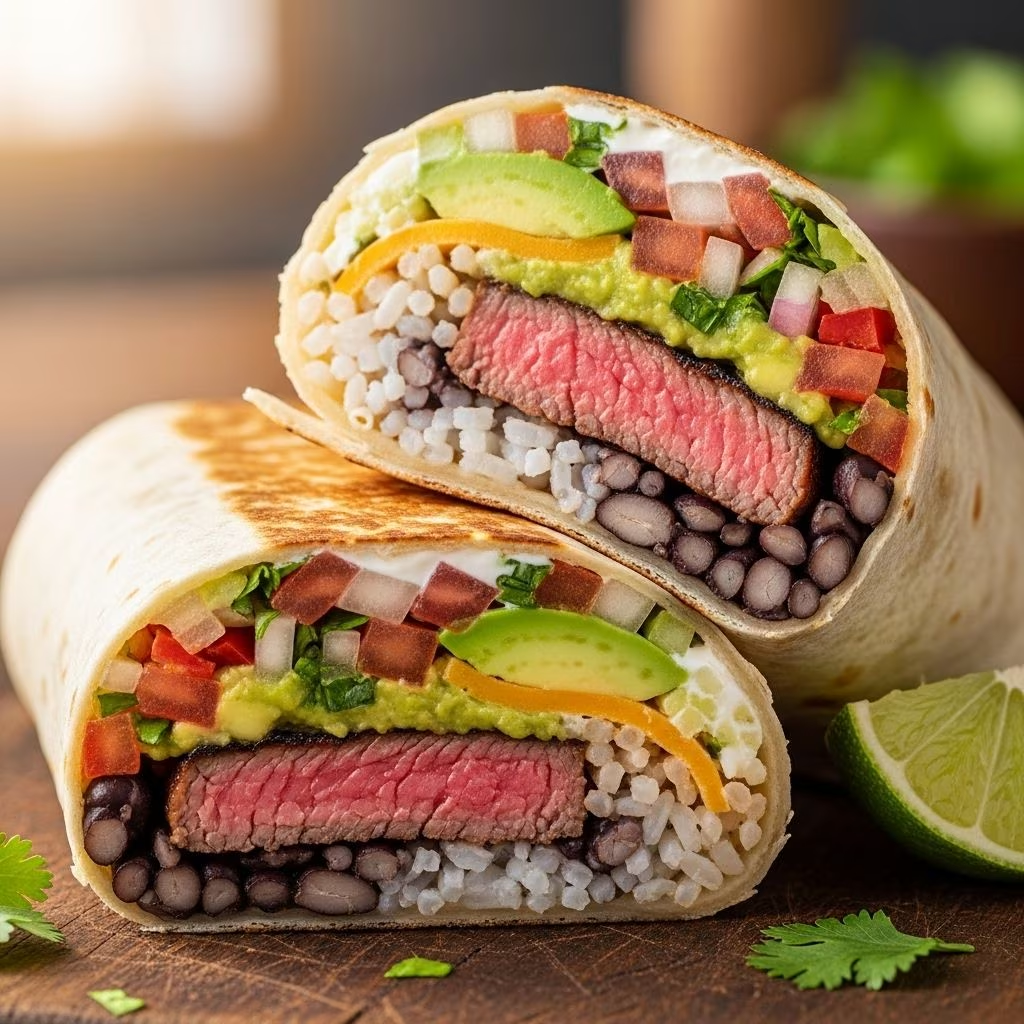
- Variety of fillings: Standard fillings include rice, beans, grilled meat (such as carne asada), salsa, sour cream, guacamole, cheese, and fresh vegetables.
- Steamed or heated flour tortilla: The tortilla is softened, making it pliable and capable of holding a vast bounty of fillings without tearing.
- Wrapped in foil: A signature of the Mission style, aluminum foil keeps the burrito hot and intact, making it a perfect to-go meal.
Essential Components & Ingredients
A stellar Mission-style carne asada burrito is a symphony of quality ingredients, each prepared with care. Here’s what you’ll need for an authentic experience:
Carne Asada (Char-Grilled Skirt Steak)
- 1 1/2 lbs skirt steak (or substitute with flank steak)
- Marinade: Citrus juice (lime and/or orange), garlic, spices (such as cumin and chili powder), olive oil, and fresh herbs
- Salt and black pepper
Rice
- Medium- or long-grain rice
- Chicken or vegetable broth for flavor
- Onion, garlic, and a touch of tomato or saffron for color
Beans
- Creamy pinto beans (traditionally used, though black beans are also common)
- Cooked with aromatics and optionally enhanced with lard or bacon fat for extra flavor
Tortillas
- Large flour tortillas (~12 inches), preferably fresh and soft
Condiments & Extras
- Freshly made guacamole
- Sour cream
- Shredded cheese (Monterey Jack or mild cheddar)
- Fresh or roasted salsa
- Diced onions, cilantro, and chopped lettuce (optional)
- Hot sauce or pickled jalapeños (for added heat)
Step-by-Step Preparation Guide
Crafting the ultimate Mission-style carne asada burrito at home is a rewarding process. Here is a breakdown of each stage:
1. Marinate and Grill the Steak
- Whisk together lime juice, a splash of orange juice, minced garlic, chopped cilantro, olive oil, cumin, and chili powder for the marinade.
- Let the skirt steak soak in the marinade for 1 to 4 hours in the refrigerator.
- Preheat a grill or grill pan to high; sear steak for 3–5 minutes per side, until a flavorful char develops.
- Rest, slice thinly across the grain, and chop for easy burrito assembly.
2. Prepare the Rice
- Sauté onions and garlic in oil until translucent.
- Stir in the rice and toast lightly, then add chicken broth and bay leaves.
- Optionally add a pinch of saffron or a tablespoon of tomato sauce for color.
- Simmer, covered, until fluffy and fragrant.
3. Cook the Beans
- Simmer pinto beans with onion, garlic, and dried bay leaf until creamy.
- Mash partially for extra creaminess or leave whole for texture.
- Season with salt and a bit of bacon fat or lard for authenticity (optional).
4. Prepare Other Fillings
- Mash avocados with lime, onion, cilantro, and salt for guacamole.
- Grate cheese, chop onions, and cilantro, and prepare or buy salsa.
5. Steam the Tortillas
- Warm tortillas on a skillet or steam briefly to soften.
- This ensures flexibility—essential for wrapping without breaks.
6. Assembly
- Lay the warm tortilla flat.
- Begin with a layer of rice, spreading it across the center.
- Add beans on top of the rice, then follow with chopped carne asada.
- Spoon on guacamole, followed by salsa, sour cream, and shredded cheese.
- Add onions, cilantro, lettuce, or other extras as desired.
- Fold sides over, then roll tightly from the bottom up, tucking as you go.
- Wrap the burrito in foil to keep it hot and compact.
Burrito Assembly Table
| Layer | Ingredient | Purpose |
|---|---|---|
| 1 | Rice | Absorbs drippings, structural base |
| 2 | Beans | Creaminess, moisture control |
| 3 | Carne Asada | Primary protein and flavor |
| 4 | Guacamole | Freshness, richness |
| 5 | Sour Cream | Cooling, balances heat |
| 6 | Salsa | Acidity, brightness |
| 7 | Cheese | Melt, creamy melt-in texture |
| 8 | Onion/Cilantro | Aromatic finish |
Expert Tips & Techniques
- Choose skirt steak: Its coarse grain absorbs marinades beautifully and grills up with perfect char and tenderness.
- Use fresh tortillas: Stale or dry tortillas will break during assembly; always steam or heat before wrapping.
- Balance wet and dry: Avoid overloading with salsas or sour cream to prevent sogginess.
- Wrap tightly in foil: This not only keeps the burrito warm but compresses the filling for easier eating.
- Customize fillings: While purists may stick to basics, feel free to tailor to taste—add pickled jalapeños, extra veggies, or swap in black beans.
Serving & Pairing Ideas
- Serve with extra salsa or hot sauce on the side for dipping.
- Pair with a light Mexican lager, agua fresca, or horchata for a refreshing meal.
- Crisp tortilla chips and a simple salad round out the dining experience.
- If making for a crowd, set up a “burrito bar” and let guests choose their own fillings and toppings.
Frequently Asked Questions (FAQs)
Q: Can I substitute another meat for the carne asada?
A: Yes, while skirt steak is traditional for its texture and flavor, flank steak, grilled chicken, carnitas, or even tofu (for a vegetarian version) work well with Mission-style burritos.
Q: What’s the best way to keep a burrito from falling apart?
A: Use fresh, large tortillas heated until soft and flexible. Ensure the fillings aren’t overly wet, and always wrap tightly. Use foil to help hold its shape and retain heat.
Q: Are pinto beans essential?
A: Pinto beans are the traditional choice for Mission-style burritos, contributing a creamy backdrop. However, black beans or refried beans are accepted substitutes based on preference.
Q: Is it necessary to steam the tortillas?
A: Steaming or warming the tortilla is key for pliability, preventing rips and making it easier to wrap the hefty fillings characteristic of Mission-style burritos.
Q: How do Mission-style burritos differ from other regional burritos?
A: Mission-style burritos are typically much larger, include rice and beans as staples, and offer a wide variance of fillings, compared to simpler burritos like those from the Los Angeles or Texas styles, which often use fewer ingredients and smaller tortillas.
Conclusion: Embracing the Mission-Style Experience
Mastering the Mission-style carne asada burrito is about more than nailing a recipe—it’s about honoring an enduring tradition of generosity and flavor. Each thoughtfully prepared layer, from marinated steak to seasoned rice and vibrant condiments, plays a role in creating this beloved San Francisco staple. So, gather your ingredients, wrap with care, and experience the taste of the Mission District—with every hearty, satisfying bite.