


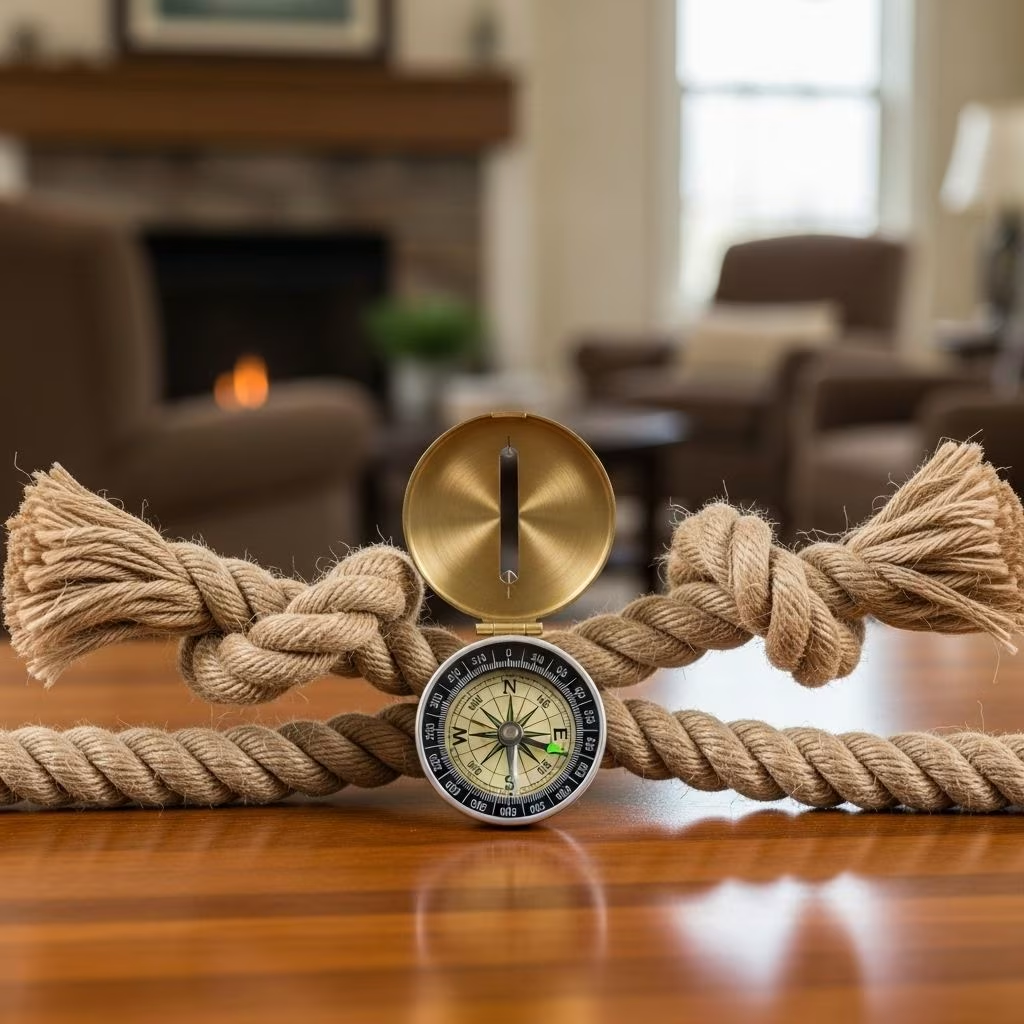
How to Navigate Conflict with Your Partner’s Ex Without Ruining Your Relationship
Being in a relationship where your partner’s ex is a persistent, negative presence can feel overwhelming. Whether the conflict stems from contentious co-parenting, unresolved emotions, or difficult legal situations, the stress can seep into your partnership and threaten its stability. It’s not uncommon for such dynamics to lead to tension, resentment, and even relationship breakdowns if not properly managed. However, with awareness, boundaries, and supportive strategies, it’s possible to sustain a healthy relationship despite these external pressures.
Understanding the Challenge
Forms of modern family life are often complex. If your partner has children from a previous relationship, and their ex is actively involved–whether through custody arrangements or constant communication–you might find yourself caught in the crossfire of parental disputes or lingering emotional ties. These scenarios demand intentional effort and understanding from all parties involved to minimize negative impacts on your relationship.
Steps to Protect and Strengthen Your Relationship
- Set clear and healthy boundaries
- Support your partner without taking on their conflict as your own
- Prioritize time together as a couple
- Respect parental roles and avoid overstepping
- Don’t neglect your own needs and well-being
1. Remove Yourself from the Ex Conflict
One of the most effective ways to prevent your relationship from suffering is to avoid becoming directly involved in the disputes or negotiations between your partner and their ex. While it’s natural to want to offer solutions or advocate for your partner, inserting yourself into their arguments can escalate tensions and backfire.
- Their issues with their ex are best left for them to resolve.
- Taking an active role in their parental disagreements may make you a target for resentment, particularly from the ex who could perceive you as overstepping or threatening their role with the children.
- Be available if your partner explicitly invites your involvement and you have full agreement about what that entails, such as in a long-term commitment or step-parenting scenario.
This approach protects you from unnecessary emotional distress and gives your partner responsibility for maintaining their co-parenting boundaries.
2. Support Your Partner (Without Taking Over)
Your partner may be facing an emotionally exhausting situation—managing the needs of children, challenges with their ex, and the demands of a healthy new relationship. Emotional and practical support go a long way in helping your partner cope and feel appreciated.
- Be a nonjudgmental listener when they need to vent.
- Offer help with logistics (scheduling, helping with the children, or just being a comforting presence) as appropriate.
- Avoid giving unsolicited advice on how to “handle their ex” unless asked; sometimes, supportive silence is the most effective gift you can provide.
- Gently encourage your partner to seek professional help or counseling if the situation is particularly taxing.
3. Plan Time Together & Make Your Relationship a Priority
Conflict with an ex–especially one involving children–can make your relationship feel like a lower priority. You may notice your partner is distracted, overwhelmed, or emotionally unavailable.
- Take proactive steps to create togetherness. Set aside regular dates, special activities, or quiet evenings at home focused on connection.
- If possible, include positive activities with the children to create stronger family bonds, but also carve out time for just the two of you.
- Communicate your needs: let your partner know if you’re feeling sidelined, and work collaboratively to strengthen your partnership.
4. Avoid Uninvited Parenting Roles
It can be tempting to step into a parental role, especially if you live with the children. However, acting as a parent when you are not a step-parent or long-term domestic partner can lead to:
- Resentment from the children (who may see you as an outsider or replacement).
- Animosity from the ex, who may feel threatened by your involvement or view you as overstepping.
- Unnecessary conflict with your partner, particularly if you disagree about boundaries.
Instead, strive for a unique, trusting relationship with the children that’s not based on authority, but on support and friendship. Be attentive to boundaries and always discuss your role openly with your partner. If the family dynamic changes—such as marriage or long-term commitment—re-address roles with all parties involved.
5. Take Care of Yourself and Assess Your Needs
Supporting your partner and stepping back from conflict do not mean neglecting your own needs. Being involved with a parent can bring unique set of challenges, and it’s essential to reflect on your personal fulfillment within the relationship.
- If you feel your own needs are consistently overlooked or you’re exhausted from constantly managing an ex’s drama, talk to your partner.
- Discuss your expectations and emotional needs openly and constructively.
- Consider counseling (individual or couples) if you feel stuck or overwhelmed. A therapist can help both partners develop better communication and stronger coping skills.
- Remember: you are not obligated to be your partner’s emotional caretaker. A healthy relationship involves mutual support and respect.
Why Boundary-Setting Matters
Boundaries are crucial when dealing with high-conflict ex situations. You can only control your own actions, not those of your partner’s ex or even your partner. Establishing personal boundaries can:
- Protect you from emotional harm.
- Foster clarity about what you will and will not participate in.
- Support healthier communication within your primary relationship.
Share your boundaries openly with your partner, and negotiate any gray areas as a team. Collaboration is key, but always stay attuned to what feels comfortable and acceptable for you personally.
Common Pitfalls and How to Avoid Them
- Getting drawn into parental disputes: Even with the best intentions, it’s wise not to fight your partner’s battles with their ex.
- Absorbing negativity: Absorbing all of your partner’s stress can quickly lead to burnout. Listen and empathize, but don’t internalize the conflict.
- Losing your sense of self: Remember to pursue your own interests and well-being outside the relationship.
- Taking over as a parent: Unless carefully agreed upon, over-involvement in parenting can breed resentment and confusion.
Strategies for Building a Resilient Relationship
- Regular communication: Talk honestly and frequently about the impact of the external conflict.
- Develop shared rituals: Make time for personal traditions, such as nightly check-ins, shared meals, or walks.
- Co-create solutions: Tackle shared problems as a “team” rather than falling into blame or isolation.
- Seek outside help: Don’t hesitate to engage therapists or counselors when necessary—for yourself, your partner, or as a couple.
FAQs: Managing Ex-Related Relationship Stress
Q: Should I ever get involved in my partner’s disputes with their ex?
A: Generally, no. Unless you are explicitly invited and all parties agree that your involvement is positive (such as in co-parent or blended family situations), it’s best to let your partner handle disputes directly.
Q: How can I support my partner without taking on their stress?
A: Be empathetic and available to listen, but establish boundaries so you don’t become emotionally overwhelmed. Encourage your partner to seek support or counseling as needed.
Q: What if the ex is creating legal trouble or trying to manipulate custody?
A: Legal challenges are best addressed by your partner and their attorney or a mediator, not by you directly. Offer moral support and help your partner document issues, but do not confront the ex yourself.
Q: Is it wrong to not want to be involved with my partner’s children?
A: Not everyone is ready or suitable for active parenting roles. It’s crucial to communicate your comfort level with your partner and reach mutual agreement on family boundaries and expectations.
Q: How can I ensure I’m not sidelined in the relationship while my partner deals with ex drama?
A: Communicate regularly about your needs for connection and quality time, and ask your partner to make your relationship a clear priority despite external challenges.
Healthy Relationship Table: Do’s and Don’ts
| Do | Don’t |
|---|---|
| Set clear boundaries with your partner and their ex | Intervene in disputes unless asked and all agree |
| Support your partner emotionally | Take full responsibility for their feelings |
| Prioritize quality time together | Allow the ex’s drama to always come first |
| Respectful of the children’s relationship with both parents | Force a parental role if it’s not mutually agreed upon |
| Communicate your feelings regularly | Bottle up resentment or frustration |
Final Thoughts and Self-Care Reminders
The presence of a high-conflict ex in your partner’s life is never easy, but it doesn’t have to signal the end of your relationship. The key lies in knowing where your responsibilities start and end, maintaining compassion for yourself and your partner, and seeking growth together. If the situation ever becomes overwhelming, professional help—from therapists, support groups, or online resources—can provide valuable tools for resilience and renewal.
Frequently Asked Questions (FAQs)
Q: Can couples therapy help when ex drama is affecting my relationship?
A: Yes, couples therapy can provide a safe space to address communication breakdowns, establish boundaries, and help both partners process emotions stemming from ex-related conflict.
Q: What can I do if my partner never prioritizes our relationship due to the ex’s constant demands?
A: Honest, respectful dialogue about relationship priorities is vital. Suggest scheduling regular couple’s time and, if necessary, discuss expectations with the help of a counselor.
Q: Should I confront my partner’s ex if I feel attacked or unfairly judged?
A: Direct confrontation is rarely advised; instead, support your partner in addressing the behavior and maintain your own boundaries. Let your partner take the lead in interactions with their ex.
Q: How do I know if I should stay in a relationship with ongoing ex conflict?
A: Assess whether your needs for respect, safety, and partnership are being met. If the relationship is chronically draining or unhealthy, consider seeking professional guidance to decide your next step.
References
- https://psychcentral.com/blog/relationships-balance/2012/08/07/my-partners-ex-is-ruining-our-relationship
- https://www.healthline.com/health/relationships/one-sided-relationship
- https://www.thefirmformen.com/articles/balancing-co-parenting-responsibilities-with-new-romantic-relationships/
- https://psychcentral.com/lib/dont-ask-your-partner-to-erase-the-past
- https://pmc.ncbi.nlm.nih.gov/articles/PMC8235787/
- https://positivepsychology.com/codependency-definition-signs-worksheets/
- https://balancerehabclinic.com/retroactive-jealousy/


