


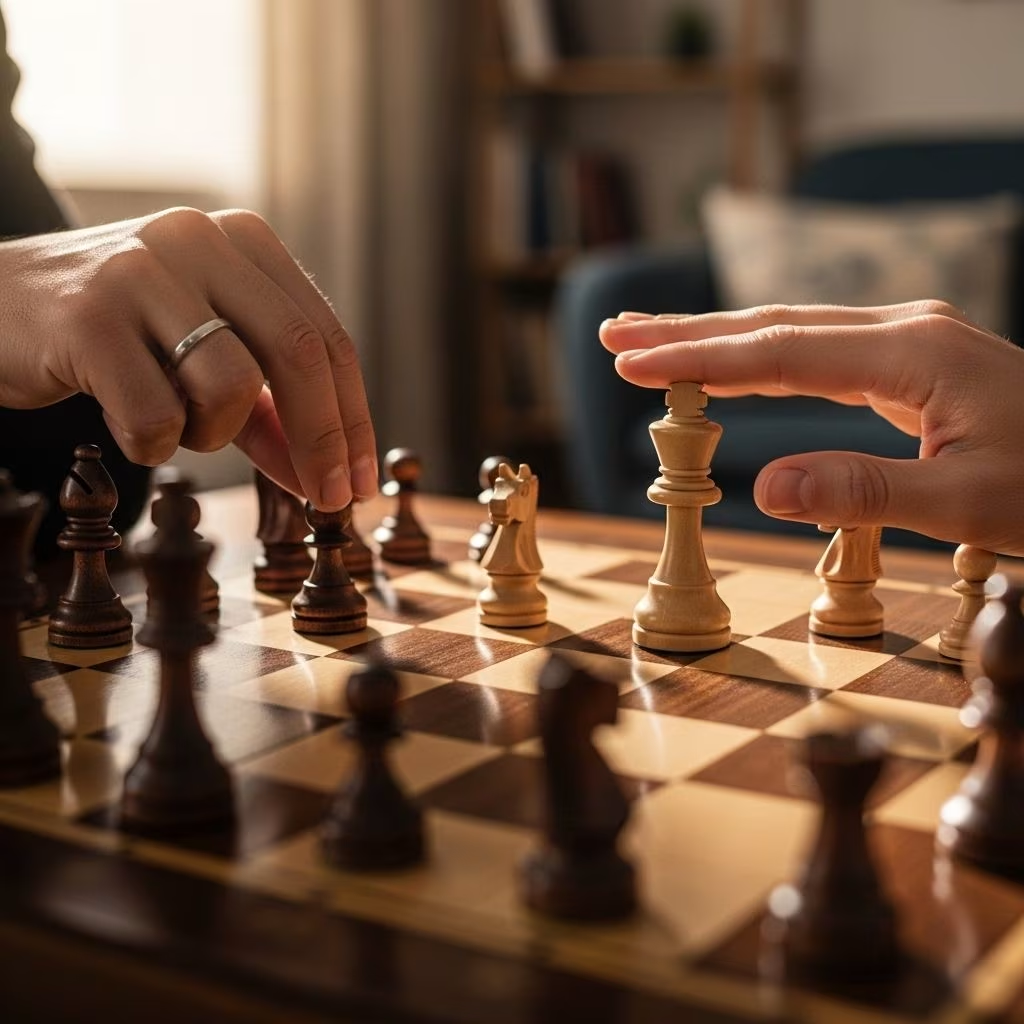
Choose Your Battles: How to Reduce Conflict and Build Stronger Relationships
“A more peaceful way to live is to decide consciously which battles are worth fighting and which are better left alone.” — Richard Carlson
We often imagine relationships as sources of joy and support, yet for many, they become fields of constant friction. In friendships, romantic partnerships, and family bonds alike, minor disagreements can spiral into recurring conflict. Learning to fight less—and more wisely—is a powerful tool for cultivating healthier, happier relationships.
Understanding Why Conflict Happens
Most people have experienced relationships that felt draining: every day brings a new issue, disagreement, or misunderstanding to resolve. Like many, you might find yourself wanting to “fix” things constantly, holding out hope for smoother interactions. But if arguments and friction become the norm, it’s often a sign that something deeper needs attention.
- Minor miscommunications can accumulate and trigger larger disputes.
- Clashing personalities may create a “perfect storm” of egos and insecurities.
- Unaddressed emotional needs can turn trivial issues into battlegrounds.
Sometimes, we unconsciously create drama where none is truly necessary. The instinct to sweat the small stuff signals a need for discernment: what is truly a problem, and what can be let go?
Case Study: When Drama Becomes the Norm
Consider friendships or romantic relationships where daily friction seems inevitable. Reflecting on such experiences often reveals a pattern: personalities that both attract and antagonize, insecurities colliding, and a tendency to inflate minor issues into major conflict. Recognizing these patterns is the first step toward change.
Common Patterns That Lead to Unnecessary Fights
| Pattern | Description | Possible Solution |
|---|---|---|
| Making Everything an Issue | Minor grievances become regular arguments. | Practice discernment; let go of small annoyances. |
| Projecting Inner Stress | Personal frustrations spill into relationships. | Address your own needs; reduce stress accordingly. |
| Idealizing Relationships | Expecting perfection, reacting to every flaw. | Embrace human imperfection; extend empathy. |
| Resisting Necessary Truths | Fighting to avoid confronting deeper issues. | Practice honesty; consider if the relationship is truly healthy. |
How to Decide Which Battles Are Worth Fighting
Not every disagreement needs to escalate. The ability to choose your battles is vital for a harmonious relationship and requires self-awareness, compassion, and a clear understanding of what truly matters to you.
- Evaluate the Issue: Ask yourself whether this problem impacts your wellbeing or the core dynamics of the relationship. Is it about values, respect, or recurring harmful behavior?
- Consider Your Motivation: Are you arguing to be right or to achieve understanding? Does this battle serve the relationship or merely your ego?
- Assess the Likely Outcome: Will debating this issue lead to resolution, or is it likely to cause more harm?
- Reflect on Past Patterns: Is this a recurring disagreement? Has it been resolved before?
When to Let Go
- When the issue is minor and will not matter in the long term.
- If it’s a difference of opinion that doesn’t undermine your values or wellbeing.
- When the problem stems from your own temporary frustration rather than the other person’s actions.
- If resolving the disagreement isn’t worth sacrificing peace and connection.
Self-Awareness: Resolving Inner Conflicts to Reduce Outer Fights
Many battles arise not from genuine differences but from internal stressors—being overworked, emotionally drained, or generally dissatisfied. Before confronting others, first ask:
- Are you prioritizing self-care?
- Do you feel drained because you neglect your own needs?
- Are you projecting personal struggles onto your relationships?
Taking care of your mental, emotional, and physical wellbeing reduces the need for conflict with others. When you nurture yourself, you create space for more balanced and fulfilling interactions.
Breaking the Cycle of Ideals and Expectations
Another frequent source of relationship conflict is the tendency to hold idealized visions of love and friendship—expecting perfection and fighting whenever reality falls short. To move beyond this trap:
- Reflect on Your Own Actions: Have you ever made similar mistakes?
- Extend Empathy: Consider how you’d like others to respond to your own missteps.
- Focus on Generosity: Offer the understanding and support you wish to receive.
This approach doesn’t mean accepting poor treatment, but rather recognizing human imperfection and distinguishing genuine issues from normal mistakes.
Recognizing When It’s Time to Stop Fighting Altogether
Some conflicts reveal deeper truths: ongoing pain, repeated disappointment, or a lack of fulfillment. Sometimes, the healthiest choice isn’t to keep battling, but to honestly assess whether the relationship is nourishing or damaging.
- Ask yourself: If a more fulfilling relationship were possible, would you pursue it?
- Consider: Does this connection lead to more pain than joy?
- Be honest about any compromises you’re making—especially if they erode your self-respect or happiness.
- If you decide to move on, seek support from friends and loved ones; courage often grows in community.
This step—facing uncomfortable truths—can be difficult but is crucial for personal growth and wellbeing.
How to Model Healthy Conflict and Inspire Positive Change
Just as you learn to choose your battles, you can encourage others to do the same by modeling self-awareness and discernment. When people see you approach problems calmly and compassionately, they’re more likely to reflect on their own patterns and choose peace over drama.
Key practices:
- Respond, don’t react: Take a breath before replying during disagreements.
- Lead with empathy, not accusation: Seek first to understand before being understood.
- Cultivate self-care: When you care for your own wellbeing, you inspire others to do the same.
Handling Legitimate Issues: When Conflict Is Necessary
Not all conflict is avoidable or unhelpful. Some issues—those that threaten respect, safety, or personal boundaries—require thoughtful confrontation. When you identify a genuine problem:
- Approach the issue calmly, with clear communication.
- Define the core of the problem, avoiding irrelevant tangents.
- Focus on solutions, not blame.
- Use “I” statements to express your feelings without attacking.
- Collaborate on resolution, seeking compromise and mutual respect.
Four Compassionate Strategies for Managing Conflict
| Strategy | Summary | Impact |
|---|---|---|
| Grow Compassion | Let go of your perspective long enough to feel another person’s pain. | Increases empathy; reduces tension |
| Release the Need to Be Right | Accept that there may not be a single “right” answer—only different perspectives. | Defuses ego; fosters understanding |
| Take Responsibility for Yourself | Recognize your own contributions to the conflict. | Builds trust; encourages healthier behaviors |
| Accept What Is | Let go of the desire for others to be different; accept limitations and care for yourself. | Reduces resentment; enables growth |
Practical Tips for Day-to-Day Peace
- Practice responding calmly when annoyed, imagining the other person’s perspective.
- Remind yourself that your “right” is tied to your unique view and not universal truth.
- Reflect regularly on your own expectations and how they shape your reactions.
- Make space for self-care before attending to others’ needs.
Frequently Asked Questions (FAQs)
Q: Why do I keep fighting over small things in my relationships?
A: Small fights are often symptoms of deeper stress, unmet needs, or unrealistic expectations. Focus first on self-awareness and assess whether these issues warrant attention or can be let go for overall harmony.
Q: How do I know when a conflict is worth addressing or letting go?
A: Examine if the issue affects your wellbeing or core values. If it’s minor or momentary, letting go often fosters greater peace; if it affects respect or happiness, addressing it calmly is important.
Q: What if my partner or friend never changes, no matter how many times we fight?
A: If repeated conflict leads to more pain than joy, reflect honestly on the relationship’s value. Sometimes, it’s healthiest to accept limitations or move on, seeking support to facilitate change.
Q: How can I inspire others to fight less and choose their battles?
A: Model self-awareness and compassionate communication. When others see your calm approach, they’re more likely to reconsider their own patterns and prioritize peace.
Q: Are all conflicts bad in relationships?
A: Not all conflicts are harmful. Productive disagreement can lead to growth and deeper trust—especially when handled with empathy, clear communication, and respect for boundaries.
Conclusion
Choosing your battles isn’t about ignoring problems, but about embracing discernment: knowing which issues matter and which don’t. By prioritizing self-awareness, compassion, and courageous honesty, you can transform your relationships from battlegrounds into arenas of growth and connection.
Remember: the most peaceful connections aren’t free of conflict, but mindful in how they engage with it.
References
- https://tinybuddha.com/blog/choose-your-battles-fighting-less-in-relationships/
- https://tinybuddha.com/blog/from-conflict-to-compassion-put-love-above-winning/
- https://tinybuddha.com/blog/how-to-fight-well-in-your-relationship/
- https://tinybuddha.com/blog/13-insights-about-relationships-that-could-save-you-a-lot-of-pain/
- https://tinybuddha.com/fun-and-inspiring/pick-your-battles/
- https://tinybuddha.com/blog/avoid-petty-fights-get-what-you-need-in-relationship/
- https://tinybuddha.com/wisdom-quotes/pick-your-battles/
- https://tinybuddha.com/fun-and-inspiring/choose-your-battles-wisely/
- https://www.instagram.com/p/CodLkZNr0Pu/?hl=en


