


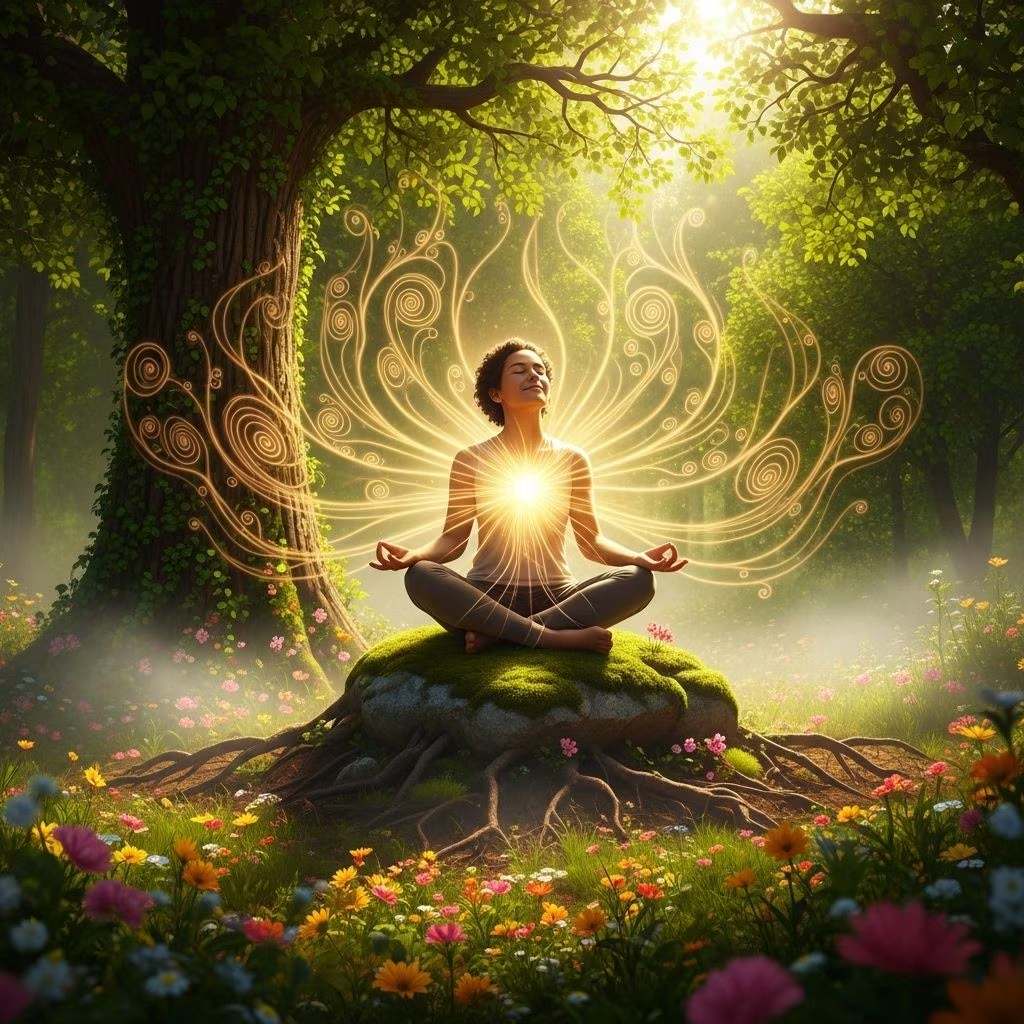
Feeling Love Outside of a Relationship: Cultivating True Connection
When we think about love, our minds often leap to the idea of romance, partnership, and external validation. Yet, a deeper, more sustaining form of love may be found beyond relationships, rooted within ourselves and our everyday acts of connection. This article explores how to experience and nurture feelings of love outside of romantic relationships, drawing upon the insights of personal growth, mindfulness, and practical self-compassion.
Why We Seek Love in Relationships
It is common—and human—to desire love and connection through partnerships. For many, the search for romantic love becomes a defining narrative. The validation of being chosen, cared for, and seen carries enormous weight for the self-worth of those who may feel wounded or unseen in childhood or previous experiences.
- Seeking love in others is often an attempt to heal old wounds or fill internal voids.
- Repeated cycles of unfulfilling relationships may signal deeper patterns that need attention within oneself.
- The collapse of relationships frequently triggers questions of identity, self-worth, and belonging.
Recognizing Patterns: When Love Feels Scarce
Many find themselves stuck in cycles—attracting emotionally unavailable partners, accepting less than they deserve, or compromising values for the hope of love. These patterns are not merely about the choices in partnership, but about the narratives and beliefs we hold about ourselves:
- Chasing love to feel chosen or validated.
- Settling for crumbs and calling it connection.
- Feeling unworthy of kindness, tenderness, and true intimacy.
Breaking out of these cycles begins when we gently confront our stories. Healing happens gradually, often in quiet moments of realization and self-reflection.
The Turning Point: Choosing Yourself
True transformation starts when one realizes that happiness and love cannot be outsourced to another person. Instead, creating space for self-connection and self-healing becomes essential. The decision to choose oneself is neither instant nor easy; it unfolds in stages—sometimes painfully—as boundaries are set and new patterns established.
- Separating from old influences—family, partners, even friends—may be necessary to rediscover your core self.
- Building boundaries can feel unfamiliar at first, especially if one’s upbringing lacked them.
- Understanding why unhealthy relationships are repeatedly chosen is a powerful first step toward authentic love.
Creating and Feeling Love Outside of Relationships
Love, as a life force, does not only exist in romantic entanglement. Here is how you can tap into love in everyday life and within yourself:
1. Cultivating Self-Love
Self-love is not mere self-indulgence; it is a profound acceptance and honoring of who you are, flaws and all.
- Practice Self-Compassion: Speak to yourself kindly, as you would to a loved friend.
- Recognize Your Worth: Value your uniqueness and set boundaries that honor your needs.
- Invest in Personal Growth: Engage in activities and reflections that support your evolution.
Choosing yourself means allowing space for your own healing, growth, and happiness to thrive independent of others’ validation.
2. Gratitude: A Direct Path to Love
Gratitude shifts the focus from lack to abundance, allowing love to be felt in everyday moments. Regular gratitude practice nurtures contentment and appreciation.
- Notice small joys—sunlight through the window, a warm meal, kindness from a stranger.
- Keep a gratitude journal, jotting down three things you’re thankful for each day.
- Express appreciation—to yourself and to others.
Such practices gently reinforce the understanding that love and joy are present, even when outward circumstances seem insufficient.
3. Presence and Mindfulness
To feel love, we must be truly present in our lives. Mindfulness invites us into the now, where connection is possible.
- Engage fully in conversations and experiences—listen deeply, respond authentically.
- Practice mindful breathing and body scans to ground yourself in the present moment.
- Let go of mental distractions and focus on what brings meaning.
Presence is both an offering to ourselves and others, creating space for genuine connection, even outside romantic relationships.
4. Non-Attachment: Liberating Your Heart
Attachment in relationships often leads to fear, possessiveness, and emotional dependence. Non-attachment, by contrast, allows love to flow freely without clinging or suffocation.
- Release the need to control outcomes or others’ actions.
- Let go of the belief that happiness depends on someone else’s choices.
- Embrace the present, understanding that love is a dynamic, evolving experience.
Non-attachment brings relief and lowers pressure—for yourself and those you care about. It liberates you to live and love for yourself first.
5. Community and Connection
Love is not confined to couples. It can be fostered in friendships, family ties, communities, and daily interactions:
- Share your authentic self with trustworthy friends.
- Join communities—creative, spiritual, professional—where genuine connection can grow.
- Offer support, encouragement, and resources to others, amplifying cycles of love.
As you cultivate these connections, notice how love expands into your wider world, enriching and sustaining you.
6. Creativity and Joyful Expression
Creative acts connect you with the essence of life and bring love into the mundane:
- Engage in art, music, writing, or dance as expressions of joy.
- Pursue passions and hobbies that spark curiosity and delight.
- Create for the sake of the process, not for external validation.
Through creativity, you re-experience love as inspiration, possibility, and fulfillment.
Practical Steps to Feeling Love on Your Own
| Practice | Description |
|---|---|
| Gratitude Journaling | Record daily moments you’re grateful for, cultivating appreciation. |
| Mindful Presence | Dedicate time each day to be fully present in your experiences and interactions. |
| Affirmations | Repeat positive statements about your worth and capability. |
| Boundary Setting | Identify and honor your emotional and physical limits. |
| Creative Play | Express yourself through art or hobbies that bring you joy. |
| Acts of Kindness | Offer genuine support or help to someone else, creating connection. |
Common Challenges: Redefining Love Without Relationships
- Loneliness: Accept it as a signal to seek deeper connection with yourself, not merely a lack of external love.
- Comparison: Resist comparing your journey to others by embracing your unique path and celebrating progress.
- Fear of Missing Out: Focus on what brings you fulfillment, recognizing that meaning and love are self-created.
- External Validation: Practice self-affirmation to reduce dependence on others’ approval.
Transformative Insights: What Love Means Beyond Partnership
- It is unconditional: Not based on someone else’s choices, actions, or approval.
- It is freeing: Allowing growth, authenticity, and evolution in yourself and others.
- It is abundant: Present in small joys, everyday kindness, creativity, and moments of self-reflection.
- It is empowering: When you realize you are the source of love, you reclaim your agency.
Frequently Asked Questions (FAQs)
Q: Can I truly feel love without being in a relationship?
A: Yes. Love encompasses gratitude, self-compassion, creativity, and connection with the world. You can nurture profound experiences of love and meaning independently by embracing mindful practices and self-acceptance.
Q: How do I stop depending on others for my happiness?
A: Begin by shifting your focus inward; honor yourself through daily gratitude, personal growth, and boundary-setting. Practice non-attachment and mindful presence, which help reduce reliance on others for emotional stability.
Q: Will building self-love make me less likely to find fulfilling relationships?
A: Strengthening self-love fosters healthier, more authentic relationships, as you approach others from a place of abundance, not desperation or fear.
Q: What if I feel lonely even after practicing self-love?
A: Loneliness can be an opportunity to deepen self-connection and seek new forms of community. Explore creative pursuits, join supportive groups, and offer kindness to others to expand your sense of belonging beyond the romantic sphere.
Empowering Your Journey: Tips to Sustain Love Within
- Commit to self-reflection—journal, meditate, or speak kindly to yourself each day.
- Seek beauty and meaning in daily life—notice small wonders and simple joys.
- Set boundaries that honor your needs, not just others’ expectations.
- Invest in growth—take courses, travel, create, and learn for yourself.
- Connect authentically—reach out to friends or community with openness and vulnerability.
- Celebrate your progress—acknowledge each step toward greater love and acceptance.
Conclusion: Expanding the Definition of Love
Love is neither scarce nor reserved solely for romance. It is a life-affirming energy, present in your ability to honor yourself, cultivate connection with others, embrace gratitude, and engage fully in the world. Redefining what it means to love—and feel loved—liberates you from cycles of dissatisfaction, offering a deeper, richer experience of life. By expanding your understanding and practice of love outside relationships, you open the doors to profound joy, belonging, and authenticity each day.
References
- https://tinybuddha.com/blog/how-to-create-happiness-outside-of-a-relationship-and-enjoy-more-of-your-life/
- https://tinybuddha.com/blog/how-to-feel-close-connected-in-relationships/
- https://tinybuddha.com/blog/how-non-attachment-can-benefit-your-relationship/
- https://tinybuddha.com/topic/ive-fallen-in-love-outside-my-marriage/
- https://tinybuddha.com/topic/7-years-relationship-is-ending/
- https://tinybuddha.com/blog/10-ways-to-have-peaceful-loving-relationships/
- https://tinybuddha.com/blog/i-spent-years-chasing-love-until-i-finally-chose-myself/
- https://tinybuddha.com/blog/what-it-means-to-love-9-steps-strong-relationship/


