


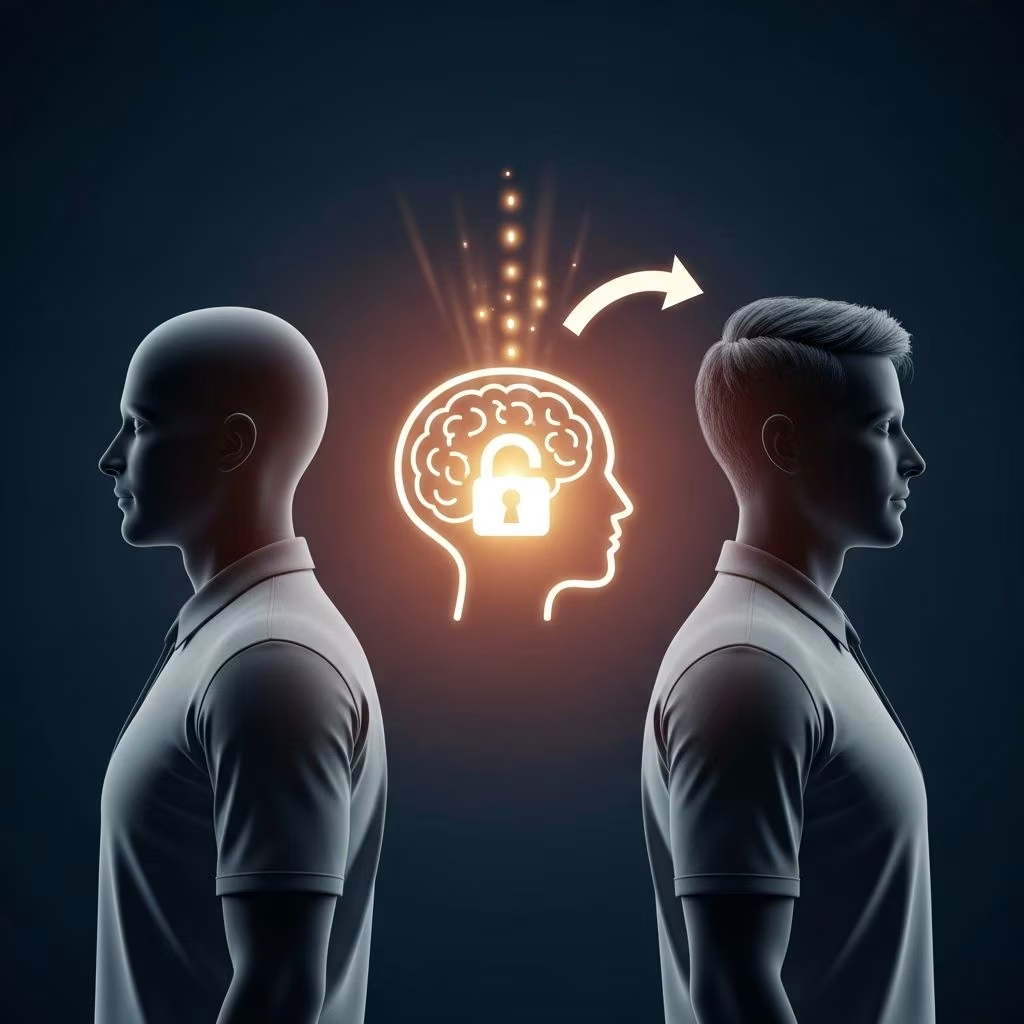
Develop Self-Awareness to Transform Your Relationships
Healthy relationships don’t happen by chance—they’re built, brick by brick, on the solid foundation of self-awareness. Whether you’ve felt powerless, fallen into old patterns from past hurts, or wish to nurture deeper intimacy, learning about yourself is the pivotal first step. This article explores the nature of self-awareness, how it differs from self-victimization, and actionable strategies to recognize and change behaviors that undermine connection.
What Is Self-Awareness?
Self-awareness is the conscious knowledge of your own character, emotions, motives, and desires. It’s about being attuned to your inner landscape—your thoughts, feelings, and habitual patterns—and understanding how these elements shape your actions and relationships.
- Emotional Insight: Recognizing your emotions and understanding what triggers them allows you to work through and transform your responses instead of reacting impulsively or making choices you later regret.
- Behavioral Reflection: Noticing patterns and habits—both healthy and unhealthy—opens the door for intentional, positive change.
- Body Awareness: Tuning into your physical sensations helps you learn from your body and tap your intuition.
- Thought Pattern Recognition: Observing your beliefs and assumptions reveals how they influence your expectations and choices.
- Ownership of Actions: Accepting responsibility for your behavior and growth empowers you to enact meaningful shifts.
Self-Awareness vs. Self-Victimization
Many people, when reflecting on painful past experiences, slip into patterns of self-victimization. Here’s how these two states fundamentally differ:
| Self-Awareness | Self-Victimization |
|---|---|
| Observes personal responses to past events | Ruminates on what happened and retells painful stories |
| Looks for ways to heal and grow from experience | Feels powerless to change circumstances |
| Takes responsibility for current actions and change | Blames past or others for current difficulties |
| Empowers self with constructive beliefs and affirmations | Fuels negative thought cycles and reinforces old wounds |
Self-awareness is about compassionately observing your inner and outer reactions; self-victimization is about reinforcing the story of what went wrong. Recognizing this distinction is the first step to self-empowerment.
Why Does Self-Awareness Matter in Relationships?
Our closest relationships often act as mirrors, reflecting back our unhealed wounds, entrenched patterns, and deepest needs. Without self-awareness:
- We may repeat cycles of blame, guilt, and mistrust that originated in previous relationships or our early history.
- We risk projecting old disappointments or hurts onto current partners or friends, undermining intimacy and growth for both sides.
- We can develop dependencies on others for validation or emotional security, creating unhealthy attachment patterns.
With self-awareness, you cultivate the ability to pause, reflect, and choose empowered responses—addressing issues constructively, nurturing yourself, and relating authentically.
Recognizing Destructive Patterns
Unhealthy relationship dynamics often have deep roots. Common destructive patterns include:
- Mistrust: Disbelieving others’ intentions due to past betrayals.
- Defensiveness: Reacting with anger or withdrawal to perceived criticism or threat.
- Guilt and Shame: Shouldering responsibility for others’ emotions, especially if past emotional abuse is present.
- Blame: Holding others accountable for your happiness or pain, rather than owning your experience.
If you find yourself circling similar conflicts or emotional states in relationships, it’s a signal to pause and reflect on their origin—and whether old stories are dictating present reality.
From Powerlessness to Self-Empowerment
Feeling powerless often stems from real experiences where you had little control. Over time, this can become a subconscious habit: an internalized belief that nothing you do will change your circumstances. Becoming self-empowered involves:
- Letting go of victimizing thoughts
- Examining your part, where possible, in painful events—without self-blame, but with curiosity
- Learning how you can respond proactively in the future
- Meeting your own emotional needs, rather than expecting others to fill them
- Taking responsibility for your choices and their outcomes
- Accepting that true change comes from internal or external action
This journey requires courage, humility, and consistency—but pays off in resilience, confidence, and deeper, more fulfilling bonds.
Practical Self-Awareness Strategies
Awareness grows through observation, reflection, and intention. Here are some actionable ways to cultivate it daily:
- Journaling: Write about specific emotions, reactions, or triggers. Patterns become clear when you track recurring themes—such as mistrust, defensiveness, or guilt. Awareness of your inner dialogue is half the battle.
- Reflective Questions: Ask yourself regularly, “What am I feeling right now? What just triggered this feeling? How did I respond? Was it productive or harmful?”
- Body Scans: Bring your attention to physical sensations—tension, relaxation, racing heart—to uncover hidden emotions or needs.
- Mindful Pausing: Practice taking a breath before reacting, especially when emotions are high. This space allows you to respond rather than react impulsively.
- Identify Stories: Notice the narratives you tell about yourself or others. Are these beliefs helping or hurting your growth?
- Challenge Automatic Thinking: Not every thought is true. Question especially self-limiting or negative thoughts by asking, “Is there another way to view this?”
The Power of Affirmations
Affirmations help rewire your brain by planting new, healthy beliefs in place of old scripts. Use them in the moment when you recognize an unhelpful pattern:
- If mistrust arises due to past betrayals, recite: “This is a new relationship. I release my instinctive emotional response from its deepest root, and accept that I can change it by trusting.”
- If guilt surfaces from prior emotional abuse, repeat: “I choose not to blame myself. I release my instinctive emotional response from the deepest root, and free myself from shame and self-judgment.”
- If anger or defensiveness take over, try: “I honor my feelings, but I choose to respond with understanding and patience.”
- If you feel powerless, use: “I accept responsibility for my actions and know that positive change is always possible.”
Over time, affirmations become new mental habits, gradually shifting how you see yourself and interact with others.
Changing Thoughts, Changing Behaviors
Transforming your thoughts changes your emotional state, which in turn redirects your behavior. This approach applies broadly across all relationships—romantic, familial, platonic, or professional. When you bring an open, curious awareness to each interaction, you can break repetitive cycles that no longer serve you.
Here’s a step-by-step process:
- Observe: Notice your immediate emotional reaction to a situation.
- Identify: Pinpoint the underlying thought or belief triggering your reaction.
- Pause: Give yourself a moment to reflect before acting.
- Affirm: Use a positive, empowering statement to shift your mindset.
- Act: Choose a constructive response that aligns with your deeper values and goals.
Healing Unhealthy Relationship Patterns
Old pain or trauma can resurface in present-day interactions, distorting reality and undermining trust. Healing requires both honesty and self-compassion:
- Allow yourself to feel whatever arises—anger, grief, fear—without judgment.
- Understand that emotional habits like withdrawing, pleasing, or lashing out may have been useful once, but can be let go now.
- See each new relationship as an opportunity—not a repetition of the past, but a chance to build healthier, mutually fulfilling dynamics.
- Courageously communicate your feelings and needs with authenticity.
Journaling for Self-Discovery and Growth
Journaling isn’t just for writers—it’s a therapeutic tool for anyone seeking better relations with themselves and others. Here’s how to make it work for you:
- Set aside a regular time (even 5–10 minutes a day). Consistency creates insight.
- Track difficult moments: What happened? How did you feel? What thoughts ran through your mind?
- Note recurring patterns—in emotions, reactions, or the kinds of conflicts you face.
- After identifying patterns, brainstorm empowering affirmations and write them somewhere visible.
Loving Yourself to Love Others
There is a close connection between self-awareness and self-love. You can’t offer lasting, unconditional love to another until you know and honor yourself. When you recognize your needs, accept your imperfections, and nurture your self-worth, your capacity to love expands exponentially.
Self-love is the opposite of perfectionism or narcissism. It’s the gentle kindness that says, “I am worthy,” even when you falter. Loving yourself sets the precedent for all other relationships in your life—it strengthens your boundaries, clarifies your values, and ensures you give from a place of fullness rather than need.
FAQs: Self-Awareness & Relationship Healing
Q: Isn’t self-reflection just overthinking?
No. Overthinking involves getting stuck in repetitive, unproductive mental loops, often leading to anxiety. Self-reflection is purposeful, focused, and aims for understanding and growth.
Q: What if I keep repeating the same mistakes?
Patterns take time to break. Recognize progress, not perfection. Each time you catch yourself—even after the fact—you’re building self-awareness. Journaling and conscious affirmations help accelerate the shift.
Q: Can self-awareness help if my partner isn’t willing to change?
Absolutely. While you can’t control others, your growth influences relationship dynamics. You’ll communicate more clearly, set healthier boundaries, and perhaps inspire changes in those around you.
Q: Is it selfish to focus on myself when trying to heal a relationship?
No. Investing in your own awareness and healing allows you to engage more authentically and compassionately, which ultimately benefits all relationships.
Q: What are good resources for further growth?
Consider daily mindfulness practices, personal therapy, supportive books, or guided journals. Communities focused on personal growth (such as self-help blogs and workshops) can be invaluable.
Conclusion
Self-awareness is the gateway to meaningful change—both in yourself and in your relationships. By recognizing and shifting old patterns, offering yourself compassion, and taking responsibility for your emotions and actions, you open the door to vibrant, trusting, and empowering connections. As you build self-awareness, remember: every small step forward plants the seeds for a flourishing, love-filled life.
References
- https://tinybuddha.com/blog/develop-self-awareness-and-improve-your-relationships/
- https://tinybuddha.com/blog/mindfulness-peace-blog/a-powerful-practice-for-self-awareness-how-to-avoid-doing-things-youll-regret/
- https://tinybuddha.com/blog/mind-melodrama-5-lessons-self-awareness-healing/
- https://tinybuddha.com/blog/how-self-awareness-can-help-us-love-people-just-as-they-are/
- https://tinybuddha.com/blog/lost-scared-and-broken-how-self-awareness-saved-my-life/
- https://tinybuddha.com/blog/how-to-create-a-healthy-and-lasting-romantic-relationship/
- https://tinybuddha.com/blog/how-non-attachment-can-benefit-your-relationship/
- https://tinybuddha.com/topic/starting-a-new-way-of-approaching-relationships/
- https://www.instagram.com/p/CzwcByTucnp/?hl=en


