


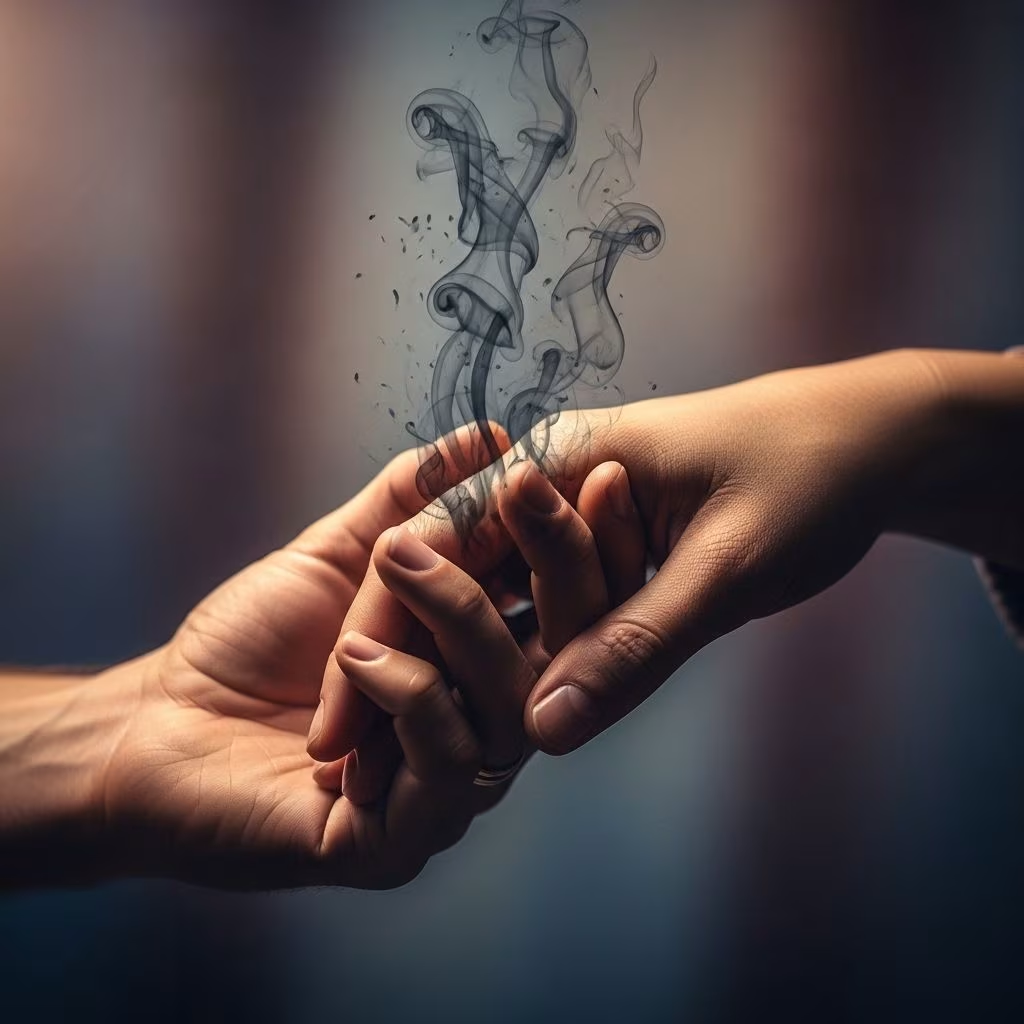
How Emotional Pain Drives Us to Act Out in Relationships
Relationships bring joy, intimacy, and connection—but they also expose our deepest wounds and vulnerabilities. When we experience pain within close relationships, we may find ourselves reacting in ways that feel out of character, irrational, or even “crazy.” Emotional pain can drive intense behaviors—clinginess, anger, withdrawal, or desperate attempts to control—leaving us regretting our actions and wondering why we cannot “just be normal.” Unpacking how pain triggers such patterns is the first step toward building healthier, more compassionate relationships.
Recognizing the Cycle: How Pain Influences Our Reactions
To understand why we act out when hurt, we need to recognize the core cycle of pain that shapes our behavior:
- Trigger: Something happens in the relationship that stirs up old wounds or unmet needs. This could be a partner’s criticism, perceived rejection, or even something as small as a delayed text response.
- Activation of Old Pain: The triggering event doesn’t just hurt in the moment—it awakens historic emotional pain from childhood or previous relationships.
- Emotional Overwhelm: The emotional intensity quickly becomes overwhelming, stirring fear, insecurity, shame, or anger.
- Desperate Behavior: In an attempt to stop the pain, we react impulsively—this might mean lashing out, withdrawing, begging for reassurance, or even sabotaging the relationship.
- Aftermath: Once the storm passes, we often feel regret and confusion about our intense reaction, and the cycle can begin again with the next trigger.
This cycle is not a sign of weakness or “craziness.” It’s a reflection of how our nervous systems and emotional histories interact—and it’s much more common than we might believe.
Why Emotional Pain Hurts So Much in Relationships
Relationships function as mirrors for our deepest beliefs about ourselves. When we feel threatened or hurt by someone we care about, it often:
- Reactivates childhood wounds: Past experiences of abandonment, betrayal, or criticism can be unconsciously triggered by present events.
- Taps into core fears: Fears of being unlovable, unworthy, or alone often lie beneath intense reactions.
- Challenges our identity: We use relationships to affirm our value; when things go awry, our sense of self may feel under threat.
As a result, even minor issues can feel enormous, producing outsized emotional responses. Painful memories and thoughts flood our consciousness, making it hard to stay grounded in the present moment.
Physical Reactions to Emotional Pain
Pain in relationships isn’t limited to emotions—it is felt physically. Some common bodily sensations include:
- Tightness in the chest or throat
- Racing heart
- Knot in the stomach
- Flushed face or trembling
These sensations make it even harder to think clearly or respond calmly. Our brains perceive emotional pain as a potential threat to survival, shifting us into fight, flight, or freeze mode.
The Mind-Body Connection: Why We Seem to Lose Control
The way we experience and respond to emotional pain is deeply tied to our biology. Under threat—real or perceived—our bodies mobilize survival systems. In relationships, this can look like:
- Fight: Arguing, criticizing, blaming, or trying to “win” the conflict
- Flight: Withdrawing emotionally or physically, shutting down communication
- Freeze: Numbing out, feeling immobilized, unable to express what we need
These responses are automatic and wired by years of personal history. The more we’ve been hurt in the past, the more quickly and intensely these patterns can be triggered.
Common Ways Pain Shows Up as “Crazy” Relationship Behavior
Everyone reacts differently to pain, shaped by family history, personal temperament, and individual resilience. Some typical pain-driven behaviors include:
- Clinginess or Neediness: Constantly seeking reassurance, texting obsessively, needing to know where your partner is at all times
- Jealousy and Suspicion: Feeling threatened by others, checking your partner’s messages, assuming the worst
- Anger and Outbursts: Explosive arguments, yelling, blaming, or saying things you don’t mean
- Emotional Withdrawal: Silent treatment, shutting down, refusing to engage or share feelings
- Pushing Partners Away: Sabotaging the relationship out of fear, testing boundaries, threatening to leave
These actions may not reflect our true selves or long-term intentions—they are attempts to cope with, control, or avoid pain.
How Childhood and Past Experiences Shape Pain Responses
Understanding the roots of our patterns is key to healing. Often, the ways we react in adult relationships mirror what we learned early in life:
- Growing up with inconsistent or unavailable caregivers can lead to fear of abandonment
- Experiencing criticism or emotional neglect can foster chronic anxiety about being “good enough”
- Witnessing parental conflict can normalize drama, volatility, or withdrawal as coping mechanisms
These “relationship blueprints” inform our unconscious scripts—and unless examined, they replay whenever we feel threatened or unloved.
Escaping the Cycle: Building Awareness and Compassion
Although pain-driven behaviors are common, they are not inevitable. Stepping off the hamster wheel of reactivity begins with awareness and compassion—for both ourselves and our partners.
Steps Toward Healing and Healthier Responses
- Recognize Triggers: Start noticing what situations or words activate old pain. Keep a journal or take a mindful pause when you feel a reaction rise.
- Name Your Feelings: Instead of going directly into action, pause to internally name what you’re feeling—”I feel scared,” “I’m ashamed,” “I’m lonely.” Naming can reduce intensity.
- Notice Bodily Sensations: Ground yourself in your body. Where do you feel the pain? Place a hand there, breathe deeply, and allow yourself to just “be” with the feeling.
- Practice Self-Compassion: Speak to yourself as you would a hurting child: “It’s okay to feel this way. I am here for you.”
- Communicate (When Calm): Share your feelings with your partner after the initial wave passes. Use “I” statements: “I felt hurt when…” rather than blaming or accusing.
- Seek Support: Healing old wounds can feel overwhelming alone. Consider therapy, support groups, or trusted friends to process your pain.
Table: Pain-Driven Reactions vs. Conscious Responses
| Pain-Driven Reaction | Conscious Alternative |
|---|---|
| Blaming/attacking partner during conflict | Pausing, breathing, sharing how you feel without blame |
| Withdrawing or giving silent treatment | Asking for a break and returning when ready to talk |
| Obsessively seeking reassurance | Self-soothing, journaling, or grounding exercises |
| Testing or sabotaging relationship | Expressing fears and needs openly |
Bringing Empathy to Ourselves and Each Other
Often, we direct our compassion outward—soothing others, trying to “fix” problems, or attempting not to rock the boat. But true healing begins with self-empathy:
- Recognize that pain-driven behaviors were once survival mechanisms, shaped to protect you from real hurt.
- Let go of shame around your “crazy” reactions. You are not broken; you are human.
- Cultivate gentleness, patience, and curiosity toward your inner experience.
Practices for Healing and Growth
The following approaches can help transform painful patterns:
- Mindfulness Meditation: Regular mindfulness helps notice triggers before they escalate, creating space between feeling and reaction.
- Journaling: Writing about painful moments builds self-awareness and reveals hidden patterns.
- Loving-Kindness Practice: Offering compassion to yourself and others increases emotional resilience and softens pain.
- Therapy or Counseling: A good therapist can help unpack childhood wounds and build healthier relationship skills.
Embracing Messiness: Allowing for Imperfection
It’s crucial to recognize that everyone acts “crazy” sometimes—especially when in pain. Rather than aiming for perfect behavior, strive for:
- Accountability: When you slip, take responsibility and repair with your partner.
- Curiosity: Use painful reactions as opportunities to learn about yourself.
- Grace: Forgive yourself and your partner for moments of irrationality. Growth is a gradual process.
Supporting a Partner in Pain
If your loved one is acting out due to pain, try to respond with understanding rather than defensiveness:
- Listen without judgment or interruption
- Validate their feelings (“It makes sense you’d feel that way”)
- Encourage them to share what lies beneath the anger, jealousy, or withdrawal
- Set healthy boundaries if behavior becomes toxic or destructive
The Opportunity Hidden Within Relationship Pain
Painful moments are not just obstacles—they are opportunities. When faced and processed, relationship pain can:
- Reveal wounds we might otherwise ignore
- Point us toward growth and healing
- Deepen intimacy, as partners witness each other’s vulnerability
- Build resilience and empathy, both individually and together
Frequently Asked Questions (FAQs)
Q: Is it normal to act irrationally when I’m hurt in a relationship?
A: Yes. Intense emotional pain frequently triggers automatic, “irrational” behaviors inherited from earlier life experiences. Almost everyone has acted out in some way when feeling threatened or rejected, even if the behavior doesn’t match their values or personality.
Q: How can I prevent pain from taking over my actions?
A: The key is awareness—recognizing emotional and physical signals before reacting. Regular mindfulness, self-reflection, and seeking support help create more space between feeling and reaction, allowing for conscious responses.
Q: What if my partner’s reactions feel overwhelming or harmful?
A: It’s important to set boundaries if someone’s actions cross into hurtful territory. While compassion is vital, your emotional and physical safety matter. Encourage open communication, but seek external support or professional help if needed.
Q: Can emotional pain ever help a relationship grow stronger?
A: Yes. When partners process and address pain compassionately, it often leads to greater understanding, intimacy, and resilience. Pain can be a powerful teacher when approached with curiosity and empathy.
Key Takeaways
- Emotional pain in relationships can lead to outsized or “crazy” behaviors due to old wounds and survival instincts.
- Pain-driven reactions are common and not a sign of personal failure.
- Awareness, self-compassion, and open communication are critical in transforming cycles of pain.
- Healing takes time—there is no quick fix, but every reflective step matters.
- Relationship challenges, when faced with courage, can deepen connection and self-understanding.
References
- https://tinybuddha.com/blog/13-insights-about-relationships-that-could-save-you-a-lot-of-pain/
- https://tinybuddha.com/blog/5-lessons-pain-taught-me-about-love/
- https://tinybuddha.com/blog/what-hurts-us-the-most-in-unhealthy-and-unloving-relationships/
- https://tinybuddha.com/blog/if-youre-in-a-painful-relationship-and-considering-estrangement/
- https://tinybuddha.com/blog/shame-freed-me-from-suffering/
- https://tinybuddha.com/blog/7-things-you-need-to-know-if-youre-going-through-a-painful-breakup/
- https://tinybuddha.com/blog/letting-go-of-attachment-from-a-to-zen/
- https://openheartproject.com/3-stages/
- https://tinybuddha.com/blog/the-people-who-hurt-us-are-vehicles-for-our-growth/


