Cochinita Pibil: The Soul of Yucatecan Barbecue
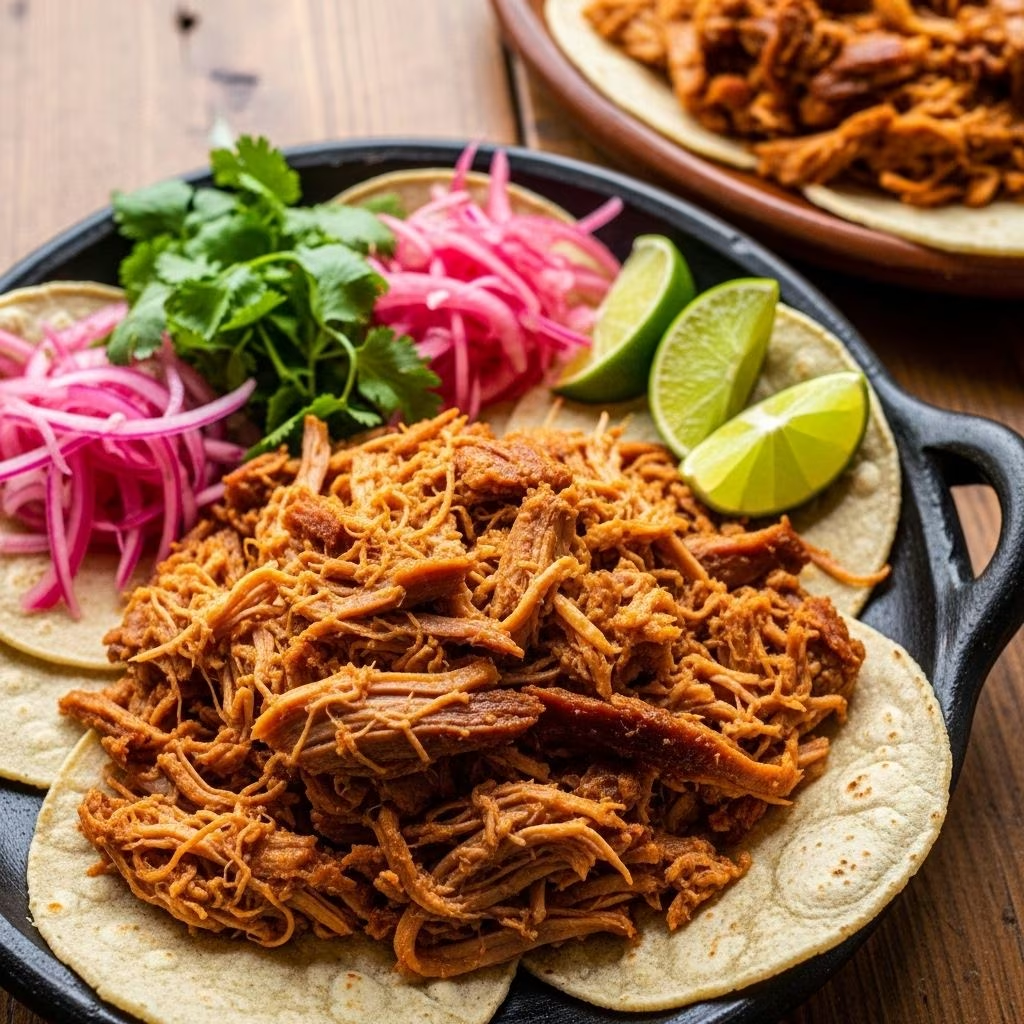
Cochinita pibil is a classic dish from Mexico’s Yucatán Peninsula, revered for its vibrant flavors, cultural heritage, and distinctive preparation. At its heart, it features tender pork marinated in earthy achiote, wrapped in banana leaves, and slow-cooked to perfection, imparting sweet, smoky, and tangy notes that set it apart from other regional barbecues.
Origins and Cultural Significance
The name cochinita pibil literally means “baby pig cooked underground,” referring to its original Mayan preparation method: spicing and marinating a whole suckling pig, wrapping it in banana leaves, and slow-roasting it in a pit (pib) lined with hot stones. While modern kitchens rarely feature earthen pits, the dish’s signature smoky flavor and deep red color remain essential.
Cochinita pibil represents the culinary melting pot of the Yucatán, marrying indigenous Mayan traditions with flavors introduced during the Spanish colonial era. It is served at celebrations, family gatherings, and is a centerpiece at festivals, highlighting the region’s love for bold, aromatic food.
Key Ingredients
Authentic cochinita pibil relies on several crucial ingredients, each contributing to its distinctive flavor and texture:
- Pork Shoulder – Preferably boneless and well marbled, providing flavor and tenderness during slow-cooking.
- Achiote Paste – Made from annatto seeds, spices, garlic, and citrus, forming the backbone of the marinade.
- Bitter (Seville) Orange Juice – Adds tartness and balances the earthy achiote; sweet orange plus lime is a common substitute.
- Banana Leaves – Used to wrap the pork, retaining moisture and infusing subtle aroma during roasting.
- Spices & Aromatics – Garlic, cinnamon, cloves, Mexican oregano, black pepper, and coriander, each enhancing complexity.
- Salt & Vinegar – Essential for seasoning and tenderization.
Ingredient Table
| Ingredient | Amount | Role |
|---|---|---|
| Pork shoulder (boneless) | 4 lbs / 2 lbs | Main protein |
| Bitter orange juice | 3/4 cup | Acidity, flavor |
| Banana leaves | 6 pieces | Wrapping, aroma |
| Garlic (whole head) | 1 | Aromatic |
| Mexican oregano | 2 tbsp | Earthy note |
| Annatto seeds | 3-4 tbsp | Color, flavor |
| Bay leaves | 12 | Scent |
| Cloves | 4-5 whole | Warmth |
| Cinnamon | 1 stick | Scent |
| Black peppercorns | 8-10 | Pungency |
| White wine vinegar | to taste | Acidity |
| Pineapple, plantains | Optional | Sweetness, balance |
Crafting the Achiote Marinade
The signature marinade combines annatto seeds (bright red, mild, and earthy), with citrus, spices, and subtle heat. The following steps guide the preparation of an aromatic achiote paste:
- Measure annatto seeds, black pepper, cloves, cinnamon, cumin, coriander, garlic, and Mexican oregano.
- Add citrus zest and juice — traditionally orange and lemon.
- Mix in vinegar and a hint of cacao nibs for added depth (optional).
- Combine all in a food processor or mortar, blending until smooth; adjust seasoning to taste.
Spread the achiote paste generously over scored, salted pork. This marinade penetrates the meat during slow cooking, imparting color, unique flavor, and tenderness.
Preparation and Cooking Techniques
While pit cooking is traditional, ovens or slow cookers are more common today. Below is the step-by-step method for preparing cochinita pibil:
- Score and Season: Cut shallow marks in the pork to help absorb marinade, season liberally with salt.
- Marinate: Coat with achiote paste, add aromatics (onion, pineapple, plantains, if desired), and allow to rest several hours or overnight in the refrigerator.
- Wrap in Banana Leaves: Place pork in a baking dish or pan lined with banana leaves; fold leaves over meat and secure with foil if needed.
- Slow Roast: Cook in a low oven (250°F–300°F) for several hours until the pork is tender enough to fall apart.
- Alternative Methods: Sous vide cooking (160°F/20 hours) offers precise temperature control, while a smoker or grill can add more pronounced smoke flavor.
- Finish and Serve: Unwrap, shred the pork, and reduce remaining liquid in a pan for concentrated sauce. Serve piping hot.
Traditional Cooking Method Table
| Method | Advantages | Challenges |
|---|---|---|
| Underground pit (‘pib’) | Authentic flavor, smoke, ceremony | Complex setup, space, time |
| Oven-roast | Convenience, consistent results | Less smoke flavor |
| Slow-cooker | Low effort, tender meat | May lack aroma from banana leaves |
| Sous vide | Precision, juicy texture | Requires equipment, lacks char |
| Grill/smoker | Intense smoke, browned edges | Monitoring needed for long cooking |
Serving Suggestions
Cochinita pibil is customarily served as street food, festival fare, or home-cooked comfort. Its ideal companions draw on bright acidity and fresh textures to offset the deep, earthy pork.
- Tacos: Spoon shredded pork on warm corn tortillas, top with pickled red onions and fresh cilantro.
- Torta Sandwiches: Layer meat in a crusty roll, add refried black beans, avocado, and cabbage slaw.
- Salbutes or Panuchos: Yucatecan fried tortillas filled with beans, topped with cochinita, lettuce, and salsa.
Side dishes often include Xnipec (habanero salsa) and slices of orange or lime. For drinks, pair with cold beer, refreshing agua fresca, or citrusy cocktails.
Flavor Profile and Pairings
- Sweetness: From roasted pork, pineapple, and plantains (if used).
- Earthy Warmth: Courtesy of annatto, cinnamon, cloves, and slow roasting.
- Tartness: Bitter orange and vinegar cut through richness.
- Smoke: Achieved with banana leaves, traditional pit, or smoked paprika.
- Herbal and Peppery: Oregano, coriander, black pepper for complexity.
Recommended Pairings Table
| Accompaniment | Why It Works |
|---|---|
| Pickled red onions | Cuts through fat, adds crunch and acid |
| Refried black beans | Balances and stretches the meal |
| Fresh salsa (habanero) | Intense heat complements sweetness |
| Avocado slices | Cool, creamy contrast |
| Corn tortillas | Traditional vessel, mild flavor |
| Citrus wedges | Brightness, palate cleanser |
Recipe Variations and Modern Twists
While the classic recipe holds firm, cooks enjoy personalizing cochinita pibil based on available ingredients and desired flavors:
- Protein Choices: Substitute chicken, turkey, or lamb for pork, adjusting marinating and cooking time accordingly.
- Heat Level: Add serrano or habanero chiles to marinade for more spice.
- Mole Twist: Incorporate cacao and plantains for richer, deeper notes, channeling Oaxacan influences.
- Vegetarian Adaptation: Swap pork for jackfruit or sweet potatoes, using same marinade and slow cook method.
- Sous Vide and Grill: Use sous vide for ultra-tender meat, then crisp and char under broiler or on grill for extra texture.
Frequently Asked Questions
Q: What is achiote, and why is it essential for cochinita pibil?
A: Achiote is a reddish spice paste made from annatto seeds and aromatics. It provides the dish’s hallmark color and earthy flavor, differentiating it from other Mexican barbecues.
Q: Can I make cochinita pibil without banana leaves?
A: Yes, while banana leaves are traditional and add aroma, parchment paper or foil can be used as substitutes; the flavor will be less nuanced.
Q: Is bitter orange juice required?
A: Bitter (Seville) orange is preferred, but a blend of sweet orange juice and lime juice can mimic its tartness if unavailable.
Q: How long should I marinate the pork?
A: Marinating for at least several hours is recommended; overnight is best for maximum flavor penetration.
Q: How do I achieve authentic smoky flavor without a pit?
A: Use smoked paprika in the marinade or finish the wrapped pork on a grill for 30 minutes. Liquid smoke is another option but should be used sparingly.
Q: What cut of pork is best?
A: Pork shoulder, owing to its fat content and texture, is most frequently used. Bone-in or boneless works, though boneless is easier for shredding.
Q: What are some classic sides to serve with cochinita pibil?
A: Pickled red onions, black beans, habanero salsa, and fresh tortillas are traditional accompaniments.
Tips for Perfect Cochinita Pibil
- Choose well-marbled pork to ensure tenderness and rich flavor.
- Allow ample marinating time for flavors to penetrate deep into the meat.
- Use banana leaves if possible; they’re available at Latin groceries and freeze well.
- Monitor slow roasting: the goal is juicy, pull-apart pork, not dry or stringy results.
- Reserve pan juices to enrich tacos or drizzle atop shredded meat.
Conclusion
Cochinita pibil’s enduring appeal lies in its robust flavor, historic roots, and adaptability. Whether prepared for an intimate family dinner or a lively celebration, this dish connects eaters to the vibrant palate and traditions of the Yucatán. By mastering the achiote marinade, embracing slow cooking, and choosing the right accompaniments, anyone can capture the magic of cochinita pibil at home.
Additional Frequently Asked Questions
Q: Can leftovers be frozen?
A: Yes. Freeze shredded pork in portioned containers; reheat gently for best texture.
Q: Is this dish spicy?
A: Not inherently, though you can add chiles for heat. Pickled onions and salsa provide optional spiciness.
Q: How is the color achieved?
A: Annatto seeds in achiote paste naturally tint the pork red-orange during cooking.