


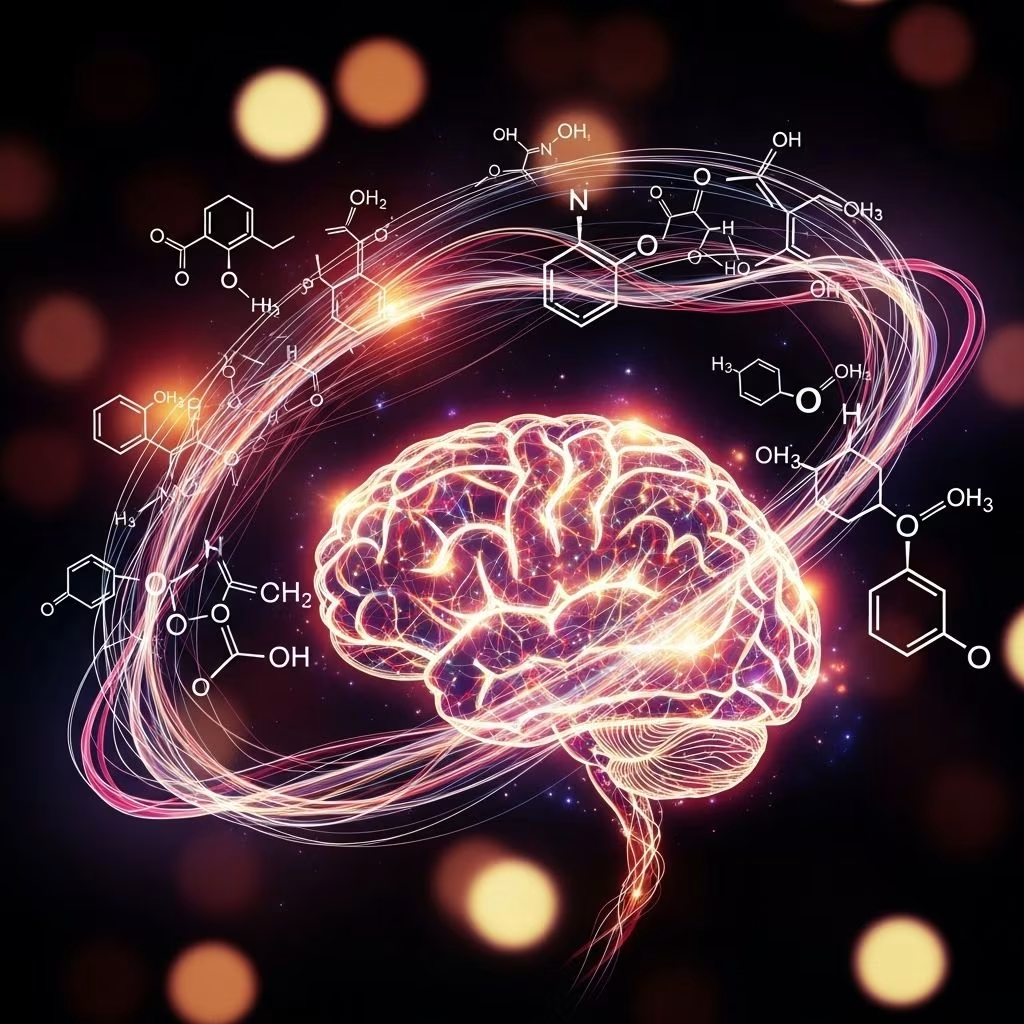
Chemistry and Love: The Hidden Forces Behind Attraction
The magnetic pull you feel towards a special someone often seems magical. Yet, beneath the fluttering heart and breathtaking excitement is a sophisticated interplay of chemicals and hormones within your brain and body. Love isn’t just an emotion—it’s a complex, physical process shaped by biology and chemistry, orchestrating how we meet, bond, and even mourn relationships.
What Is the Chemistry of Love?
Love is often depicted as a whirlwind of passion and mystery, but science paints a more tangible, revealing picture. The sensation we recognize as love arises from a blend of hormones and neurotransmitters, each contributing to phases of attraction, attachment, and even heartbreak.
- Hormones: Chemical messengers like dopamine, oxytocin, and serotonin.
- Neurotransmitters: Brain chemicals that transmit signals and regulate mood, energy, and motivation.
- Body’s reward circuitry: The region of your brain activated by pleasurable experiences—love can set it alight just like addictive substances.
Our behaviors, decisions, and emotional responses in relationships are all profoundly affected by this chemistry—sometimes making us feel ecstatic, sometimes leading us into heartbreak or even withdrawal-like symptoms when love fades.
Why Does Love Feel So Intense? The Brain’s Reward System
The early stages of romance are notorious for inducing euphoria and excitement. This spark is due to the activation of the brain’s reward system, a collection of structures deeply responsive to pleasurable stimuli. Dopamine, in particular, surges during attraction, mirroring the neurochemical effects of certain drugs, which is why falling in love can feel almost intoxicating.
- Dopamine: Releases feelings of pleasure and motivation. In love, this makes us crave our partner’s presence.
- Oxytocin and Vasopressin: These hormones promote attachment and bonding, leading to long-term connection.
- Adrenaline: Heightens energy and alertness, causing that racing heart and sweaty palms in new relationships.
Scientific studies show that people who are newly in love exhibit similar brain activity to those experiencing the highs of substance use. The euphoria, racing thoughts, and singular focus on your partner stem from these powerful chemical surges.
The Key Chemicals of Love and Their Effects
Multiple hormones and neurotransmitters interact to orchestrate the stages and symptoms of love. Each serves a unique purpose, shaping your emotional and physical responses.
| Chemical | Role in Love | Effects on You |
|---|---|---|
| Dopamine | Drives reward and motivation | Euphoria, cravings, focus on partner |
| Serotonin | Regulates mood and obsession | May decrease, causing intense thoughts and preoccupation |
| Oxytocin | Strengthens bonds and trust | Attachment, empathy, ‘cuddle hormone’ |
| Vasopressin | Promotes long-term attachment | Commitment, protective feelings |
| Adrenaline | Triggers excitement and alertness | Elevated heart rate, nervous energy |
| PEA (Phenylethylamine) | Act as stimulant during new love | ‘Love high’, energy, euphoria |
| Endorphins | Induce calm and security | Wellbeing, comfort, emotional stability |
| Testosterone | Drives sexual attraction | Desire, sexual arousal |
Dopamine: The Pleasure Molecule
Dubbed the “pleasure” neurotransmitter, dopamine orchestrates reward, motivation, and reinforcement. It intensifies when you’re near a crush, creating a sense of energy and euphoria. The brain craves repeated exposure, reinforcing the desire for that person’s presence.
Serotonin: Why We Become Obsessed in Love
Serotonin maintains mood stability. In new love, levels of serotonin often dip, leading to obsessive thoughts about a partner—akin to symptoms in obsessive–compulsive disorders. This is why you might find yourself thinking of your partner constantly and feeling restless when apart.
Oxytocin & Vasopressin: The Bonding Agents
Oxytocin, sometimes called the “cuddle hormone,” plays a major role in building trust and bonding during romantic and sexual intimacy. Vasopressin complements oxytocin in cementing long-term attachment, making couples more likely to stay together.
Phenylethylamine (PEA): The Love Drug
PEA is another powerful stimulant, hitting its peak in the thrilling stages of passion and infatuation. It creates the sense of walking on air, powering the butterflies and exhilaration of new love.
Endorphins and Testosterone: Comfort and Desire
As the relationship matures, endorphins help foster a sense of comfort, security, and deepening attachment. Testosterone is essential for sexual attraction and drive, increasing energy and desire between partners.
The Stages of Romantic Love Chemistry
- Attraction & Infatuation: Dominated by dopamine, PEA, and adrenaline—leading to excitement, nervous energy, and obsessive thoughts.
- Deepening Attachment: Oxytocin and vasopressin rise, shifting focus from passion to trust, intimacy, and long-term bonding.
- Long-Term Connection: Endorphins maintain emotional stability, comfort, and sustained companionship.
Why Love Feels Addictive—and Why Heartbreak Hurts So Much
The neurological experience of love closely resembles addiction. Once in love, your brain links pleasure, reward, and intense emotion to your partner. When love ends — either from a breakup or unrequited feelings — these neurochemical circuits experience withdrawal, manifesting emotional pain, sadness, and even physiological symptoms.
This withdrawal is why a breakup can feel physically painful, and why emotional recovery after love takes time as your brain chemistry recalibrates.
How the Chemistry of Love Influences Our Decisions & Behaviors
The hormonal surges of love can profoundly shape choices and actions in relationships:
- Heightened risk-taking: Dopamine-fueled euphoria makes people more impulsive and adventurous in love.
- Increased empathy and trust: Oxytocin encourages forgiveness and bonding, even overlooking faults.
- Obsession and preoccupation: Lower serotonin means intense focus on the relationship, sometimes at the expense of other priorities.
- Emotional highs and lows: The chemistry of attraction can cause rapid mood swings and vulnerability to heartbreak.
What Happens When Love Matures?
As initial passion stabilizes, other hormones like endorphins and oxytocin maintain emotional intimacy and comfort. Mature love features:
- Stable, enduring attachment
- Mutual trust and security
- Deeper companionship
Though the euphoria of early love may fade, the resulting connection is often richer and more rewarding, thanks to enduring neurochemical bonds.
Common Myths About Chemistry in Love
- Chemistry is always instant. In reality, attraction can develop gradually with deeper emotional connection.
- True love means non-stop passion. The transition to calm, stable intimacy is normal—and healthy—as relationships deepen.
- Love lasts forever unchanged. The chemistry inevitably evolves, but emotional depth and compatibility can strengthen with time.
Is There a Downside to Love Chemistry?
While love’s chemistry brings unparalleled joy, it’s not without pitfalls:
- Intense attachment can lead to dependency and withdrawal-like symptoms after breakup.
- Mood swings and obsessive thinking may impact mental health if not balanced with self-awareness.
- Some people mistake lust or infatuation for real connection, only to discover the chemistry fades if deeper compatibility is lacking.
Can You Create or Enhance Chemistry in Relationships?
While you can’t force true chemistry, certain behaviors may boost connection and bond by stimulating oxytocin and dopamine release:
- Regular touch and physical affection (hugs, holding hands, cuddling)
- Shared activities and laughter, which trigger positive emotions
- New experiences and adventures that provide adrenaline rushes
- Practicing gratitude and expressing appreciation
Healthy relationship habits can nurture and sustain the brain chemistry essential for long-term satisfaction.
Frequently Asked Questions (FAQs)
Q: Is love really just a chemical reaction in the brain?
A: While love involves powerful brain chemistry, emotions, memories, personality, and life experiences also play major parts. Chemistry triggers the initial feelings, but lasting love deepens through shared values and experiences.
Q: Can chemistry fade over time in relationships?
A: Yes, the intense rush of early infatuation naturally subsides as neurochemistry stabilizes. However, deeper connection, trust, and companionship can grow stronger over time as attachment-related chemicals take over.
Q: What happens to the brain after a breakup?
A: The brain experiences a withdrawal similar to substance addiction, since the reward centers no longer receive the same chemical stimulation associated with your former partner. This can cause emotional pain and longing, but healing occurs as your brain recalibrates over weeks or months.
Q: Can you have a healthy relationship without strong initial chemistry?
A: Yes. While strong chemistry can jumpstart a relationship, compatibility, communication, and shared goals can foster deep connection—even if the early sparks were subtle.
SEO-Optimized Key Points
- The chemistry of love is rooted in brain chemistry, driven by hormones like dopamine, oxytocin, and serotonin.
- Dopamine creates euphoria, oxytocin builds bonds, and serotonin regulates mood during romantic attraction.
- The sensation of ‘falling in love’ heavily involves the brain’s reward system—mirroring addictive behaviors.
- As relationships mature, endorphins and oxytocin maintain intimacy, comfort, and trust.
- The chemistry of love can be powerful, but healthy connection also requires communication, empathy, and shared values for lasting happiness.
References
- https://www.lovepanky.com/my-life/relationships/how-chemistry-affects-love
- https://www.lovepanky.com/flirting-flings/wild-secrets/how-to-create-sexual-chemistry
- https://pmc.ncbi.nlm.nih.gov/articles/PMC10164420/
- https://case.edu/news/heres-what-happens-your-brain-when-you-fall-love
- https://pmc.ncbi.nlm.nih.gov/articles/PMC4496461/
- https://aliciamunoz.com/love/scam-sexual-chemistry-attraction-myth/
- https://www.psychologytoday.com/us/blog/the-mindful-self-express/201603/the-science-love-and-attachment
- https://www.menshealth.com/sex-women/a66018176/signs-of-sexual-tension/


