Spice-Rubbed Butterflied Smoked Turkey: The Ultimate Guide
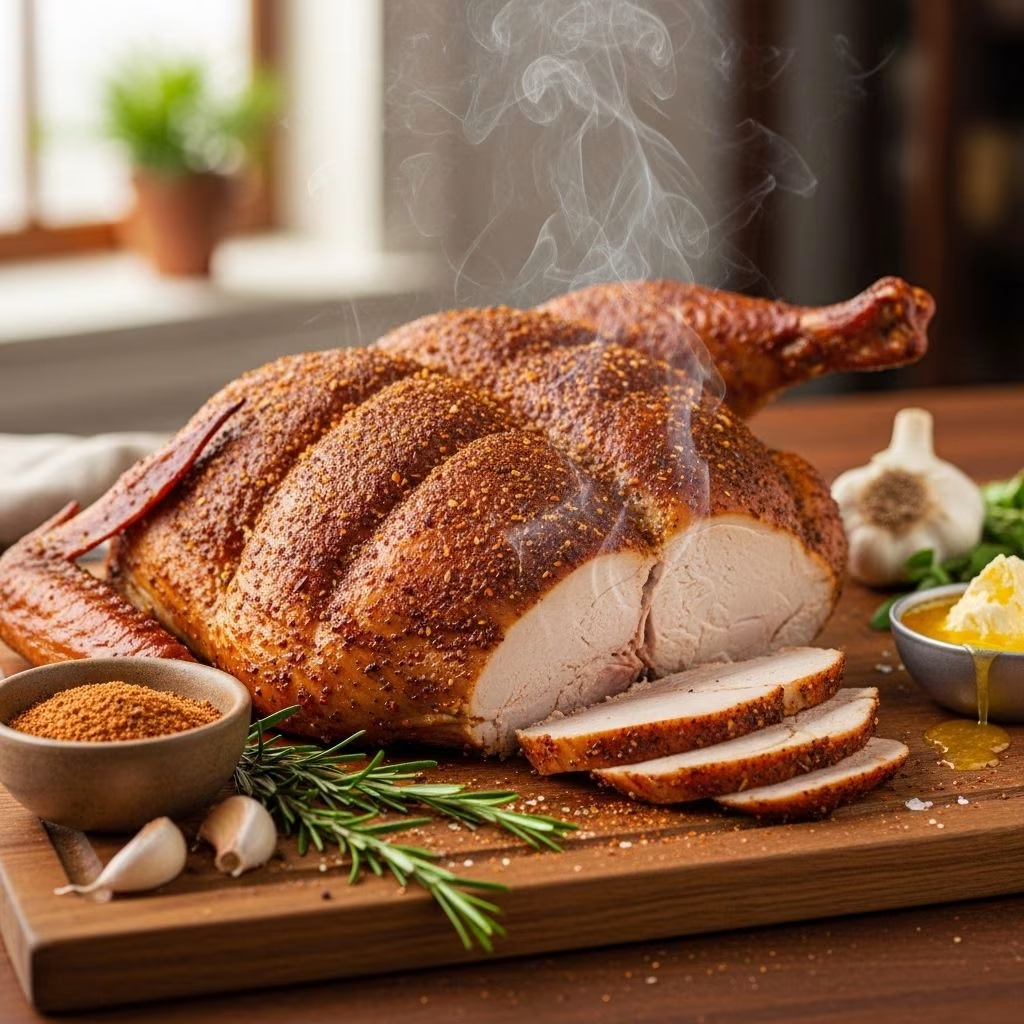
Preparing a truly memorable turkey doesn’t have to mean sticking with tradition. For those looking to upgrade their centerpiece, a spice-rubbed, butterflied smoked turkey offers a burst of flavor, unmatched juiciness, and delightfully crisp skin. This method, achieved by spatchcocking and generously seasoning the bird before slow-smoking, brings out the best qualities in turkey and frees up valuable oven space—perfect for holidays and feasts.
Why Spice-Rubbed Smoked Turkey Beats Traditional Roasts
While the classic roast turkey has its place, smoking a turkey introduces unprecedented depth, aroma, and texture. Here’s what sets this recipe apart:
- Butterflying (spatchcocking) allows for even cooking and maximizes smoke exposure, ensuring flavorful, juicy meat without overdone breast or legs.
- Spice rubs add layers of aroma and flavor, infusing the skin and forming a delectable crust as the turkey smokes.
- Smoking at low heat not only preserves moisture but also enhances the turkey with gentle wood-infused notes that can’t be achieved in the oven.
- Quicker and more even cooking overcomes common problems like dry breast meat and rubbery skin.
Key Equipment and Ingredients
Before diving in, gather these tools and ingredients for consistent results:
- Turkey: 10- to 12-pound (4.5- to 6-kg) whole bird is ideal for even cooking.
- Smoker or charcoal grill: Capable of maintaining steady 275°F (135°C) heat.
- Sharp kitchen shears: For easy backbone removal during spatchcocking.
- Wire rack and sheet pan: To air-dry and apply rub.
- Charcoal or wood chunks: Hickory, apple, or cherry wood recommended for flavor.
Spice Blend Ingredients
- 2 tablespoons (35 grams) kosher salt
- 1 tablespoon vegetable oil
- 1 tablespoon paprika
- 1 teaspoon smoked paprika
- 1/2 teaspoon freshly ground black pepper
- 1/2 teaspoon ground yellow mustard seed
- 1/2 teaspoon ground coriander seed
- 1/2 teaspoon ground cumin seed
- 1/4 teaspoon ground cayenne pepper
- 1 teaspoon granulated garlic powder
- 1 teaspoon granulated onion powder
- 1 teaspoon ground sage
- 2 tablespoons (40 grams) light brown sugar
- 1 tablespoon baking powder
Step-by-Step: Prepping and Spicing the Turkey
1. Spatchcocking the Turkey
Spatchcocking, or butterflying, creates a flat bird that cooks evenly and efficiently. To spatchcock:
- Place the turkey breast-side down on a sturdy cutting board.
- Use sharp kitchen shears to cut out the backbone, starting from the tail and working towards the neck on both sides.
- Flip the bird over and firmly press down on the breastbone to flatten.
This technique increases surface area, improving smoke penetration and skin texture.
2. Applying the Spice Rub
Blending classic barbecue aromatics with sweet and hot notes, the rub’s purpose is twofold: to flavor both skin and flesh and to help dry out the skin for maximum crispness.
- Mix all spice blend ingredients thoroughly in a bowl.
- Pat the turkey dry with paper towels, inside and out.
- Brush the bird lightly with vegetable oil. This anchors the rub and promotes browning.
- Generously apply the spice mixture over the entire surface, pressing it into every nook and cranny.
3. Air-Drying For Crispier Skin
For the crispiest skin possible, arrange the seasoned turkey on a wire rack set in a rimmed baking sheet. Refrigerate uncovered for at least 8 hours or overnight. This crucial step helps dry the skin, giving it that classic barbecue bite when smoked.
Smoking Your Turkey: Setup and Tips
1. Setting Up The Smoker or Grill
Smoked turkey shines when prepared on a charcoal grill or dedicated smoker capable of maintaining 275°F (135°C).
- Arrange charcoal to one side (two-zone method), with a drip pan of water underneath the turkey on the cooler side.
- Scatter a handful of soaked wood chunks (hickory, apple, or cherry) on top of hot coals for smoke.
2. Smoking Procedure
- Place the turkey breast-side up on the cool side of the grill, over the drip pan.
- Cover with the lid, vents mostly open to maintain consistent airflow and temperature.
- Monitor and adjust vents, adding charcoal and wood as needed to maintain 275°F (135°C).
- Smoke until the thickest part of the breast registers 150°F (66°C) and the thighs reach 165°F (74°C), usually 2.5 to 3.5 hours for a 10-12 lb bird.
Be attentive—don’t rush: steady, indirect heat is key. For extra browning, finish the turkey directly over the coals for a few minutes per side at the end of cooking.
The Science Behind a Spice-Rubbed, Butterflied Smoked Turkey
This method leverages food science for superior results. Here’s how:
- Salt in the rub helps break down muscle protein, enhancing moisture retention.
- Baking powder raises skin pH, aiding in the Maillard reaction for more intense browning and crispiness.
- Brown sugar adds sweetness and promotes caramelization, resulting in a lustrous, flavorful crust.
- Spices and herbs (paprika, cumin, coriander, sage) provide complex, aromatic notes that permeate both skin and meat.
| Ingredient | Role in the Rub |
|---|---|
| Kosher Salt | Draws out moisture, seasons deeply, helps protein structure retain juiciness. |
| Baking Powder | Raises pH for better browning, contributing to crispier skin. |
| Sugar | Boosts caramelization for rich color and subtle sweetness. |
| Paprika, Cayenne, Pepper | Layered heat and smokiness; visual appeal. |
| Sage, Garlic, Onion | Deep savory, herbal undertones characteristic of traditional turkey. |
Carving and Serving Your Smoked Turkey
Once your turkey reaches proper temperature and rests for at least 20 minutes (loosely tented with foil), it’s ready for carving:
- Remove the legs by cutting through the joint where thigh meets backbone and separate drumsticks from thighs if desired.
- Slice along each side of the breastbone to free the breast meat, then cut crosswise into thick slices.
- Arrange dark and white meat on a platter for easy serving.
Serve with your favorite barbecue sides, bring sauces to the table, and enjoy the striking combination of smoky crust, juicy meat, and complex, aromatic flavor.
Tips, Variations, and Troubleshooting
- Wood selection impacts flavor. Apple and cherry wood give lighter, fruity notes, while hickory imparts robust smokiness.
- For extra heat, double the cayenne or experiment with chipotle powder.
- Sugar substitutes: Dark brown sugar for more molasses, or try maple sugar for subtle nuance.
- Don’t skip air-drying: Prepping ahead enhances skin texture dramatically.
- If skin isn’t crisp enough at the end, briefly grill the turkey skin-side down over direct heat (watch closely to avoid burning).
Frequently Asked Questions (FAQs)
Q: Can I prepare the turkey up to the smoking step in advance?
A: Yes, you can spatchcock, rub, and air-dry the turkey 24-36 hours ahead. Store covered and refrigerated.
Q: What’s the minimum size turkey suitable for this method?
A: This method works best for turkeys 10 to 14 pounds. Larger birds may require more time and can risk uneven cooking; consider two smaller turkeys for a bigger gathering.
Q: Can I use an electric smoker instead of a charcoal grill?
A: Absolutely. Set your electric smoker to 275°F and use the same wood chunk recommendations for flavor.
Q: Do I need to inject or brine the turkey as well?
A: The spice rub and air-drying process provide excellent flavor and juiciness. If you choose to brine, reduce the salt in the rub to prevent over-seasoning.
Q: What sauces pair best with this turkey?
A: Serve with classic barbecue sauces, mustard-based rubs, or cranberry chutney for contrast.
Expert Barbecue Turkey Tips
- Rest the turkey after smoking to redistribute juices for optimal moistness.
- Use a remote thermometer if possible—it’s the best way to avoid overcooking.
- Experiment with different spice blends: add chile powder for Southwestern flair or swap sage for thyme and rosemary.
- Save the backbone and trimmings for a richly smoked gravy or soup stock.
Conclusion: A Thanksgiving and Barbecue Masterpiece
This spice-rubbed, butterflied smoked turkey is more than just a holiday dish—it’s a celebration of technique, flavor, and texture. By combining modern food science with classic barbecue traditions, you’ll create a turkey that impresses guests, elevates your feast, and sets the stage for countless compliments. Ready to try something extraordinary? Fire up your smoker, prep your spice blend, and let the aroma fill your backyard.