


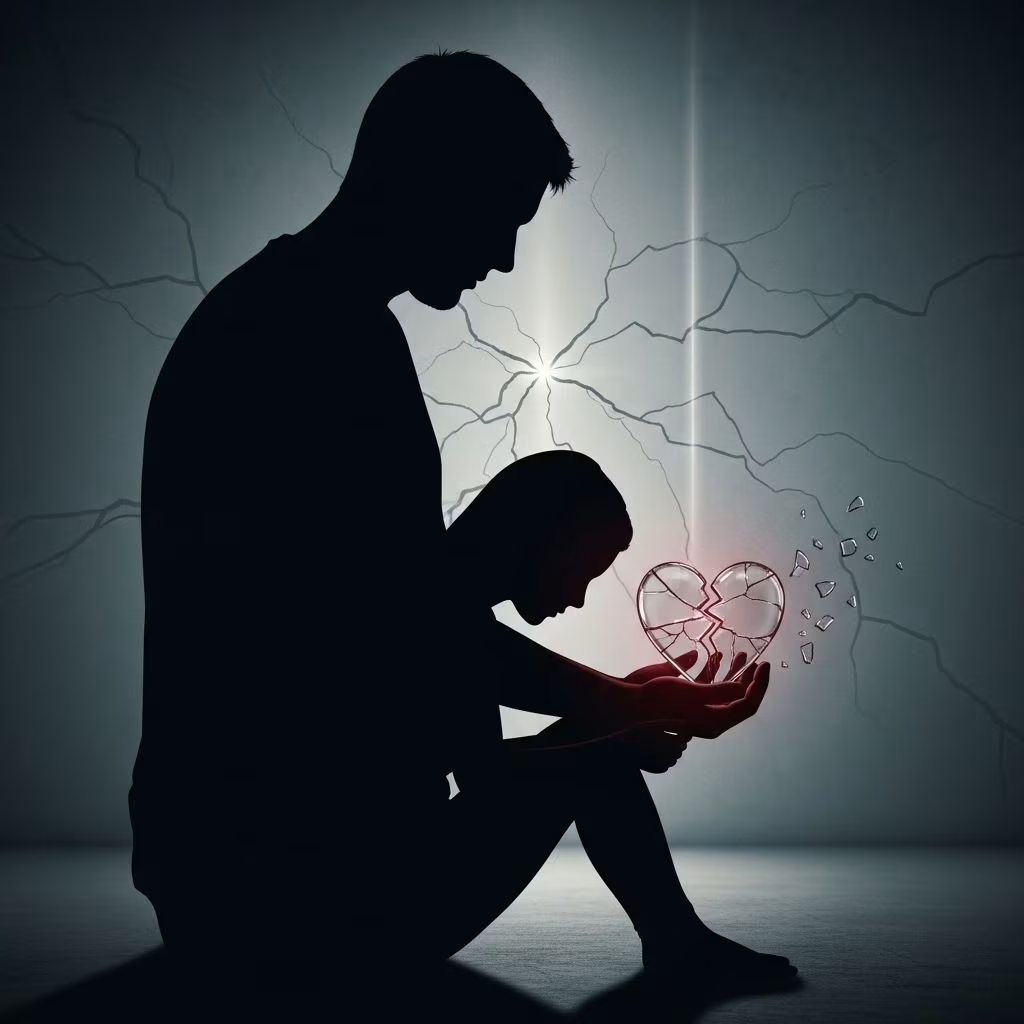
Am I In An Abusive Relationship? 66 Early Signs, Effects & What To Do
Being in love can make you generous with your trust and heart, but sometimes, that trust is misused. Abuse in relationships can be subtle, growing slowly until it eats away at your self-worth, boundaries, and happiness. If you’re wondering whether your relationship has crossed into abuse, this in-depth guide will help you recognize the hidden signs, understand the emotional aftermath, and show you what steps you can take to reclaim your personal power.
Why Recognizing Abuse Matters
Abuse is complex, often masquerading as love, control, concern, or even ‘normal’ relationship dynamic. Many people blame themselves or think love can fix the situation. But while love can change many things, it cannot heal a partner who values power and control over respect and kindness. Only when you spot abuse for what it is, can you start to reclaim your life and peace of mind.
What is an Abusive Relationship?
An abusive relationship occurs when one partner consistently seeks control—emotionally, mentally, financially, or physically—at the expense of the other’s well-being. Abuse is not always obvious; it isn’t always physical. Emotional abuse, manipulation, and coercion can be as damaging as bruises or wounds, but are harder to see and admit.
- Emotional abuse: Undermining your confidence, isolating you, using guilt or shame, relentless criticism.
- Verbal abuse: Name-calling, yelling, threats, put-downs, or constant negativity.
- Physical abuse: Hitting, slapping, excessive controlling actions, or threatening violence.
- Sexual abuse: Pressuring or forcing sexual activity against your will.
- Financial abuse: Taking your money, limiting your access to finances, or sabotaging your employment.
- Digital abuse: Monitoring your devices, invasive checking of messages or emails, online stalking.
Why Abuse Is Hard To Spot
Abuse rarely emerges at the start of a relationship. Often, abusive partners are charming, affectionate, or attentive to gain your trust. Red flags may surface gradually—a comment here, a restriction there—until you find yourself “walking on eggshells.” By the time you recognize the deeper patterns, you may feel trapped, confused, or even responsible for your partner’s behavior.
Why Victims Stay (And Why It’s Not Their Fault)
Many stay in abusive relationships hoping that patience or love will prompt change. You might give up dreams and boundaries, hoping your loyalty is reciprocated. But an abusive partner only changes if they truly want to and recognize the problem—and confrontation can often make them more aggressive or controlling. Abuse merges with their ego so deeply that any challenge to their authority feels like a threat.
The 66 Early Warning Signs of Abuse
These signs don’t always show up all at once, but each one chips away at your freedom and happiness. Even a handful of these behaviors is a major red flag.
Emotional and Mental Abuse
- Constant criticism, name-calling, or humiliation (especially in front of others).
- Gaslighting: denying your reality, twisting facts, or making you question your memory and sanity.
- Blaming you for everything that goes wrong in the relationship or in their life.
- Withholding affection as punishment until you “comply.”
- Sudden emotional outbursts, unpredictable moods, or “crazy-making” statements.
- Deliberate isolation from friends, family, or hobbies.
- Minimizing, trivializing, or denying your feelings and experiences.
- Making you feel constantly “on edge” or that you’re “walking on eggshells.”
- Excessive jealousy or possession—treating you as property, not a partner.
- Dismissing or belittling your accomplishments, looks, interests, or dreams.
- Patronizing remarks that undermine your intelligence or talents.
- Making you feel guilty or responsible for their moods and actions.
Control and Manipulation
- Monitoring your phone, social media, or emails; demanding to know your passwords.
- Constantly checking up on your whereabouts, demanding explanations.
- Discouraging or outright forbidding time with friends, family, or coworkers.
- Pressuring or making unilateral decisions about your finances, career, or social life.
- Using threats (to leave, harm themselves, or destroy property) to get their way.
- Direct orders or ultimatums: “Do this or else.”
- Frequently “love bombing” you—showering you with gifts or praise, then suddenly withdrawing affection as a control tactic.
- Invasion of boundaries: showing up unannounced, refusing to listen when you say “no.”
- Trying to take over your life, from housing to finances to big decisions.
Intimidation and Fear
- Yelling, screaming, or physical intimidation in arguments.
- Using threatening looks, gestures, or behaviors to scare you.
- Threatening to hurt you, your children, pets, or themselves if you “don’t comply.”
- Destroying your belongings or property during fights.
- Brandishing or threatening with weapons (even without use).
Sexual and Physical Signs
- Being pressured, manipulated, or forced into sex or sexual acts you’re uncomfortable with.
- Threats related to intimacy: refusing affection, shaming, or using sex as leverage.
- Physical force, grabbing, restraining, slapping, or hitting of any kind—even if they later say “I lost control.”
Financial and Digital Abuse
- Controlling or limiting access to money; spending joint resources without discussion.
- Sabotaging your job, education, or other opportunities.
- Digitally tracking you, planting spyware, or demanding access to private devices.
Love Bombing & Early Signs of Emotional Manipulation
- Very fast relationship progression: early declarations of love, pushing for exclusivity, or even discussing marriage right away.
- Bombarding you with gifts, compliments, or affection, then turning cold when boundaries are set.
- Attempting to quickly weave themselves into your life—”solving” your problems, urging you to prioritize them above all else.
- Upset when you spend time with others or pursue independence.
Additional Hidden Symptoms
- You find yourself apologizing constantly, even for things that aren’t your fault.
- Your confidence in your own thoughts, memories, or abilities is eroded.
- You avoid talking about your relationship with people you trust—or have lost touch with them entirely.
- Feeling “confused,” “lost,” “frustrated,” or “numb” has become the norm.
- You can’t remember the last time you felt truly peaceful or happy with your partner.
Effects of Abuse: How It Transforms You
Staying in an abusive relationship doesn’t just affect your present—it changes your sense of self. The longer you endure it, the more deeply the psychological effects set in, making it even harder to leave.
- Low self-esteem: Constant criticism makes you question your worth.
- Self-blame: Internalizing responsibility for your partner’s abuse.
- Isolation: Feeling increasingly cut off from others, whether by their design or through shame/fear.
- Anxiety and depression: Emotional turbulence, sleeplessness, fear, or sadness become your norm.
- Panic attacks or physical ailments: The chronic stress of abuse manifests physically over time.
- Loss of identity: You forget who you were and what you loved before the relationship.
- Trouble trusting others: All relationships can start to feel unsafe, making future healing difficult.
Why Confrontation Rarely Works (And What Really Happens)
It’s tempting to think you can reason with or help an abusive partner if you just explain how much their actions hurt. Unfortunately, confronting an abuser usually backfires: their ego, now woven tightly with control, treats your assertiveness as a threat to their dominance. Instead of remorse or change, you often get:
- More aggressive outbursts or cruel behavior.
- Intensified control and monitoring.
- Gaslighting, doubling-down on blame, or outright denial.
- Emotional withdrawal—”punishment by silence” until you “fall back in line.”
- Love bombing to temporarily draw you back in, followed by a return to old patterns.
Real change is possible only if the abuser genuinely wants to reform, recognizes that abuse is unacceptable, and seeks help on their own initiative.
How to Protect Yourself and Heal
If you recognize yourself—or someone you love—in these warning signs, know that abuse is never your fault. You deserve respect, health, and happiness. Here’s what you can do right now:
- Reach out: Confide in a trusted friend, family member, counselor, or helpline. Speaking about your reality shatters the silence that abusers depend on.
- Document the abuse: Keep a record of incidents (dates, times, details), especially if you fear for your safety.
- Plan for safety: Quietly research options—emergency contacts, shelters, escape plans—before taking any action that might alert your partner.
- Set boundaries: If possible (and safe), firmly state limits and don’t debate or justify them.
- Seek professional help: There’s no shame in talking to a therapist or support organization—healing takes guidance, and expert advice can help restore your self-worth.
- Reclaim your life: Reconnect with old hobbies, relationships, and passions outside the relationship. Use small moments of autonomy to remember what you love about yourself.
Red Flags: A Table of Key Warning Signs
| Red Flag | Examples / Impact |
|---|---|
| Extreme Jealousy | Accusations, constant check-ins, controlling friends/time |
| Gaslighting | Twisting facts, making you doubt memory/reality |
| Monitoring/Isolation | Forbidding relationships, controlling communication |
| Financial Control | Sabotaging job, taking money, denying access |
| Threats & Intimidation | Violent gestures, threats to harm, brandishing weapons |
| Love Bombing | Excessive affection, fast-pace, sudden distancing |
| Public Humiliation | Insulting, shaming, or embarrassing you in front of others |
Healing After Abuse: Steps Toward Recovery
Leaving an abusive relationship is one of the bravest things you can do. But the process of healing goes beyond a physical exit—it means rebuilding your confidence, your connections, and your sense of safety. Recovery isn’t linear, but every step forward is a reclaiming of life on your terms.
- Acknowledge the abuse: Self-compassion is essential. Remind yourself that you are not to blame for your partner’s choices.
- Challenge negative beliefs: Undo internalized narratives like “it’s my fault,” or “I’ll never find a healthy relationship.” These are symptoms of manipulation, not reality.
- Prioritize self-care: Return to activities that bring you peace, joy, and remind you of your own identity and strength.
- Build healthy support networks: Reconnect with friends or family who have your best interests at heart.
- Consider therapy or support groups: Sharing your experience in a safe space can break the cycle of isolation and promote deep healing.
Frequently Asked Questions (FAQs)
Q: What’s the difference between a rough patch and abuse?
Every relationship faces challenges, but abuse is a persistent pattern of controlling, demeaning, or harmful behavior that leaves a partner feeling afraid, hopeless, or devalued. Disagreements should not involve intimidation, fear, or personal attacks.
Q: Can a partner change if they’re abusing me?
Change is only possible when the abusive partner takes full responsibility and genuinely seeks help. Most attempts to “fix” the abuser by confronting or reasoning with them lead to more controlling methods and emotional harm. Your safety and well-being must come first.
Q: Is emotional abuse as serious as physical abuse?
Yes. Emotional abuse causes deep psychological wounds and lasting pain. It can lead to anxiety, depression, and an eroded sense of self. Physical scars may heal, but emotional ones can linger without support and intervention.
Q: How do I rebuild trust in myself after abuse?
Rebuilding trust takes time and patience. Practice self-compassion, reconnect with strong, safe friendships, and celebrate small victories in self-worth. Therapy can help restore your sense of reality and empower you to trust your judgment again.
Q: Where can I find help?
Reach out to trusted individuals, therapists, or organizations specializing in abuse recovery. Hotlines, shelters, and online resources can provide immediate guidance and support. Remember: you’re not alone, and expert help is just a call or message away.
Takeaway
Recognizing abuse in a relationship is the first, most vital step to breaking free. No one deserves to feel afraid, manipulated, or less than. You have the strength to seek safety, healing, and happiness beyond abuse.
References
- https://mytherapist.ie/relationships/signs-emotionally-abusive-relationship/
- https://www.thehotline.org/identify-abuse/domestic-abuse-warning-signs/
- https://www.solacewomensaid.org/policy-campaigns/awareness-campaigns-awards/love-bombing-affection-today-abuse-tomorrow/
- https://www.youtube.com/watch?v=6XHjnGr_v9Q
- https://www.lovepanky.com/love-couch/broken-heart/am-i-in-an-abusive-relationship
- https://www.lovepanky.com/my-life/relationships/narcissistic-abuse
- https://www.joinonelove.org/signs-unhealthy-relationship/
- https://canadianwomen.org/blog/warning-signs-abusive-controlling-relationship/


