


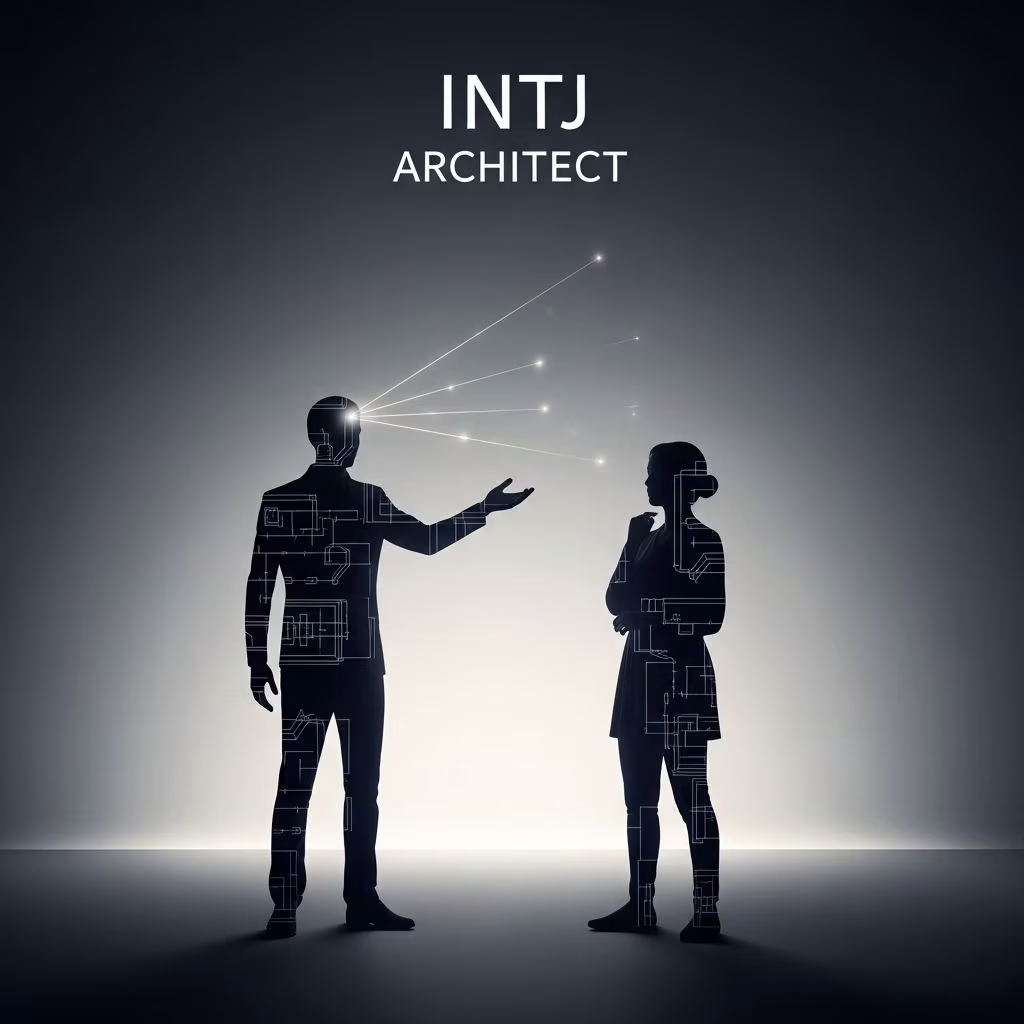
Introduction to INTJs in Relationships
Individuals with the INTJ personality type, known as Architects, are known for their intelligence, strategic thinking, and independence. In relationships, they value depth, honesty, and intellectual stimulation. While they can be excellent partners, they also face challenges such as emotional vulnerability and sensitivity to others’ feelings.
Strengths of INTJs in Relationships
INTJs bring several strengths to their relationships:
- Honesty and Integrity: They are open and honest communicators, which fosters trust and reliability in relationships.
- Intellectual Stimulation: INTJs enjoy engaging in thoughtful discussions, making their relationships intellectually stimulating.
- Independence and Autonomy: They respect their partner’s independence and encourage them to pursue their interests.
- Strategic Problem Solving: INTJs are adept at analyzing problems and finding effective solutions, which can be beneficial in resolving conflicts.
Challenges Faced by INTJs in Relationships
Despite their strengths, INTJs often encounter challenges in their personal relationships:
- Emotional Sensitivity: INTJs may struggle to understand and empathize with their partner’s emotions, as they often prioritize logic over emotional expression.
- Emotional Vulnerability: They find it difficult to express their own emotions, which can lead to feelings of isolation or misunderstanding in relationships.
- Perfectionism: INTJs have high standards, and their perfectionism can sometimes create pressure on their partner.
Communication and Conflict Resolution
Effective communication is crucial for INTJs in navigating conflicts and maintaining healthy relationships:
- Active Listening: INTJs should focus on listening actively rather than trying to solve problems immediately.
- Expressing Emotions: Learning to express emotions in a calm and respectful manner can help resolve conflicts more effectively.
Compatibility with Other Personality Types
INTJs can form successful relationships with various personality types, but they often find compatibility with ENFP and ENTP types due to their shared love of intellectual exploration:
- ENFPs: They share a love for creativity and exploration, which can create a dynamic and engaging partnership.
- ENTPs: Similar to INTJs, ENTPs value intellectual discussions and can appreciate the strategic thinking of INTJs.
Frequently Asked Questions (FAQs)
Q: Are INTJs good partners?
A: Yes, INTJs can be excellent partners due to their honesty, intelligence, and commitment to growth and improvement.
Q: How do INTJs handle emotions in relationships?
A: INTJs often struggle with expressing and understanding emotions, which can be challenging in relationships. However, they can develop emotional intelligence with practice.
References
- https://www.crystalknows.com/personality-type/intj/relationships
- https://www.psychologyjunkie.com/are-you-compatible-intj-relationships/
- https://www.mbtionline.com/en-US/MBTI-Types/INTJ/Relationships
- https://personalitypage.com/html/INTJ-rel.html
- https://www.16personalities.com/intj-relationships-dating
- https://www.truity.com/blog/personality-type/intj/relationships
- https://www.16personalities.com/articles/reciprocity-love-and-personality-give-and-take-in-architect-intj-romantic-relationships


