


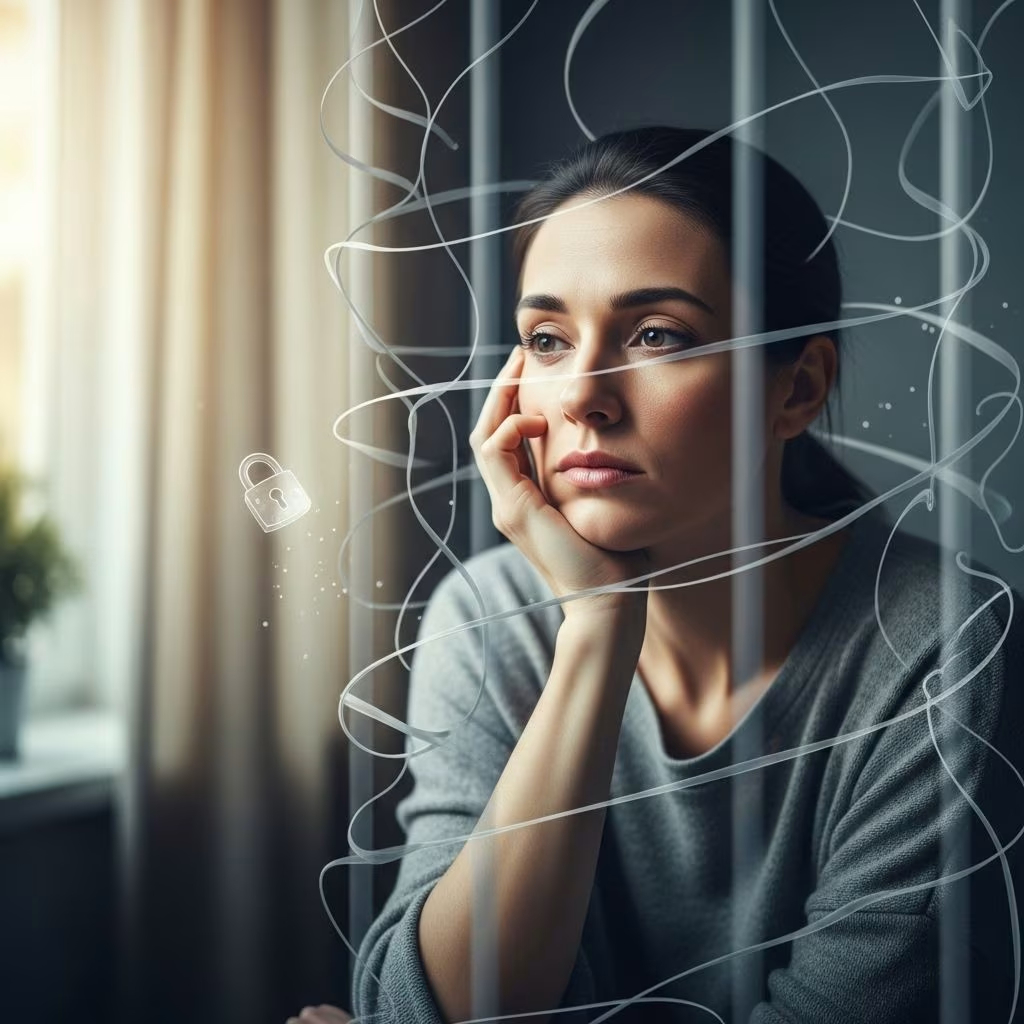
Feeling Trapped in a Relationship: Why It Happens and What You Can Do
Relationships are often built on love, connection, and mutual support. But what happens when you start to feel suffocated, controlled, or simply trapped in your relationship? This feeling can creep in gradually, leaving you unhappy, uncertain, and wondering if there is a way out or a path to rekindled happiness. This comprehensive guide will help you recognize the signs, understand the major causes, and explore practical solutions for feeling trapped in a relationship. If you suspect you’re losing your sense of freedom or identity, you’re not alone—and there are ways forward.
What Does It Mean to Feel Trapped in a Relationship?
Feeling trapped in a relationship isn’t just about wanting out—it’s an emotional state marked by a sense of loss of autonomy, personal freedom, and joy in the partnership. It’s the perception that you’re unable to make decisions for yourself, express your true feelings, or pursue your own interests without fear, judgement, or reprisal. Over time, this sense of being stuck can suffocate your individuality and diminish your overall well-being.
You might feel like:
- Your partner controls key aspects of your life, or you constantly have to justify your actions.
- Your desires or needs rarely take priority or are dismissed entirely.
- You can’t imagine a way out due to fear of the unknown, societal pressures, or emotional dependencies.
The sensation of being trapped typically develops gradually. It often starts subtly—with small compromises, unspoken resentments, or nagging doubts—and grows over time, especially when concerns go unaddressed.
Major Warning Signs That You’re Feeling Trapped
It can be hard to pinpoint exactly when a relationship crosses from healthy to stifling. Here are the most common signs that you’re beginning to feel trapped, based on both clinical insight and personal accounts:
- Emotional Disconnect: You no longer feel close or emotionally connected to your partner, and conversations have grown shallow or rare. There’s a lingering sense of loneliness, even when you’re physically together.
- No Personal Space: Everything feels shared or surveilled. You struggle to find private time for hobbies, self-care, or meaningful solitude.
- Loss of Identity: Over time, you feel like your sense of self is slipping away; your interests, goals, and even friendships have faded in favor of accommodating your partner’s needs or preferences.
- Constant Frustration and Resentment: Minor disagreements feel insurmountable, and you’re often irritable or annoyed by your partner’s presence or habits.
- Avoidance Behaviors: You find yourself making excuses to avoid time together—pretending to be busy or unwell, spending more time at work or with others, or seeking solo activities.
- Fear of Communicating: You hesitate to share your true feelings, worrying that your partner will react negatively or use your vulnerability against you.
- Routine Without Meaning: Life together feels monotonous and uninspired, as if you’re stuck on autopilot but unwilling or unable to change direction.
- Physical and Emotional Exhaustion: The mental effort of suppressing your true feelings or keeping up appearances is leaving you drained.
- Growing Anxiety or Depression: Feeling trapped often manifests physically, through persistent anxiety, low moods, or even physical symptoms without a clear medical cause.
- Lack of Intimacy: Touch, affection, and sexual connection have dwindled or vanished, replaced by emotional distance or avoidance.
Why Do People End Up Feeling Trapped?
Every relationship is unique, but certain patterns, fears, and external pressures commonly lead to feelings of entrapment. Understanding these causes is essential for breaking the cycle.
- Unmet Emotional, Physical, or Mental Needs: When core needs aren’t met—or can’t be safely discussed—partners grow apart, leading to resentment and a pervasive sense of dissatisfaction. Over time, people may stay in hopes of things improving, only for the gaps to widen.
- Fear of Change or Being Alone: Fear often keeps people stuck in unhealthy relationships, whether it’s fear of loneliness, financial insecurity, starting over, or losing mutual friends and family support. The unknown can feel more daunting than an unsatisfying status quo.
- Low Self-Esteem or Codependency: Codependent patterns develop when one partner’s sense of identity or well-being becomes enmeshed with the relationship itself. This dynamic can make it seem impossible to prioritize personal happiness without deep guilt or anxiety.
- Manipulation and Gaslighting: In toxic dynamics, guilt-tripping, emotional manipulation, or gaslighting can convince someone that they’re to blame, not good enough, or incapable of finding happiness elsewhere. This cycle erodes self-trust and reinforces dependency.
- Unresolved Trauma or Emotional Baggage: Past traumatic experiences—whether from childhood, family, or prior partners—can resurface in the present. These unresolved wounds distort current dynamics and make one feel doomed to repeat old patterns.
- Societal or Cultural Pressures: Social expectations, family opinions, or cultural norms may strongly discourage breaking up, making it hard to leave without guilt or shame. For some, ending a relationship feels like a personal or communal failure, even when staying is unhealthy.
- Financial or Practical Barriers: Shared finances, housing, parenting responsibilities, or other entanglements can make leaving very complex, especially if there are disparities in income or access to resources.
| Internal Factors | External Factors |
|---|---|
|
|
How Feeling Trapped Affects Your Mental & Emotional Health
The impact of feeling trapped can be both immediate and long-lasting, affecting every area of life:
- Mental Health Challenges: Persistent anxiety, depressive symptoms, loss of motivation, and chronic indecision can take root.
- Decreased Self-Confidence: You may begin to doubt your worth, skills, and ability to make good choices for yourself.
- Increased Conflict: Resentment grows, resulting in more frequent arguments or dramatic outbursts as you try to assert autonomy or seek relief.
- Physical Symptoms: Long-term stress and emotional suppression can manifest physically—headaches, fatigue, muscle tension, or even immune disturbances.
- Social Withdrawal: Feeling misunderstood or judged, you may begin to avoid friends, family, or support networks out of embarrassment or shame.
How to Break Free: Practical Steps & Solutions
Feeling trapped is distressing, but there are ways to regain control and restore your sense of self—whether that means rebuilding the relationship on new terms or, when necessary, moving on. Consider the following strategies:
1. Acknowledge & Accept Your Feelings
The first step is always to honestly acknowledge your emotional state. Suppressing or minimizing your unhappiness will only make things worse. Give yourself permission to recognize that your feelings are valid and worth attention.
2. Identify the Root Causes
Are there specific patterns—like criticism, neglect, or overbearing control—that repeatedly trigger your trapped feeling? Journaling or speaking with a trusted friend or therapist can help clarify the real issues at play.
3. Communicate Openly and Assertively
Share your concerns with your partner, focusing on how you feel rather than accusing or blaming. Use “I” statements and express clearly what you need—be it more personal space, better listening, or concrete behavioral changes. Respectful dialogue, while uncomfortable, is often essential for meaningful change to take root.
4. Reclaim Your Individuality
- Revisit old hobbies, interests, or friendships that have fallen by the wayside.
- Set boundaries with your partner about your time, privacy, and emotional energy.
- Practice self-care: prioritize physical activity, nutrition, sleep, and activities that foster joy and self-respect.
5. Seek Professional Guidance
Therapists or relationship coaches can help untangle complex emotional dynamics, break negative patterns, and offer both individual and couple-based strategies. If abuse or severe manipulation is present, outside support is especially vital for safety and recovery.
6. Evaluate Your Options
- Is the relationship salvageable with work from both parties?
- Would a trial separation provide clarity and relief?
- What would leaving look like financially, logistically, and emotionally? Start by listing resources, support networks, and possible obstacles to form a practical plan.
7. Prioritize Your Well-being
- Surround yourself with supportive friends or loved ones who listen and provide perspective without judgment.
- Don’t let guilt, shame, or obligation override your fundamental need for happiness, health, and autonomy.
When to Leave vs. When to Rebuild?
If you’ve clearly and repeatedly communicated your feelings and your partner is unwilling or unable to change, or if your emotional/physical safety is at risk, it may be time to consider moving on. However, if your partner is receptive, committed to growth, and both of you are willing to do the necessary work, the relationship can sometimes be renewed on healthier terms.
Frequently Asked Questions (FAQs)
Q: Is it normal to feel trapped in a long-term relationship?
A: It’s not uncommon to experience periods of doubt or dissatisfaction, especially during stressful times. However, chronic feelings of entrapment signal deeper issues that need to be addressed, either within the relationship or on an individual level.
Q: How do I differentiate between a rough patch and actual entrapment?
A: A rough patch is typically temporary and improves with honest communication, mutual effort, or external circumstances changing. Feeling trapped is more chronic, persistent, and doesn’t improve even after multiple honest attempts to address problems.
Q: Can couples therapy help if I feel trapped?
A: Yes, couples therapy can help uncover sources of dissatisfaction, teach healthy communication, and rebuild trust or freedom. However, it requires both partners’ willingness to participate and genuinely work.
Q: What if my partner manipulates, gaslights, or intimidates me?
A: These are forms of emotional abuse. Prioritize your safety and seek help from a therapist, trusted friend, or local support organization before attempting to confront or leave.
Q: How can I get my sense of self back after feeling lost?
A: Reclaiming identity involves reconnecting with your values, passions, and friends. Small steps—like journaling, starting new hobbies, or setting boundaries—can reignite self-worth and autonomy over time.
Key Takeaways
- Feeling trapped often signals unmet needs, loss of identity, or unhealthy relationship patterns.
- Recognizing the signs early—such as withdrawal, constant frustration, or avoidance—enables effective action to prevent further emotional toxicity.
- Breaking the cycle starts with honesty, boundary-setting, self-reflection, and, if needed, professional help.
- Your happiness and personal growth should never be sacrificed in the name of habit, obligation, or fear.
References
- https://soulmatcher.app/blog/feeling-trapped-in-a-relationship/
- https://johnkennycoaching.com/signs-you-are-unhappy-in-your-relationship/
- https://insessionpsych.com/5-reasons-why-youre-stuck-in-a-toxic-relationship/
- https://www.psychologytoday.com/us/blog/magnetic-partners/201811/7-signs-you-may-be-stuck-in-bad-relationship
- https://healthforlifegr.com/trapped-in-a-relationship/
- https://empathyhealthclinic.com/one-sided-relationship-signs/


