


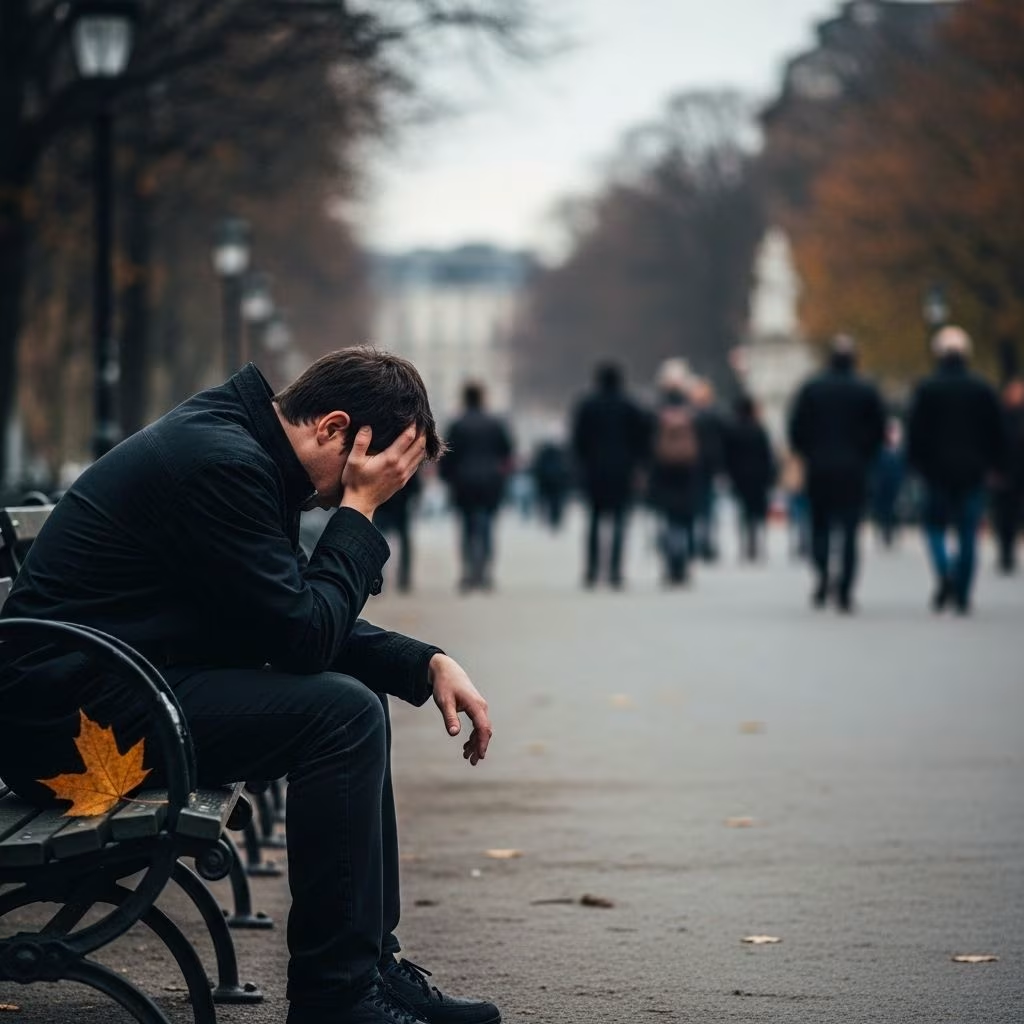
Why Do I Hate People? 16 Causes and Ways to Let Go
Many individuals, at some stage in their lives, find themselves fixated on the question: “Why do I hate people?” Whether you feel entirely alone at social gatherings, experience frequent disappointment from others, or notice your tolerance for people waning as you age, these emotions are far from unusual. However, understanding their origins and, more importantly, learning how to move beyond them can profoundly change your life.
Understanding the Emotion: Is It Normal to Hate People?
Feeling repelled or even resentful toward others isn’t an indication that you’re heartless—it’s often a reflection of emotional pain, unmet expectations, or prolonged stress. In fact, most people have fleeting moments of negativity toward others. According to experts, the critical factor is not the presence of these feelings, but whether they become a dominant part of your mindset and affect your well-being and relationships.
- No one is perfect: People will always be flawed—and so are you. However, sustained hatred can signal a need to reassess your expectations.
- Lower tolerance with age: Many find their patience for others diminishing over time, often due to cumulative disappointments.
- Hate doesn’t mean heartlessness: Disliking people may simply reflect boundaries, past pain, or burnout—not a lack of empathy or care.
16 Core Reasons Why You May Hate People
Below are the most common causes, integrating psychological insights and lived realities. Understanding these can help you identify which factors resonate with your experience and begin the journey toward empathy, resilience, and healthier connections.
1. Repeated Disappointment and Betrayal
Repeated letdowns—from a friend’s betrayal to abandonment by a parent—can create a pervasive mistrust of people. When these emotional wounds accumulate, you may recoil from social interactions to avoid further pain, perpetuating the cycle of isolation.
2. Sensitivity to Criticism and Insecurity
Shying away from others may stem from an acute sensitivity to criticism, especially if people tend to highlight your flaws or weaknesses. This environment can erode self-esteem and foster resentment.
3. Jealousy and Envy
Sometimes, it’s envy lurking beneath the hatred. Seeing others possess qualities—beauty, success, authenticity—that you wish you had may trigger resentment. Focusing on what you lack, instead of what you offer, feeds negative emotions.
4. Encounters with Fake or Toxic People
Frequent encounters with insincere or toxic individuals can reinforce the belief that people are not worth trusting. This outlook can harden into persistent dislike or hatred.
5. Unresolved Anger or Resentment
Holding onto past grievances can fester into long-term resentment, coloring your perception of others. Letting go of past hurt is critical for moving forward.
6. Burnout and Stress
Emotional exhaustion from work or life pressures can overflow into your relationships. When burnt out, even small interactions may feel overwhelming, leading to negative projections onto others—often those closest to you.
7. Highlighting Your Weaknesses
If people around you constantly remind you of your insecurities, it becomes easy to associate social interaction with discomfort. Being surrounded by negativity can reinforce self-hate and subsequent dislike for others.
8. Ideological Differences
Diverse social, cultural, religious, or political beliefs can create tension and dislike, especially if you perceive others as challenging your core values.
9. Depression and Other Mental Health Issues
Depression, anxiety, or obsessive-compulsive tendencies can warp perceptions of others, making social interaction seem even more daunting and unpleasant.
10. Unrealistic Expectations
Expecting too much from others—perfection, attention, understanding—often sets you up for disappointment and resentment.
- When expectations aren’t met, feelings of bitterness and anger can arise.
- This viewpoint fuels the narrative that others are incompetent or disappointing.
11. Type A Personality
Individuals with Type A patterns—impatient, aggressive, competitive—may develop hostility and frustration in social contexts, contributing to negative attitudes toward others.
12. Lack of Trust
Betrayal or crushed expectations in the past may make you hesitant to trust, fueling feelings of hatred or avoidance.
13. Misanthropy
Misanthropy is the distrust or dislike of humankind at large. While true misanthropy is rare, many who feel extreme resentment toward others may identify with aspects of this viewpoint, especially after trauma or sustained negativity.
14. Trauma and PTSD
Unresolved trauma, especially stemming from interpersonal violence or betrayal, can manifest as anger, irritability, and hostility toward others.
15. Pessimism
Constantly expecting negative outcomes creates a self-reinforcing loop of anger and bitterness toward others. Negativity shapes your worldview, making it difficult to forge positive relationships.
16. Projection of Self-Hatred
Sometimes, hate toward others mirrors internal dissatisfaction. Projecting insecurities allows for emotional relief but perpetuates cycles of bitterness.
| Root Cause | Core Experience | Potential Solution |
|---|---|---|
| Lack of trust | Fear of betrayal, emotional distance | Gradual exposure, building trust in small steps |
| Burnout | Overwhelm, irritability with others | Prioritizing self-care and boundaries |
| Unrealistic expectations | Disappointment, resentment | Re-evaluating and lowering expectations |
| Trauma/PTSD | Anger, avoidance, hostility | Therapy, support groups, self-compassion |
| Pessimism | Cynicism, anticipating worst outcomes | Practicing positive reframing |
Is It Possible to Let Go of Hatred?
Absolutely. The first step is acknowledging your feelings without judgment. From there, changing your habits and mindset can transform your perception of others and your experience of life itself.
- Acceptance: Recognize that imperfection is universal, both in yourself and others.
- Empathy: Consider the context of others’ actions. Everyone has struggles and moments of weakness.
- Self-reflection: Ask yourself whether recent events, personal insecurities, or mental health challenges are coloring your judgment of others.
- Healthy boundaries: Distinguishing your emotional limits from resentment toward everyone helps promote healing.
Practical Steps to Let Go and Reconnect
Transforming any form of chronic negativity requires committed self-work and a willingness to adjust your perspective:
- Recognize shared humanity: Everyone is flawed and struggling in their own way. Focusing on empathy can ease rigid thinking.
- Manage expectations: Realize that perfection—as a trait or in relationships—is unattainable.
- Prioritize self-care: Burnout often leads to irritability and aversion. Schedule regular breaks to recharge.
- Let go of past grudges: Past hurt, when dwelled on, breeds present bitterness; conscious forgiveness lightens emotional burdens.
- Embrace self-improvement: Work on personal growth rather than comparing to or resenting others.
- Seek out positive relationships: Surround yourself with supportive, genuine people who nurture growth.
- Practice gratitude: Taking note of small positive interactions can shift your emotional focus.
When to Seek Professional Help
If feelings of hatred persist, interfere with daily functioning, or are linked to trauma, depression, or anxiety, consulting with a therapist is essential. Therapy can help identify root causes and equip you with tools for healing and reconnection.
Frequently Asked Questions (FAQs)
Q: Does hating people mean I am heartless?
A: No, experiencing resentment or dislike toward others is a common—and sometimes protective—reaction. The key is not to let it define your life or harm relationships.
Q: Why do my feelings toward others seem to get worse as I age?
A: Accumulated disappointments and increased sensitivity may lower your tolerance. Reflection and intentional self-care can help maintain more positive connections.
Q: Can burnout really cause hatred?
A: Yes, burnout from work or life demands often results in irritability, withdrawal, and projection of negativity onto others.
Q: How can I start to trust people again after betrayal?
A: Start gradually—trusting in small increments. Therapy, journaling, and self-reflection can foster healing over time.
Q: Are feelings of hatred toward others sometimes a sign of underlying depression?
A: Yes, persistent negativity and social aversion can relate to depression, anxiety, or unresolved trauma. Seeking professional support is highly recommended.
Key Takeaways
- No one is immune to negative feelings about others—what matters is how you process and respond to them.
- Understanding the root causes of hatred toward others is the first step in healing and finding renewed connection.
- Transformative change arises from self-reflection, empathy, healthy boundaries, and professional support when needed.
- Letting go doesn’t require fully embracing everyone—it means freeing yourself from chronic bitterness so you can focus on meaningful, nurturing relationships.
If you find yourself asking “Why do I hate people?”—remember, you’re not alone. With knowledge, courage, and support, you can move from resentment to understanding and create stronger, more positive connections in your life.
References
- https://themindsjournal.com/why-do-i-hate-everyone-21-reasons-you-hate-people/
- https://www.lovepanky.com/my-life/relationships/why-do-i-hate-people
- https://www.lovepanky.com
- https://www.emotionalaffair.org/the-other-woman-or-cheating-husband/
- https://www.vixendaily.com/love/how-to-give-him-space-so-he-pursues-you/
- https://lovepanky25.rssing.com/chan-14866220/all_p1.html
- https://lovepanky15.rssing.com/chan-14866688/latest.php


