


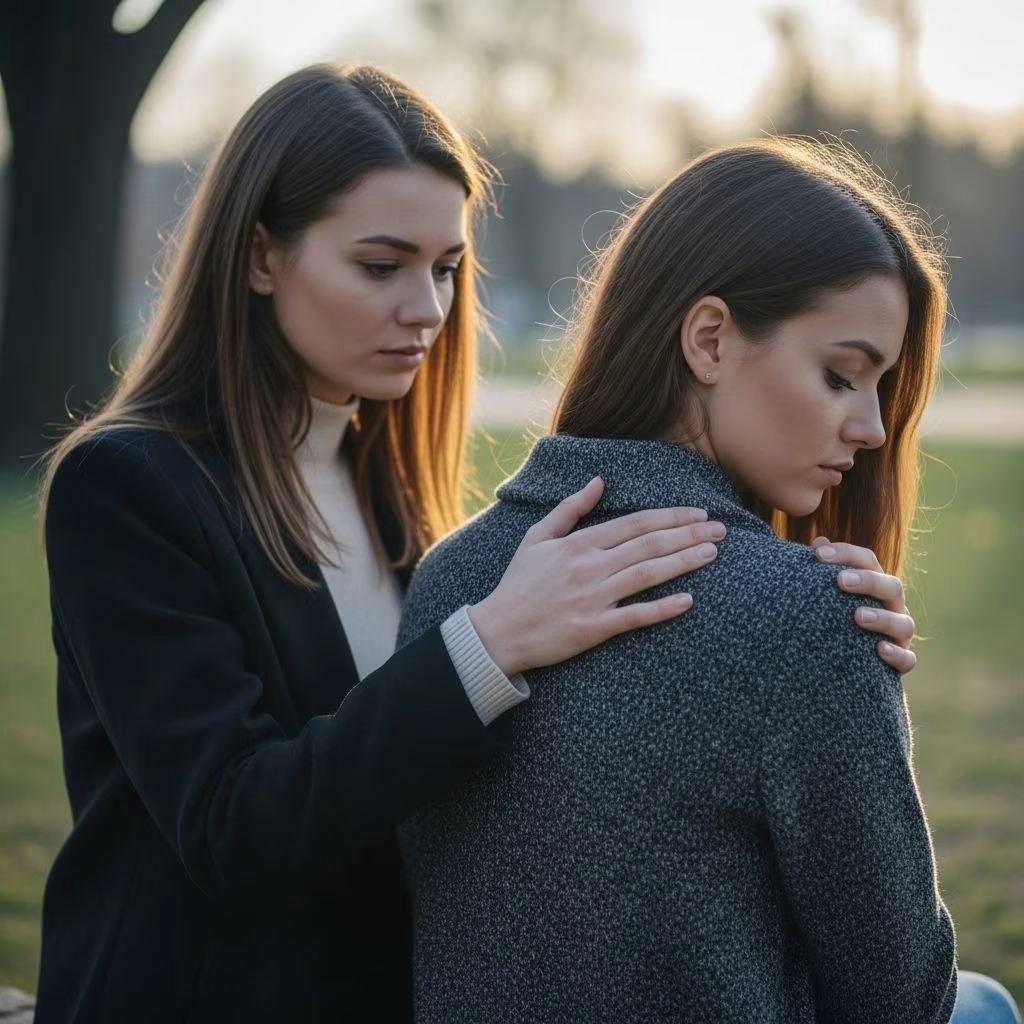
When Your Best Friend Ignores You: Why It Hurts and What You Can Do
Friendships are among life’s greatest treasures, built on years of shared memories, loyalty, and trust. When your best friend ignores you out of the blue, the pain can be sharp and confusing. It feels like betrayal from someone you counted on most. The silence can leave you questioning everything—from what you mean to them, to what you’ve done to deserve this treatment.
This guide explores the possible reasons your best friend might ignore you, helps you navigate your own emotions, and offers practical steps to restore the connection—or, if needed, let go and move on in a healthy way.
Why Does Your Best Friend Ignore You?
When your best friend suddenly stops communicating—ignoring texts, calls, or even ghosting you in person—the emotional fallout can be immense. The cold shoulder often signals something deeper: a change in their life, a problem between you, or even a reflection of their own personal struggles.
Being ignored can evoke a unique pain because best friends are our emotional anchors. They stand by us during late-night rants, heartbreaks, and family crises. That’s why abrupt silence feels more distressing from them than just about anyone else.
Common Reasons for Friend Ignoring Behavior
There’s rarely a single reason your best friend disappears emotionally or physically. Often, it’s a blend of circumstances, feelings, and unspoken words. Here are the most common causes:
- Guilt. If your friend has done something they regret or feel bad about, they might withdraw instead of facing the issue directly.
- Growing Apart. Friendships sometimes drift due to changing interests, jobs, relationships, or simply growing up.
- Romantic Distraction. A new romantic relationship might absorb all of your friend’s attention, temporarily pushing other relationships to the background.
- Coping with Personal Trials. Major life challenges—illness, family problems, job loss, divorce, or grief—can make people retreat while they process their emotions.
- Bad Friendship Behavior. Sometimes, self-centeredness, drama, or neglect can accumulate, causing a friend to step back without explanation.
- Drama Overload. Constant drama or chronic negativity can exhaust friends, prompting them to put distance between you.
- Unspoken Feelings. For some, romantic feelings develop in a friendship. If these aren’t mutual or are rejected, withdrawal often follows.
- Avoidance of Conflict. Not everyone knows how to have direct, difficult conversations, so they choose silence rather than confrontation.
Understanding which of these resonates with your situation is the first step toward addressing why you’ve been ignored—and deciding how to move forward.
How to Tell if Something is Wrong
Sometimes, the signs of trouble in a friendship are subtle. Here’s what to watch for if you suspect your best friend is avoiding you:
- Delayed or no response to your texts, calls, or social media messages
- Making plans with others but not inviting you
- Short, curt, or overly formal replies
- No longer sharing personal news or seeking your advice
- Declining invites with vague excuses or no explanation at all
- Changes in social media behavior—blocking, unfollowing, or hiding stories
Most importantly, look for changes in their baseline behavior, not just one-off signals.
Self-Reflection: Could You Be at Fault?
While it’s easy to blame your friend, healthy relationships require honest self-examination. Reflect on your past interactions using these questions:
- Did you inadvertently say or do something insensitive or hurtful?
- Have you been attentive to their needs and feelings?
- Were you engaged in constant drama or always venting without listening?
- Did you only reach out when you needed something?
- Have you drifted apart due to lifestyle changes or neglect?
If you spot patterns where you could have done better, own up to them. Self-awareness opens the door to sincere apologies that can repair the rift.
Quiz: Assess Your Friendship Behavior
| Question | Yes | No |
|---|---|---|
| Have I recently ignored their texts or calls? | ||
| Do I talk mostly about my problems? | ||
| Did I miss an important event for them? | ||
| Have I apologized if I was wrong? |
Use your responses to identify areas for improvement or issues you might need to address with your friend.
How to Respond When Your Best Friend Ignores You
After some reflection, it’s time to act purposefully. Here are steps to handle the silence with maturity:
- Give Them Space. Sometimes the best initial response is to back off. Constant messaging or surprise visits can feel invasive and push them further away. Respect personal boundaries and allow your friend time to process whatever is going on.
- Send a Thoughtful Message. Reach out with a gentle text, email, or letter expressing your concern and willingness to listen. Use “I” statements and avoid blame.
- Apologize Sincerely if Necessary. If you recognize your fault, take responsibility with a heartfelt, clear apology. Don’t make excuses or shift blame.
- Express Your Feelings. Let your friend know how much their absence hurts and how much you value the relationship, but don’t guilt-trip them or demand immediate answers.
- Be Patient. It may take days or weeks for your friend to be ready to talk. Pushing for instant resolution can backfire, making them retreat even further.
- Rebuild Trust Slowly. If you reconnect, focus on open communication and steady support. Let them lead with how much they want to share or re-engage.
Do’s and Don’ts of Dealing with the Cold Shoulder
- Do give both of you adequate time and space to cool off and gain perspective.
- Do focus on honest, non-confrontational communication when the time is right.
- Do remember that true friendship is built on mutual respect and interest, not forced closeness.
- Do not send repeated messages, get emotional in texts, or stalk your friend on social media.
- Do not bad-mouth your friend to others or spread drama.
- Do not demand explanations before your friend is ready to talk.
- Do not take it personally if your friend is overwhelmed by life—sometimes, it really isn’t about you at all.
Moving Forward: Rebuilding or Letting Go
Not all friendships are meant to last forever. Some simply run their natural course, and others survive even major misunderstandings. After reaching out, providing space, and having an honest conversation, you have to accept your friend’s response—whether it’s reconciliation or continued distance.
- If you reconcile:
- Focus on forgiving one another and rebuilding trust through consistent, respectful actions.
- Avoid rehashing the past repeatedly—learn the lessons and move forward.
- Set new boundaries if needed to prevent future issues.
- If your friend continues to pull away or ends the friendship:
- Respect their choice and process your feelings in a healthy way—through journaling, other friendships, or even counseling if necessary.
- Don’t vilify your friend or turn others against them. What you once shared was real, even if it has changed.
- Trust that new fulfilling friendships can and will develop as your life evolves.
The loss of a best friend can feel like grief. Allow yourself to feel the pain, but look ahead with openness to the new connections and growth that life has in store.
Frequently Asked Questions (FAQs)
Q: What should I do if my best friend ignores me for no apparent reason?
A: Start by giving them space, then reach out with a simple, non-confrontational message. If you don’t hear back after a reasonable time, consider focusing on your own well-being and other friendships.
Q: How long should I wait before trying to reconnect?
A: Wait at least several days to a couple of weeks, depending on the circumstances. Pushing for immediate answers can make things worse. When you reach out, keep your message brief and kind.
Q: Is it possible to fix the friendship after being ignored?
A: Many friendships bounce back after periods of silence. Honest communication, apologies, and time can all help repair the rift, but it depends on the willingness of both parties.
Q: Should I move on if my friend never responds?
A: Sometimes, the healthiest step is to accept the loss and invest your energy in other relationships and your own growth. If your friend chooses not to stay, it’s not necessarily a reflection of your worth.
Q: How do I keep from blaming myself?
A: Self-reflection is healthy, but don’t internalize all the blame. Relationships are two-way streets, and sometimes circumstances are out of your control. Be kind to yourself as you process the situation.
If you’re hurting from being ignored, know you’re not alone—and that with time, healing and meaningful new connections are possible.
References
- https://www.lovepanky.com/my-life/relationships/when-your-best-friend-ignores-you
- https://www.lovepanky.com/love-couch/broken-heart/ignoring-texts-on-purpose
- https://www.simplypsychology.org/why-is-my-friend-ignoring-me.html
- https://www.scribd.com/document/701940591/31-Secrets-to-Get-Your-Friend-to-Like-You-Fall-in-Love-Before-Asking-Them-Out
- https://lovepanky15.rssing.com/chan-14866688/latest.php
- https://lovepanky31.rssing.com/chan-14866260/all_p1.html


