


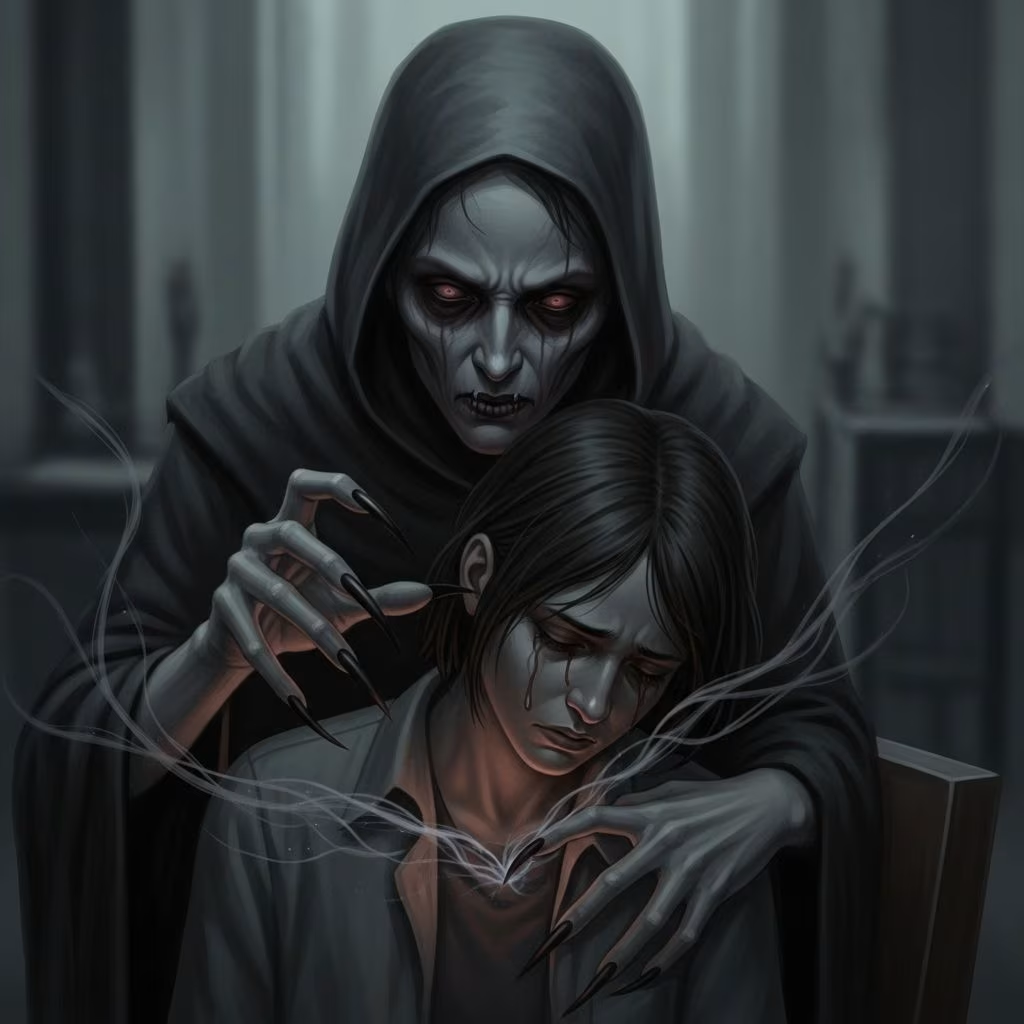
What Is an Energy Vampire?
An “energy vampire” is a term used to describe someone who consistently drains the emotional reserves and vitality of those around them. These people feed off the attention, sympathy, or even anxiety of others, often leaving their friends and family feeling tired, irritable, or emotionally depleted after interactions. While everyone has bad days or needs support, energy vampires turn this into a habitual pattern, rarely giving back and always taking more than they give.
Why Recognizing an Energy Vampire Is Important
Spotting someone who saps your energy is essential for maintaining your mental health and cultivating fulfilling relationships. If you frequently feel exhausted, stressed, or demoralized after seeing a particular friend, it might be more than coincidence. Understanding the signs allows you to set boundaries, minimize contact when necessary, and protect your well-being.
25 Creepy Signs Your Friend Is an Energy Vampire
Constant Negativity
- They never seem happy, and every conversation is laced with pessimism.
- They always have a new crisis or reason to complain.
- Even good news is quickly overshadowed by their negativity.
- Their problems seem neverending, with no resolution in sight.
Negativity is contagious, and constantly absorbing someone else’s gloom can bring your own mood down.
One-Sided Conversations
- They dominate every conversation and rarely ask about your life.
- If you mention a struggle, they quickly shift the topic back to themselves.
- You feel like a sounding board rather than an equal participant.
- They interrupt frequently and don’t give you a chance to speak.
Healthy friendships are reciprocal; energy vampires make everything about them.
They Rarely Offer Support
- When you need emotional support, they are unavailable or uninterested.
- They dismiss or minimize your feelings and problems.
- If you’re upset, they might even play up their own issues instead.
- They never check in to see how you’re doing, unless they need something.
You may feel emotionally empty after interactions, realizing you gave much more than you received.
Frequent Drama
- There’s always a new scandal, breakup, or argument in their life.
- They thrive on chaos and seem to seek out conflict.
- They enjoy having people feel sorry for them.
- They might even manufacture drama if things get calm.
Energy vampires often use drama to keep others engaged and to continuously extract sympathy and attention from others.
Lack of Accountability
- They never take responsibility for their actions or mistakes.
- Every problem in their life is someone else’s fault.
- When confronted, they play the victim or get defensive.
- They may even deny obvious facts to avoid blame.
Refusing to be accountable is a hallmark of emotional immaturity and drains those around them.
They Diminish Your Problems
- When you share something difficult, they downplay it or change the subject.
- They use your suffering as a way to bring up their own issues.
- They might imply your problems aren’t “real” compared to theirs.
- You feel unheard and dismissed after confiding in them.
This behavior makes you feel like your feelings don’t matter, which can be deeply invalidating.
Always Need to Be the Center of Attention
- In group settings, they must be the star.
- They interrupt, talk over others, and steer conversations to themselves.
- They might exaggerate stories or fabricate events to keep eyes on them.
- They become irritable or pouty if ignored.
Their need for constant validation and attention is emotionally exhausting for friends.
They Use Guilt to Manipulate
- They manipulate with guilt trips when you set boundaries.
- They make you feel responsible for their happiness.
- If you can’t help, they say things like “I guess I’m on my own then.”
- They use your empathy to get what they want.
This emotional manipulation is a sign of a toxic relationship and a clear indicator of an energy vampire.
They Act Like a Martyr
- They act as if they are constantly sacrificing for others.
- Despite their complaints, they never actually change anything.
- They take pride in how much they supposedly suffer.
- They expect sympathy and praise for their “sacrifices.”
This martyr mentality is another way to extract emotional energy from those around them.
They Lack Self-Awareness
- They seem blind to how their behavior affects others.
- They don’t notice when friends pull away or become quiet.
- They rarely apologize or reflect on their actions.
- They repeat the same negative patterns with everyone.
A lack of self-awareness is a key sign you’re dealing with an energy vampire—they can’t change what they can’t see.
You Feel Drained After Spending Time Together
- Interactions leave you feeling tired, anxious, or irritable.
- Even if the conversation wasn’t bad, you feel emotionally spent.
- You might put off seeing them because you know you’ll need to “recover.”
- You avoid answering their calls or texts when you’re already stressed.
This is one of the most universal signs: if you consistently feel worse after hanging out, that’s not friendship—that’s emotional tax.
You Feel Used
- They only reach out when they need something.
- You are always the listener, never the supported.
- You feel like an afterthought, not a priority.
- They rarely express gratitude or reciprocate your help.
Relationships should be a two-way street; feeling used is a red flag.
They Exaggerate Problems
- A minor issue is blown out of proportion to garner sympathy.
- They always have the “worst day ever” or “unbelievable” hardships.
- You dread telling them about your own issues because theirs are always “worse.”
This habit of exaggeration is both a sign and a symptom of someone who thrives on drama and attention.
They Blame Others Constantly
- No matter what happens, it’s always someone else’s fault.
- They refuse to see their own role in conflicts.
- They paint themselves as victims in every story.
Blaming others is a way to avoid responsibility and keep the focus on their suffering.
They Use People
- They see relationships as transactions—what can you do for them?
- They might manipulate situations to their advantage.
- They have a pattern of dropping people who can no longer serve their needs.
This is a clear sign of emotional exploitation, not genuine friendship.
They Only See Their Own Side
- They are unable to empathize or consider your perspective.
- If you disagree, they accuse you of disloyalty or not understanding.
- Compromise or mutual understanding is rare.
This lack of empathy is draining and can make it impossible to resolve conflicts.
They Struggle to Apologize
- Even when clearly in the wrong, they resist saying sorry.
- If they do apologize, it’s half-hearted or comes with excuses.
- They may reverse victim and offender.
Genuine remorse is a mark of healthy relationships; its absence signals emotional immaturity.
They Gaslight or Manipulate
- They twist your words or make you question your memory.
- They deny things they’ve done or said, even if you have proof.
- They make you feel crazy or “too sensitive.”
Gaslighting is a serious form of emotional manipulation and a strong warning sign of toxicity.
You Feel Anxious Before Seeing Them
- The thought of meeting up fills you with dread.
- You rehearse how to avoid certain topics.
- You feel tense or on edge before interactions.
If you feel this way, it’s a sign your subconscious is warning you of emotional danger.
You Notice Other Friends Pulling Away
- Mutual friends also seem to avoid them.
- You hear similar complaints from others.
- Their social circle is constantly changing as people burn out.
This pattern is a red flag that you’re not imagining things—others see it too.
They Don’t Respect Boundaries
- They insist on calling or texting at all hours.
- They get upset if you don’t respond immediately.
- They pressure you to share more than you’re comfortable with.
Healthy friends respect your limits; energy vampires ignore them.
They Gossip About Others
- They share private information about others to bond with you.
- They speak poorly of their other friends behind their backs.
- If they gossip about others, assume they gossip about you, too.
This behavior indicates a lack of loyalty and emotional maturity.
They’re Never Truly Happy for You
- When you achieve something, they subtly (or not so subtly) minimize it.
- They always have to “one-up” your good news.
- They struggle to show genuine joy for your successes.
In a true friendship, both people celebrate each other’s wins.
They Use Ultimatums
- They make you choose between them and something else.
- They threaten to end the friendship if you don’t comply.
- They use your fear of abandonment to control you.
This is manipulation, not friendship.
You’ve Become More Negative or Pessimistic
- You notice your own outlook getting darker.
- You’re more critical, cynical, or less hopeful.
- You feel your personality changing for the worse.
Our environment shapes us; a negative friend can bring you down, too.
What to Do If You’ve Identified an Energy Vampire in Your Life
If you recognize yourself in this article, you’re not alone. Many kind, empathetic people attract energy vampires. The key is to take action—not to blame yourself or the other person, but to prioritize your own well-being.
Set Boundaries
- Decide what you will and won’t tolerate.
- Communicate your limits calmly and confidently.
- Don’t apologize for taking care of yourself.
Limit Time Together
- Gradually reduce contact if you’re not ready for a dramatic break.
- Meet in groups rather than one-on-one.
- Keep conversations short and focused on neutral topics.
Don’t Take It Personally
- Their behavior is about them, not you.
- You can’t fix or change someone else.
- Remind yourself that you deserve friends who build you up, not drain you.
Seek Support
- Talk to a trusted friend or therapist about your feelings.
- Consider joining a support group or online community.
- Practice self-care: exercise, meditate, journal, or spend time in nature.
FAQs: Energy Vampires and Toxic Friendships
How can I tell if my friend is truly an energy vampire?
Look for patterns, not isolated incidents. If you consistently feel drained, used, or ignored after spending time with them, and the dynamic rarely changes, these are strong indicators. Healthy friendships should feel reciprocal and supportive most of the time.
Is it possible for an energy vampire to change?
Change is possible, but it’s rare without self-awareness and a willingness to work on oneself. Most energy vampires don’t see their behavior as a problem. You can set boundaries and encourage healthier communication, but you cannot force someone to change.
What’s the difference between a friend having a bad day and an energy vampire?
Everyone has rough patches; the difference is in consistency and reciprocity. A good friend will have ups and downs but will also support you when you need it. An energy vampire’s draining behavior is ongoing and one-sided.
Should I end the friendship?
That’s up to you. Some people choose to distance themselves gradually, others confront the behavior directly, and some decide to end the friendship entirely. The most important thing is to prioritize your well-being.
Can energy vampires be coworkers or family, not just friends?
Absolutely. Energy vampires can be anyone—coworkers, family members, romantic partners. The key is to recognize the signs and protect your emotional health, regardless of the relationship.
Conclusion: Protect Your Energy
Spotting an energy vampire in your life is the first step toward reclaiming your peace and happiness. Remember: you are not responsible for fixing, saving, or endlessly serving another person. True friendship is about mutual respect, support, and joy—not about being an emotional dumping ground. Learn the signs, set boundaries, and surround yourself with people who truly uplift you.
References
- https://www.businessinsider.com/signs-your-friend-is-an-energy-vampire-2024-2
- https://www.calm.com/blog/energy-vampire
- https://www.healthline.com/health/mental-health/energy-vampires
- https://health.clevelandclinic.org/energy-vampire
- https://www.youtube.com/watch?v=IGCw5-nF5O0
- https://www.psychologytoday.com/us/blog/lifetime-connections/202410/energy-vampires-and-ghosters-friends-that-may-mean-you-harm


