


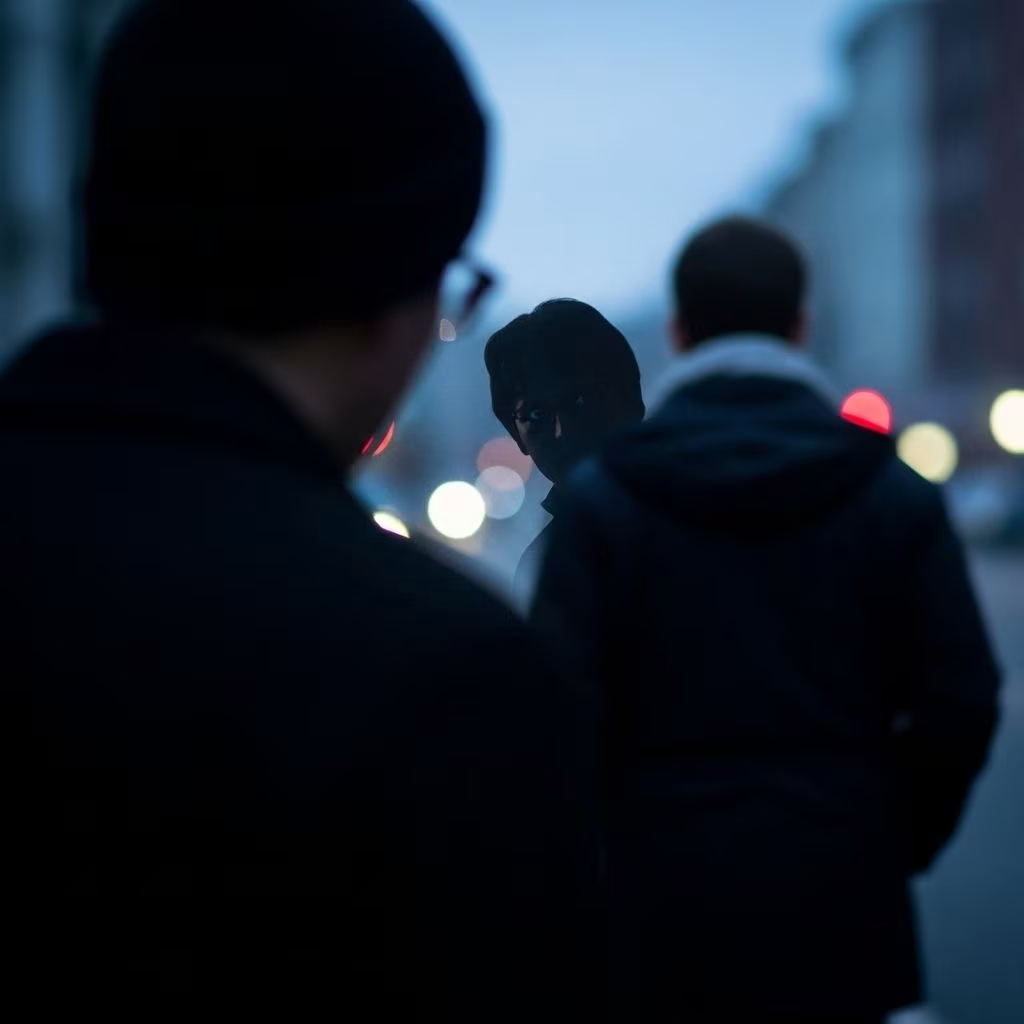
How to Get Rid of a Stalker: Signs, Types, and Essential Safety Steps
\n\n
Stalking is a distressing experience that can severely impact your sense of safety, mental health, and daily life. If you suspect or know that someone is stalking you, understanding the nature of stalking, recognizing its signs, and knowing precise safety steps are crucial for your well-being. This article covers everything you need to know—including the types of stalkers, warning signs, practical strategies for self-protection, and legal options—to help you stay safe and regain control of your life.
\n\n
Table of Contents
\n
- \n
- What is Stalking?
- 46 Alarming Signs That Someone is Stalking You
- Types of Stalkers
- Essential Safety Tips to Get Rid of a Stalker
- Dealing Effectively with Cyberstalking
- Legal Actions and Reporting
- Protecting Your Privacy and Digital Footprint
- Frequently Asked Questions (FAQs)
\n
\n
\n
\n
\n
\n
\n
\n
\n\n
What is Stalking?
\n
Stalking is defined as a pattern of unwanted attention, harassment, or contact that causes the victim to feel threatened, unsafe, or fearful for their personal security. Stalking can manifest as physical following, unwanted communication, or increasingly, digital harassment. Perpetrators may be strangers or someone the victim knows personally, such as an ex-partner, acquaintance, or coworker.
\n\n
46 Alarming Signs That Someone is Stalking You
\n
Recognizing the behaviors of a stalker is the first critical step to protecting yourself. If you notice several of these warning signs, take them seriously:
\n
- \n
- Unwanted gifts left at your home, work, or car.
- Receiving numerous phone calls, texts, emails, or messages from the same person after asking them to stop.
- Someone shows up unannounced at your home, work, gym, or other frequent places.
- Frequent ‘coincidental’ meetings in public spaces.
- Monitoring or following your social media accounts and interactions.
- Persistent requests to see you, even after rejection.
- Investigating or asking your friends, family, or coworkers about your whereabouts and plans.
- Unexplained appearances or car parked near your residence or workplace.
- Threatening or manipulative language, including indirect threats to harm themselves or you.
- Sending graphic, disturbing, or sexually explicit materials.
- Using new/unknown numbers or accounts to reach you after being blocked.
- Hacking your social media, email, or phone accounts.
- Intercepting your mail or packages.
- Vandalism or tampering with your property, car, or home.
- Impersonating you online or creating fake profiles in your name.
- Tracking your movements through GPS or sharing your private photos without consent.
- Contacting you through mutual friends or fabricated emergencies.
- Using emotional blackmail or threats against your loved ones.
- Attempts to physically restrain or detain you.
- Regularly commenting on or referencing events only you could know about.
- Appearing to know details about your schedule or plans without having been told.
- Staring at you in public from a distance, or making you feel watched.
- Harming or threatening pets.
- Accessing your personal belongings surreptitiously.
- Using technology to monitor or eavesdrop on your conversations.
- Sending inappropriate items to your workplace or home.
- Following you in a car or on foot.
- Leaving notes, graffiti, or symbols at places you frequent.
- Persistent behavior, even after clear rejection and boundaries.
- Refusing to acknowledge your right to say “no.”
- Attempting to isolate you from friends or family.
- Appearing after you check in or share your location.
- Obsessively searching online for your information.
- Applying for jobs or volunteering at places you go to regularly.
- Making false police reports or legal complaints against you.
- Leaving or hiding objects in your home or car as ‘tokens.’
- Contacting your employer or school to ask about you.
- Harassment through letters, postcards, or even cryptic messages.
- Using children or third parties to send messages or gifts.
- Offering unwanted ‘help’ or services anonymously.
- Obsessively collecting or displaying your personal information.
- Referencing things you recently bought, posted, or liked online.
- Pretending to be an authority figure to get information about you.
- Deliberately damaging your reputation by spreading rumors.
- Displaying aggressive or jealous behavior when you interact with others.
- Expressing entitlement to your time, attention, or affections.
\n
\n
\n
\n
\n
\n
\n
\n
\n
\n
\n
\n
\n
\n
\n
\n
\n
\n
\n
\n
\n
\n
\n
\n
\n
\n
\n
\n
\n
\n
\n
\n
\n
\n
\n
\n
\n
\n
\n
\n
\n
\n
\n
\n
\n
\n
\n\n
Types of Stalkers
\n
Stalkers may act out of different motivations and backgrounds. Common types include:
\n
- \n
- Rejected Stalker: An ex-partner or ex-friend unable to accept the end of a relationship, often motivated by revenge or reconciliation.
- Resentful Stalker: Seeks to frighten, distress, or harm the victim out of a perceived grievance or injustice.
- Intimacy Seeker: Someone convinced that a close, often romantic, relationship exists or will develop with the victim.
- Incompetent Suitor: Lacks social skills or awareness, persists in pursuit despite being unwelcome.
- Predatory Stalker: Engages in stalking behavior as part of sexual aggression or predatory motives, with an increased likelihood of violence.
- Cyberstalker: Uses digital tools—emails, social media, GPS tracking, spyware—to follow, monitor, threaten, or harass.
\n
\n
\n
\n
\n
\n
\n\n
Essential Safety Tips to Get Rid of a Stalker
\n
Once you’ve identified stalking behavior, take decisive action to protect your safety and emotional well-being. Follow these evidence-backed safety tips:
\n
- \n
- Trust Your Instincts: If you feel unsafe or unsettled, your concerns are valid.
- Cease All Communication: Do not engage after clearly warning the stalker to stop. Even negative responses can encourage their behavior.
- Document Every Incident: Keep a chronological and detailed log of all stalker-related events—including dates, times, descriptions, screenshots, and witnesses. Save all messages, voicemails, emails, or gifts for potential legal proceedings.
- Vary Your Routine: Change up your daily habits and routes to prevent predictability. Switch gyms, regular coffee shops, or the times and routes you use for daily errands.
- Inform Trusted People: Notify family, friends, coworkers, and neighbors about the situation. Give them clear instructions for what to do if contacted by the stalker.
- Use the Buddy System: Travel with trusted companions whenever possible, especially at night or in vulnerable settings.
- Secure Your Home: Install deadbolts, security cameras, motion-triggered lights, and window locks to deter intrusions.
- Establish a Code Word: Set up a code word with close contacts to signal when you’re in immediate danger. Make sure everyone understands the action plan connected to the code word.
- Block Communication Channels: Block the stalker’s numbers and social media profiles. Do not accept friend requests from unknown or suspicious accounts.
- Limit Social Media Sharing: Adjust privacy settings and avoid public posts about your whereabouts. Remove geotags from images. Consider suspending or deleting vulnerable accounts if necessary.
- Contact Authorities When Threatened: If the situation escalates, do not hesitate to call the police. Share your documentation and insist on filing a report.
- Work with Support Services: Reach out to local victim support centers, stalking hotlines, or domestic violence shelters for additional guidance and resources.
\n
\n
\n
\n
\n
\n
\n
\n
\n
\n
\n
\n
\n\n
Dealing Effectively with Cyberstalking
\n
Technology has enabled stalkers to expand their methods. Protect yourself from cyberstalking as follows:
\n
- \n
- Update passwords across all accounts using unique, strong combinations.
- Change your security questions and answers to prevent unauthorized account access.
- Run regular security checks on all devices for spyware and malware.
- Adjust privacy and default settings on apps to restrict location sharing.
- Search for your name online to monitor for unauthorized information or impersonations. Request take-downs of any harmful content.
- Block phone numbers and emails; contact providers for advanced blocks if persistent.
- Consider getting new phone numbers or email addresses if harassment does not stop.
- Inform your internet provider about persistent digital abuse; they may offer cyber-protection tools.
\n
\n
\n
\n
\n
\n
\n
\n
\n
| Action | Purpose |
|---|---|
| Change all passwords | Prevent unauthorized account access |
| Run anti-spyware and antivirus scans | Detect and remove tracking software |
| Limit social media visibility | Restrict stalker’s access to your information |
| Block unwanted contacts and accounts | Stop direct digital harassment |
| Save digital evidence | Support your case with law enforcement |
\n\n
Legal Actions and Reporting
\n
Pursuing legal options sends a clear message and can activate law enforcement support if stalking persists.
\n
- \n
- File a Police Report: Provide your documentation and make clear the threat you are facing. This creates a record and can help police respond faster in the future.
- Obtain a Restraining or Protective Order: Courts can issue an order that restricts the stalker from contacting or approaching you. Report any violations of the order to law enforcement immediately.
- Consult Legal Aid Services: Seek guidance from organizations that specialize in stalking, cyber abuse, or domestic violence laws. They can explain your rights and support through court processes.
- Learn About Local Laws: Stalking and cyberstalking are criminal offenses in many jurisdictions. Research your state’s laws or ask an attorney for advice.
- Keep Communicating with Law Enforcement: Notify them of any escalation, new behavior, or property damage.
\n
\n
\n
\n
\n
\n\n
Protecting Your Privacy and Digital Footprint
\n
Stalkers often exploit information you share online or through mutual contacts. Protect your privacy with the following proactive measures:
\n
- \n
- Set all social media profiles to private; limit information only to trusted friends.
- Remove personal details (home, work address, phone number) from public sites and social media bios.
- Be cautious sharing event check-ins, photos, or updates that reveal your real-time location.
- Ask mutual friends not to share photos, tags, or updates about you without permission.
- If you must use dating or networking apps, use privacy controls and avoid connecting accounts to your real name or phone number.
- Monitor your name and accounts online regularly to detect fake profiles or leaks of your information.
\n
\n
\n
\n
\n
\n
\n\n
Frequently Asked Questions (FAQs)
\n
Q: What should I do if gifts or notes are left at my door?
\n
A: Do not touch or accept them. Take photographs for evidence, make a note of the time and date, and inform the police. Use this as documentation if pursuing legal action.
\n\n
Q: If my stalker changes numbers or creates new profiles, should I keep blocking them?
\n
A: Yes, continue blocking them and keep all messages as evidence. Do not engage, even in frustration or anger, as this can be misinterpreted as encouragement.
\n\n
Q: Should I confront my stalker directly?
\n
A: Only once, and only to clearly state you do not want contact. After that, all communication should cease. More engagement can increase their obsession.
\n\n
Q: How do I keep myself safe in public if I think someone is following me?
\n
A: Head to a crowded, well-lit area or a business and ask for help. Do not go directly home. If you feel in immediate danger, call the police right away.
\n\n
Q: Should I tell my employer about my situation?
\n
A: Yes, alert your supervisor and security personnel. Provide them with a description of the stalker and instructions to call the police if the stalker is seen nearby.
\n\n
Conclusion
\n
Stalking is a serious violation of personal boundaries and safety. By recognizing the warning signs early, taking decisive steps to secure your environment, seeking support, and documenting every encounter, you can reclaim control over your life. Your well-being comes first—never hesitate to seek help or alert the authorities if someone is making you feel unsafe.
References
- https://www.stalkingawareness.org/wp-content/uploads/2022/05/Safety-Strategies.pdf
- https://www.thehotline.org/resources/stalking-safety-planning/
- https://www.lovepanky.com/my-life/relationships/how-to-get-rid-of-a-stalker
- https://www.lovepanky.com/my-life/reflections/the-pros-and-cons-of-being-attached-to-our-gadgets
- https://pmc.ncbi.nlm.nih.gov/articles/PMC10515444/
- https://fitzpatrick.house.gov/protecting-americans-from-cyberstalking
- https://www.youtube.com/watch?v=ZqOFWl4Z6oE
- https://www.cdc.gov/intimate-partner-violence/about/about-stalking.html
- https://www.stalkingawareness.org/wp-content/uploads/2018/11/Stalking-IPV-Fact-Sheet.pdf


