


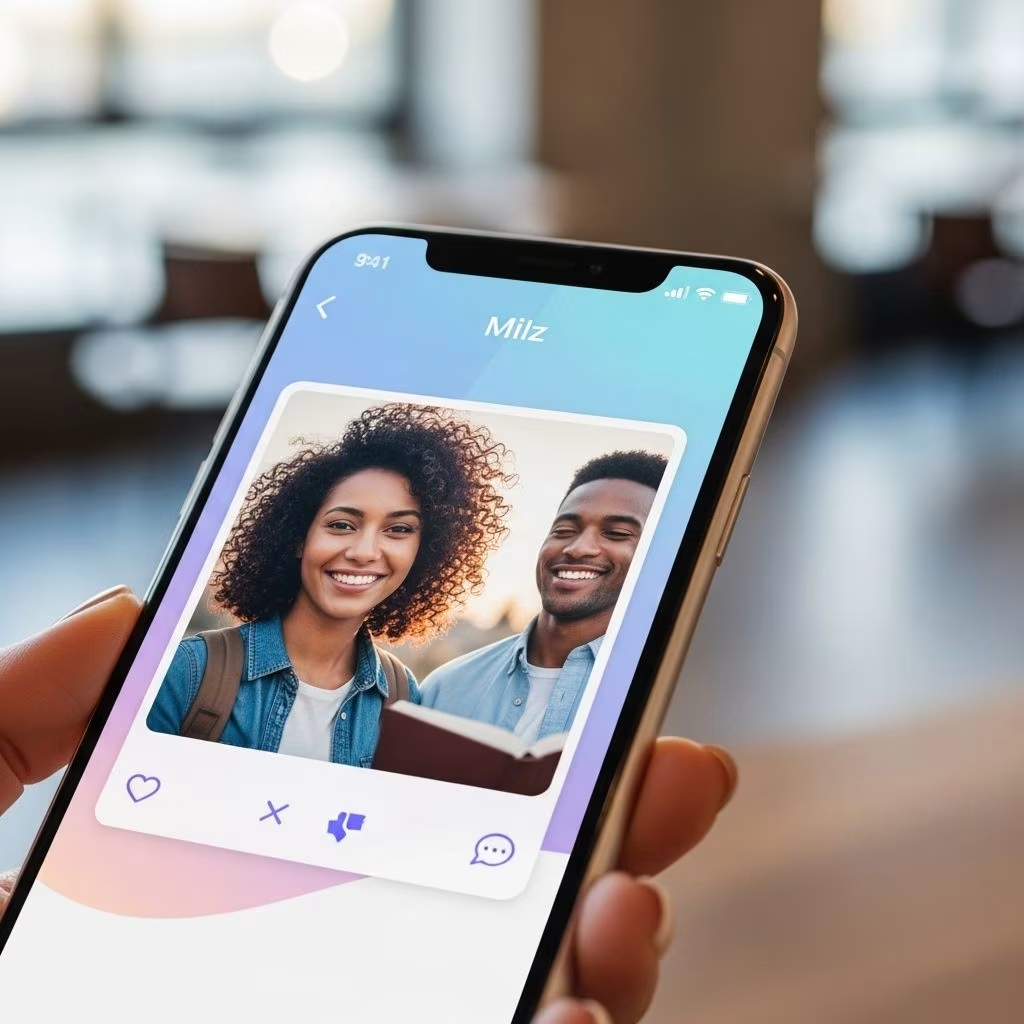
Finding a meaningful relationship in today’s digital age requires more than just swiping through endless profiles. The right dating app can make all the difference between casual hookups and genuine connections that lead to lasting partnerships. With countless options available, choosing a platform that aligns with your relationship goals becomes crucial for success.
The landscape of online dating has evolved significantly, with many apps now catering specifically to people seeking committed relationships rather than casual encounters. These platforms use sophisticated matching algorithms, detailed compatibility assessments, and verification processes to connect individuals who share similar values, life goals, and relationship intentions.
Understanding Relationship-Focused Dating Apps
Not all dating apps are created equal when it comes to fostering serious relationships. While some platforms thrive on quick matches and superficial connections, relationship-focused apps prioritize depth over quantity. These applications typically feature more comprehensive profile creation processes, detailed questionnaires about values and preferences, and matching systems designed to identify genuine compatibility rather than just physical attraction.
The distinction matters because users on these platforms generally have similar intentions—they’re looking for something real, not just a Friday night fling. This shared mindset creates an environment where meaningful conversations flourish and authentic connections develop naturally. The investment required, whether in time to complete detailed profiles or financial commitment through subscription fees, tends to filter out those seeking only casual encounters.
Key Features of Serious Dating Platforms
When evaluating dating apps for relationship potential, several features distinguish the serious contenders from casual hookup apps. Comprehensive compatibility matching stands out as perhaps the most critical element. Apps that use detailed questionnaires to assess personality traits, values, lifestyle preferences, and relationship goals can connect users with fundamentally compatible partners.
Profile depth and verification also play essential roles. Platforms that encourage or require detailed profiles with multiple photos, written responses to prompts, and verification processes help ensure users are genuine and serious about finding relationships. These features reduce the likelihood of encountering fake profiles or people misrepresenting their intentions.
Additionally, communication tools designed for meaningful interaction—such as conversation starters based on profile information, video chat capabilities, and prompts that encourage thoughtful responses—help users move beyond superficial small talk to genuine connection. Safety features including reporting mechanisms, photo verification, and background checks provide peace of mind while dating online.
Premium Dating Services: Worth the Investment?
Paid dating apps often generate skepticism, but they offer distinct advantages for relationship seekers. The financial commitment acts as a natural filter, attracting users who take dating seriously enough to invest money in the process. This significantly reduces the number of casual browsers, inactive profiles, and people simply looking to pass time.
eharmony represents the gold standard of premium dating services, claiming responsibility for a substantial percentage of marriages in the United States. The platform’s extensive compatibility questionnaire takes considerable time to complete, but this investment pays dividends through highly targeted matches. The algorithm analyzes responses across numerous dimensions of compatibility, from communication styles to conflict resolution approaches, presenting users with partners who align on fundamental levels.
Similarly, Match.com has built a reputation as a serious relationship platform over decades of operation. With millions of active users and success stories spanning the globe, Match combines sophisticated matching technology with a large, diverse user base. The platform offers various subscription tiers, allowing users to choose features that match their needs and budget while maintaining quality connections.
The cost of premium services typically ranges from $20 to $70 monthly, depending on subscription length and features selected. While this represents a significant expense, consider it an investment in your romantic future. The quality of matches, reduced time wasted on incompatible connections, and higher success rates often justify the price for serious relationship seekers.
Free Options That Deliver Results
Budget constraints shouldn’t prevent anyone from finding love. Several free dating apps have proven track records for facilitating serious relationships, though they require more effort to navigate effectively.
OkCupid stands out as the premier free option for relationship-minded singles. The platform’s extensive questionnaire and matching algorithm rival paid services, and users can access core features without spending money. OkCupid’s strength lies in its detailed profiles and the ability to answer countless questions about preferences, values, and deal-breakers. The more questions answered, the more accurate matches become.
Bumble offers another compelling free option, particularly appreciated for its women-first approach where female users initiate conversations with male matches. This dynamic tends to reduce unwanted messages and create a more respectful dating environment. Bumble’s profile prompts encourage personality showcase, and the platform includes filters to specify relationship goals, helping users connect with like-minded individuals.
Hinge markets itself as “designed to be deleted,” emphasizing its focus on fostering relationships that progress offline. The app’s format encourages engagement with specific profile elements rather than simple yes-or-no swiping, leading to more thoughtful connections. Users comment on photos or respond to prompts, creating natural conversation starters that facilitate meaningful interaction.
Specialized Platforms for Specific Demographics
Age, lifestyle, and identity all influence dating preferences and compatibility. Recognizing this, several platforms cater to specific demographics, creating communities where users share common ground beyond just seeking relationships.
For mature singles, platforms like SilverSingles and OurTime provide age-appropriate dating environments. These services understand the unique challenges and preferences of older daters, from interface simplicity to matching algorithms that consider factors like retirement status, grandparent roles, and lifestyle at this life stage. The user base consists entirely of people in similar age brackets, eliminating the frustration of incompatible age-gap matches.
Professional-focused platforms like The League and Tawkify cater to career-oriented individuals seeking partners who understand demanding work schedules and ambitious life goals. These apps often include verification of education and employment, creating communities of accomplished individuals. The matching process considers career compatibility alongside personal factors, recognizing that professional life significantly impacts relationship dynamics.
LGBTQ+ specific platforms create safe, inclusive spaces for queer individuals seeking relationships. HER serves lesbian, bisexual, and queer women with a community-focused approach that extends beyond dating to include friendships and social connections. Other platforms like Lex emphasize text-based connections and personal ads reminiscent of pre-digital dating, fostering depth before appearance-based judgments.
Faith-Based Dating Apps
For many people, shared faith forms the foundation of relationship compatibility. Faith-based dating apps connect individuals with similar religious beliefs, values, and practices, recognizing that spiritual alignment often proves essential for long-term relationship success.
Christian-focused platforms like Christian Mingle and eharmony’s faith-specific options help believers find partners who share their commitment to faith. These apps incorporate questions about church attendance, denominational preferences, and the role of faith in daily life, ensuring matches align on spiritual matters.
Similar specialized platforms serve Jewish, Muslim, Hindu, and other faith communities, each understanding the unique cultural and religious considerations important to their users. These apps facilitate connections between people who not only share attraction but also common spiritual journeys, family values shaped by faith, and compatible approaches to integrating religion into family life.
Making the Most of Dating Apps
Success on dating apps requires more than just downloading the right platform. Profile optimization begins with selecting photos that accurately represent your current appearance while showcasing personality and interests. Include a mix of headshots, full-body photos, and pictures engaged in activities you enjoy. Avoid excessive filters, group photos where you’re difficult to identify, or images that misrepresent your appearance.
Written content matters equally. Rather than generic statements about loving travel and laughing, provide specific details that give potential matches conversation starting points. Mention particular hobbies, books you’ve enjoyed recently, or unique experiences that reveal your personality. Answer profile prompts thoughtfully, showing humor, vulnerability, and authenticity.
Engagement strategy influences success significantly. Instead of mass-swiping, take time to read profiles and message people with whom you share genuine compatibility indicators. Reference specific profile details in opening messages, demonstrating you’ve read beyond photos. Ask open-ended questions that invite meaningful responses rather than yes-or-no answers.
Maintain reasonable expectations regarding timelines. Building genuine connections takes time, and not every match will lead to chemistry. Treat the process as an opportunity to meet interesting people rather than a race to find “the one” immediately. Stay patient, persistent, and positive throughout your dating journey.
Safety Considerations for Online Dating
While dating apps open doors to connection, prioritizing safety remains essential. Protect personal information by avoiding sharing full names, addresses, workplace details, or financial information until trust has been established. Use the app’s messaging system rather than immediately moving to personal phone numbers or social media.
Verify matches through video calls before meeting in person. Many apps now include video chat features specifically for this purpose. If someone refuses video verification or makes excuses about why they can’t video chat, consider it a red flag. This step helps confirm that the person matches their photos and behaves consistently with their messaging personality.
First meetings should always occur in public places during daytime or early evening hours. Inform a friend or family member about your plans, including where you’re going, who you’re meeting, and when you expect to return. Consider sharing your live location with a trusted contact during the date. Arrange your own transportation rather than accepting rides from dates, and avoid consuming excessive alcohol that might impair judgment.
Trust your instincts throughout the dating process. If something feels off about a match or conversation, don’t ignore that feeling. Report suspicious behavior to the platform and don’t hesitate to unmatch or block users who make you uncomfortable. Legitimate matches will respect boundaries and understand safety concerns.
Comparing Top Dating Apps for Relationships
| App | Best For | Key Feature | Price Range | Free Option |
|---|---|---|---|---|
| eharmony | Marriage-minded singles | Comprehensive compatibility matching | $66+/month | Limited |
| Match.com | Serious daters 30+ | Large active user base | $22+/month | Limited |
| OkCupid | Budget-conscious seekers | Extensive questionnaire | Free – $40/month | Yes |
| Bumble | Women seeking control | Women message first | Free – $60/month | Yes |
| Hinge | Millennials seeking depth | Comment-based engagement | Free – $50/month | Yes |
| SilverSingles | Singles 50+ | Age-appropriate matching | $37+/month | Limited |
| HER | LGBTQ+ women | Community focus | $30+/month | Yes |
Red Flags to Watch For
Recognizing warning signs early saves time and protects emotional wellbeing. Inconsistencies in stories or profile information suggest dishonesty. If details about work, family, or background change between conversations, proceed cautiously or disengage entirely.
Love bombing—excessive compliments, declarations of feelings, or talk of future commitment very early—often indicates manipulation rather than genuine connection. Healthy relationships develop gradually as people get to know each other authentically.
Financial requests or sob stories designed to elicit money represent clear scams. Never send money to anyone you’ve met online, regardless of circumstances. Legitimate romantic interests won’t ask for financial assistance, especially before meeting in person.
Notice communication patterns that seem off. If someone only contacts you at odd hours, avoids video calls consistently, or can’t meet despite living nearby, they may be hiding something—like another relationship. Similarly, matches who immediately want to move conversation off the platform to less traceable communication methods may have concerning motives.
Transitioning from Online to Offline
The ultimate goal of dating apps involves moving connections from digital to real-world settings. Timing matters when suggesting in-person meetings. While you want to avoid endless messaging that never progresses, also ensure sufficient conversation has occurred to establish baseline comfort and interest. Typically, one to two weeks of consistent messaging provides adequate foundation.
Plan appropriate first dates that facilitate conversation while keeping safety in mind. Coffee dates, lunch meetings, or walks in populated parks work wells for initial encounters. Avoid dinner dates or lengthy commitments that might feel awkward if chemistry doesn’t translate offline. Keep first dates brief—60 to 90 minutes provides sufficient time to assess in-person compatibility without excessive pressure.
Manage expectations about first meetings. Even when messaging chemistry feels strong, in-person dynamics can differ. Give connections a fair chance, as first-date nerves affect everyone. However, also trust gut feelings about compatibility. If someone seems significantly different from their online persona or makes you uncomfortable, you’re under no obligation to pursue further contact.
Frequently Asked Questions
Q: How long should I try a dating app before giving up?
A: Give each platform at least three months of active use before concluding it’s not working. Consistency matters more than duration—using the app regularly, updating your profile, and engaging thoughtfully with matches produces better results than sporadic use over longer periods. If one app isn’t generating quality matches after three months of genuine effort, try a different platform rather than abandoning online dating entirely.
Q: Should I use multiple dating apps simultaneously?
A: Using two to three apps concurrently can be effective, expanding your potential match pool without becoming overwhelming. However, prioritize quality over quantity. It’s better to maintain active, engaged profiles on fewer platforms than spreading yourself too thin across many apps. Choose platforms that cater to your specific demographic and relationship goals rather than joining every available option.
Q: How many conversations should I maintain at once?
A: Focus on three to five quality conversations rather than juggling dozens of superficial chats. This approach allows you to give each potential match adequate attention while avoiding burnout. As connections progress to dates, naturally reduce new matches until you determine whether existing relationships have potential. If you find yourself genuinely interested in someone, consider pausing app activity to explore that connection fully.
Q: When should I delete my dating profile?
A: Delete or deactivate your profile when you’ve established exclusivity with someone and both parties have agreed to pursue the relationship seriously. Some couples choose to deactivate profiles earlier when becoming serious but before official exclusivity. Discuss this decision with your partner to ensure you’re both comfortable with the timing. Keeping active profiles after committing to exclusivity creates trust issues and undermines relationship development.
Q: Are paid features on dating apps worth the cost?
A: Paid features often enhance the dating experience through unlimited likes, advanced filters, and the ability to see who likes you before matching. For serious relationship seekers, these features can accelerate finding compatible matches. Try free versions first to determine if the platform suits you, then consider upgrading if you’re having success but want enhanced functionality. Premium memberships typically prove more worthwhile on apps where you’re regularly matching with compatible people.
Q: How do I know if someone is genuine about wanting a relationship?
A: Genuine relationship seekers demonstrate consistency between words and actions. They respond reliably, ask meaningful questions about your life and values, and show willingness to progress the connection at a reasonable pace. They’re comfortable with video calls, eager to meet in person within a reasonable timeframe, and discuss their relationship goals openly. Be wary of people who avoid commitment discussions, keep conversations superficial, or resist meeting despite extended messaging.


