


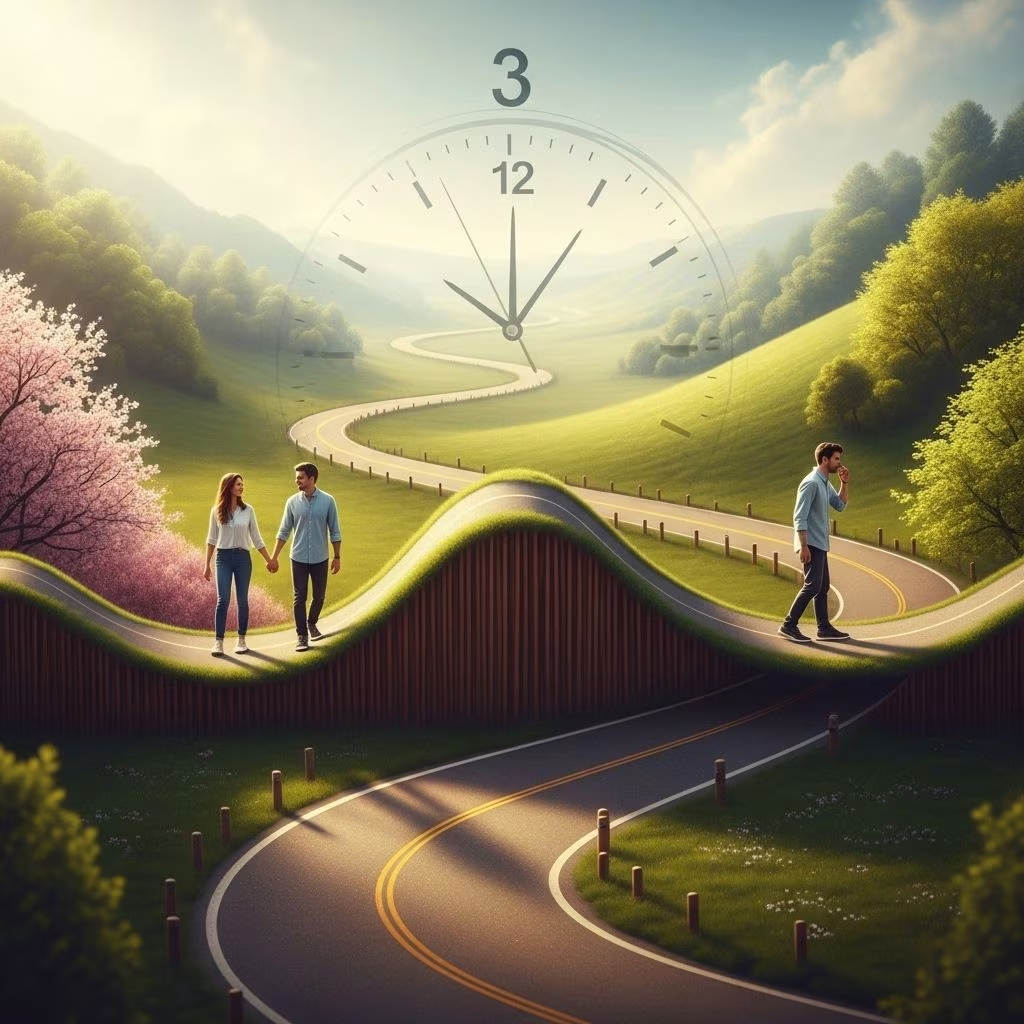
Why Do Relationships Hit the Three-Year Bump?
Many couples experience a distinct phase around the three-year mark in their relationship—a period often characterized by heightened friction, fading excitement, and doubts about long-term compatibility. This phenomenon, commonly referred to as the three-year bump or “three-year itch,” differs from the well-known seven-year itch, manifesting as a set of unique emotional and psychological challenges that test the resilience of romantic bonds.
The initial years are typically clouded in romantic idealism, passionate love, and a relentless pursuit to impress and discover one’s partner. But around year three, routine sets in, initial sparks wane, and partners begin facing the realities of shared life—from mundane habits to deeper issues rooted in communication and growth.
Understanding why this bump occurs, what symptoms it presents, and how couples can navigate it is essential for building lasting, fulfilling relationships.
Understanding the Three-Year Bump: Psychological Roots
- Transition from Passionate to Compassionate Love: Early months and years are powered by ‘passionate love,’ marked by excitement, novelty, and mystery. Around three years, couples often shift towards ‘compassionate love,’ a deeper but less intense connection focused on partnership and support.
This transition can be misinterpreted as fading love or dissatisfaction, leading to self-doubt or relationship anxiety. - Loss of Novelty: The thrill of learning new things about each other gives way to routine. Predictability replaces surprise, and partners might start feeling like roommates rather than lovers.
- Mismatched Expectations: During the first years, quirks and differences are overlooked. By year three, repeated exposure to habits can amplify irritations, leading to a sense of being misunderstood or undervalued.
- External Pressures: Financial responsibilities, career changes, family involvement, and social obligations intensify. These can add stress and highlight differences in values or lifestyle choices.
Common Signs of the Three-Year Relationship Bump
The three-year bump isn’t characterized by any single event but rather a series of subtle and sometimes persistent changes in how partners relate to one another.
- Escalating Irritations: Behaviors once considered endearing—like misplacing the TV remote or singing in the shower—become sources of annoyance.
- Feeling Unappreciated or Unheard: Partners may feel their efforts or perspectives go unnoticed, breeding resentment.
- Routine Over Romance: Shared activities such as date nights or weekend outings feel obligatory, losing their sense of fun or intimacy.
- Decreased Quality & Quantity of Communication: Conversations become superficial or transactional. Partners might avoid deep or difficult subjects to escape potential conflict.
- Increased Desire for Solitude: One or both partners may seek more ‘me time’ and experience greater enjoyment or relief when apart.
- Personal Stagnation: Either partner might feel their personal growth has stalled, resulting in feelings of being trapped or held back by the relationship.
- Fantasizing about Alternatives: Imagining life with someone else, or how things might be alone, can surface and may signal deeper dissatisfaction.
Table: Passionate Love vs Compassionate Love (Three-Year Transition)
| Aspect | Passionate Love (0-2 Years) | Compassionate Love (3+ Years) |
|---|---|---|
| Feelings | Intense, euphoric, excited | Steady, reliable, warm |
| Focus | Mystery, novelty, sexual desire | Support, partnership, shared goals |
| Communication | Frequent, open, exploratory | Less frequent, practical, sometimes guarded |
| Challenges | Overlooking flaws, idealization | Magnification of differences, routine |
Key Reasons Relationships Struggle After Three Years
- Amplified Quirks & Habits: Small annoyances, overlooked during the honeymoon phase, become sticks in the wheel for mutual respect and understanding.
- Communication Breakdown: Partners may avoid serious discussions, fearing conflict or revealing incompatibilities.
- Routine Replaces Excitement: Spontaneity gives way to predictability, leading some couples to feel more like cohabitants than romantic partners.
- Loss of Shared Activities: Enjoyable rituals such as movie nights or hikes turn into unenthusiastic chores.
- Personal Growth Stalls: If individuals feel unable to pursue their goals, or sense their partner as a hindrance, resentment and stagnation can ensue.
- External Stressors: Growing financial responsibilities, familial interference, and pressures about future planning intensify at this stage.
- Comparison to Others: Couples may compare their relationship to others, leading to unrealistic expectations and dissatisfaction.
Why the Three-Year Mark Is Pivotal
Reaching this milestone is akin to graduating from the phase of infatuation—a test of whether two people can build something deeper and more enduring. If navigated well, the transition can set the foundation for lifelong companionship and mature love.
However, failing to adapt can lead to the demise of the partnership, marked by unaddressed tension, indifference, or, in some cases, separation.
Relationship Toolkit: Strategies for Overcoming the Three-Year Bump
- Practice Active Support: Celebrate your partner’s achievements. Show genuine enthusiasm, listen, and express encouragement to reinforce positive connection and trust.
- Inject Novelty & Adventure: Break the routine by trying new experiences together—cooking unfamiliar dishes, exploring new hobbies, or simply rearranging the living space. Novelty reignites excitement and strengthens bonds.
- Communicate Openly & Regularly: Make space for honest, non-judgmental conversations about goals, grievances, and dreams. Facing uncomfortable topics helps deepen intimacy and mutual understanding.
- Maintain Individuality & Personal Growth: Pursue personal interests and goals independent of the relationship. Healthy individuality enriches shared experiences and reduces feelings of entrapment.
- Quality Time Over Quantity: Focus on engaging, meaningful togetherness rather than obligatory or habitual encounters.
- Address Conflicts Constructively: Approach disagreements with curiosity, empathy, and a willingness to compromise. Avoiding or suppressing conflict can be more damaging than navigating it openly.
Signs You May Need to Reevaluate the Relationship
- Persistent Feeling of Being Trapped: If the relationship feels like a barrier to personal freedom or development, reflection and honest discussion are needed.
- Lack of Emotional Connection: Emotional withdrawal and absence of warmth or affection may signal deeper incompatibilities.
- Chronic Avoidance: Skirting important topics repeatedly may indicate unwillingness or inability to resolve crucial differences.
- Desire for Separation Feels Overwhelming: If fantasies about ending the relationship or being with others outweigh the motivation to stay, couples should consider counseling or deeper exploration.
FAQs: Navigating the Three-Year Bump in Relationships
Q: Is the three-year itch real or just a myth?
A: While not an official clinical condition, relationship experts and therapists recognize the three-year itch as a prevalent pattern stemming from psychological and emotional changes that occur as couples transition from early-phase romance to mature partnership.
Q: What are the first warning signs of hitting the three-year bump?
A: Early signs include amplified irritations over small habits, reduced enthusiasm for shared activities, and avoidance of deep conversations.
Q: If I feel distant from my partner at year three, should I break up?
A: Not necessarily. Many couples overcome the bump with intentional effort, improved communication, and renewed focus on each other’s needs. However, persistent dissatisfaction may require honest reflection or professional support.
Q: How can we revive romance if our relationship feels stagnant?
A: Prioritize novelty—schedule adventure dates, set new shared goals, or simply surprise your partner in small but meaningful ways. Reconnecting emotionally is often a gradual process requiring patience and openness.
Q: Is it normal for sexual desire to decrease after three years?
A: Yes, desire often fluctuates as couples settle into routine. However, open dialogue, exploration, and a focus on emotional intimacy can help reignite passion.
Action Steps: Transforming the Three-Year Challenge into Growth
Rather than viewing the three-year bump as a sign of impending failure, couples should see it as an opportunity to evolve their relationship. Using the right strategies, embracing change, and supporting one another through transitions can transform this challenge into a powerful catalyst for deeper love and understanding.
The most successful relationships aren’t those that never face challenges, but those that learn and grow from them—emerging stronger, more connected, and ready for the next chapter of life together.
Frequently Asked Questions (FAQs)
Q: Is hitting the three-year bump inevitable for all couples?
A: No, while many couples experience challenges around this period, not all will encounter the same issues. The key is awareness and adaptability.
Q: What’s the best way to start addressing the three-year bump?
A: Open communication, ongoing support, and joint efforts to renew excitement and purpose are the most effective starting points.
Q: Should we seek couples counseling if we experience the three-year bump?
A: Counseling is a valuable resource for those seeking objective perspectives and strategies to strengthen their bond during challenging times.
Q: Are certain personalities or relationships more susceptible to the bump?
A: Relationships lacking strong communication or shared values may be more vulnerable; however, any couple can experience the three-year challenge.
Conclusion: The Path Beyond the Three-Year Bump
Surviving and thriving past the three-year mark is about embracing change, fostering mutual support, and finding joy both in togetherness and personal growth. Understanding this common phase, recognizing its signs, and utilizing practical strategies are essential for building relationships that endure the tests of time and transform challenges into lifelong love.
References
- https://www.lovepanky.com/love-couch/broken-heart/reasons-why-relationships-hit-the-three-year-bump
- https://lifebeyondtherapy.com/the-three-year-itch/
- https://www.seniormatch.com/senior-dating-blog/what-is-the-3-year-hump-in-relationships-over-50
- https://lovestrategies.com/three-month-relationship/
- https://www.loveshack.org/forums/topic/607350-3-year-itch-a-pattern-or-just-my-dumb-luck/
- https://www.lovepanky.com/love-couch/romantic-love/first-year-of-marriage-truths
- https://www.enotalone.com/topic/458177-do-i-stay-with-my-boyfriend-of-3-years/


