


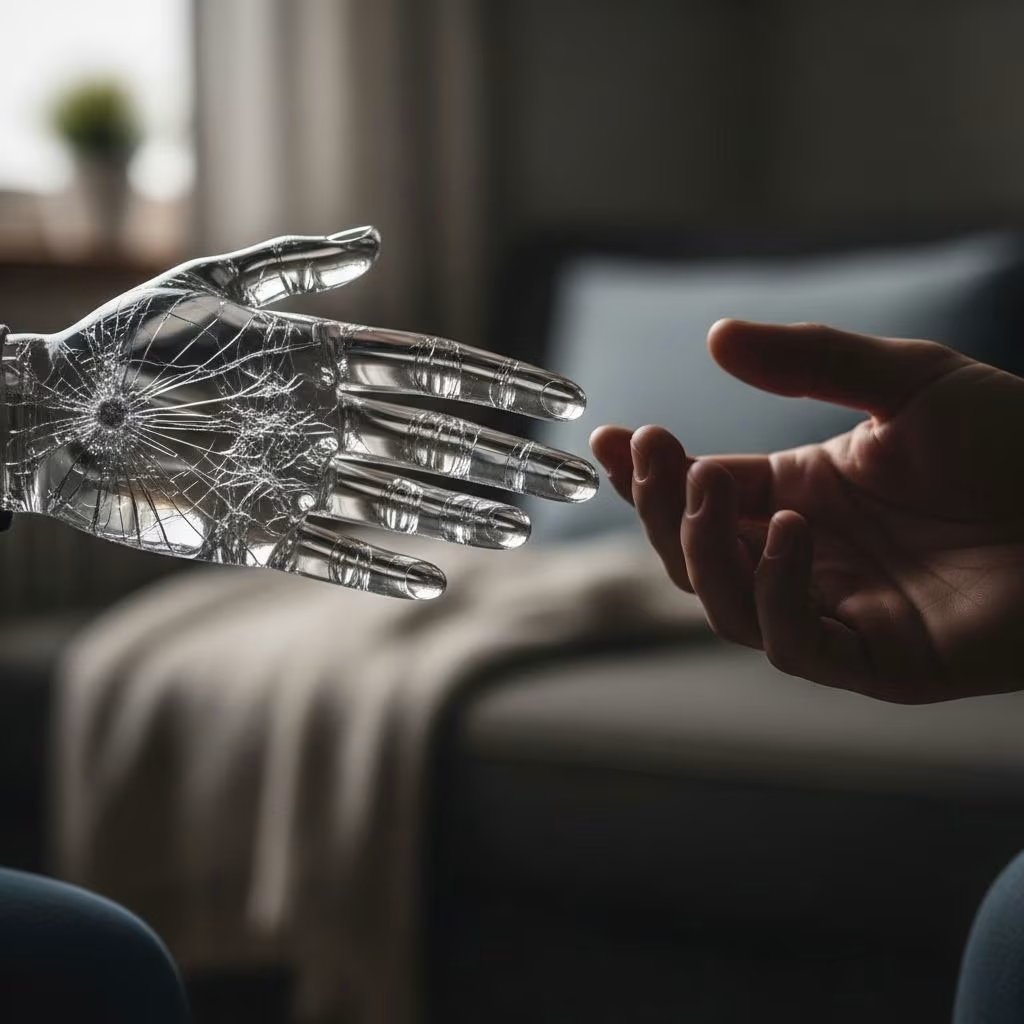
Fake Relationships: How to Spot One and Save Yourself Emotional Pain
In the pursuit of connection and love, many people fall prey to fake relationships—partnerships built on pretenses or ulterior motives. Recognizing these dynamics early can spare you heartache, foster self-awareness, and help you cultivate more authentic, fulfilling bonds.
What Is a Fake Relationship?
A fake relationship is one where at least one partner is not truly emotionally committed or genuine in their intentions. While both parties may appear close and invested on the surface, their actions, feelings, or long-term plans may not align with sincerity, leaving the relationship hollow and often unfulfilling. Sometimes both people are unconsciously going through the motions, while in other cases, one person is actively deceiving the other for personal gain, validation, or to avoid loneliness.
- Genuine relationships are based on real trust, effort, and emotional vulnerability.
- In contrast, fake relationships focus on appearance, convenience, or other motives rather than deep connection.
Why Do People Enter Fake Relationships?
Understanding the motivations behind fake relationships can provide clarity, minimize self-blame, and spotlight patterns to avoid in the future.
- Fear of loneliness: Some remain with a partner purely to avoid being single, even if love has faded.
- Social pressure: Individuals may feel compelled to be in a relationship to fit in with peers, family, or cultural expectations.
- Financial or material gain: At times, one partner seeks stability or benefits, rather than emotional connection.
- Validation and status: Dating someone attractive, successful, or popular can boost one’s ego or social standing, overshadowing true affection.
- Manipulation: Some partners use relationships for control, using tactics such as “future faking” to maintain power.
Main Signs of a Fake Relationship
While fake relationships may appear normal—especially early on—there are consistent warning signs and patterns in behavior to watch for.
- Inconsistent Emotional Responses: Reactions may not match the circumstances. Your partner might be indifferent to your joys or sorrows, or their displays of affection feel staged or insincere.
- Lack of Deep Communication: Conversations revolve around surface-level topics, avoiding vulnerability, personal struggles, or future plans that require mutual investment.
- Overcompensation: After making a mistake, your partner may excessively apologize or offer grand gestures instead of having genuine, solution-oriented conversations.
- Defensive or Dismissive Attitude: Efforts to discuss problems are met with irritation, blame-shifting, or shutdowns.
- Idealized Public Image: The relationship is praised excessively on social media or before friends, while privately there is emotional distance or frequent conflict.
- Future Faking: Making big promises about marriage, travel, or a shared future, without any real steps to follow through.
- Lack of Physical or Emotional Intimacy: Intimacy may be forced, routine, or absent altogether. One or both partners avoid meaningful connection.
- Constant Uncertainty: You often question their intentions and feel perpetually unsure where you stand.
What Is Future Faking and Why Is It Harmful?
Future faking is a particular manipulation tactic found in fake relationships. It involves promising a future—such as moving in together, marriage, or major milestones—with no intention of making these promises a reality.
- Behavioral Examples: Talking persistently about big plans, but avoiding concrete steps or changing the subject when asked for specifics.
- Emotional Impact: This keeps the other partner emotionally invested and hopeful, even though the future described is a fantasy.
- Connection To Narcissistic Abuse: Often, future faking is part of a wider pattern of manipulation used to maintain control in the relationship.
By dangling a dream of happiness, manipulative partners deflect from present problems and maintain dominance, causing the other person to hold onto hope rather than confront the reality.
How Do Fake Relationships Begin?
Fake relationships often develop from a combination of personal insecurities, emotional immaturity, and external pressures.
- Love Bombing: One partner showers the other with affection, compliments, and attention early on to foster dependency.
- Image Curation: Partners mold their behavior and reactions to match what they think the other wants or what gets approval from friends and family.
- Convenience Over Connection: The relationship is formed out of habit, social circumstances, or as a “placeholder” until something better comes along.
Psychological Effects of Being in a Fake Relationship
The emotional fallout from fake relationships can be serious, affecting self-esteem, trust, and even mental health:
- Loss of Self-Trust: Repeated gaslighting or mixed signals can cause you to question your perceptions and feelings.
- Emotional Burnout: Constantly trying to earn affection or prove your worth is emotionally draining.
- Difficulty Trusting Future Partners: After experiencing deception, you may become overly guarded or suspicious in future relationships.
Fake Relationship vs. Real Relationship Comparison
| Feature | Fake Relationship | Real Relationship |
|---|---|---|
| Emotional Investment | Low, performative, contingent | Deep, consistent, reciprocal |
| Communication | Surface-level, avoids depth | Open, honest, vulnerable |
| Intimacy | Inconsistent or forced | Natural, comfortable, mutual |
| Conflict Resolution | Defensive, dismissive, avoidant | Collaborative, solution-focused |
| Future Planning | Vague, unfulfilled promises | Clear, realistic, actionable plans |
| Public Image | Overly idealized for social approval | Reflects authentic dynamic |
How to Spot the Early Warning Signs of a Fake Relationship
- The relationship only exists in public or on social media. Things look perfect to outsiders, but lack warmth and substance when alone.
- Lack of curiosity about your life. They forget important details or don’t show real interest in your feelings, memories, or aspirations.
- Reluctant to Introduce to Close Family or Friends. There is a hesitance or avoidance when it comes to including you in their inner circle.
- You feel more anxious or insecure with them. Rather than feeling supported, you frequently worry about your status, their affection, or the relationship’s future.
- Plans are frequently canceled or changed at the last minute. Commitment is avoided or derailed by vague excuses.
- Your self-worth feels dependent on their moods or approval.
The Role of Social Media in Perpetuating Fake Relationships
Social media intensifies the illusion of perfect relationships, often pressuring couples to present a happy, successful façade while hiding issues, dissatisfaction, or disconnection.
- Curated Content: Partners are more concerned with likes and praise than addressing real problems.
- Comparisons: Viewing others’ seemingly perfect relationships can cause dissatisfaction and reinforce the need to “fake it” rather than solve underlying issues.
Why Do People Pretend to Love?
Faking love or emotional investment can stem from a variety of underlying motives:
- Fear of hurting others: Wishing to avoid direct confrontation or seeing a partner in pain, some remain in relationships long after their feelings fade.
- Loneliness or insecurity: Wanting companionship or validation, even if it’s not real.
- Practical concerns: Financial dependencies, living arrangements, or social benefits.
- Narcissistic supply: Some partners require constant admiration and keep others “on the hook” to satisfy this need.
How to Protect Yourself from a Fake Relationship
- Trust your gut feeling. If something feels off or inauthentic, don’t ignore those instincts. Emotional consistency is a sign of genuine affection.
- Prioritize communication. Open, honest conversations pave the way for real connection.
- Look for effort, not just words. Promises and sweet talk mean little if not matched by concrete actions.
- Set boundaries. Be clear about your needs and expectations, and notice how your partner responds.
- Seek outside perspectives. Close friends or family may notice red flags you overlook.
- Maintain your independence. Stay connected to your own interests, friendships, and goals.
Can Fake Relationships Become Real?
While rare, some fake relationships can transform if both parties are motivated to build authentic emotional intimacy and address underlying issues. This process requires honesty, vulnerability, and a willingness to confront uncomfortable truths on both sides. However, in most cases where authenticity is fundamentally lacking, it’s healthier to walk away and focus on self-growth rather than chase a hollow promise of change.
Recovering After a Fake Relationship
Healing from a fake relationship can be challenging, especially if it involved manipulation, betrayal, or emotional neglect. Here are some strategies to start your recovery:
- Allow yourself to grieve. Acknowledge the hurt, even if the relationship was not entirely genuine.
- Reflect on lessons learned. Consider what you gained in self-knowledge and what warning signs you’ll look for next time.
- Seek support. Turn to friends, family, or a mental health professional to rebuild your confidence and trust.
- Focus on self-love. Reinforce your self-worth, interests, and personal goals outside of romantic relationships.
Frequently Asked Questions (FAQs)
Q: What causes someone to fake love or commitment in a relationship?
A: People may fake love out of fear of being alone, desire for social status, financial benefit, or as a way to avoid direct confrontation or hurting someone’s feelings. In certain cases, it can also be used as a manipulative tactic, such as future faking, to maintain control over a partner.
Q: Are fake relationships always intentional?
A: Not always. Sometimes partners unconsciously fall into patterns of inauthenticity due to personal insecurities, emotional immaturity, or external pressures. However, some fake relationships are the result of deliberate deceit or manipulation.
Q: Can a fake relationship become real?
A: While rare, transformation is possible if both partners commit to honest communication, self-reflection, and a willingness to change unhealthy habits. Typically, it’s healthier to move on if one or both parties lacks genuine intent.
Q: How can I avoid ending up in a fake relationship?
A: Prioritize healthy boundaries, open communication, and self-awareness. Do not ignore red flags or intuition. Ensure that promises are matched by action and invest time in getting to know your partner’s true character, not just their outward image.
Q: What should I do if I realize my relationship is fake?
A: Start with a candid discussion about your concerns. If you experience continual dishonesty, manipulation, or resistance to genuine connection, prioritize your emotional well-being and consider ending the relationship. Seek support from trusted friends, family, or a therapist to process emotions and rebuild trust in yourself.
Conclusion
Fake relationships can be emotionally taxing and may leave lasting scars, but with awareness, self-respect, and the courage to prioritize authenticity, you can protect yourself and seek out relationships that are truly supportive and loving. Remember: true love feels safe, consistent, and real—never forced or performative.
References
- https://www.charliehealth.com/post/future-faking
- https://www.talktoangel.com/blog/signs-that-your-partner-is-faking-in-a-relationship
- https://www.yourtango.com/love/quiet-clues-man-only-pretending-love-you
- https://www.psychologytoday.com/us/blog/fulfillment-any-age/201508/are-you-and-your-partner-faking-intimacy
- https://www.psychologytoday.com/us/blog/the-other-side-of-relationships/202308/dismissing-a-partners-changes-as-fake


