


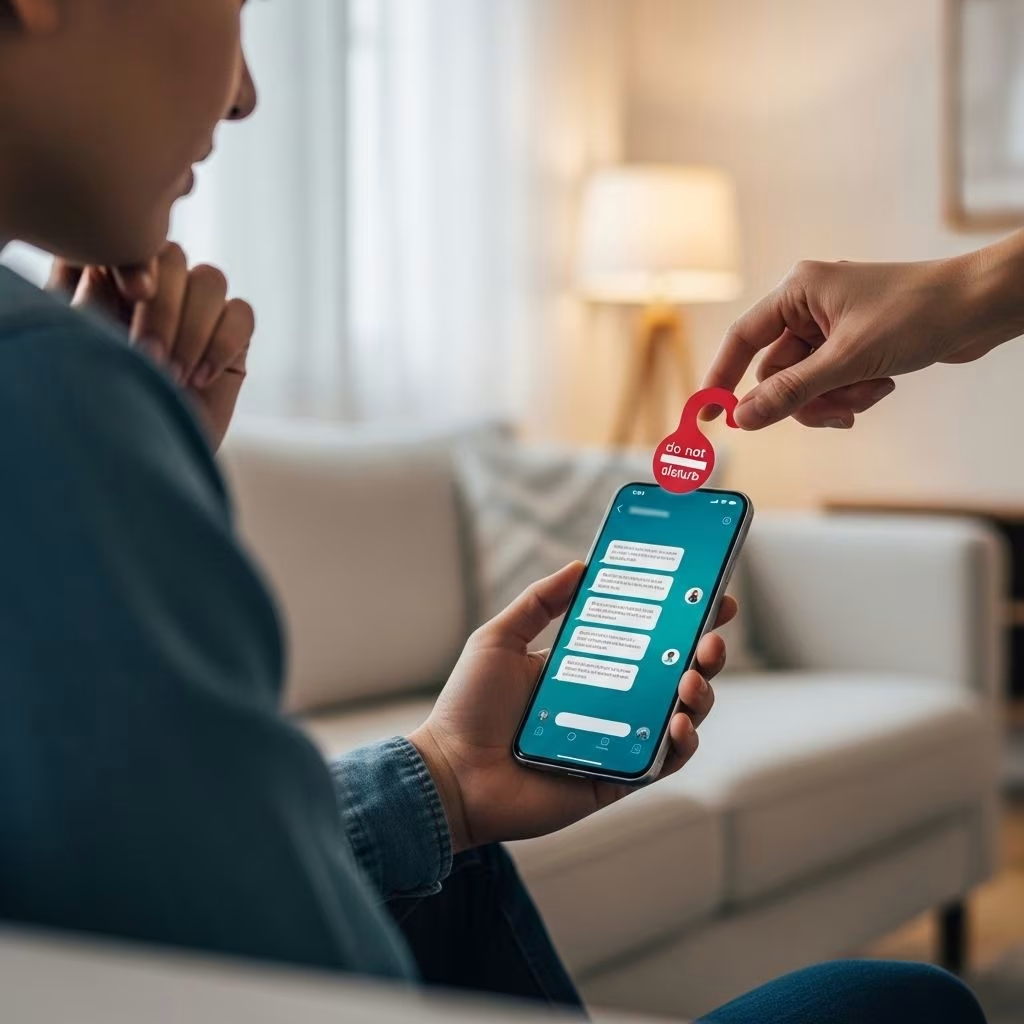
How to Get Someone to Stop Texting You Without Drama
Texting opens countless avenues for connection, but sometimes, those connections become overwhelming, unwanted, or even intrusive. Whether it’s an ex who can’t let go, a persistent acquaintance, or someone whose intentions are uncomfortable, knowing how to get someone to stop texting you is essential for personal boundaries and peace of mind. This comprehensive guide will help you navigate this awkward digital dance—effectively, respectfully, and, if needed, decisively.
1. Identify Why You Want Them to Stop
Before acting, clarify your reasons. Understanding your motivation guides your approach and wording.
- Is it discomfort? You might not know the person well, or their messages feel intrusive.
- Avoiding mixed signals? You sense they’re more interested than you.
- Conflict or history? They’re an ex or someone with whom you’ve had prior issues.
- Boundaries? They text too often or at inappropriate hours.
Your reasons matter. You’re not obligated to give details, but knowing the ‘why’ empowers your next steps.
2. Use Subtle Signals First
If the situation isn’t urgent or threatening, subtle cues often suffice to discourage further texting.
- Reduce engagement: Respond less frequently, using shorter, less inviting replies.
- Avoid questions: Don’t prompt further conversation. Reply with statements, not follow-up questions.
- Wait to respond: Space out replies, signaling you’re busy or less interested.
- Avoid emojis and personal touches: Be neutral, even formal, in tone.
Many people will naturally get the hint and drift away.
3. Be Direct But Polite
If subtlety fails, honesty is your best ally. Most persistent texters respond well to directness—even if it feels awkward. Here are some templates for being disarmingly clear:
- “Hey, I don’t really have time to text these days. Just wanted to be upfront.”
- “I appreciate you reaching out, but I’m not up for continuing this conversation.”
- “I don’t think we should be texting anymore—thanks for understanding.”
Politeness prevents escalation and demonstrates respect. Avoid blaming or shaming; stick to your needs.
4. Set Firm Boundaries
What if they keep texting? Then you need boundaries—not just attempts at politeness, but clear lines they can’t cross. State your boundaries explicitly:
- State your intention: “Please don’t text me anymore. I’d appreciate it if you respect my space.”
- Repeat only once or twice: Unlimited explanations invite negotiation; set your limit.
Enforcing boundaries is self-care. If your boundaries are ignored, it’s time to consider stronger measures.
5. Pull Back: Limit Your Own Responses
Sometimes, the issue persists because you continue to respond—even if out of politeness. Consider these strategies:
- Stop responding completely: Silence is a powerful tool when polite refusals are ignored.
- No explanation needed: Not everyone deserves closure or detailed reasoning if they’ve disregarded your initial boundaries.
- Resist the urge to check their messages: Mark conversations as read without opening them, if your app allows it.
6. Avoid Leading Them On
Be mindful of mixed signals. It’s easy, especially if you feel bad for them, to fall back into conversation. Here’s how to ensure you’re not unintentionally encouraging them:
- No jokes or flirty messages. Maintain neutral, dry communication if you must reply.
- No late-night texts. These often imply intimacy, even by accident.
- Don’t react emotionally. Avoid responding to guilt trips, compliments, or emotional outbursts.
Consistent, clear behavior is key.
7. Confront the Issue Boldly
If the other person refuses to respect your efforts, or the situation escalates, further assertiveness is required. You can use firm messages such as:
- “I’ve asked you not to text me. If you continue, I will have to block your number.”
- “This continued contact is unwanted. Please stop.”
You may need to repeat yourself, but once you’ve warned them, take action. Importantly, you are not being rude—you are protecting your peace and setting a standard for self-respect.
8. Block, Silence, or Filter As a Last Resort
If all other methods fail and the texter doesn’t stop, it is time for more decisive measures. Your phone and apps offer tools to help:
- Block their number: Both Android and iOS allow blocking; incoming messages and calls are automatically rejected.
- Silence notifications: Mute the contact, so you don’t see or hear their messages.
- Use message filters: Some messaging platforms let you filter unknown or unwanted contacts to a separate folder.
- Report harassment: If the situation crosses into harassment or threats, consider reporting to your carrier or the proper authorities.
Blocking is not dramatic; it’s a feature for a reason. Sometimes, protecting your mental health is more important than seeming polite.
9. Safety and Emotional Wellbeing
Unwanted texts can feel overwhelming, especially when intimacy, safety, or distress are involved. Always prioritize your well-being. Take these steps if you’re feeling unsafe or harassed:
- Talk to someone you trust: Friends, family, or even support lines can help validate your feelings and advise on next steps.
- Document harassment: Save messages if things escalate; they may be needed as evidence.
- Reach out for help: Don’t hesitate to seek legal or specialized assistance if you feel threatened or targeted.
Borders aren’t just about annoyance—they’re about safety, mental health, and agency.
10. Frequently Asked Questions (FAQs)
Q: Is it rude to stop texting someone without warning?
A: Not necessarily. If you’ve signaled discomfort or tried to set boundaries, you’re within your rights to stop engaging, especially if the person ignores your wishes.
Q: What if the person is a coworker or someone I have to see in-person?
A: Remain extra polite and professional, but be firm. Set clear boundaries via text, and keep all communication strictly professional. If necessary, alert HR or a supervisor if boundaries are not respected.
Q: How do I handle guilt when I ignore someone?
A: Feeling bad is natural, but your comfort and safety matter more. You’re not responsible for someone else’s emotional response if you communicated clearly and respectfully.
Q: When should I block someone immediately?
A: If messages are abusive, threatening, or cross into harassment, block immediately and seek advice or help if needed.
Q: What’s the difference between being assertive and being mean?
A: Assertiveness explains your needs and boundaries without blaming or shaming, while meanness attacks, insults, or embarrasses the other person.
Practical Scripts: What to Say
| Situation | Sample Message |
|---|---|
| Gently ending ongoing casual texts | “I’ve enjoyed chatting, but I need to step back from texting for a while.” |
| Turning down flirty messages | “Thank you for reaching out, but I don’t feel comfortable continuing this conversation.” |
| Closing down after repeated boundaries | “I’ve asked for space. If you keep messaging, I will need to block you.” |
Tips for Healthy Digital Boundaries
- Be consistent: Mixed signals or occasional small talk can reactivate unwanted conversations.
- Don’t be afraid of being “rude”—protect your space.
- Remember: You cannot control another’s feelings; you can only manage your own behavior.
- Practice empathy, but not at your own expense.
- Stay vigilant online: Don’t share personal information with people you’re trying to avoid or cut off.
Closing Thoughts
You have a right to decide who has access to your digital and emotional space. If someone won’t stop texting you, it’s not your job to accommodate their persistence. With clear communication, firm boundaries, and, when necessary, the help of technology or others, you can reclaim your peace without guilt or unnecessary drama. Healthy relationships—digital or otherwise—begin with mutual respect and boundaries.


