


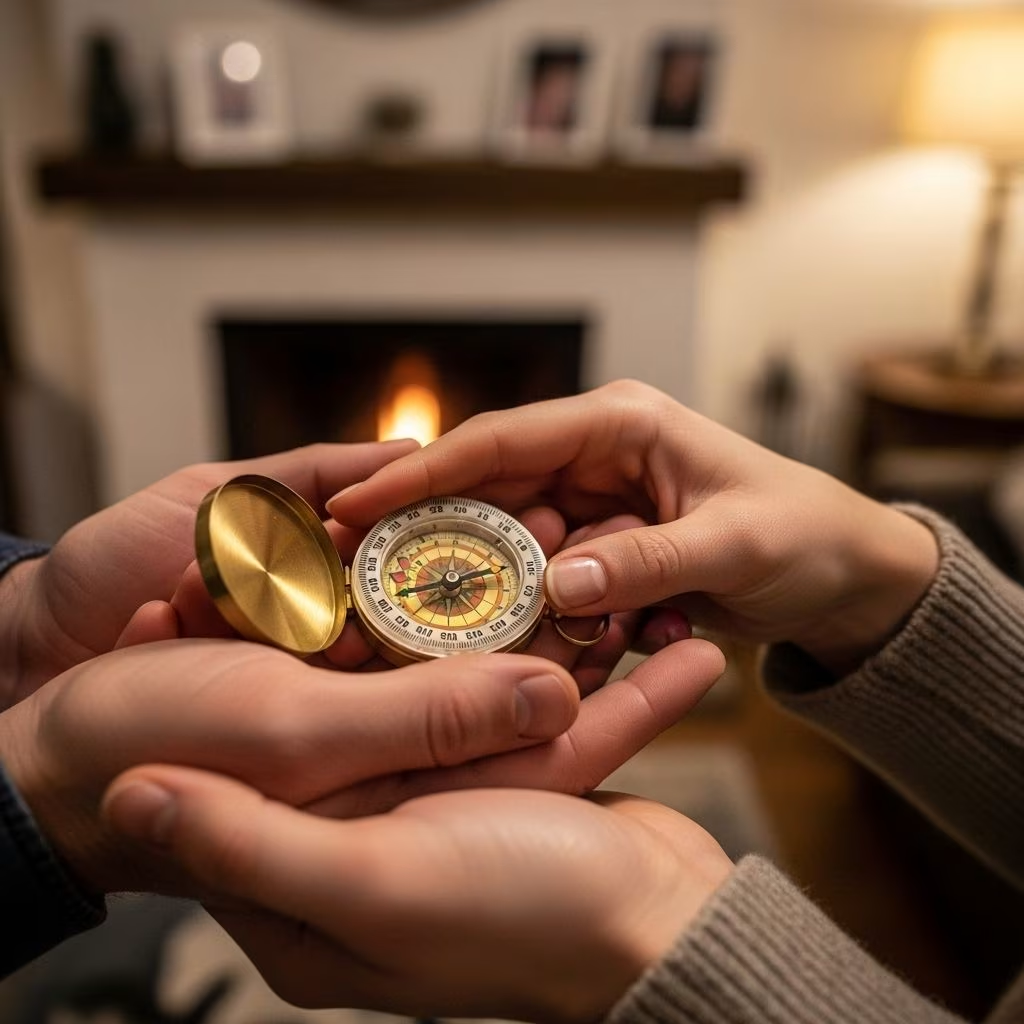
Finding the Right Priority in Your Relationship: How to Refocus and Thrive
Maintaining a thriving relationship demands continual attention to what truly matters between partners. Whether you are navigating routine, rekindling lost romance, or seeking to resolve conflict, setting the right priority is essential for deeper satisfaction, long-term growth, and lasting happiness. This guide unpacks how to find, set, and keep the right priority in your relationship, following common challenges and actionable strategies for couples in every stage.
Why Priorities Matter for Relationship Success
Every relationship is unique, but couples often share similar needs—affection, trust, communication, and mutual fulfillment. Prioritizing the right aspects, especially as needs change, fosters stronger emotional and physical connection. When both partners are aware of their most urgent needs, they can realign intentions for a healthier dynamic.
Key relationship priorities may include:
- Romance and spontaneity
- Open communication
- Quality time
- Listening and empathy
- Mutual support and respect
As situations shift over time, certain priorities—like reigniting romance or strengthening trust—may come to the foreground. Consistent focus on the right priorities is what keeps couples flourishing.
The Changing Nature of Relationship Priorities
Relationship priorities are not static. Early in love, couples often celebrate routines and comfort. Later, the need for spontaneity and excitement may grow. Likewise, periods of transition—career shifts, parenting, or personal growth—can change what feels most vital.
Consider how your priorities have evolved since first meeting your partner. Have you shifted from valuing security to craving romance? Or from excitement to seeking grounded stability? Identifying your current needs is step one to refocusing your relationship.
Common Scenarios—and How to Set the Right Priority
| Situation | Recommended Priority |
|---|---|
| Boredom or stagnation | Injecting romance and spontaneity |
| Constant arguing or conflict | Open, honest communication |
| Lack of physical intimacy | Sexual fulfillment and affection |
| Feeling taken for granted | Quality time and appreciation |
| Disconnection or loneliness | Active listening and emotional support |
| Major life changes | Alignment and flexible compromise |
Assess your current experience and identify which priority most urgently needs attention.
How to Find (and Reaffirm) the Right Priority
- Reflect on Your Relationship’s Current State.
Ask yourself: What feels lacking? What brings the most joy? Are you experiencing excitement or boredom, intimacy or distance? Understanding your present is key to choosing what to focus on.
- Communicate with Your Partner.
Share your reflections honestly. Invite your partner’s perspective and listen without judgment. Use phrases like: “I feel…” and “What do you think we’re missing right now?” to foster an open exchange.
- Prioritize Based on Urgency and Shared Values.
Decide together what deserves immediate attention. If conflict dominates, invest in communication. If you feel distant, make romance the priority. Find consensus—your relationship is a partnership.
- Commit and Adjust as Needed.
Set tangible intentions. Whether scheduling date nights, carving out talk time, or planning spontaneous surprises, concrete actions reinforce your chosen priority. Remain flexible and revisit your priorities regularly.
Relationship Priorities Through Common Problems
When Fighting Is the Norm
Arguments are inevitable—but feeling stuck in constant strife is detrimental. If your relationship is mired by frequent fighting, make open and honest communication a top priority. Instead of avoiding issues, agree on rules for fair arguing:
- Take breaks during heated moments
- Never use insults or bring up unrelated past grievances
- Listen to understand—not to reply
- Share your feelings calmly and clearly
With clarity and respect, conflicts can become opportunities for growth rather than barriers to intimacy.
If the Spark Is Gone: Romance & Spontaneity
Boredom and monotony sap energy from a relationship. If both partners feel stuck, the priority should be restoring romance and injecting spontaneity. This could mean:
- Planning surprise outings or date nights
- Leaving sweet notes or sending loving messages
- Trying new experiences together (cooking, travel, hobbies)
- Revisiting shared memories and favorite activities
Make small gestures a habit—these little injections of unpredictability can reignite passion.
Physical Intimacy and Affection
Changes in sexual connection can signal larger issues. Whether it is frequency, satisfaction, or a total lack of intimacy, partners should talk frankly about their needs and wants. Prioritizing physical affection means:
- Discussing desires and boundaries openly
- Scheduling time for intimacy if needed
- Expressing love in both sexual and non-sexual ways
- Offering gentle touch and affectionate gestures daily
Sex and affection are not just about physical pleasure—they are critical for emotional closeness.
Feeling Unappreciated or Taken for Granted
When partners stop appreciating each other, resentment can build. The priority should be quality time and genuine appreciation. Actions include:
- Saying “thank you” for everyday efforts
- Complimenting each other often
- Spending uninterrupted time together
- Recognizing and celebrating achievements, big or small
Regularly expressing gratitude and seeking opportunities to connect deepens your sense of value and belonging.
How Priorities Change—And Why Communication Is Key
Life is dynamic. Jobs change, families grow, interests shift. Consequently, what feels essential in your relationship will evolve. Communication must remain constant, allowing you to track and discuss changing needs:
- Set time each month to review how the relationship feels to both of you
- Ask open-ended questions—like “What would help you feel more loved right now?”
- Support each other’s individual growth while balancing partnership needs
No priority is ever permanently fixed. Revisit them as circumstances demand for a truly resilient bond.
Actionable Ways to Make Your Partner Feel Like a Priority
- Put aside distractions and give undivided attention, even for a few minutes daily
- Listen actively; reflect back what you hear and validate feelings
- Surprise your partner with small gifts, loving notes, or acts of service
- Show up for important events or milestones in their life
- Invest in shared experiences—making memories that belong to you both
- Support your partner’s individual goals, even outside the relationship
- Check in on physical and emotional needs
- Schedule meaningful quality time, away from routine obligations or screens
- Express admiration and gratitude; let your partner know specific things you appreciate
Finding Balance: Your Needs Versus Relationship Priorities
Prioritizing your partner often requires adjusting your personal goals and routines, but self-neglect brings its own risks. Striking a healthy balance between partnership and individuality ensures lasting fulfillment for both. Consider the following balance tips:
- Acknowledge and support each other’s personal goals and growth
- Set boundaries for self-care, time with family and friends, and career ambition
- Discuss and compromise on any conflicts between personal and relationship needs
- Practice gratitude for both shared and separate successes
Remember: a relationship thrives not just on unity, but on healthy interdependence—where partners lift each other up while remaining strong as individuals.
Frequently Asked Questions (FAQs)
Q: What is the most important priority in a relationship?
A: The most important priority varies by couple and by context. At times, it may be romance, communication, trust, or simply quality time. The key is identifying and addressing what your relationship most needs right now.
Q: How do I know when my relationship priorities need to change?
A: If you or your partner feel bored, disconnected, frequently argue, or sense something missing, it’s time to reexamine priorities. Regular honest dialogue helps spot these shifts early.
Q: Is it selfish to prioritize my own needs over my relationship?
A: Not at all. Personal wellbeing is vital for relationship health. Openly discussing and balancing both partners’ needs ensures the relationship doesn’t become one-sided.
Q: What if my partner and I disagree on priorities?
A: Disagreements are normal. Approach these discussions with empathy. Look for common ground and be ready to compromise, respecting both individual and shared values.
Q: How often should we reassess our priorities?
A: Regular check-ins—monthly or after significant life changes—keep your relationship resilient. Adapt as needed to remain connected and fulfilled.
Final Thoughts: Keeping Your Relationship a Priority
Embracing a fluid view of priorities allows couples to move beyond ruts, reignite passion, and find renewed strength in partnership. Through communication, empathy, intentional action, and regular reassessment, you and your partner can ensure your relationship always remains at the center of a fulfilling, joyful life together.
References
- https://www.paired.com/articles/priorities-in-relationship
- https://bumble.com/en-us/the-buzz/priorities-in-relationship
- https://abbymedcalf.com/how-to-make-your-partner-feel-like-a-priority/
- https://www.lovepanky.com/love-couch/better-love/priority-in-your-relationship
- https://www.lovepanky.com/love-couch/better-love/committed-relationship-rules
- https://www.usu.edu/today/story/ask-an-expert–25-ways-to-make-your-partner-a-priority


