


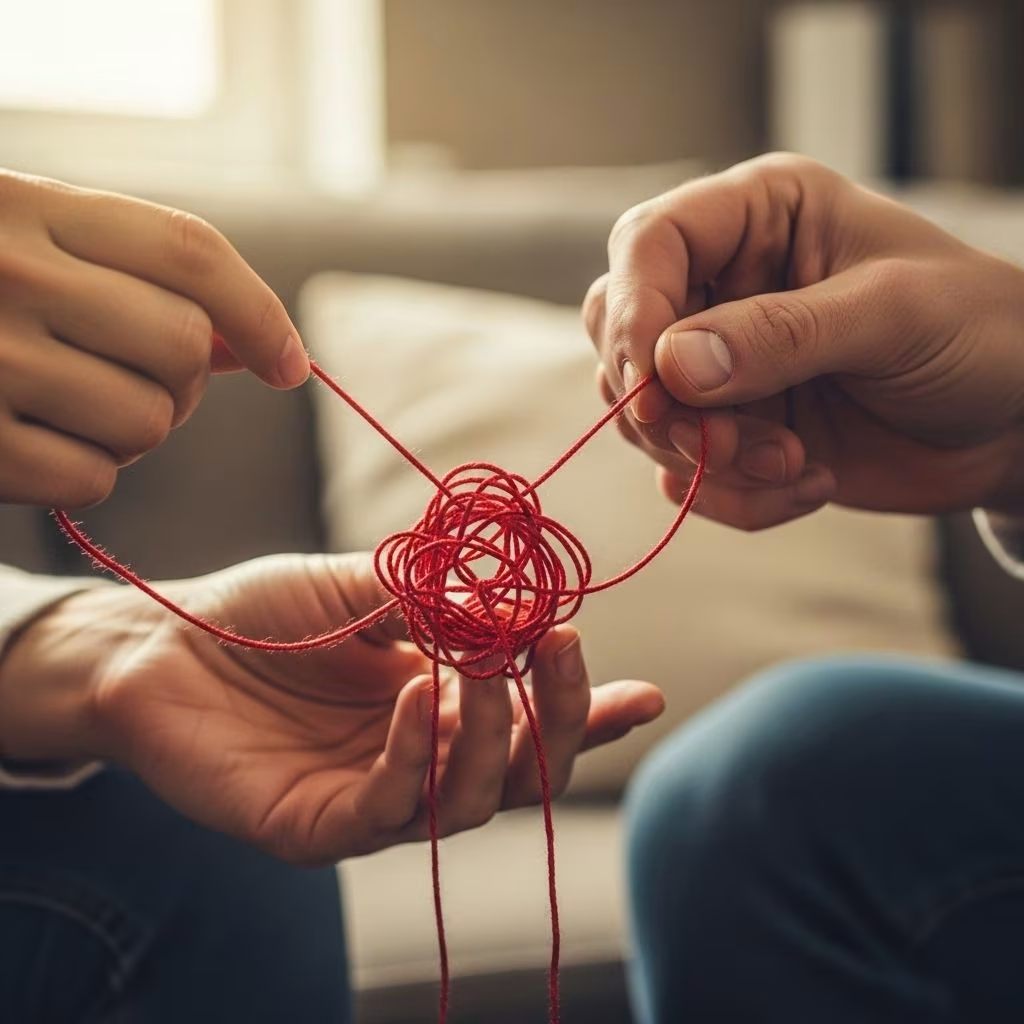
How to Stop Making the Same Mistakes in a Relationship
Many individuals find themselves on a carousel of similar relationship disappointments, repeating patterns that lead to frustration, heartbreak, and self-doubt. Recognizing, understanding, and actively working to break these habits is essential for building healthier, more fulfilling partnerships. This comprehensive guide will take you through the root causes of recurring romantic errors and arm you with actionable strategies to foster positive change and lasting love.
Why We Repeat the Same Relationship Mistakes
Humans are creatures of habit—often, we cling to comfortable but damaging patterns in pursuit of love. Recognizing why we fall into the same traps is the critical first step in breaking free.
- Lack of self-awareness: Many are unaware of the underlying reasons driving their repeated choices, often not noticing behavior patterns until a relationship ends.
Example: Jumping quickly into commitments or neglecting personal boundaries without realizing it. - Comfort with the familiar: Even unhappy patterns are comforting because they are known, making it hard to choose something truly different.
- Unconscious coping mechanisms: Patterns can develop as ways to protect ourselves from perceived threats or previous hurts, though they often backfire.
Example: Becoming overly codependent to avoid abandonment, only to drive partners away. - Lack of deep introspection: Attempting to fix symptoms (like dating a new “type”) without understanding the core issues leads to cycles of repeated behavior.
Recognizing Your Patterns: Self-Awareness as a Starting Point
Before you can fix a problem, you must name it. To truly understand and change your relationship outcomes, start by labeling your core tendencies. Honest self-reflection, though uncomfortable, is essential.
- Ask yourself probing questions: Do I rush into relationships? Do I lose touch with friends when attached? Do I consistently feel unworthy or become overly accommodating?
- Note when friends or family point out that your current partner echoes problems from past relationships. Listen instead of getting defensive.
- Track your behavior: Journaling after conflicts or breakups can reveal patterns invisible in the moment.
- Identify the moments when you realize—sometimes too late—that history is repeating itself. These are valuable learning opportunities.
Finding the Root Cause: Dig Deeper Than the Symptom
Superficial fixes do not resolve deep-seated issues. Once you can name your negative patterns, explore what drives them.
- Ask “why?” repeatedly: For every problematic habit, investigate what fear or belief sustains it.
For example: If you find yourself sabotaging intimacy, is it rooted in a fear of rejection? Did childhood experiences set this precedent? - Assess emotional payoffs: Even painful habits typically offer some (misguided) emotional reward, like avoiding vulnerability.
- Consider professional help: A therapist or counselor can guide you in uncovering motivation and rewriting narratives.
Overcoming Denial: Learning from Mistakes Without Shame
Owning up to recurring relationship mistakes is vital for change, but many people sidestep accountability, preferring to blame partners or circumstance. Letting go of denial is both liberating and necessary.
- Admit past missteps without self-condemnation—growth requires compassion, not guilt.
- Apologize to yourself for decisions that kept you stuck. This builds resilience to try new approaches.
- Remember: No relationship is a waste—each one teaches you more about what you truly need and want.
Why Is Change So Hard?
Even after recognition and intent, the process of real change is tough. Relationship habits, like any others, are resistant to “cold turkey” methods or quick fixes. Breaking a pattern and establishing new habits takes sustained attention and patience.
- Deeply ingrained behaviors function a bit like muscle memory, requiring ongoing practice to reshape.
- Expect setbacks and discomfort; lasting change rarely happens overnight.
- Embrace incremental growth, not perfection—every mindful choice counts.
Actionable Steps to Break Old Relationship Patterns
Ready to break free from the cycle? Here’s how to start developing healthier relationship behaviors for good.
1. Label Your Patterns
- Give your negative behaviors clear, honest names.
- Share your awareness with a trusted friend or journal to keep yourself accountable.
2. Challenge Your “Type”
- Date outside your “usual” attractions—if you always fall for the same kind of person, consciously try engaging with different personalities or backgrounds.
- Expand your social circle by attending new activities or social settings. Even non-romantic interactions with diverse individuals can shift your comfort zone.
3. Change the Dating Environment
- Visit new places and take up activities not tied to old routines or ex-partners.
- Seek connection in environments that reflect your values and interests for better alignment.
4. Own Your Needs and Boundaries
- Reflect on what you really need in a healthy relationship. Define your boundaries and communicate them, even if it’s uncomfortable.
- Distinguish desires (companionship, passion) from genuine needs (trust, respect, autonomy).
5. Get Comfortable Saying No
- Remind yourself that being in a relationship is a choice, not a requirement.
- You don’t have to stay with someone out of obligation or fear—learn to walk away when instincts tell you it’s wrong.
6. Act Before it’s Too Late
- Don’t wait for major crises before adjusting your behavior or ending unhealthy dynamics.
- Practice tuning into discomfort as an early warning sign rather than ignoring it.
7. Practice New Behaviors
- Try out new ways of relating even outside romantic connections: deepen friendships, set healthy boundaries with family, or stand up for yourself at work.
- Build evidence that you are capable of forming new patterns and sticking to them.
Mindfulness and Self-Compassion in Love
Changing relationship habits is as much about mindset as it is about action. Incorporate mindfulness and compassion for yourself on this journey:
- Practice self-reflection regularly—check in with your actions, reactions, and underlying motivations.
- Forgive setbacks, understanding that change is rarely linear.
- Celebrate the small victories—each conscious choice is progress.
Building Relationship Resilience: Healthy Habits to Replace Old Patterns
Once you understand and disrupt negative cycles, it’s critical to actively build new, healthy behaviors.
- Communicate honestly and directly rather than hinting, hiding, or avoiding tough talks.
- Invest in your own happiness, avoiding the trap of looking for a partner to “fix” loneliness or dissatisfaction.
- Prioritize compatibility over chemistry—shared values and life goals sustain relationships beyond initial attraction.
- Balance independence with connection; maintain your identity, hobbies, and friendships outside of love.
- Respond (don’t react) during conflicts. Take time before responding to difficult situations to ensure you’re acting with intention.
Table: Unhealthy Relationship Patterns vs. Healthier Alternatives
| Unhealthy Pattern | Healthier Alternative |
|---|---|
| Rushing into commitment | Taking time to know each other’s values |
| Dropping friends/family for partner | Maintaining external relationships and balance |
| Ignoring red flags | Addressing issues early and honestly |
| Fearing being alone | Building comfort with solitude and self-worth |
| People-pleasing to avoid conflict | Setting firm, respectful boundaries |
When to Seek Help
If you’ve tried the above approaches and still struggle to break free from recurring relationship problems, outside support can make a difference.
- Therapy or counseling offers a structured, supportive environment for deep pattern analysis and change.
- Books, workshops, and support groups can offer additional education and accountability.
- Remember, the goal is not perfection, but meaningful progress toward healthy love.
Frequently Asked Questions (FAQs)
How do I know if I’m repeating old relationship mistakes?
Often, similarity in the issues or partner types you experience across several relationships signals a repeating pattern. Noticing recurring criticisms from loved ones or feeling “stuck” in familiar arguments can be clues.
How can I break free from attraction to the wrong type?
Start by broadening your social environment and being conscious of avoiding your usual “type.” Cultivating friendships and exploring different activities can help recalibrate your attractions, and self-reflection can reveal what truly draws you in.
Is it normal to feel uncomfortable when changing dating habits?
Absolutely. Discomfort is a sign that you’re stepping outside your comfort zone, which is necessary for growth. Embrace the unfamiliar as proof that you’re making positive change.
Can all patterns be changed with willpower alone?
Willpower is important, but many relationship habits have roots in self-esteem and emotional conditioning, which may benefit from professional guidance. Therapy can accelerate and deepen the change process.
How long does it take to see a real shift in my relationship patterns?
Everyone’s journey is unique, but most people notice incremental improvements within weeks or months of consistent effort. The key is to persist, even through setbacks and self-doubt.
Conclusion: Breaking the Cycle, Rewriting Your Love Story
Escaping the loop of familiar romantic disappointment starts with radical self-awareness, compassion, and practical change. Whether your patterns come from past wounds, learned behaviors, or subconscious fears, breaking them is possible—and deeply rewarding. By understanding yourself, challenging your habits, and nurturing healthier relationship skills, you can experience the happiness, respect, and fulfillment you deserve in love. Every conscious step puts you closer to a relationship that enhances rather than diminishes your life.
References
- https://www.lovepanky.com/love-couch/better-love/how-to-stop-making-the-same-mistakes-in-a-relationship
- https://www.growingself.com/relationship-mistakes/
- https://www.lifecoach-directory.org.uk/articles/are-you-attracted-to-the-wrong-type-of-relationship-heres-why
- https://www.lovepanky.com/men/dating-women-tips-for-men/dumbest-relationship-mistakes-that-men-often-make
- https://lovepanky25.rssing.com/chan-14866220/all_p1.html
- https://www.scribd.com/document/810903335/33-Types-of-Girls-You-Should-NEVER-Fall-For-Ways-to-Avoid-Dati
- https://www.soberrecovery.com/forums/friends-family-alcoholics/429762-18-emotions-you-shouldn-t-feel-healthy-relationship.html
- https://acendahealth.org/common-relationship-mistakes-and-how-to-avoid-them/
- https://lovepanky15.rssing.com/chan-14866688/latest.php


