


What Is the 3-6-9 Rule in Relationships?
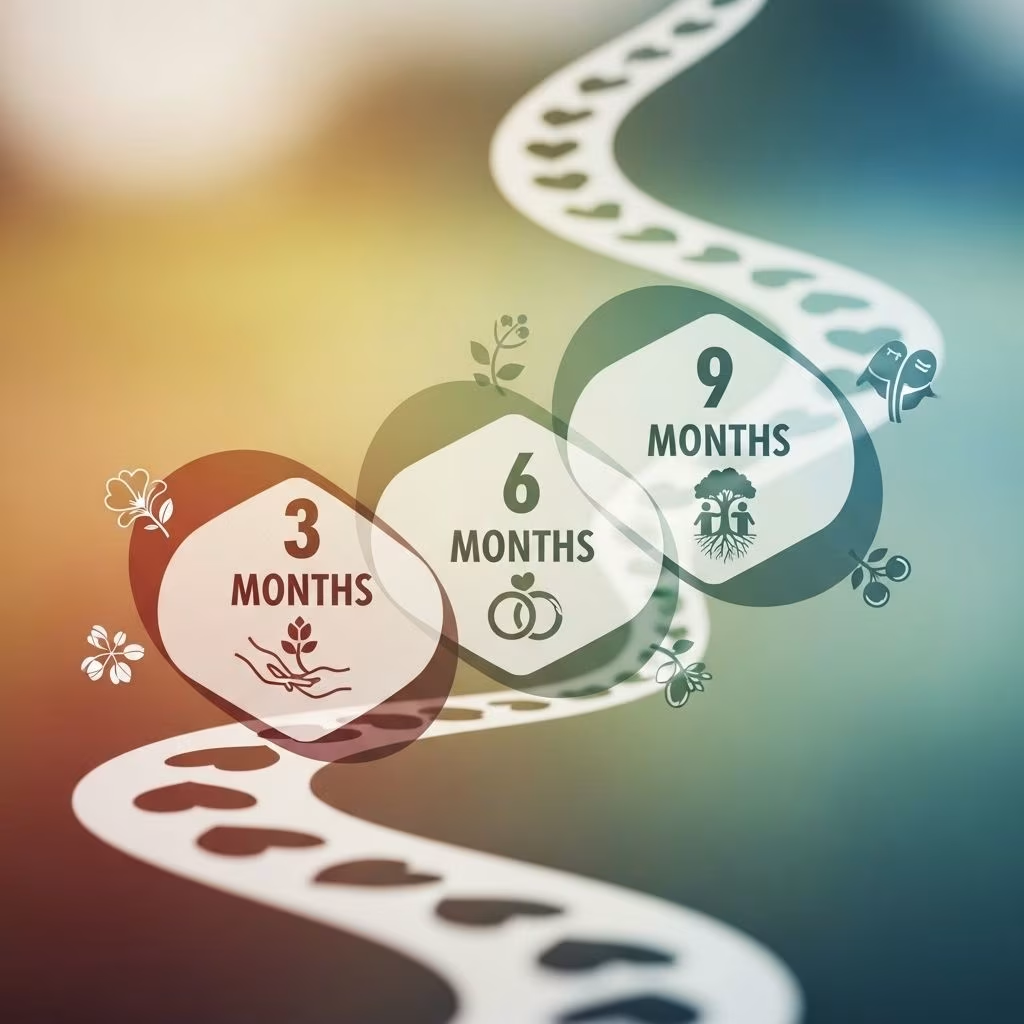
The 3-6-9 rule is a practical framework for understanding the dynamic phases that new romantic relationships typically experience in their first year. Rather than making rash decisions driven by infatuation or idealism, couples using this guide can pace their commitment, recognize natural shifts in intimacy and conflict, and make more informed choices about the future of their union.
This rule divides a relationship’s first year into three key periods:
- The First 3 Months: The Honeymoon Phase
- 3 to 6 Months: The Conflict Phase
- 6 to 9 Months: The Decision-Making Phase
This approach encourages couples to avoid major commitments or long-term decisions until they have experienced and navigated the full range of emotions, routines, and disagreements that typically emerge over these intervals.
The Origins and Purpose of the 3-6-9 Rule
The 3-6-9 rule grew out of observations by therapists and dating experts who noticed distinct emotional patterns as couples progressed through their first year together. The intention is to help individuals avoid the pitfalls of infatuation and premature commitment, providing a structured timeline to gauge whether a relationship can withstand the reality checks that naturally arise.
This framework is widely cited by relationship advisors and psychologists as a way to:
- Slow down impulsive decisions about exclusivity or moving in together.
- Encourage healthy boundaries through each phase.
- Motivate couples to address early conflicts rather than gloss over them.
- Offer reassurance that ups and downs in the first year are normal.
The Honeymoon Phase: Months 0-3
The initial three months of a relationship are often referred to as the honeymoon phase. During this time, everything feels fresh, exciting, and euphoric. Couples experience heightened attraction, frequent romantic gestures, and a rush of dopamine at each interaction.They spend quality time together, eagerly discover each other’s personalities, and enjoy a sense of optimism about the future.
Typical Experiences & Signs
- Lots of fun dates and spontaneous plans.
- Frequent physical affection and sexual chemistry.
- Eagerness to impress and be on best behavior.
- Overlooking minor disagreements or red flags.
- Thinking often about the person and future possibilities.
The honeymoon stage is the period where couples decide whether their connection feels genuine, comfortable, and compatible enough to continue investing in one another.
Potential Pitfalls
- Idealization: Seeing only the best qualities and ignoring weaknesses.
- Rushed Commitment: Feeling pressured to commit too deeply or make long-term decisions before truly knowing the person.
- Suppressing Red Flags: Allowing excitement to mask incompatibilities.
Expert Advice
Relationship experts suggest enjoying this phase but maintaining emotional awareness. Use the time to build strong communication and observe your genuine compatibility rather than just riding the high of infatuation.
The Conflict Phase: Months 3-6
As couples move beyond the initial three months, the relationship enters the conflict phase. The veil of idealism lifts, and each partner’s real personality and habits begin to emerge. This is when the first meaningful disagreements and challenges appear, and authentic communication becomes crucial.
Common Experiences in the Conflict Phase
- Becoming aware of each other’s flaws and quirks.
- Experiencing routine arguments or disappointments.
- Adjusting expectations based on real-life habits (e.g., punctuality, tidiness, financial behavior).
- Testing boundaries and learning conflict resolution styles.
- Wondering if the relationship is as perfect as it seemed.
It’s normal for partners to question compatibility during this phase. The way partners communicate, handle disagreements, and adapt to each other’s imperfections will determine whether the relationship is prepared to move onward.
Tools for Navigating Conflict
- Open Communication: Share feelings honestly but respectfully.
- Conflict Resolution: Learn to resolve disputes without escalation.
- Empathy: Recognize your partner’s perspective and be willing to compromise.
- Self-Reflection: Consider your own triggers and contributions to conflict.
Expert Insight
If disagreements continue without resolution, or you routinely feel disconnected, it may signal deeper incompatibilities. On the other hand, surviving this stage and learning to negotiate differences can build a stronger, healthier bond.
The Decision-Making Phase: Months 6-9
Having progressed through conflict, couples reach the decision-making phase between six and nine months. By this stage, you’ve seen the good, bad, and sometimes ugly sides of your partner. The novelty has faded, routines have solidified, and you are equipped to make more rational decisions about your future together.
Hallmarks of the Decision Period
- Reflecting on the entire relationship journey so far.
- Weighing the quality and resolution of past conflicts.
- Assessing whether disagreements are manageable or chronic.
- Evaluating the long-term fit—considering personal values, life goals, and compatibility.
- Discussing potential next steps: exclusivity, moving in, meeting family, or separating.
By the nine-month mark, couples decide to either deepen their commitment or amicably part ways, knowing they’ve given the relationship a fair trial.
Expert Guidance for Decision-Making
- Don’t rush commitment before completing all stages. Wait until you’ve seen your partner in a variety of situations—both blissful and challenging.
- If conflict remains high or unresolved, be honest with yourself about the potential for long-term happiness.
- If conflict is low and connection remains strong, consider expanding your commitment.
- Trust your intuition but balance it with the rational insight gained through the process.
Summary Table: The 3-6-9 Rule Stages
| Phase | Timeframe | Key Traits | Main Challenges | Primary Focus |
|---|---|---|---|---|
| Honeymoon | 0-3 Months | Excitement, discovery, chemistry | Idealization, overlooking red flags | Enjoy, observe, build rapport |
| Conflict | 3-6 Months | Reality sets in, disagreements | Handling differences, communication | Resolve issues, set expectations |
| Decision-Making | 6-9 Months | Reflection, evaluation, choices | Commitment, ongoing conflicts | Make informed decisions |
Benefits of Following the 3-6-9 Rule
- Prevents rushing into unhealthy patterns: Gives time for natural compatibility to be truly assessed.
- Increases resilience: Surviving the conflict stage strengthens couples for future challenges.
- Facilitates informed choices: Couples see enough nuance to make rational decisions about continuation or commitment.
- Protects emotional wellbeing: By not committing too deeply, too quickly, you reduce risk of heartbreak or attachment to incompatible partners.
- Normalizes ups and downs: Many relationships go through predictable phases; recognizing this helps manage expectations.
Common Myths and Misunderstandings
- Myth: Surviving all phases guarantees lifelong success.
Reality: The rule is a guide, not a guarantee. Some couples thrive beyond the first year, while others discover incompatibility later. - Myth: Every relationship follows this timeline.
Reality: Many relationships deviate; individual personalities, circumstances, and relationship goals play a big role. - Myth: Being stuck in the conflict phase is always bad.
Reality: Some ongoing conflict is healthy, but persistent, unresolved issues may signal deeper problems.
Expert Tips for Success with the 3-6-9 Rule
- Resist pressure to make major decisions (e.g., moving in, marriage) before one year.
- Stay honest about your feelings—don’t cover up incompatibilities for harmony’s sake.
- Check in regularly with your partner about how you’re both feeling at each stage.
- Seek feedback from trusted friends or family—but remember, the final choice is yours.
- Use disagreements as opportunities to learn, not only as threats.
Frequently Asked Questions (FAQs)
Q: What makes the 3-6-9 rule different from other dating advice?
The 3-6-9 rule emphasizes patience and seeing your partner in diverse circumstances before making lasting decisions, unlike advice centered solely on chemistry or immediate compatibility.
Q: Can relationships succeed if committed before 9 months?
While some relationships flourish with earlier commitment, the 3-6-9 rule recommends pacing decisions to reduce heartbreak and increase the probability of sustainable compatibility.
Q: What should I do if I’m feeling stuck in the conflict phase?
If conflicts persist, address underlying causes openly. Professional help may improve communication; if issues remain irreconcilable, consider stepping back before further attachment.
Q: How should I handle pressure from my partner or others to commit early?
Communicate your reasons for wanting to proceed slowly, referencing the benefits of the 3-6-9 rule. Healthy partners will respect your boundaries and recognize the value in this measured approach.
Q: Is the 3-6-9 rule only for romantic relationships?
While designed for dating, the principles of gradual commitment and conflict resolution apply to friendships, business partnerships, and other close social bonds.
Conclusion: Using the 3-6-9 Rule to Guide Your Relationship Journey
The first year of any romantic relationship is unpredictable, intense, and transformative. By using the 3-6-9 rule, couples can safeguard their emotional wellbeing, learn invaluable lessons from every stage, and arrive at the decision to commit for the long haul—or part ways with confidence. The power of this rule lies in its patient wisdom: See the full spectrum of your partner’s personality, survive the inevitable conflicts, and make commitments informed not just by passion, but by proven compatibility and growth.
References
- https://theeverygirl.com/3-6-9-dating-rule/
- https://www.millionairematch.com/dating-tips/3-6-9-month-rule-in-dating
- https://www.youtube.com/watch?v=8KKD_kXdlrA
- https://www.trillmag.com/lifestyle/this-relationship-rule-will-help-your-love-last-after-valentines/
- https://timesofindia.indiatimes.com/life-style/relationships/love-sex/what-is-a-3-6-9-month-rule-for-a-relationship-here-is-all-you-need-to-know/photostory/104822377.cms
- https://tawkify.com/blog/dating/the-three-month-rule-making-it-past-the-honeymoon-phase
- https://nysyouth.net/relationships/chemistry/rule.cfm


