


Sharing your deepest desires with a romantic partner can feel overwhelming, especially when those desires involve fetishes or unconventional sexual interests. The fear of judgment, rejection, or misunderstanding often keeps people silent about what truly excites them. However, open communication about your sexual preferences can actually strengthen your relationship, deepen emotional intimacy, and create opportunities for exploration that benefit both partners.
Understanding how to approach this sensitive conversation is crucial for maintaining trust while expressing your authentic self. This comprehensive guide will walk you through the psychological foundations of fetishes, practical strategies for initiating conversations, methods for establishing boundaries, and ways to explore together safely and consensually.
Understanding Fetishes in Modern Relationships
Before diving into how to communicate about fetishes, it’s important to understand what they are and why they develop. Fetishes are not about being weird or abnormal; they represent part of the diverse spectrum of human sexuality. When explored safely and consensually, they can be an incredible way for couples to deepen their connection and intimacy.
Research shows that curiosity about fetishes is completely natural. Whether it’s a long-held fantasy or a newly discovered interest, these desires are more common than many people realize. Some of the most prevalent fetishes include foot fetishes, which involve finding pleasure in foot-related activities like massages, kissing, or simply admiring a partner’s feet. When openly discussed and embraced with respect and mutual consent, such interests can add a thrilling new dimension to relationships.
The psychological benefits of sharing fetishes extend beyond physical pleasure. Dr. Justin Lehmiller’s research on the science of sexual desire found that couples who engage in open discussions about their sexual preferences report higher levels of satisfaction and trust. This suggests that the act of vulnerability itself—sharing something deeply personal—can strengthen the emotional bonds between partners.
Recognizing the Right Time and Place
Timing is absolutely everything when it comes to discussing fetishes with your partner. The conversation requires a foundation of trust and communication more than any specific duration of relationship. You can have discussions about unconventional desires early in a relationship or bring them up after years together—what matters most is that you’re both open about your likes, dislikes, and boundaries.
Creating the ideal environment involves several key elements. Choose a moment when you’re both relaxed, connected, and genuinely open to discussing your relationship. Avoid bringing up the topic during stressful times, in the heat of passion, or when either of you is distracted by other concerns. The right time is when you feel safe with your partner, as this sense of security allows for the vulnerability required to share innermost thoughts and sexual fantasies.
Experts emphasize that it’s always better to discuss fantasies proactively with a partner rather than wait for them to be discovered. When a fantasy is discovered accidentally—such as stumbling upon a partner’s browsing history or finding profiles on kinky social networking sites—it can become a source of conflict and misunderstanding within a relationship and may even be destructive. Proactive communication prevents these feelings of betrayal and demonstrates respect for your partner.
Crafting Your Opening Conversation
How you phrase your desires significantly impacts how your partner receives the information. The goal is to frame the conversation as something you’re curious about exploring together rather than presenting it as a demand or something you need to feel fulfilled. This collaborative approach immediately reduces defensiveness and invites partnership.
Effective conversation starters might include phrases like: “I’ve been thinking about ways we could enhance our intimacy, and I’ve always been a little curious about exploring [insert interest]. How would you feel about discovering that together?” This phrasing accomplishes several things simultaneously—it acknowledges that you’ve given this thought, positions it as optional exploration rather than a requirement, and immediately invites your partner’s perspective.
Some experts suggest avoiding potentially loaded terms like “kinky” if you think your partner may be turned off or uncomfortable with such language. Instead, you can ask if they would be interested in sharing and exploring together some things that you find arousing. This gentler approach removes labels that might carry negative connotations and focuses on the experience rather than categories.
Acknowledge any discomfort—both theirs and yours—openly. You might say something like, “I know this might feel a bit awkward to discuss, and I’m feeling a bit nervous myself, but I want to talk with you about something important to me.” This vulnerability often encourages reciprocal openness.
Using Tools to Facilitate Discussion
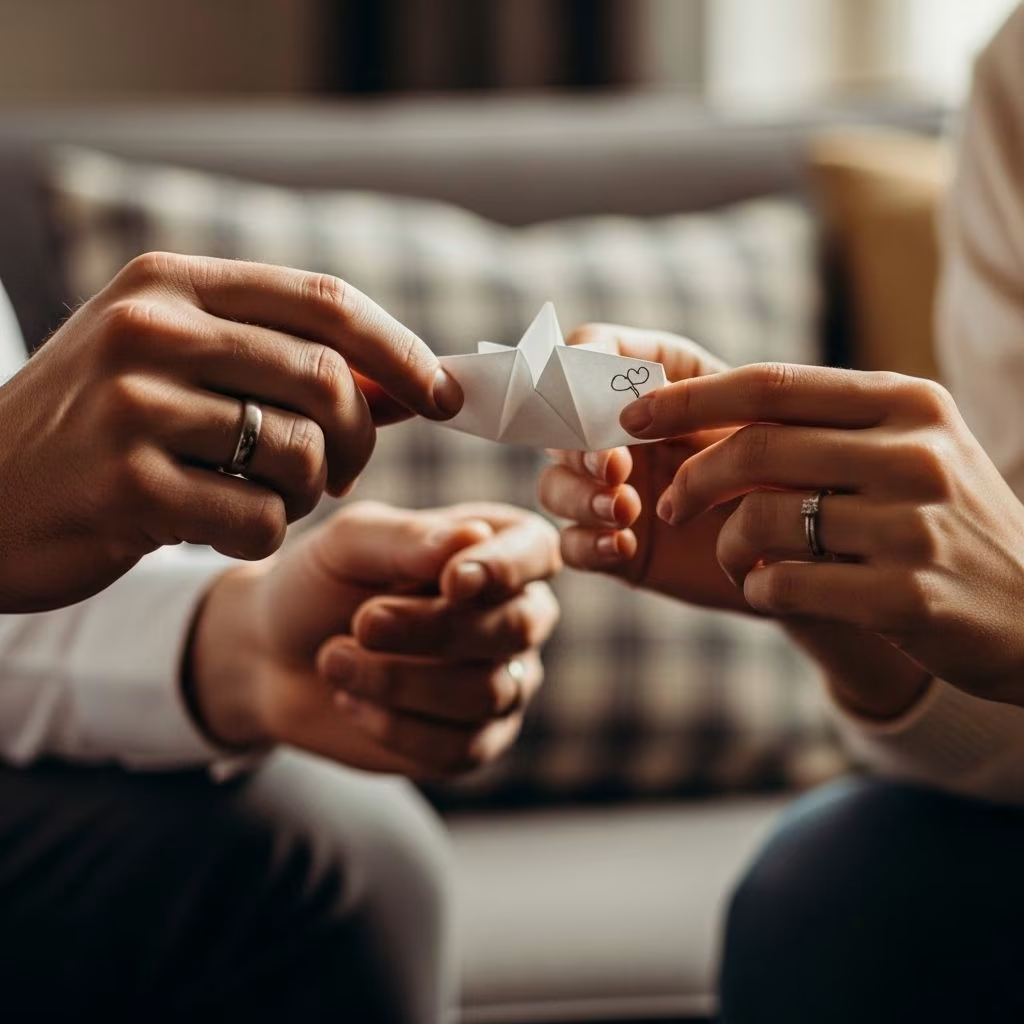
For many couples, the hardest part of discussing fetishes is simply starting the conversation. Fortunately, there are creative tools designed specifically to break the ice around sensitive sexual topics. Games like couples’ conversation card sets offer prompts that naturally lead to discussions about desires, fantasies, and boundaries.
These playful approaches work because they create a low-pressure environment where both partners are exploring together. Imagine drawing a card that asks about something you’ve been curious to try but haven’t shared yet—this structured format makes it easier to open up about interests in a natural and fun way. The game becomes the catalyst for conversation rather than you having to initiate it directly.
Alternative conversation facilitators include reading articles about sexual exploration together, watching educational content about diverse sexuality, or even taking online quizzes about sexual preferences. These shared activities normalize the conversation and demonstrate that many couples engage in similar discussions.
Establishing Clear Boundaries and Consent
Once you’ve opened the conversation, the next crucial step involves establishing boundaries and ensuring ongoing consent. Informed, enthusiastic consent is absolutely essential in taking your discussion from fantasy to potential reality. This means your partner must be 100 percent comfortable with voicing their likes, dislikes, and discomforts throughout the entire process.
It’s critical to understand that fantasies aren’t necessarily what we want in reality—that’s why they’re called fantasies. Always explain to your partner that there’s no pressure whatsoever to explore any particular interest, especially if it’s not something that appeals to them. The best ground rules establish that any exploration only happens with their full consent and that you will always respect their boundaries.
Creating a consent framework involves several practical steps:
First, establish safe words before engaging in any new activities, particularly those that might push comfort zones. Common safe word systems use traffic light colors: “green” means continue, “yellow” means slow down or check in, and “red” means stop immediately. These clear signals ensure both partners can communicate their comfort level even during vulnerable moments.
Second, agree to start slowly. Diving into fantasies should be done gradually and steadily. Take baby steps to build comfort and trust with the idea of exploring. For example, you might begin with role play or engage in descriptive conversation about the fantasy to gauge interest and comfort before trying anything in reality.
Third, implement regular check-ins during and after any exploration. These conversations allow both partners to express how they felt about the experience, what worked well, and what they might want to adjust. This ongoing dialogue maintains emotional and physical safety.
Understanding Your Partner’s Perspective
Just because your partner doesn’t initially share your specific interests doesn’t automatically mean they won’t be open to participating in them. The fetish might not be a turn-on for the less kinky partner in the same way it is for you, but as long as there’s consent, they can certainly derive satisfaction from your enjoyment.
This concept is important to internalize: your partner may choose to participate in your fetish not because it directly arouses them, but because they enjoy the intimacy of the experience, appreciate your vulnerability in sharing, or simply find pleasure in giving you pleasure. This is perfectly valid and can be just as fulfilling for both partners as shared enthusiasm.
However, you must also prepare yourself for the possibility that your partner may not be comfortable exploring certain desires. If your partner expresses hesitation or discomfort, respect those boundaries and have an honest conversation about their concerns. Ask questions to understand the root of their discomfort—is it fear of the unknown, moral concerns, physical safety worries, or simply lack of interest?
Navigating differences requires patience and empathy. If your partner needs time to process the information, give them that space. Suggest they do their own research if they’re curious but uncertain. Some people need to understand something intellectually before they can engage with it emotionally or physically.
Taking Small Steps Toward Exploration
If your partner expresses openness to exploring your fetish, resist the urge to dive in immediately. Gradual introduction allows both partners to build comfort and adjust boundaries as needed. This measured approach demonstrates respect for your partner’s journey and increases the likelihood of positive experiences.
Progressive exploration strategies might include:
Start with conversations and descriptive fantasy. Before any physical exploration, talk through what the experience might look like. This verbal exploration allows your partner to imagine the scenario and identify any concerns before committing to action.
Incorporate elements into existing intimacy. Rather than creating entirely new sexual experiences, weave small elements of your interest into activities you already enjoy together. This integration feels less intimidating than a completely novel encounter.
Use role-playing as a bridge. Acting out scenarios can help your partner understand what exactly they might be getting into. This rehearsal provides a safe space to experiment with boundaries and discover comfort levels without full commitment.
Consume related content together. Watching educational videos, reading articles, or exploring ethical content related to your fetish can normalize the interest and provide ideas for how other couples incorporate similar desires into their relationships.
Building Trust Through Vulnerability
Sharing your fetishes creates an opportunity for profound intimacy that extends far beyond the physical. By allowing your partner to access your innermost thoughts and sexual fantasies, you build an intimacy that allows them to see you more clearly for who you are. This vulnerability, when met with acceptance, strengthens relationships in unexpected ways.
Research consistently shows that exploring fetishes can deepen emotional intimacy and trust by creating a space where both partners feel safe to share vulnerable desires. The act of disclosure itself—independent of whether the fetish is ultimately explored—demonstrates trust in your partner’s capacity for acceptance and understanding.
Fostering reciprocal vulnerability is equally important. After sharing your own interests, create space for your partner to share theirs. Ask open-ended questions about their fantasies, curiosities, and desires. This mutual exchange ensures the conversation isn’t one-sided and demonstrates that you value their inner world as much as you want them to value yours.
Remember that building this level of trust is an ongoing process, not a single conversation. Each discussion, each small exploration, each moment of honesty contributes to a foundation of trust that benefits your relationship in all areas, not just sexual ones.
Addressing Common Concerns and Fears
Many people hesitate to share their fetishes because of specific fears. Understanding these concerns and how to address them can make the conversation feel less daunting.
Fear of judgment: You might worry that your partner will think differently of you or view your desires as strange. Combat this by remembering that fetishes exist on a spectrum of normal human sexuality. Present your interests with confidence rather than shame, as your attitude will influence your partner’s reception.
Fear of rejection: The possibility that your partner might not accept this part of you can feel threatening to the relationship. However, a partner who truly loves and respects you should be willing to at least listen and try to understand, even if they ultimately don’t wish to participate. Their response provides valuable information about your compatibility.
Fear of being too much: Some people worry that expressing their desires will overwhelm their partner or make them seem demanding. This is why framing is so important—presenting desires as invitations to explore together rather than requirements diffuses this concern.
Fear of changing the relationship: You might worry that introducing this information will fundamentally alter how you and your partner relate to each other. In reality, honest communication typically strengthens relationships, even when it initially feels uncomfortable.
When Professional Support Might Help
Sometimes, despite your best efforts at communication, couples struggle to navigate conversations about fetishes. This doesn’t indicate failure—it simply means you might benefit from professional guidance. Sex therapists and relationship counselors specialize in facilitating these exact conversations.
Consider professional support when: You’ve attempted to discuss your desires multiple times but the conversation repeatedly ends in conflict or shutdown. Your partner has strong negative reactions that seem disproportionate to the disclosure. You’re experiencing significant anxiety about sharing this information. Your desires involve activities that require specific safety knowledge. There’s a significant mismatch in sexual interests that’s creating relationship tension.
A qualified sex therapist can provide a neutral, non-judgmental space for both partners to express themselves. They can offer frameworks for discussion, help identify underlying concerns, and suggest compromise strategies that honor both partners’ needs and boundaries.
Strengthening Your Relationship Through Honest Communication
Ultimately, the conversation about fetishes represents a broader commitment to authentic communication within your relationship. Couples who can discuss vulnerable topics—whether sexual desires, financial concerns, or emotional needs—build stronger, more resilient partnerships.
The skills you develop through these conversations transfer to other areas of your relationship. Learning to express desires clearly, listen without judgment, negotiate boundaries, and show respect for differences benefits everything from household decision-making to long-term planning.
Honest communication about sexual preferences, when handled with care and mutual respect, creates opportunities for growth that strengthen your connection beyond the physical. The trust built through vulnerability, the intimacy created through acceptance, and the partnership developed through exploration all contribute to a relationship that’s more fulfilling, authentic, and deeply connected.
Frequently Asked Questions
Q: How do I bring up my fetish without making things awkward with my partner?
A: Choose a relaxed moment when you’re both open to meaningful conversation and frame your interest as curiosity about exploring together rather than as a demand. Use collaborative language like “I’ve been curious about trying…” and immediately invite your partner’s thoughts. You can also use conversation card games or other tools designed to facilitate discussions about sexual interests in a playful, low-pressure way.
Q: What if my partner reacts negatively to my fetish?
A: Respect their initial reaction and give them time to process. Ask questions to understand the root of their discomfort—is it unfamiliarity, moral concerns, or simply lack of interest? Emphasize that there’s no pressure to explore anything they’re uncomfortable with. If they’re open, suggest they research the topic on their own or discuss it further when they’ve had time to think. A negative initial reaction doesn’t always mean permanent rejection.
Q: Should I share all my fetishes at once or gradually?
A: Start with one interest that feels most important to you or that you think your partner might be most receptive to. Overwhelming your partner with multiple revelations at once can be counterproductive. Allow time for processing, discussion, and potentially exploration before introducing additional interests. This gradual approach builds trust and comfort incrementally.
Q: Is it normal to have fetishes that my partner doesn’t share?
A: Absolutely. It’s quite common for partners to have different turn-ons and interests. The key is finding ways to honor both partners’ needs and boundaries. Your partner doesn’t need to share your exact enthusiasm for a particular activity to be willing to explore it with you, and they may derive satisfaction from your enjoyment even if the activity itself doesn’t directly arouse them.
Q: How can we ensure both partners feel safe while exploring fetishes?
A: Establish clear boundaries before any exploration begins and agree on safe words that either partner can use to pause or stop activities. Common systems use traffic light colors: green (continue), yellow (slow down or check in), and red (stop immediately). Implement regular check-ins during and after exploration to discuss comfort levels, and always prioritize enthusiastic, ongoing consent over completing any particular activity.
Q: What if my fetish is considered uncommon or extreme?
A: Remember that fetishes exist on a spectrum and what matters most is safe, consensual exploration between adults. If your interest involves activities that could carry physical or emotional risks, do thorough research together about safety practices. Consider consulting with sex educators or therapists who specialize in alternative sexuality. Start with the least intense versions of the activity and build slowly based on mutual comfort.
Q: Can exploring fetishes actually improve our relationship?
A: Yes, research shows that couples who engage in open discussions about sexual preferences report higher levels of satisfaction and trust. Exploring fetishes can deepen emotional intimacy by creating a space where both partners feel safe sharing vulnerable desires. The communication skills, trust, and vulnerability required for these conversations strengthen relationships beyond just the sexual dimension.
References
- https://joyful-couple.com/blogs/blog-and-tips/exploring-fetishes-as-a-couple-how-to-introduce-and-embrace-unconventional-desires
- https://www.vice.com/en/article/discuss-sex-desires-kinks-fetish-with-partner/
- https://www.thebody.com/article/how-to-safely-navigate-kinks-with-partner-not-into-kink
- https://feeld.co/ask-feeld/how-to/how-to-talk-about-kink-with-new-partners
- https://www.refinery29.com/en-us/unique-fetishes-relationships


