


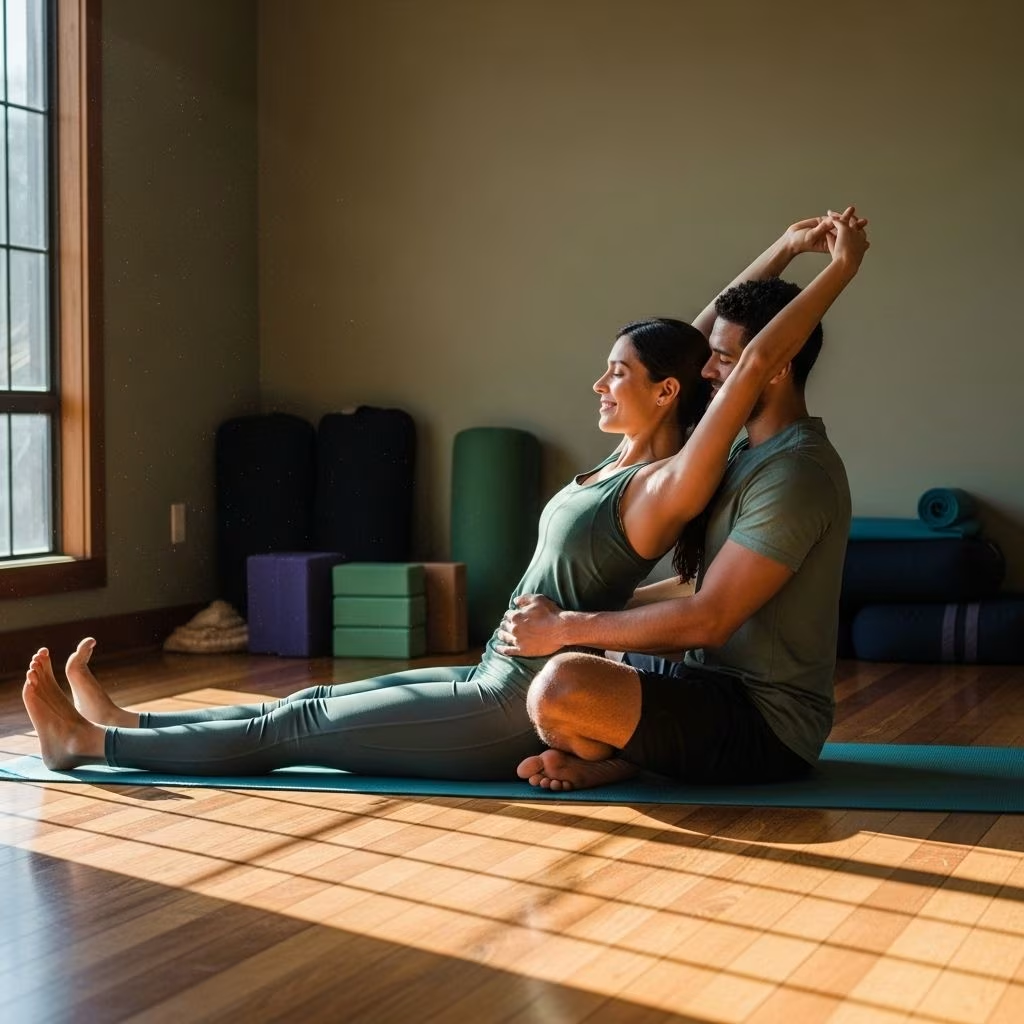
Couples Exercises to Deepen Intimacy and Improve Communication
Intimacy and communication are the lifeblood of every successful romantic relationship. Challenges in these areas often lead to misunderstanding, emotional distance, and conflict. Fortunately, numerous exercises—rooted in science and practiced by therapists—can help couples foster a deeper emotional connection, improve understanding, and revive their bond. Below, we detail some of the most acclaimed practices and tools every couple can try to rejuvenate their relationship.
Why Focus on Intimacy and Communication?
- Emotional Intimacy encourages vulnerability, trust, and acceptance between partners.
- Healthy Communication reduces conflict and increases understanding, validation, and closeness.
- Couples who prioritize both are more likely to experience satisfaction and longevity in their unions.
Powerful Couples Exercises for Intimacy
1. The Revealing Game
This guided sharing exercise facilitates emotional transparency and feeling seen by your partner. Spend quiet time together, facing each other, and take turns responding to deep prompts such as:
- “Something on my heart and mind right now is…”
- “Something I’m looking forward to is…”
- “Something that’s been bringing me a lot of joy recently is…”
- “Something I’ve been struggling with lately is…”
One partner speaks uninterrupted for five to ten minutes, allowing themselves to be open and vulnerable. The listener practices reflective listening, meaning they acknowledge and attempt to understand the speaker’s emotions without offering solutions or interruptions.
Benefits: Encourages honesty and emotional safety, and fosters mutual understanding.
2. Couples Journaling
Writing down thoughts, wishes, or feelings helps partners articulate complexities that are hard to express verbally. Trade journals, experiment with prompts (“What’s something you appreciate about us?”), or create lists and drawings. Journaling can reveal hidden emotions and boost empathy.
- Share the journal once a week to gain perspective on your partner’s inner world.
- Use drawings or lists for creative expression if words don’t come easily.
- Explore dreams, struggles, or future plans together.
Benefits: Increases openness and understanding, and provides a comforting record of growth.
3. The Intimate Pause
Sexual connection can be deepened with an intentional pause. Agree on a phrase like “Let’s pause” during intimacy to slow down, make prolonged eye contact, and physically connect (hands on each other’s hearts). Breathe together, exchange loving compliments, and resume intimacy with renewed emotional energy.
- Use eye contact and gentle touch to boost oxytocin (the bonding hormone).
- Share heartfelt affirmations or desires, enhancing trust.
- Helps break routine and brings mindfulness into sexuality.
Benefits: Builds emotional and physical closeness, and increases vulnerability.
4. Extended Eye Contact
Sitting in silence and maintaining eye contact for up to five minutes is a powerful nonverbal way to foster intimacy. Allow feelings to arise—comfort, joy, even discomfort. Afterwards, discuss your experience and any emotions or thoughts that surfaced.
- Set a timer for 1–5 minutes in a peaceful space.
- Notice nonverbal cues and gestures from your partner.
- Reflect together on the sensations and emotional shifts that occurred.
Benefits: Enhances emotional connection and understanding beyond words.
5. Cuddling and Non-Sexual Touch
Regular, affectionate physical contact like cuddling, holding hands, or gentle massages fosters feelings of safety and belonging even outside sexual intimacy.
- Promotes secretion of oxytocin (‘the love hormone’).
- Reduces stress and increases feelings of security.
- Can be practiced daily for a few minutes each time.
Benefits: Builds trust and physical comfort, and can ease tension during disagreements.
6. Guided Breathing and Mindfulness Together
Coordinating breaths for a few minutes instills calmness and synchronizes emotional states. Mindfulness exercises can include meditating side-by-side or completing a ‘body scan’ together.
- Practice for 2–5 minutes as a daily ritual.
- Use techniques like counting breaths or focusing on bodily sensations.
- Helps reduce anxiety and deepens the present-moment connection.
Benefits: Grounding together can ease emotional distance and enhance mutual understanding.
Communication Exercises for Couples
1. Active Listening
One of the pillars of healthy communication, active listening demands full attention from both partners. The speaker shares feelings or concerns while the listener refrains from interrupting, and afterward summarizes or asks clarifying questions to ensure correct understanding.
- Nod or use gestures to signal attentiveness, rather than verbal interruptions.
- Repeat back what your partner said for validation.
- Follow up with open-ended questions for deeper exploration.
Benefits: Creates a feeling of being heard, reduces miscommunication, and helps partners feel valued.
2. “I” Statement Practice
Instead of blaming or accusing, “I” statements center communication on personal feelings and experiences. This keeps conversations calm and productive, minimizing defensiveness and encouraging responsibility.
- Example: “I feel upset when plans change suddenly because it disrupts my sense of stability.”
- Avoid phrases that begin with “You always…” or “You never…”
- Regularly practice during disagreements or during scheduled reflection time.
Benefits: Promotes empathy, reduces fights, and improves mutual understanding.
3. Daily or Weekly Team Meetings
Set aside a regular time (daily, weekly) devoted to “relationship check-ins.” This provides a structured environment where both partners can discuss priorities, challenges, or plans—like scheduling, finances, or shared goals.
- Prepare a list of topics to cover (events, emotional state, concerns).
- Assign roles or rotate who leads the meeting.
- End each meeting with positive affirmations or gratitude.
Benefits: Cultivates teamwork and prevents misunderstandings from festering.
4. Mirroring and Validation Technique
This exercise allows the listening partner to repeat back what they heard, followed by a validating statement (“It makes sense you feel that way”). Mirroring builds trust and decreases conflict by showing genuine effort to understand.
- After a sharing session, summarize your partner’s words.
- Validate their experience, even if you disagree.
- Ask, “Is there anything you want to clarify?” to encourage open dialogue.
Benefits: Reduces defensiveness and cultivates emotional safety.
5. Gratitude Exercises
Frequently expressing appreciation—in writing or aloud—boosts positivity and mutual respect.
- Exchange daily or weekly notes of gratitude or appreciation.
- Share three things you love or value about your partner.
- Find opportunities to thank or compliment your partner in everyday life.
Benefits: Strengthens bonds and fosters a positive relational culture.
6. Role Reversal Exercises
Switch roles in a hypothetical or real scenario to appreciate each other’s perspectives. For example, the partner who plans outings can let the other take the lead, and vice versa.
- Explore potential sources of stress or frustration for each role.
- Share discoveries and new appreciations after switching back.
Benefits: Reduces resentment, increases empathy, and balances relationship dynamics.
Couples Therapy-Inspired Intimacy and Communication Exercises
Modern couples therapy draws from both classic and innovative exercises. Therapists may recommend several additional strategies:
- Sharing Vulnerabilities: Admit fears, disappointments, and areas for growth to build trust.
- Guided Discussions: Topics set by a third party, with rules for fairness and openness.
- Sensory-focused Activities: Engage in experiences (music, art) to cultivate present-moment awareness.
These approaches extend beyond the exercises above to holistic, ongoing relationship care.
Best Practices for Success
- Schedule exercises regularly, creating a routine.
- Practice patience and avoid judgment or criticism.
- Be consistent—skills grow with repetition and practice.
- Seek help from a therapist if persistent issues arise.
Remember, every couple has unique challenges. Experiment with different exercises and approaches to find what works best for both of you.
Sample Table: Relationship Exercise Focus
| Exercise | Main Objective | Best For |
|---|---|---|
| The Revealing Game | Deep emotional sharing | Understanding emotions, boosting vulnerability |
| Couples Journaling | Written reflection and communication | Complex thoughts, introverted partners |
| Intimate Pause | Heightened physical & emotional intimacy | Sexual connection, presence |
| Active Listening | Verbal empathy and validation | Conflict resolution, everyday communication |
| Gratitude Exercises | Appreciation & positivity | Preventing negativity cycles |
Frequently Asked Questions (FAQs)
Q: How often should couples practice these exercises?
A: Consistency is key. Many couples see results with weekly sessions, though daily micro-exercises (like gratitude or brief journaling) can keep bonds strong.
Q: Are intimacy exercises effective even if we’re already close?
A: Absolutely. Even in close relationships, these habits maintain and grow emotional and sexual connection over time, and help weather unforeseen stresses.
Q: What if my partner resists doing these exercises?
A: Openly discuss the reasons behind their discomfort. Start with lighter activities, show the personal benefit, or consider seeking professional support together.
Q: Can these exercises prevent breakup or divorce?
A: While no technique guarantees relationship stability, science shows that improved intimacy and communication strongly correlate with decreased conflict and increased relationship satisfaction.
Q: Is couples therapy necessary to practice these exercises?
A: Not necessarily. Many activities are DIY and can be practiced at home, though a therapist may tailor them to your unique needs or help during tough periods.
Conclusion: Building a Relationship that Lasts
Nurturing a healthy romantic relationship takes effort, intention, and continual growth. Embracing these intimacy and communication exercises can rekindle passion, boost trust, and allow couples to thrive through ups and downs. Experiment, stay patient—and watch your relationship blossom.
References
- https://practicalintimacy.com/marriage-intimacy-exercises-for-couples/
- https://www.talkspace.com/blog/communication-exercises-for-couples-therapy/
- https://www.withours.com/blog/communication-exercises-for-couples/
- https://www.simplepractice.com/blog/couples-therapy-exercises/
- https://positivepsychology.com/couples-therapy-worksheets-activities/
- https://www.villageoec.com/exercises-techniques-couples-therapy-utilizes-improving-intimacy/
- https://www.shieldbearer.org/couples-therapy-techniques/
- https://thehallidaycenter.com/blog/effective-couples-therapy-exercises-to-strengthen-relationship/


