


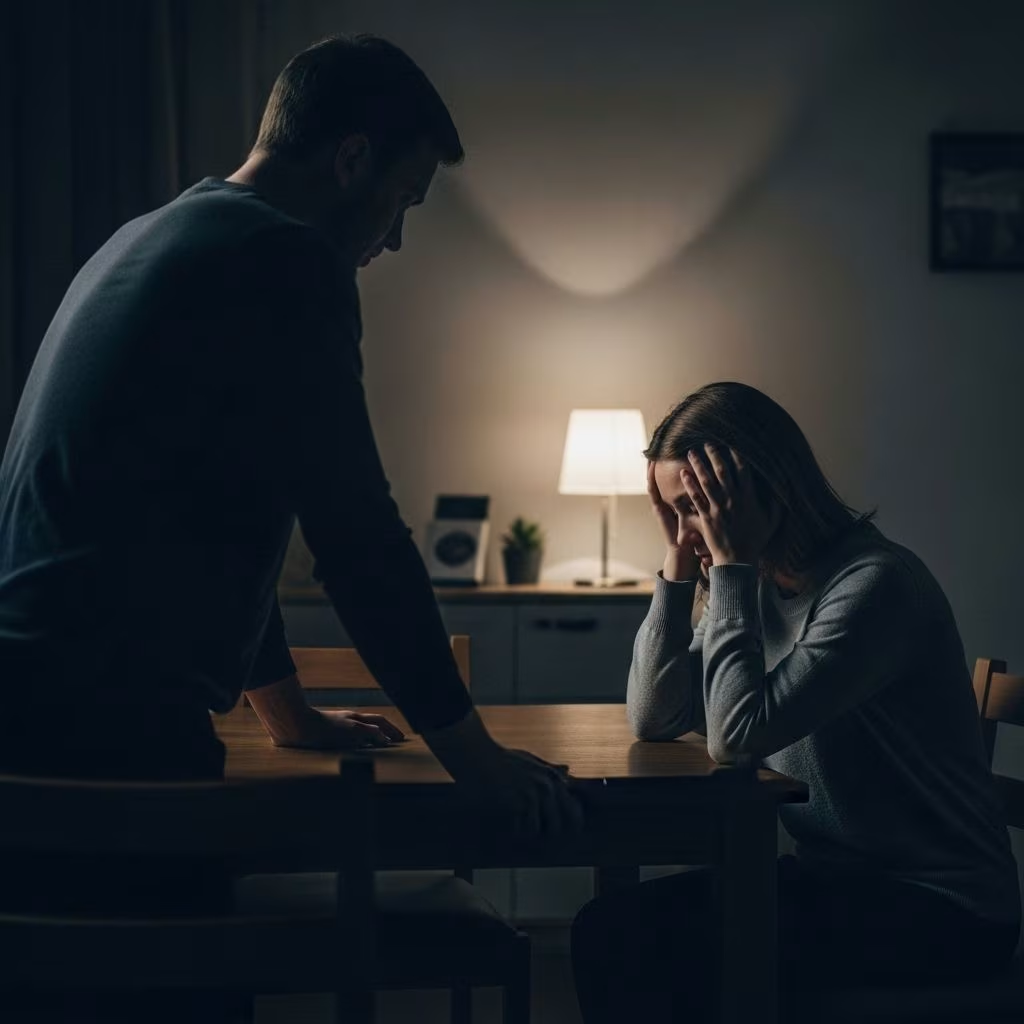
What Is Gaslighting?
Gaslighting is a form of psychological manipulation where one person causes another to doubt their own perceptions, memories, or sanity. While often associated with intentional abuse, gaslighting can also occur unintentionally—especially in close relationships where communication patterns become habitual and unchecked. Recognizing these behaviors is the first step toward fostering a healthier dynamic with your partner.
How Can You Accidentally Gaslight Your Partner?
Many people gaslight their partners without realizing it. This can happen when you dismiss their feelings, question their memory, or insist your perspective is the only valid one. Even well-intentioned comments can have a gaslighting effect if they undermine your partner’s confidence in their own experiences or emotions. Over time, these behaviors erode trust and can damage the relationship.
Common Examples of Unintentional Gaslighting
- Insisting your partner is “overreacting” or “too sensitive” when they express hurt or concern
- Denying something happened when your partner clearly remembers it differently
- Minimizing their feelings by saying things like “It’s not a big deal” or “You’re making a mountain out of a molehill”
- Blame-shifting, making your partner feel responsible for your reactions
- Questioning their memory or perception of events (“That’s not how it happened”)
Signs You Might Be Accidentally Gaslighting Your Partner
1. You Dismiss Their Feelings
If you frequently tell your partner they’re “too emotional” or “overreacting,” you may be invalidating their feelings. Everyone has the right to their emotions, and dismissing them can make your partner feel unheard and isolated.
2. You Deny Their Reality
Disputing your partner’s version of events—especially when you’re certain you’re right—can make them question their memory and judgment. This is a hallmark of gaslighting, whether intentional or not.
3. You Blame Them for Your Reactions
If you imply or state that your partner “made you” act a certain way, you’re shifting responsibility for your actions onto them. This tactic can leave your partner feeling guilty for things outside their control.
4. You Minimize Their Concerns
Downplaying your partner’s worries or anxieties (“You’re just being paranoid”) can make them feel dismissed and unimportant. Over time, this can lead to them keeping their concerns to themselves.
5. You Question Their Memory or Perception
Regularly suggesting your partner “misremembers” events or questioning their perception (“Are you sure that happened?”) erodes their confidence in their own experiences.
Why Does This Happen?
Unintentional gaslighting often stems from a desire to avoid conflict, protect your own ego, or maintain control in the relationship. It can also be a learned behavior from past relationships or family dynamics. Recognizing these patterns is crucial for breaking the cycle.
The Impact of Accidental Gaslighting
Even when unintentional, gaslighting behaviors can have serious consequences for your partner’s mental health and the overall health of your relationship. Over time, your partner may:
- Lose confidence in their own judgment and perceptions
- Feel anxious, insecure, or emotionally numb
- Withdraw from conversations to avoid conflict
- Begin to doubt their sanity or memory
- Feel disconnected from their own identity
These effects can make it difficult for your partner to advocate for themselves or trust their own experiences, both within and outside the relationship.
How to Recognize Your Own Gaslighting Behaviors
Self-awareness is key. If you notice any of the following patterns in your behavior, it’s time to reflect and consider making changes:
- Your partner often seems confused or upset after conversations with you
- They frequently apologize for things that aren’t their fault
- They second-guess themselves or their memories
- They withdraw or become less expressive over time
Honest self-reflection—and, if possible, feedback from your partner—can help you identify these behaviors.
Steps to Change: Becoming a Better Partner
1. Listen Actively and Validate Feelings
When your partner shares their feelings or concerns, listen without interrupting or dismissing them. Acknowledge their emotions, even if you don’t fully understand them.
2. Take Responsibility for Your Actions
Own your mistakes and apologize when appropriate. Avoid blaming your partner for your reactions or emotions.
3. Avoid Absolute Language
Phrases like “You always…” or “You never…” can feel accusatory and dismissive. Instead, focus on specific behaviors and use “I” statements.
4. Encourage Open Communication
Create a safe space for your partner to express themselves without fear of judgment or invalidation.
5. Practice Self-Reflection
Regularly check in with yourself about your communication habits. Ask your partner for feedback and be open to their perspective.
6. Seek Professional Help if Needed
If you struggle to change these patterns on your own, consider couples therapy or individual counseling. A professional can help you both develop healthier communication skills.
Rebuilding Trust After Gaslighting
If your partner has been affected by your unintentional gaslighting, rebuilding trust takes time and consistent effort. Be patient, honest, and transparent in your actions. Show through your behavior that you respect their feelings and experiences.
Examples of Healthier Communication
| Gaslighting Statement | Healthier Alternative |
|---|---|
| “You’re overreacting.” | “I see that you’re upset. Can you tell me more about what you’re feeling?” |
| “That never happened.” | “I remember it differently, but I understand that’s your experience.” |
| “You’re too sensitive.” | “Your feelings are valid, and I want to understand where you’re coming from.” |
| “You’re making this a bigger deal than it is.” | “This seems important to you. Let’s talk about it.” |
Frequently Asked Questions
Q: Can gaslighting be unintentional?
A: Yes, gaslighting can occur unintentionally, especially when communication habits go unexamined. Recognizing and addressing these behaviors is essential for a healthy relationship.
Q: How can I tell if I’m gaslighting my partner?
A: Signs include frequently dismissing your partner’s feelings, denying their experiences, blaming them for your reactions, and questioning their memory or perception. If your partner seems confused, upset, or withdrawn after conversations, it’s worth reflecting on your communication style.
Q: What should I do if I realize I’ve been gaslighting my partner?
A: Acknowledge the behavior, apologize sincerely, and commit to changing your communication habits. Encourage open dialogue and consider seeking professional support if needed.
Q: Can a relationship recover from gaslighting?
A: With genuine effort, honesty, and consistent change, many relationships can recover. Rebuilding trust takes time, patience, and a commitment to healthier communication.
Q: How can I support my partner if they’ve been affected by gaslighting?
A: Listen without judgment, validate their feelings, and respect their experiences. Avoid defensiveness and be patient as they regain confidence in their own perceptions.
Conclusion
Gaslighting—even when unintentional—can deeply affect your partner and your relationship. Recognizing these behaviors, taking responsibility, and committing to change are crucial steps toward fostering a healthier, more trusting partnership. By prioritizing open communication, empathy, and self-reflection, you can break the cycle of gaslighting and build a stronger connection with your partner.
References
- https://www.healthline.com/health/gaslighting
- https://sullivan-law.com/5-warning-signs-of-gaslighting-in-a-marriage-or-relationship/
- https://www.newportinstitute.com/resources/mental-health/what_is_gaslighting_abuse/
- https://www.gbvlearningnetwork.ca/our-work/backgrounders/gaslighting_in_intimate_relationships/index.html
- https://www.joinonelove.org/learn/7_signs_of_gaslighting/
- https://www.mycwa.org.uk/gaslighting
- https://health.clevelandclinic.org/gaslighting
- https://www.psychologytoday.com/us/blog/the-psychology-of-relationships-and-emotional-intelligence/202404/11-warning-signs-of


