


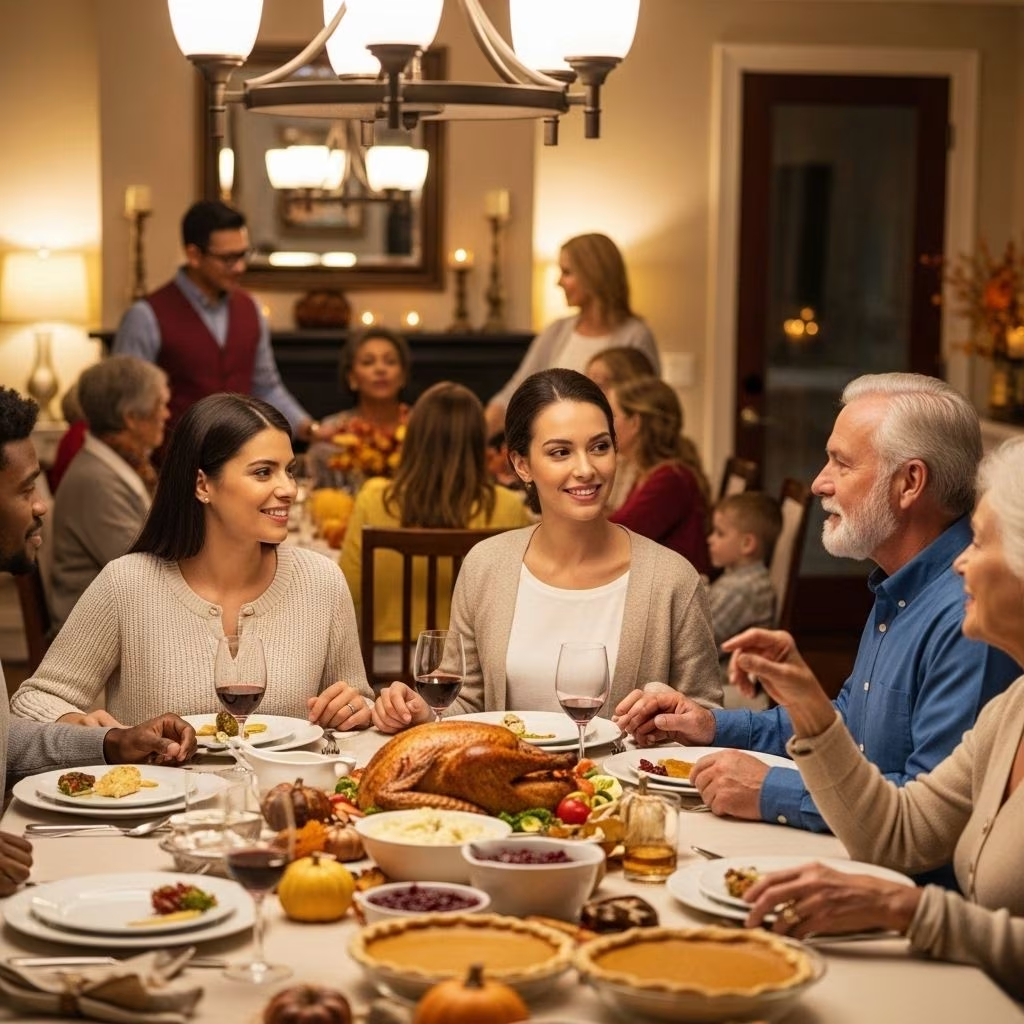
Thanksgiving With The In-Laws: Your Ultimate Survival Guide
Thanksgiving is more than just a holiday—it’s a time when families gather to celebrate, share gratitude, and build memories around food and tradition. For many, it also marks a pivotal moment: spending Thanksgiving with your in-laws, whether it’s your first time or a recurring event. This guide offers expert-backed strategies to ensure your holiday is enjoyable, respectful, and stress-free for everyone involved.
Understanding The Stakes
While Thanksgiving should be fun and relaxing, sharing the table with your partner’s family can stir anxiety and tension—even for the most confident guests. The pressure isn’t just about making small talk or bringing the right dish: it’s about honoring traditions, showing respect, and making a positive impression on people who matter deeply to your significant other. With a little planning and the right attitude, you can transform potential stress into a joyful experience everyone remembers for the right reasons.
Preparation: Setting The Foundation For Success
- Communicate With Your Partner: Ahead of the big day, ask your spouse for a detailed rundown on each relative—who’s easygoing, who’s opinionated, and which conversations to avoid. This cheat sheet will help you navigate introductions, know which topics to sidestep, and steer clear of awkward moments.
- Learn The Family Traditions: Every family approaches Thanksgiving differently—some have formal sit-down dinners, others favor casual buffets. Ask about rituals such as prayers, games, or going around the table expressing gratitude. This shows respect for their traditions and helps you fit in seamlessly.
- Prepare Mentally: If past family gatherings have been stressful, take time to mentally prepare. Practice calming techniques, affirmations, or set boundaries in advance for tricky conversations.
- Coordinate A Signal: Consider a discreet code word or gesture with your spouse to signal when you need help, need rescuing from a lengthy conversation, or feel ready to leave.
Arriving & Greetings: Making Your Entrance Count
- Arrive On Time: Punctuality signals respect for your hosts and their traditions.
- Follow Your Partner’s Lead: Let your spouse guide initial greetings. Watch their interactions to learn which family members prefer hugs, handshakes, or more formal welcomes.
- Bring A Dish: Offer to bring a homemade side or dessert. Not only does this display generosity, it instantly makes you part of the group. Choose something that aligns with the family’s tastes or traditions for extra points.
Conversation Etiquette: Navigating Topics and Table Talk
- Avoid Taboo Subjects: Avoid potentially divisive topics like politics, religion, or gossip, particularly if you’re meeting relatives for the first time or tensions run high on certain subjects.
- Keep It Light: Focus on hobbies, children, pets, travel stories, or positive experiences. If you know the family roots for a local sports team, chat about their latest win or loss—sports make great neutral ground.
- Pay Compliments: Compliment the chef and offer genuine thanks to your hosts. Not only does this show appreciation, it helps foster goodwill and strengthens bonds.
- Find Common Ground: Seek shared interests—even small ones—like favorite TV shows, baking tips, or holiday traditions. Building rapport over relatable topics is key for forming lasting connections.
Hosting Your In-Laws: Practical Tips For A Smooth Event
- Know Dietary Needs: Inquire about allergies and preferences so all guests can enjoy the meal. Accommodating dietary restrictions is not only considerate but also minimizes last-minute stress.
- Plan The Menu Wisely: The golden rule is: always make more food than you think you’ll need. Guests appreciate having leftovers, and no one should leave the table hungry.
- Seating Arrangements: Use place cards to organize seating, prevent confusion, and ensure you’re within easy reach of the kitchen or those relatives you need to spend extra time with.
- Invite Participation: Ask your mother-in-law to bring her favorite dish or special recipe. Involving relatives in food preparation can help build rapport and show appreciation for their traditions.
- Maintain Kitchen Control: If certain family members are known for being underfoot, designate roles or politely direct people to other tasks—such as setting the table or entertaining children—while you manage the stove.
Helping Out: Winning Over Your In-Laws
- Offer To Help: Whether it’s setting up the room, passing hors d’oeuvres, or helping clean up after the meal, pitching in demonstrates humility and a team spirit.
- Ask For Advice Or Recipes: When in doubt, ask your in-laws—especially your mother-in-law—about recipes, tips, or family traditions. This both honors her expertise and invites her to share a cherished part of the holiday.
- Be Gracious: Thank everyone for having you and compliment the meal. Sincere gratitude goes a long way toward building positive relationships.
Managing Stress And Potential Conflicts
The holidays can amplify stress, particularly for couples juggling hosting duties, family dynamics, or new family traditions. Consider these strategies to keep things peaceful:
- Keep Arguments Private: If disagreements arise with your spouse, address them in private rather than in front of guests. Holiday stress is normal, but keeping personal issues away from the dinner table is key.
- Defuse Family Tensions: If you sense conflict brewing among relatives, steer conversations to neutral topics, suggest a group activity, or offer a strategic distraction like dessert or a game.
- Set Boundaries: If you’re uncomfortable with certain behaviors or topics, communicate boundaries respectfully. You can always excuse yourself to another room or invite guests to help with a task.
Making The Most Of Thanksgiving: Embracing Traditions & Creating New Memories
Thanksgiving offers an opportunity to learn about your spouse’s family traditions and share your own. With time, you’ll find a rhythm and may even help start new traditions that blend both families’ customs.
- Honor Their Rituals: Participate in traditions like group prayers, reflective sharing, or games—even if they’re new to you. Respect is the foundation of all family gatherings.
- Initiate New Traditions: Suggest new activities, such as a gratitude jar, a post-dinner walk, or co-hosting a family game night. This encourages togetherness and helps everyone feel included.
- Celebrate Relationships: Ultimately, Thanksgiving is about togetherness. Express your gratitude for being welcomed into the family and celebrate the opportunity to build new relationships and memories.
| Scenario | Recommended Action |
|---|---|
| Meeting in-laws for the first time | Arrive on time, bring a homemade dish, and follow your spouse’s lead with greetings. |
| Confrontational conversations | Avoid controversial topics, keep small talk neutral, and use a pre-agreed signal with your partner to exit gracefully. |
| Hosting with dietary restrictions | Ask about allergies in advance, prepare alternative options, and consider crowd-pleasing side dishes. |
| Kitchen chaos | Assign clear tasks, involve in-laws in non-cooking activities, and maintain calm. |
| Navigating family traditions | Participate enthusiastically, ask questions, and find ways to contribute. |
Common Mistakes And How To Avoid Them
- Forgetting to Express Gratitude: Make a point of verbalizing your thanks—for the food, hospitality, and being welcomed.
- Overindulging or Drinking To Excess: While enjoying food and drink is part of the celebration, keep consumption moderate to maintain poise and avoid saying things you’ll regret.
- Trying Too Hard to Impress: Avoid being overly formal or stiff. Authenticity is key—be yourself, relax, and have fun.
- Neglecting to Offer Help: Be proactive in offering assistance, whether it’s clearing dishes or entertaining children.
- Not Listening To Your Partner’s Advice: Their insights are invaluable—heed their warnings and guidance to avoid faux pas.
Frequently Asked Questions (FAQs)
Q: How can I handle awkward small talk with in-laws?
A: Prepare neutral conversation topics in advance. Discuss positive shared interests, avoid hot-button issues, and use your partner’s guidance to navigate introductions and early banter.
Q: What dish should I bring to impress my in-laws?
A: Choose a homemade side or dessert that matches the family’s tastes. Try asking your spouse for family favorites or traditions that you can honor or enhance.
Q: What should I do if a family member tries to provoke a debate?
A: Politely decline to engage and redirect the conversation to something positive or neutral. If needed, use a pre-established signal with your partner or excuse yourself to another activity.
Q: How do I handle food allergies or dietary preferences when hosting?
A: Ask guests about allergies and preferences well before the event. Prepare inclusive dishes, and clearly label each option so everyone knows what’s safe for them to eat.
Q: What’s the best way to keep arguments with my spouse private during a stressful holiday?
A: If tension arises, take a private moment together away from guests. Address issues calmly; prioritize the comfort of guests and focus on the holiday’s purpose—togetherness and gratitude.
Pro Tips For A Thanksgiving To Remember
- Show up with a positive, open attitude—your mood sets the tone for the day.
- Express gratitude frequently, both aloud and through your actions.
- Participate in traditions with enthusiasm, even if they’re new to you.
- Engage younger family members and older relatives alike—building rapport with all ages strengthens relationships.
- Leave drama at the door: holidays are for celebration, not conflict.
Conclusion: The Big Picture
Thanksgiving with your in-laws can be a rewarding and enlightening experience when approached with preparation, respect, and a willingness to learn. Embrace the opportunity to participate in traditions, share gratitude, and deepen family bonds. With these strategies, you’ll navigate the holiday with poise, make lasting impressions, and enjoy the true spirit of Thanksgiving: family, connection, and generosity.
References
- https://knue.com/thanksgiving-etiquette/
- https://corporettemoms.com/how-to-deal-with-your-in-laws/
- https://www.bridesofli.com/tips-for-your-first-thanksgiving-with-the-in-laws/
- https://www.scarymommy.com/15-steps-prepare-for-in-laws-this-thanksgiving
- https://isthisnormal.littlespoon.com/thanksgiving-stress-1123/


