


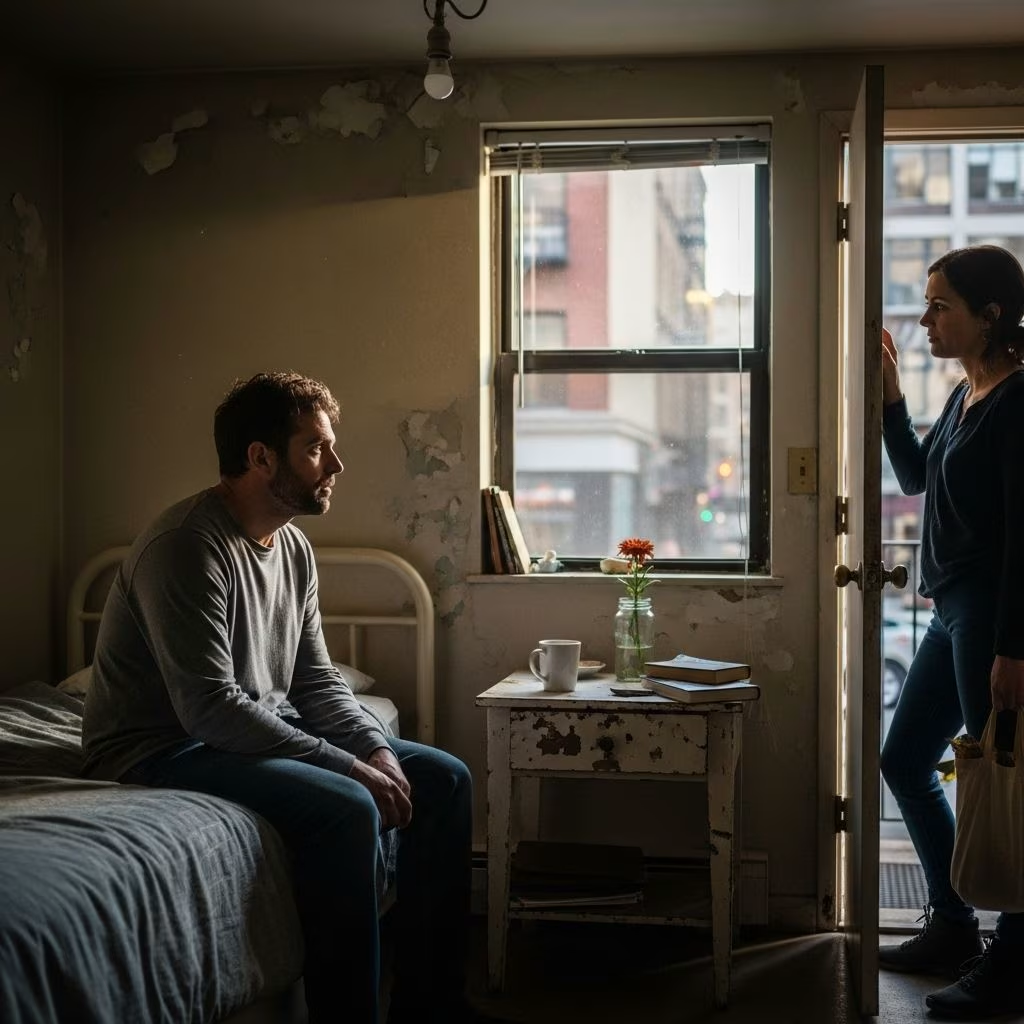
Navigating Dating and Relationships as a Homeless Man in an SRO
Dating and forming meaningful relationships can be a challenging and complex experience for anyone, but these challenges are magnified for homeless individuals living in Single Room Occupancy (SRO) settings. The lack of stable housing, combined with the physical and emotional strains of homelessness, can make it difficult to establish and maintain relationships.
Challenges of Dating While Homeless
Dating while homeless presents unique difficulties, including the inability to maintain privacy or stability, which are crucial components of any relationship. The stigma associated with homelessness can also deter potential partners. Furthermore, the stress of daily survival needs often overshadows the emotional bandwidth needed for meaningful connections.
Key Challenges:
- Lack of Stability and Privacy: SRO living often means sharing facilities and having limited personal space, making it difficult to host or spend quality time with a partner.
- Stigma and Social Isolation: Homelessness can lead to feelings of shame and isolation, which can complicate the process of meeting new people or forming connections.
- Survival Needs Over Emotional Ones: The constant struggle to meet basic needs can leave little room for emotional exploration or maintaining a relationship.
Experiences in SRO Settings
Living in an SRO can provide a degree of stability compared to being on the streets, but it still presents challenges. Residents often report feeling isolated despite being surrounded by others, and the lack of private space can strain relationships.
However, some residents have reported that the stability offered by SRO housing can be a foundation for reconnecting with family or friends, or even forming new relationships within the community.
Positive Aspects of SRO Living
- Relative Stability: SROs offer more stability than street homelessness, which can help in maintaining relationships.
- Community Support: Some SROs foster a sense of community, which can lead to supportive friendships or romantic relationships.
- Access to Services: SROs may provide access to social services that can help residents address underlying issues affecting their relationships.
Strategies for Navigating Relationships
For homeless individuals living in SROs, several strategies can help navigate the challenges of dating and relationships:
- Seeking Support: Utilizing counseling services or support groups can provide tools for managing relationship stress and building healthier connections.
- Building Community: Engaging with the SRO community can lead to meaningful friendships and romantic relationships.
- Embracing Stability: Focusing on the stability offered by SRO housing as a foundation for rebuilding relationships.
Understanding the Housing First Approach
The Housing First (HF) approach, which prioritizes providing permanent housing as quickly as possible, has been shown to improve social support and stability for homeless individuals. While it doesn’t directly address dating, it can create a more stable environment that might facilitate relationships.
Key Components of Housing First:
- Immediate Access to Permanent Housing: HF emphasizes providing a stable living environment without preconditions.
- Consumer-Driven Support Services: Residents are offered ongoing support tailored to their needs, which can help in addressing relationship challenges.
- Impact on Social Networks: HF participants often have more staff members in their social networks, which can be beneficial for support and guidance in relationships.
Conclusion
Navigating dating and relationships as a homeless man in an SRO is fraught with challenges, but it is not impossible. By leveraging the stability offered by SROs and seeking support services, individuals can improve their chances of forming meaningful connections.
Frequently Asked Questions (FAQs)
Q: How can I meet new people while living in an SRO?
A: Engaging with the community, participating in group activities, or joining support groups can be effective ways to meet new people.
Q: What are some strategies for maintaining relationships while homeless?
A: Focusing on stability, seeking counseling, and building a supportive community can help in maintaining relationships.
Q: How does the Housing First model impact relationships?
A: The Housing First model provides a stable living environment, which can facilitate the formation and maintenance of relationships by offering a foundational stability and support services.


