


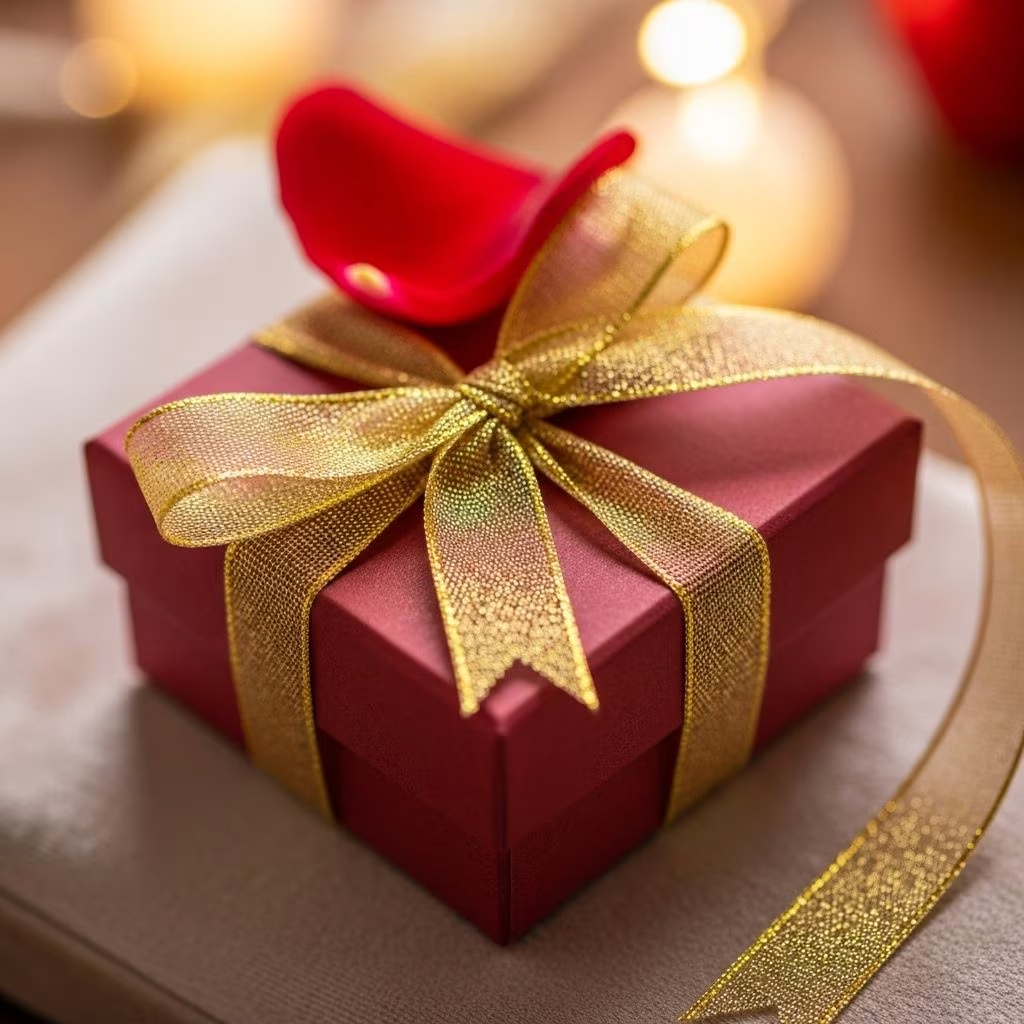
How to Give Valentine’s Day Jewelry—Without Making It Look Like a Proposal
Jewelry is often seen as a quintessential Valentine’s Day gift: classic, romantic, enduring. However, gifting jewelry can come with unintended implications—most notably, the expectation of a marriage proposal. If you’re in a committed relationship but not quite ready to pop the question, this comprehensive guide will help you navigate the nuances of giving jewelry in a way that celebrates your relationship without creating unnecessary pressure or misunderstanding.
Why Jewelry Can Be a Tricky Valentine’s Day Gift
Unlike chocolates or flowers, jewelry can carry a deeper meaning. Certain pieces, like diamond rings, are particularly associated with engagement, and presentational flourishes can quickly turn a heartfelt moment into a high-pressure situation. Still, jewelry remains a beloved gift option for expressing love and appreciation—if you choose with care.
- Symbolism: Rings, especially those with diamonds, are closely tied to proposals.
- Presentation: Presenting a jewelry box, especially on bended knee, can be misinterpreted.
- Expectations: Jewelry, more than most gifts, can inspire big dreams about the future.
With some foresight, it’s possible to give beautiful jewelry with warmth—and zero misunderstanding.
Why Give Jewelry at All?
Before digging into the how-to, it’s important to consider why jewelry continues to be a top Valentine’s Day present:
- Emotional Significance: A thoughtfully chosen piece marks a special occasion and can become a treasured heirloom.
- Longevity: Jewelry is durable. Every time your partner wears it, they’ll recall the affection it represents.
- Personalization: With endless styles, stones, and metals, jewelry can reflect your partner’s unique taste or your shared memories.
However, maximizing joy and minimizing confusion demands attention to detail—from the gift selection down to the delivery.
How to Choose Valentine’s Day Jewelry That Doesn’t Scream Proposal
When the goal is to give a meaningful gift—not a marriage proposal—the type of jewelry you select matters enormously. Here’s a breakdown of popular options and what they symbolize:
| Jewelry Type | Proposal Risk | Why |
|---|---|---|
| Ring (especially diamond or solitaire) | Very High | Strongly associated with engagement |
| Necklace / Pendant | Low | Widely given as a non-proposal gift; versatile |
| Bracelet or Bangle | Low | Sentimental but rarely mistaken for a proposal |
| Earrings | Low | Personal and stylish, but not symbolic of engagement |
| Personalized or Birthstone Jewelry | Very Low | Focuses on individual meaning and connection |
Pro Tip: If you really want to avoid any confusion, don’t gift a ring—or anything packaged like an engagement ring—on Valentine’s Day.
Safest Pieces to Gift
- Necklaces (e.g., hearts, bar pendants, lockets, initials)
- Bracelets or Bangles (including charm bracelets)
- Earrings (studs, hoops, or drops)
- Personalized Jewelry (names, coordinates, birthstones)
Focus on items that reflect your partner’s taste or story, rather than universal romantic symbols. Avoid pieces overwhelmingly tied to engagement or wedding traditions, such as solitaires or eternity bands.
Presentation Matters: How to Avoid Sending the Wrong Signal
Even if you’ve chosen a non-marriage-related piece, how you present the jewelry is crucial. Presentation can unintentionally stoke expectations—particularly on Valentine’s Day.
- Skip the Down-on-One-Knee Routine: Save the theatrics for the real proposal.
- Offer the Gift Casually: You might place the box in a gift bag with other small treats or alongside a card.
- Communicate Clearly: Share a heartfelt but straightforward note expressing your appreciation, not a life-changing declaration.
- Consider Timing: If you plan to celebrate at home, hand the gift early—before dinner—to diffuse any high-stakes anticipation.
Tip: Pairing the jewelry with flowers or chocolate can soften the focus and keeps the mood light and celebratory, not overly dramatic.
Make It Personal—But Not Life-Altering
The key to a memorable jewelry gift is its personal connection. You want your partner to feel seen and cherished without hinting at life-changing commitments you’re not making—yet.
- Choose Symbols with Shared Meaning: Think of inside jokes, shared memories, or significant dates—not just hearts and diamonds.
- Custom Engravings: Short, sweet messages or coordinates of a memorable place make a world of difference.
- Opt for Birthstones: Gifting your partner’s birthstone or a relevant gemstone adds personal flair, avoiding proposal connotations.
- Presentation with Storytelling: Explain your thought process in a handwritten note or as you give the gift: “This reminds me of our first trip together.”
Alternatives to Rings for Meaningful Gifts
Rings are loaded with proposal symbolism—even if it’s not your intent. Fortunately, there are many jewelry styles that are both heartfelt and free of implied promises.
- Initial Necklaces: A subtle nod to your partner’s identity or your initials interlocked together.
- Charm Bracelets: Add a new charm each year to mark milestones in your relationship.
- Pearl or Gemstone Earrings: Elegant and suitable for any style or occasion.
- Stackable Bracelets or Bangles: Mix metals, textures, or colored stones for everyday versatility.
- Lockets: Tuck in a mini-photo or message for a unique personal touch.
It’s also perfectly acceptable to ask your partner about their jewelry preferences ahead of time, especially if you’re unsure about size or style. Clear communication is romantic—mystery and ambiguity are usually not.
How to Manage Expectations and Keep Things Light
Despite your best efforts, the combination of jewelry and Valentine’s Day can raise expectations. Here’s how to ensure your giving stays grounded in joy—not anxiety:
- Be Honest in Your Card or Speech: If you sense nerves or anticipation, gently clarify your intentions. “I wanted you to have something special for Valentine’s Day—this isn’t a proposal, but it is heartfelt.”
- Keep the Atmosphere Relaxed: Enjoy the moment: laughter, inside jokes, or sharing favorite memories keep things in perspective.
- Be Direct if Needed: If your partner asks about your intentions, answer sincerely—no need to be coy or evasive.
Remember: The best gifts are ones that deepen your bond, not complicate it. Thoughtful communication is always the best way forward.
Valentine’s Day Jewelry Gift Ideas That Won’t Send the Wrong Message
If you’re searching for inspiration, consider these jewelry ideas that convey affection without major expectations:
- Stackable Rings: Avoid solitaires—choose sets with birthstones, colored gems, or minimal design.
- Initial or Nameplate Necklaces: Simple, everyday pieces embodying personalized style.
- Charm Bracelets: Sentimental charms create new traditions.
- Pearl Earrings or Pendants: Classic, timeless, and universally flattering.
- Minimalist Diamond Studs or Hoops: Diamonds are always in style, but limit the focus to small, wearable designs rather than showstoppers.
- Engraved Bar Necklaces: Etch a date, coordinates, or short word that means something unique to you both.
- Colorful Gemstone Pieces: Amethyst, topaz, or other colored stones stray from proposal territory.
Pair these jewelry picks with thoughtful packaging and a sincere note for best results.
Jewelry Gift-Giving Etiquette: Dos and Don’ts
- Do tailor the gift to your partner’s personality and style preferences.
- Do think beyond diamonds; alternative stones and metals add unique character.
- Do consider handcrafted, artisanal, or vintage jewelry for a distinctive touch.
- Do not gift a ring—especially in a ring box—unless you’re proposing.
- Do not go overboard on presentation theatrics that could cause confusion.
- Do not make jokes about proposing if you’re not serious; mixed signals aren’t romantic.
Final Thoughts: Celebrate Your Relationship With Intention
Gifting jewelry on Valentine’s Day should be a celebration of your bond, not a source of stress. By choosing a well-suited piece, presenting it thoughtfully, and communicating openly, you can make your Valentine’s Day memorable for all the right reasons.
Frequently Asked Questions (FAQs)
Q: Why is giving a ring on Valentine’s Day a bad idea if you’re not proposing?
A: Rings, especially diamond solitaires, are deeply associated with engagement. Giving one on a romantic holiday like Valentine’s Day invites assumptions about your intentions, which can lead to awkward conversations or disappointment if you’re not planning a proposal any time soon.
Q: What are some jewelry options that don’t imply a proposal?
A: Necklaces (especially with initials or meaningful pendants), bracelets, stackable bands (not engagement-style), earrings, and lockets are generally safe and appreciated choices.
Q: Is it ever okay to explain the reason for my gift explicitly?
A: Yes, a brief heartfelt note clarifying that the jewelry is about your affection—not a proposal—can put your partner at ease and make the gift more enjoyable.
Q: How can I make my jewelry gift personal?
A: Personal touches are always appreciated. Choose custom engraving, use birthstones, select pieces tied to shared experiences, or simply explain the meaning behind your choice when presenting the gift.
Q: Should I worry if my partner is disappointed the gift wasn’t a proposal?
A: Honest conversations about your relationship timeline help avoid misunderstandings. If your partner expresses disappointment, acknowledge their feelings and discuss your future intentions with care and sincerity.
References
- https://www.oprahdaily.com/style/g42388597/valentines-day-jewelry/
- https://thecultureofpearls.com/valentines-day-jewelry-gift-ideas/
- https://faithfulplatform.com/blog/valentines-day-jewelry-gift-guide/
- https://www.vrai.com/journal/post/valentines-day-gift-guide
- https://janewin.com/collections/valentines-day-gift-guide-2025
- https://www.etsy.com/market/valentines_day_gift_for_her_jewelry
- https://www.riddlesjewelry.com/gifts/valentines-day.html
- https://madebymary.com/blogs/news/valentines-day-gift-guide


