


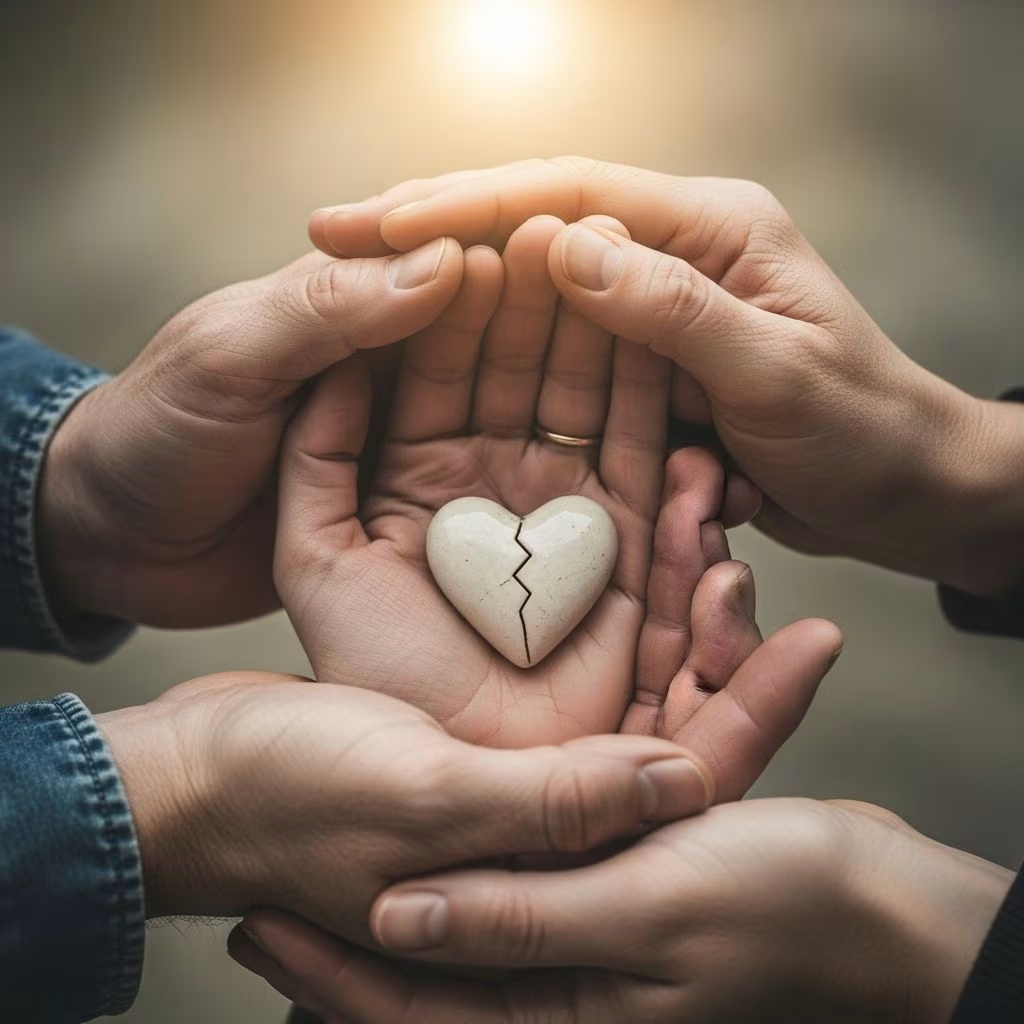
Embracing Vulnerability: Why Revealing Your Weaknesses Leads to Stronger Relationships
Vulnerability is the cornerstone of genuine human connection. Too often, we believe that hiding our flaws will make us more lovable, cool, or protected. Yet research and lived experience reveal the opposite: the courage to reveal personal weaknesses strengthens relationships, builds authenticity, and deepens intimacy.
Understanding Vulnerability in Relationships
In a culture that prizes confidence and success, it’s easy to think that admitting insecurity, fear, or imperfection will drive people away. However, psychologists and relationship experts agree that vulnerability is critical for true emotional closeness.
- Vulnerability means showing up as your honest self, including your doubts, quirks, and wounds.
- It’s not about oversharing or dramatic confessions; it’s about allowing another person to see your authentic emotional landscape.
- When both partners practice vulnerability, trust and respect flourish.
Why Do People Hide Their Weaknesses?
The instinct to hide flaws is deeply rooted in social conditioning and fear:
- Fear of rejection: Believing your partner might leave if they knew your insecurities.
- Desire to impress: Wanting your significant other to see you as strong, capable, and admirable.
- Self-protection: Dating histories with betrayal, criticism, or shame often cause people to build emotional walls.
- Cultural messaging: Media and society often equate attractiveness with perfection and emotional control.
Despite these fears, hiding weaknesses rarely leads to the desired outcomes. Instead, it can foster distance, misunderstanding, and missed opportunities for growth.
The Cost of Concealing Your True Self
Relationships built on pretense are inherently fragile. When we hide our weaknesses, several issues can occur:
- Emotional disconnection: Partners sense when something is amiss, leading to mistrust or anxiety.
- Missed intimacy: True closeness comes from sharing both triumphs and struggles.
- Increased stress: Maintaining a façade is emotionally draining and often unsustainable.
- Conflict escalation: Suppressed emotions and unspoken needs tend to erupt as arguments or passive aggression.
Ultimately, not showing your weaknesses can push your partner away—exactly the opposite of what most people hope to achieve.
The Science Behind Vulnerability
Academic research supports the idea that authentic self-disclosure strengthens bonds and promotes satisfaction in romantic and platonic relationships.
- Attachment Theory: Secure attachment styles develop when partners can honestly share fears and insecurities and receive support.
- Brené Brown’s Research: Vulnerability researcher Brené Brown found that “connection is why we’re here”—and connection only grows with authenticity.
- Self-Expansion Model: Couples who share personal challenges and weaknesses experience greater intimacy and relationship growth.
Effective vulnerability activates empathy: when you reveal your humanity, your partner is more likely to open up as well. Mutual vulnerability paves the way for deeper trust.
What Real Vulnerability Looks Like
Vulnerability is not a one-time event—it’s a series of choices made again and again. Here are examples:
- Admitting when something hurts you or scares you.
- Confessing mistakes, regrets, or embarrassing moments.
- Sharing personal struggles such as career doubts or mental health battles.
- Asking for help or support—even if you fear looking needy.
The difference between authentic vulnerability and over-sharing is intention. Vulnerability aims to connect, grow, and be understood—not simply to vent or shock.
Building a Relationship That Values Vulnerability
Establishing vulnerability as a core relationship value can revolutionize how partners interact and resolve conflicts.
Steps to Creating a Safe, Open Dynamic
- Start small: Share minor concerns or insecurities before tackling deeper topics.
- Model openness: Be the first to reveal a doubt or error, signaling to your partner that it’s safe to reciprocate.
- Listen actively: Respond with empathy and curiosity, not judgment or defensiveness.
- Avoid perfectionism: Embrace mistakes and messiness as opportunities for learning and bonding.
- Celebrate vulnerability: Affirm and support each other when you take emotional risks.
With time and patience, these habits foster a resilient, trusting relationship where honesty is the norm and growth is expected.
Common Obstacles to Vulnerability
- Shame: Worrying that your weaknesses make you unworthy of love.
- Fear of judgment: Anticipating criticism or ridicule from your partner.
- Past trauma: Old wounds may cause people to shut down emotionally.
- Poor communication habits: Some couples never learned to discuss feelings openly.
Addressing these obstacles may require individual or couples’ therapy, self-reflection, and conscious re-learning.
How Vulnerability Strengthens Relationships
| Relationship Aspect | With Vulnerability | Without Vulnerability |
|---|---|---|
| Trust | Deep and mutual; partners feel safe | Surface-level, often brittle; prone to suspicion |
| Intimacy | Nurtured by sharing and acceptance | Stifled by walls and avoidance |
| Conflict Resolution | Open, honest, and solution-oriented | Defensive, aggressive, or avoidant |
| Resilience | Strong foundation for overcoming challenges | Vulnerable to stress and breaking under pressure |
Real-Life Examples of Vulnerability in Action
- A partner admits financial anxiety rather than pretending everything is fine, leading to joint problem-solving.
- One person shares childhood trauma with their significant other, fostering understanding and compassion.
- A couple openly discusses sexual insecurities, resulting in more honest communication and greater satisfaction.
- After a heated argument, both partners share their deeper fears and hopes, allowing for genuine reconciliation.
These moments of vulnerability strengthen the bond and provide practical solutions to relational roadblocks.
When Vulnerability Feels Risky
It’s important to recognize that vulnerability is not always easy—or immediately rewarding. Sometimes disclosure leads to discomfort, awkwardness, or triggers old patterns of shame. However, discomfort is often a sign of growth.
- Disclose gradually: Test the waters by sharing smaller truths first.
- Read the room: Ensure your partner is receptive and emotionally mature enough to handle your vulnerability.
- Accept imperfection: Not every vulnerable moment will go smoothly, but practice leads to improvement.
Over time, couples who commit to authentic dialogue build a relationship that can withstand life’s storms.
Frequently Asked Questions (FAQs) on Vulnerability in Relationships
Q: Does showing my weaknesses make me seem less attractive?
A: Revealing vulnerability may feel risky, but genuine self-disclosure is widely recognized by psychologists as essential to deepening intimacy and sustaining long-term attraction.
Q: What if my partner judges me after I share my weaknesses?
A: Judgment can happen, but healthy relationships are built on empathy. If criticism occurs, it may be a sign to reconsider communication styles or relationship compatibility.
Q: Are there weaknesses I shouldn’t share?
A: Not all struggles need to be disclosed immediately. Consider the emotional maturity of your partner, timing, and context. Share when it supports connection, not simply out of obligation.
Q: Can vulnerability fix a relationship with deep problems?
A: Vulnerability encourages growth, but some issues—such as chronic deceit, abuse, or hostility—may exceed what honest conversation can repair. Professional support may be necessary.
Q: How do I encourage my partner to be more vulnerable?
A: Lead by example, listen without judgment, and affirm each act of openness. Safe environments and patience help foster reciprocal vulnerability.
Practical Tips for Embracing Vulnerability
- Practice self-reflection before sharing with your partner. Know what you feel and why.
- Set the stage for open dialogue—choose quiet, private settings for sensitive conversations.
- Use “I” statements (e.g., “I feel,” “I struggle with”) to own your experience.
- Invite your partner’s perspective and ask for feedback.
- Show appreciation after moments of vulnerability—say thank you, express gratitude, and notice growth.
Conclusion: Vulnerability is Strength
Contrary to popular belief, vulnerability in relationships is a sign of strength, not weakness. When you reveal your true self, you create opportunities for lasting connection, mutual growth, and emotional resilience. Partnerships thrive when both people have space to be human—flaws and all.
Redefine what it means to be strong in love: trade perfectionism for authenticity, bravado for openness, and silence for courageous communication. Your willingness to share your weaknesses may be the greatest gift you give your relationship.


